Aluminum Wiring Hazards: Protecting Your Home from a Hidden Fire Risk
For many homeowners, the thought of an electrical fire is a chilling prospect. Yet, a silent, persistent threat may be lurking behind your walls, especially if your home was constructed or underwent significant renovations between 1965 and 1972. During this critical period, a considerable number of residential properties in North America were wired with aluminum instead of the more traditional and stable copper.
While aluminum itself is an excellent conductor of electricity, its inherent metallurgical characteristics, particularly at connection points, have been extensively documented as posing a severe fire hazard. The U.S. Consumer Product Safety Commission (CPSC) has issued unequivocal warnings, revealing that homes equipped with aluminum branch circuit wiring are an alarming 55 times more likely to experience “fire hazard conditions” compared to those wired exclusively with copper. This stark statistic underscores the critical importance of understanding and addressing this legacy electrical issue.
The primary driver behind the widespread adoption of aluminum wiring during this era was economic. As Daniel Vasilevski, director of Bright Force Electrical, explains, “During this time, there was a push to use aluminum because of the rising cost of copper.” What initially appeared to be a cost-effective alternative to copper wire has since evolved into a pressing safety concern that demands proactive attention from every homeowner residing in an older property.
Understanding the Core Problem: Why Aluminum Wiring Poses a Risk
The fundamental danger associated with aluminum wiring does not stem from its ability to conduct electricity; indeed, aluminum is quite efficient at it. The critical issues arise at the termination points and connections within your home’s electrical system. Unlike copper, aluminum wiring exhibits a significantly higher coefficient of thermal expansion and contraction when subjected to temperature fluctuations – a natural occurrence as electricity flows through the circuits and heats the conductors. This constant and pronounced movement, over time, causes connections to loosen incrementally.
This phenomenon is often referred to as “creep,” which is the gradual deformation of aluminum wire under sustained pressure, even without significant temperature variations. Over years of service, this creep further exacerbates the loosening of connections at critical points such as outlets, switches, light fixtures, and junction boxes. As WG Hickman, owner at Tri-County Air Service, elaborates, “These gaps create high resistance and increase the risk of sparkling, which is exactly what’s needed for a fire to start.”
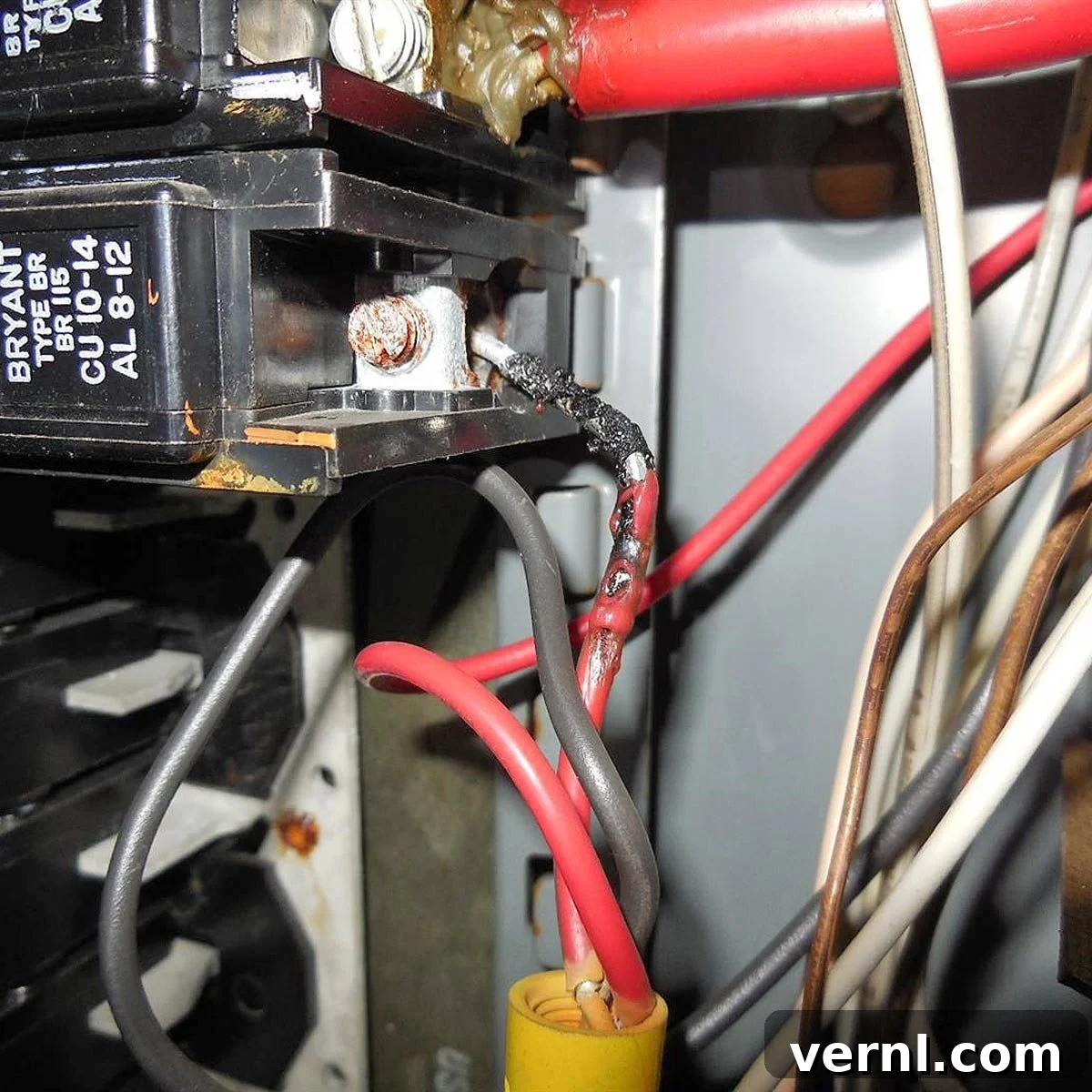
The resulting loose connections create higher electrical resistance at the point of contact, leading to localized overheating. This excessive heat can degrade the surrounding wire insulation, melt plastic components of devices, and eventually ignite adjacent combustible materials like wood framing or insulation. This transforms a seemingly innocuous electrical connection into a catastrophic potential source of a house fire.
The Menace of Oxidation and Galvanic Corrosion
Beyond its thermal instability, aluminum wiring presents another significant problem: its propensity to oxidize rapidly when exposed to air. Oxidation forms a thin, often invisible, non-conductive layer on the surface of the wire. While copper also oxidizes, the aluminum oxide layer is substantially less conductive, further increasing electrical resistance at connection points. This increased resistance generates even more heat, creating a dangerous cycle that accelerates the deterioration of the connection’s integrity.
Daniel Mock, vice president of operations at Mister Sparky, highlights the insidious nature of this ongoing threat: “It’s important to note that older homes with aluminum wiring are not necessarily safe just because they have not yet caught fire. They are in fact at greater risk due to the buildup of oxidation on the wires over time.” This crucial insight means that the problem with aluminum wiring does not diminish or become inert with age; instead, it compounds, making every passing year a greater risk for affected homes.
Another related and equally dangerous hazard arises when aluminum wiring is improperly connected directly to copper components without suitable intermediary devices. This creates a galvanic couple, where the dissimilar metals (aluminum and copper), in the presence of even atmospheric moisture, can lead to accelerated electrochemical degradation known as galvanic corrosion. This rapid corrosion severely compromises the connection, dramatically increasing resistance, creating intensely hot spots, and significantly elevating the risk of arcing and subsequent fire. This is precisely why directly twisting aluminum and copper wires together is strictly prohibited and constitutes an extreme fire hazard.
Identifying Aluminum Wiring in Your Home: What to Look For
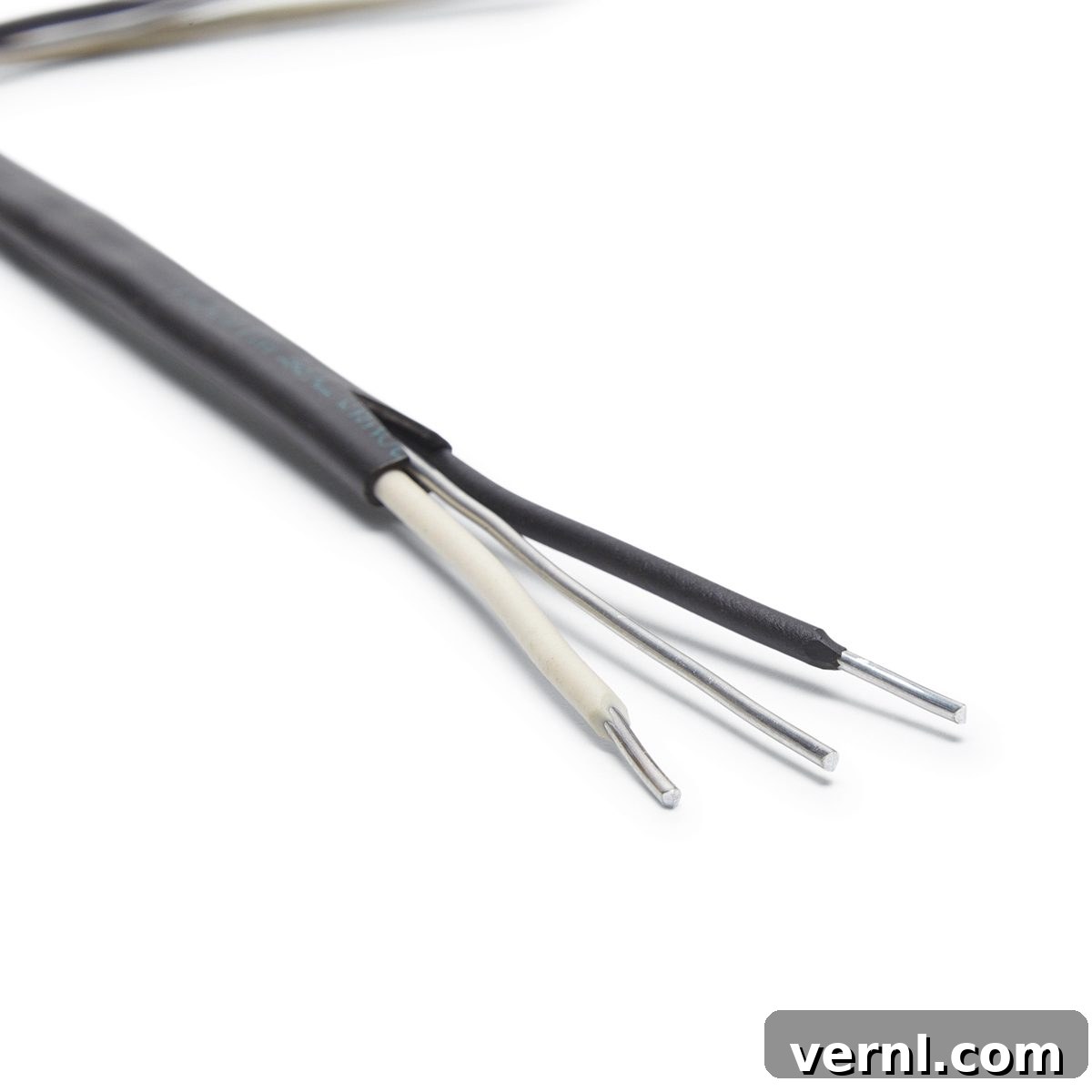
Before any remedial action can be taken, it’s essential to confirm the presence of aluminum wiring in your home. While it is always safest and most advisable to have a qualified electrician perform a thorough inspection, there are a few visual cues homeowners can look for, always exercising extreme caution. Aluminum wire typically has a distinctive dull gray appearance, a clear contrast to copper’s bright, reddish-orange hue.
The outer sheathing or insulation around the wire might also be marked with specific identifiers such as “AL,” “Aluminum,” “Aluminum Alloy,” or “ACSR” (Aluminum Conductor Steel Reinforced, though less common in residential branch circuits). Common areas to check (only after shutting off power at the main breaker and using a non-contact voltage tester to confirm circuits are dead) include exposed wiring in unfinished basements, attics, or utility rooms. You might also spot it by carefully removing the cover plates of outlets and switches (again, with power absolutely OFF!), looking at the wires connected to the terminals. If you suspect you have aluminum wiring, it is paramount to avoid touching it and immediately contact a licensed electrician for a professional assessment. Never attempt to confirm or repair aluminum wiring yourself if you are not a qualified and experienced electrical professional.
Effective and Safe Solutions for Aluminum Wiring Remediation
Once the presence of aluminum wiring is confirmed, addressing it becomes a paramount concern for your home’s safety. While the complete rewiring of your entire home with new copper wiring represents the most comprehensive and permanent solution, it is often impractical due to its highly disruptive nature and significant cost, typically involving extensive demolition of walls and ceilings. For most situations, professional remediation focuses on making the existing aluminum connections safe and reliable without requiring a full structural overhaul. It is critically important to reiterate that any work involving aluminum wiring should never be attempted as a DIY project unless you are a certified electrician with specialized experience in this field. The risks are simply too high.
The Pigtailing Method: A Trusted Remediation Solution
The most common, CPSC-recommended, and widely accepted method for mitigating aluminum wiring hazards is known as “pigtailing.” This process involves adding a short section of copper wire to the end of each aluminum wire at every single connection point throughout your electrical system – whether it’s an outlet, a switch, a light fixture, or a splice within a junction box. Essentially, a licensed electrician will carefully splice a short piece of copper wire onto the aluminum wire, ensuring that only the copper “pigtail” connects directly to the electrical device. This eliminates the problematic aluminum-to-device connection, replacing it with the more stable and reliable copper connection.
To execute this safely and effectively, electricians utilize specialized connectors specifically engineered for aluminum-to-copper transitions. These are not standard, off-the-shelf wire nuts, but rather sophisticated devices designed to safely accommodate the unique metallurgical and thermal properties of aluminum. Popular and CPSC-approved solutions include:
- COPALUM Connectors: These are highly regarded and preferred by the CPSC for their exceptional reliability and long-term safety. COPALUM connectors create a cold weld between the aluminum and copper wires, forming a permanent, gas-tight connection that effectively prevents oxidation and future loosening. However, their installation requires a specially trained contractor and a proprietary crimping tool, making them a highly specialized, though extremely effective, solution.
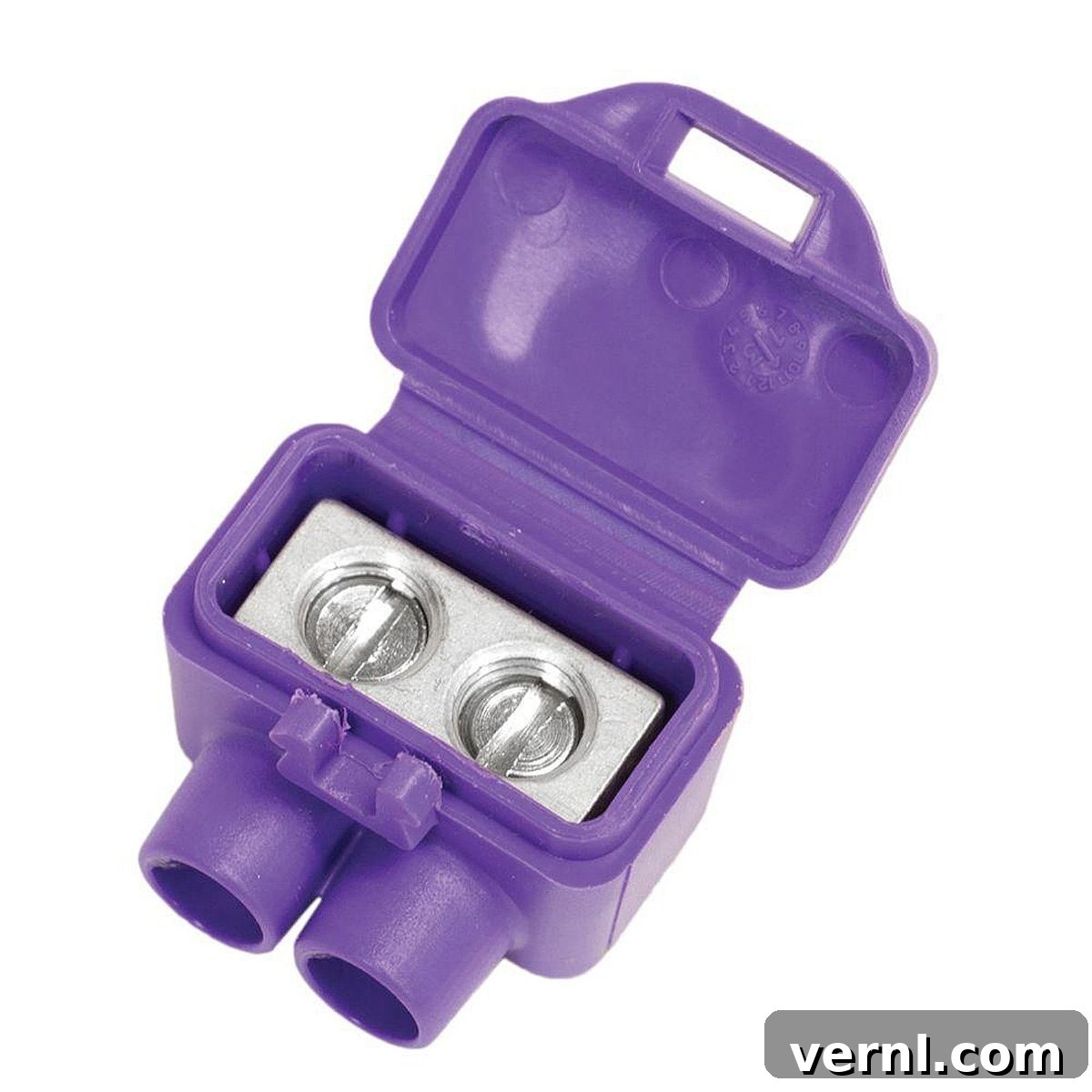
- AlumiConn Connectors: A widely used and equally approved alternative, AlumiConn connectors are pre-filled with an anti-oxidant compound and utilize set-screw terminals to securely fasten both the aluminum and copper wires. They can be installed by any trained electrician and are readily available from online suppliers. One practical consideration with AlumiConn connectors is their size; they can be bulkier than standard wire nuts, potentially requiring existing junction boxes to be replaced with larger ones to safely accommodate the connectors and comply with electrical codes.
- AL-CU Rated Wire Nuts: While generally less preferred than COPALUM or AlumiConn for comprehensive remediation, specific types of AL-CU rated twist-on wire connectors are approved for very limited applications. These must be used meticulously with an anti-oxidant compound and installed precisely according to manufacturer instructions. Their use is typically restricted to certain scenarios, and they may require periodic inspection and re-tightening, making them a less permanent or hands-off solution compared to the other approved methods.
The Crucial Role of Anti-Oxidant Compounds and CO/ALR Devices
Regardless of the specific connector chosen for pigtailing, electricians will consistently apply a small amount of an anti-oxidant compound, such as Noalox or Penetrox, to the exposed aluminum wire before it is secured into the connector. As Vasilevski clarifies, this crucial step “will prevent oxidation and reduce the risk of resistance buildup (which results in overheating).” These specialized compounds create an impenetrable barrier that keeps oxygen away from the aluminum surface, thereby preventing the formation of resistive oxide layers that can compromise the connection.
Furthermore, it is absolutely essential to replace any existing incompatible outlets and switches with devices specifically labeled as CO/ALR (Copper/Aluminum Rated). Standard electrical devices are typically engineered and rated for copper wire only. As Vasilevski highlights, “These outlets and switches are designed to handle the unique properties of aluminum wiring, including its tendency to expand and contract. Using standard fixtures that aren’t rated for aluminum wiring increases the risk of loose connections, overheating and arcing.” CO/ALR devices feature specially designed terminal mechanisms that better grip aluminum wire and are engineered to accommodate its thermal movement, ensuring a more secure, stable, and safe connection over time.
Vasilevski also reiterates a paramount safety warning: “If you need to connect aluminum and copper wires, never twist them together directly.” He elaborates on the severe danger, stating, “This is because aluminum and copper expand and conduct electricity at different rates, so if you do that, it will result in galvanic corrosion, which weakens the connection and increases resistance.” Adhering strictly to professional, approved connection methods and devices is non-negotiable for ensuring long-term electrical safety.
Limiting the Scope of DIY Repairs: Knowing Your Limits
While the overall remediation of aluminum wiring is unequivocally a job for certified professionals, there are extremely limited scenarios where a homeowner with basic electrical knowledge might undertake minor, very specific tasks. WG Hickman suggests, “If you have basic knowledge, you can replace all outlets and switches in your house labeled ‘CU-only’ with the ones rated CO/ALR.” These CO/ALR devices are specifically designed to be compatible with both copper and aluminum, and when correctly installed, they are engineered to prevent loose connections, arcing, and overheating. However, even this very specific task requires strict adherence to safety protocols, including completely shutting off power at the breaker and using appropriate electrical tools and testers.
However, Hickman unequivocally establishes the firm boundaries of DIY electrical work, stating, “Things like installing COPALUM or AlumiConn connectors and a complete home rewiring shouldn’t be done on your own, no matter how confident you feel, and should always be handled by a licensed electrician. There is no compromise.” The inherent complexity, the need for specialized tools, and the profound dangers associated with high-resistance electrical connections make professional intervention absolutely essential for these critical repairs. A single mistake could lead to severe injury, electrocution, or a devastating house fire.
In very rare, temporary circumstances, if immediate professional electrical service is genuinely not possible and a loose connection is identified, Todd Tripp, a home improvement expert with JustAnswer, offers a temporary, very short-term emergency measure (emphasizing this is NOT a permanent fix): aluminum fixtures, plugs, and switches need to be crimped or tightened onto their connection points to prevent them from further loosening with usage and the contraction and expansion of heat. “They just need to be secured extra tight and not allowed to become loose,” he advises. It’s crucial to understand that this is a temporary stop-gap measure to reduce immediate risk, and immediate professional intervention should still be sought as soon as humanly possible.
The Unquestionable Value of Professional Electrical Inspection
Given the severe and well-documented risks associated with aluminum wiring, a professional electrical inspection is not merely a recommendation but an absolute necessity for any home built or significantly renovated during the 1965-1972 period. A licensed and experienced electrician possesses the specialized expertise to accurately identify the presence of aluminum wiring, thoroughly assess the condition of existing connections, and recommend the most appropriate, code-compliant, and long-lasting remediation strategy. During an inspection, they will meticulously check the service panel, all junction boxes, and all accessible outlets and switches for tell-tale signs of overheating, loose connections, improper wiring, or oxidation. A comprehensive inspection provides an invaluable safety audit, offering you critical insights and, most importantly, unparalleled peace of mind.
Investing in professional remediation is not just an expense; it is a critical investment in your family’s safety and the long-term structural and electrical integrity of your home. While the prospect of a complete home rewiring can be daunting due to its cost and disruption, the targeted solutions like pigtailing with approved connectors (such as COPALUM or AlumiConn) offer a highly cost-effective and remarkably reliable way to mitigate the significant fire risk without the need for a full electrical overhaul. Always ensure any electrician you hire is fully licensed, adequately insured, and possesses proven experience specifically in aluminum wiring remediation.
Conclusion: Prioritizing Electrical Safety for Your Home
Aluminum wiring, a legacy of a particular construction era, continues to represent a significant and often hidden electrical hazard in countless homes today. The compelling statistical evidence from the CPSC starkly underscores the urgency of addressing this issue promptly and effectively. Understanding the precise mechanisms behind the risk – including thermal expansion, oxidation, and galvanic corrosion – empowers homeowners to make informed and proactive decisions about their electrical safety.
While the prospect of dealing with a potential electrical hazard can undoubtedly be daunting, it is reassuring to know that effective, proven, and code-compliant solutions are readily available. Prioritizing a professional electrical inspection and investing in certified remediation methods like pigtailing with CPSC-approved COPALUM or AlumiConn connectors, coupled with the correct application of anti-oxidant compounds and the installation of CO/ALR rated devices, is absolutely critical. Do not underestimate this hidden danger; take proactive steps today to safeguard your home and loved ones by ensuring your electrical system is safe, robust, and fully compliant with modern safety standards. Your peace of mind, and ultimately your family’s safety, is an investment that truly has no price.
About the Experts
- Daniel Mock is vice president of operations at Mister Sparky, bringing more than 15 years of extensive experience in home services and the electrical sector, with a deep understanding of residential electrical safety.
- WG Hickman is the dedicated owner at Tri-County Air Service in Mississippi, a company renowned for providing reliable electrical and HVAC services for almost two decades, serving his community with expertise.
- Daniel Vasilevski serves as the accomplished director and owner of Bright Force Electrical, leveraging over a decade of hands-on experience as a skilled electrician and a leader in electrical solutions.
- Todd Tripp is a distinguished general contractor and the founder of Trip Mills Builders in upstate South Carolina. He is also a respected home improvement expert with JustAnswer, providing invaluable advice to homeowners.