
Unlocking the Mystery: What Are the Black Dots on Your Windshield For?
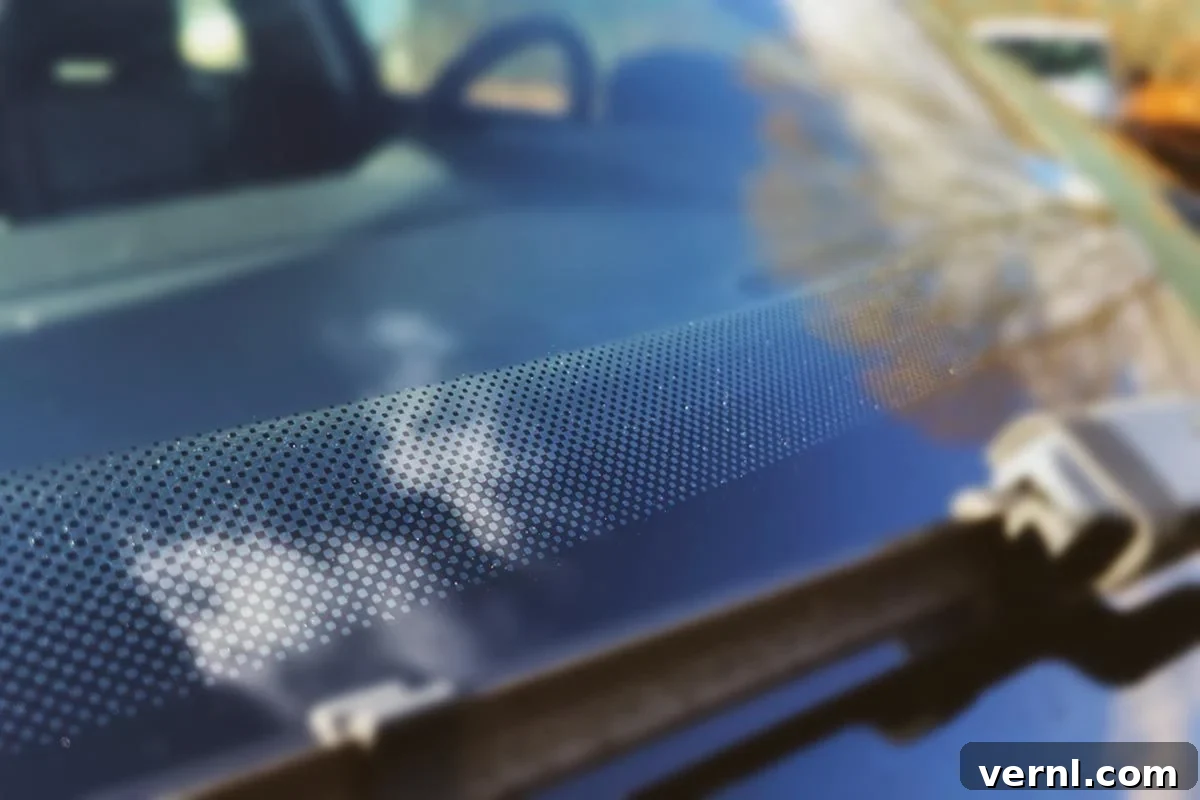
Every driver has seen them: those distinctive black dots that line the perimeter of your car’s windshield and other windows. You might have noticed them while scraping ice from your windshield on a frosty morning or simply gazing out the window during a drive. These small, often-overlooked features typically follow a discernible pattern, gradually diminishing in size and increasing in spacing as they recede into the transparent glass. For many years, these dots have sparked curiosity and speculation, leading to various theories about their purpose. Some have suggested they are part of the car’s radio antenna system, while others believed they aid in defogging or defrosting the car’s windows. However, the truth behind these intriguing little dots is far more complex and essential to your vehicle’s safety, structural integrity, and even its manufacturing process.
Before delving into the specific functions of the dots, it’s crucial to understand their origin. These dots don’t appear randomly; they emanate from a solid black border known as a “frit.” The frit itself is not merely a paint application but a ceramic enamel band that is baked directly onto both sides of the window’s edges during the glass manufacturing process. This integration makes the frit incredibly durable and virtually indestructible, becoming an intrinsic part of the glass itself. But what exactly do these frits and their accompanying dots accomplish for your vehicle?
The Multifaceted Roles of Windshield Frits and Dots
The small black dots and the surrounding frit serve several critical functions that are often underestimated, contributing significantly to your vehicle’s safety, performance, and aesthetic appeal. Far from being mere decorative elements, they are integral components of modern automotive design and engineering.
-
Ensuring Structural Integrity and Adhesive Bonding
One of the primary and most vital roles of the frit is on the interior side of the window. Here, the frit creates a crucial bonding surface for the urethane-based adhesive that securely attaches the glass to the vehicle’s frame. Without the frit, the smooth glass surface would not provide an optimal grip for the adhesive, potentially compromising the strength and longevity of the bond. The ceramic enamel material of the frit offers a rougher, more porous surface compared to plain glass, which significantly enhances the adhesion properties of the glue. This robust bond is not just about keeping the windshield glass in place; it’s a fundamental aspect of your car’s structural integrity. In modern vehicles, the windshield is considered a stressed member of the car’s chassis, contributing up to 40% of the vehicle’s roof crush resistance in a rollover accident. Furthermore, airbags rely on the windshield remaining firmly in place to provide a proper surface for deployment. The frit ensures that this critical adhesive bond remains strong and reliable throughout the vehicle’s lifespan, playing an indispensable role in passenger safety.
-
Providing Essential UV Protection for Adhesives and Occupants
On the exterior side of the window, the black frit and its graduating dots act as a crucial shield against the sun’s relentless ultraviolet (UV) radiation. UV rays are notoriously damaging, and prolonged exposure can severely degrade the urethane adhesive that secures the glass to the car frame. Over time, UV radiation can cause the adhesive to dry out, become brittle, crack, and ultimately lose its bonding strength, leading to potential leaks, wind noise, and in severe cases, the detachment of the windshield during an impact. The opaque black ceramic enamel of the frit and dots effectively blocks and absorbs these harmful UV rays, protecting the adhesive from premature deterioration and extending the life of the bond. Beyond safeguarding the vehicle’s structural components, these elements also offer a measure of protection to the car’s occupants. While the dots are small, the frit itself provides a solid band of UV protection along the edges, reducing sun glare and harmful UV exposure for passengers, especially those sensitive to direct sunlight.
-
Facilitating Precise Temperature Control During Manufacturing
Another ingenious function of the frits and dots lies within the automotive glass manufacturing process itself. Before installation, windshield and other car glass pieces must be heated to extremely high temperatures and bent into their precise, complex curved shapes. This process requires incredibly uniform heating to prevent warping, stress points, or optical distortions in the finished glass. Black-painted surfaces absorb heat much faster and more efficiently than transparent glass. The solid black frit, therefore, heats up more rapidly. The graduating pattern of the dots, starting thick and becoming sparser, serves as a crucial heat distribution mechanism. This halftone pattern allows for a gradual and even dissipation of heat across the glass surface, preventing localized hot spots and ensuring that the entire pane cools down at a consistent rate. Without this precise thermal management, the glass would be prone to uneven expansion and contraction, leading to internal stresses, warping, and optical imperfections that could compromise visibility and safety. Thus, the dots are vital for producing perfectly formed, optically clear, and stress-free automotive glass.
-
Enhancing Aesthetic Appeal and Visual Transition
Beyond their practical functions, frits and dots also play a significant role in the overall aesthetic design of a vehicle. The black border of the frit serves to conceal the utilitarian, often unsightly, adhesive material that bonds the glass to the car body. Without the frit, the rough bead of glue would be visible from both the interior and exterior, detracting from the vehicle’s clean lines and polished finish. The graduating pattern of the dots further refines this concealment. Instead of an abrupt, jarring transition from an opaque black border to clear glass, the dots create a smooth, halftone fade. This “dot matrix” effect is much more pleasing to the eye, making the transition appear seamless and sophisticated. It minimizes the visual distraction that a sharp, contrasting line would create, contributing to the modern and streamlined appearance of contemporary vehicles.
-
Concealing Functional Components
Related to aesthetics, the frit and dots perform a general concealment role. They effectively hide the various clips, clamps, and other mounting hardware used during the installation of the glass, which would otherwise be visible and detract from the interior and exterior appearance of the car. This ensures a clean, finished look, maintaining the high standards of automotive design and presentation.
A Glimpse into Automotive Glass History: The Evolution of Securing Windshields
The widespread adoption of frits and advanced adhesive bonding techniques represents a significant evolution in automotive manufacturing. Prior to the widespread use of frits and direct glazing methods, older cars typically relied on rubber gaskets and metal trim to hold the windshield in place. While functional for their time, these older systems had several inherent limitations. They were often prone to water leaks and wind noise, and more critically, they offered considerably less structural integrity. In the event of a severe accident, a windshield secured solely by a gasket and trim was far more likely to pop out, failing to protect occupants and compromising the effectiveness of other safety systems like airbags. The introduction of frits and sophisticated urethane adhesives revolutionized how automotive glass is attached, transforming the windshield from a mere window into an integral structural component of the vehicle’s safety cell. This advancement has played a crucial role in improving occupant protection in collisions and rollovers.
Do All Modern Cars Feature Black Dots on Their Windshields?
In short, yes, the vast majority of modern vehicles produced over the last several decades incorporate frits and the accompanying black dots on their windshields and often on other windows as well. This technology has become an industry standard due to the compelling combination of safety, structural, and aesthetic benefits it provides. Unless you are a collector of classic cars manufactured before the widespread adoption of these techniques, it would be extremely rare to find a contemporary vehicle without these essential features. Their presence is a testament to the continuous drive for improved safety and design in the automotive industry.
Do Windshield Dots Ever Wear Off? What Happens Then?
While the frit itself is incredibly durable, being a baked-on ceramic enamel, the black dots and the frit border can indeed show signs of wear and fading over time. Factors such as prolonged exposure to harsh environmental elements – including intense sunlight, extreme temperatures, abrasive cleaning chemicals, or even frequent scraping of ice and debris – can contribute to the gradual degradation of the dot pattern. When the black dots and frit begin to wear off or fade, it’s not merely an aesthetic concern. The primary issue is the potential exposure of the underlying adhesive to the sun’s harmful UV radiation. As previously discussed, UV rays can significantly weaken the bond between the glass and the car’s frame, jeopardizing the structural integrity of the vehicle and compromising passenger safety. A compromised bond can lead to water leaks, increased wind noise, and critically, a reduced ability of the windshield to withstand impact or support airbag deployment in an accident.
If you notice that the black dots on your windshield are visibly fading, peeling, or showing other signs of significant wear, it is highly advisable to take your vehicle to a qualified auto glass specialist. These professionals can assess the extent of the damage to the frit and, more importantly, the condition of the adhesive bond. In some minor cases, they might be able to offer repair solutions that involve re-applying a protective layer or reinforcing the bond. However, in situations where the adhesive has been substantially compromised, or the damage to the frit is extensive, a full windshield replacement may be necessary to restore the vehicle’s safety and structural integrity. Proactive attention to this seemingly minor detail can prevent more serious issues down the road and ensure your vehicle remains as safe as intended.