
The Essential Guide to Diamond Blades: Selection, Types, and Optimal Usage
For anyone working in the demanding world of construction, owning a diamond blade (or several) is an absolute necessity. These indispensable tools are engineered to effortlessly slice through some of the toughest materials known to man, including concrete, asphalt, ceramic tile, brick, and natural stone. However, the sheer variety of options available can make selecting the right diamond blade a daunting task. Choosing the incorrect blade not only compromises cutting efficiency and quality but can also lead to premature blade wear, increased project costs, and even serious safety hazards.
This comprehensive guide is designed to empower construction professionals with the knowledge needed to make informed decisions when purchasing and using diamond blades. By understanding the core principles behind their design and application, you can significantly enhance your operational efficiency, extend the lifespan of your tools, and ensure superior results on every project. Let’s delve into the critical factors you must consider before making your next diamond blade purchase.
What You Must Know Before Investing in Diamond Blades
Before you commit to a particular diamond blade, asking yourself a few fundamental questions will streamline your selection process and ensure you get the best tool for the job. These questions focus on the material being cut, the equipment you’re using, and the specific cutting conditions.
What Material Will You Be Cutting? Understanding Blade Bonds
The material you intend to cut is arguably the most crucial factor in determining the appropriate diamond blade. Diamond blades aren’t just diamonds; they are complex tools where the diamonds are embedded within a metallic bond. This bond is a sophisticated mixture of various metals that holds the diamond particles securely in place on the blade’s edge. The performance of a diamond blade largely depends on how effectively this bond wears away to expose fresh, sharp diamond crystals.
Bonds are typically categorized as soft, medium, or hard, referring to their wear rate and density. It might seem counterintuitive, but for harder, denser materials like cured concrete or hard natural stone, you generally need a softer bond. Here’s why: when cutting hard materials, the diamonds experience significant friction and stress. A softer bond wears down more rapidly, allowing worn-out diamonds to be released and new, sharp diamonds to be exposed. This continuous self-sharpening action ensures consistent cutting performance and prevents the blade from glazing over. If the bond is too hard for a dense material, the diamonds will polish over rather than fracturing, leading to slow cutting, excessive heat, and premature blade failure.
Conversely, when cutting softer, more abrasive materials such as asphalt, green concrete, or soft brick, a harder bond is required. These abrasive materials would quickly erode a soft bond, causing the diamonds to be ripped out before they’ve had a chance to work effectively. A harder bond holds the diamonds more securely, allowing them to wear down gradually as they cut through the abrasive material. This ensures maximum diamond utilization and extends the blade’s life in such applications. The goal is always “proper wear” – a balance where diamonds are exposed and utilized efficiently without being lost too quickly or polishing over.
Manufacturers often indicate the intended material on the blade’s packaging, often with clear labels like “Concrete Blade,” “Asphalt Blade,” or “Tile Blade,” sometimes accompanied by illustrative images. It’s important to note that bond strength ratings can vary between manufacturers. Some may use a numerical scale (e.g., 10, 20, 30 for softer bonds; 40, 50 for harder bonds, or even 1000-5000), while others might use color coding. A general rule of thumb is: the lower the number, the softer the bond; the higher the number, the harder the bond. Always consult the manufacturer’s specifications to ensure compatibility with your specific cutting material.
What Type of Saw Are You Using? Matching RPMs for Safety and Efficiency
Every power saw operates within a specific Revolutions Per Minute (RPM) range, and crucially, every diamond blade is engineered to perform optimally within its own designated RPM range. Mismatching a blade to your saw’s RPM can lead to a host of problems, from inefficient cutting and rapid blade wear to, most critically, severe safety hazards such as blade disintegration or kickback.
Before installing any blade, always verify that its maximum safe operating RPM (often printed on the blade itself and its packaging) is compatible with or exceeds the maximum RPM of your saw. Using a blade at an RPM lower than its specification can lead to overheating and poor performance, while using it at an RPM significantly higher than specified can cause the blade to shatter, posing an extreme danger to the operator and bystanders.
Common saws that utilize diamond blades include angle grinders, concrete cut-off saws, tile saws, and masonry saws. Each has different power outputs and RPM ranges. For instance, a small angle grinder might spin at 11,000 RPM, while a large walk-behind concrete saw operates at much lower RPMs but with significantly higher torque. Always respect the tool manufacturer’s recommendations and the blade’s specifications.
Is It a Wet or Dry Saw? The Evolution of Diamond Blade Cooling
Historically, virtually all diamond blades required a continuous flow of water to prevent overheating. This was because the diamond segments were traditionally attached to the steel core using a silver solder, which has a relatively low melting point. Excessive heat would cause the solder to weaken, leading to segments detaching from the blade, rendering it useless and unsafe.
Modern diamond blade technology has largely overcome this limitation through advanced manufacturing processes, primarily laser welding. Laser-welded segments create an incredibly strong, heat-resistant bond between the diamonds and the steel core, allowing many modern blades to be marketed as “dry blades.” These blades can indeed operate without water for shorter periods and in less demanding applications.
However, it’s a critical misconception that a “dry blade” *never* benefits from water. Even laser-welded blades will perform faster, last significantly longer, and produce cleaner cuts when cooled with water. Water serves multiple vital functions: it dissipates heat, lubricates the cutting action, and, perhaps most importantly for health and safety, suppresses hazardous dust particles. For jobs requiring precision, extended cutting periods, or a clean finish, wet cutting is almost always the superior choice, even with blades rated for dry use. Always refer to the blade’s packaging for its specific wet/dry rating.
What Diameter Blade Is Needed? Matching Size to Application and Tool
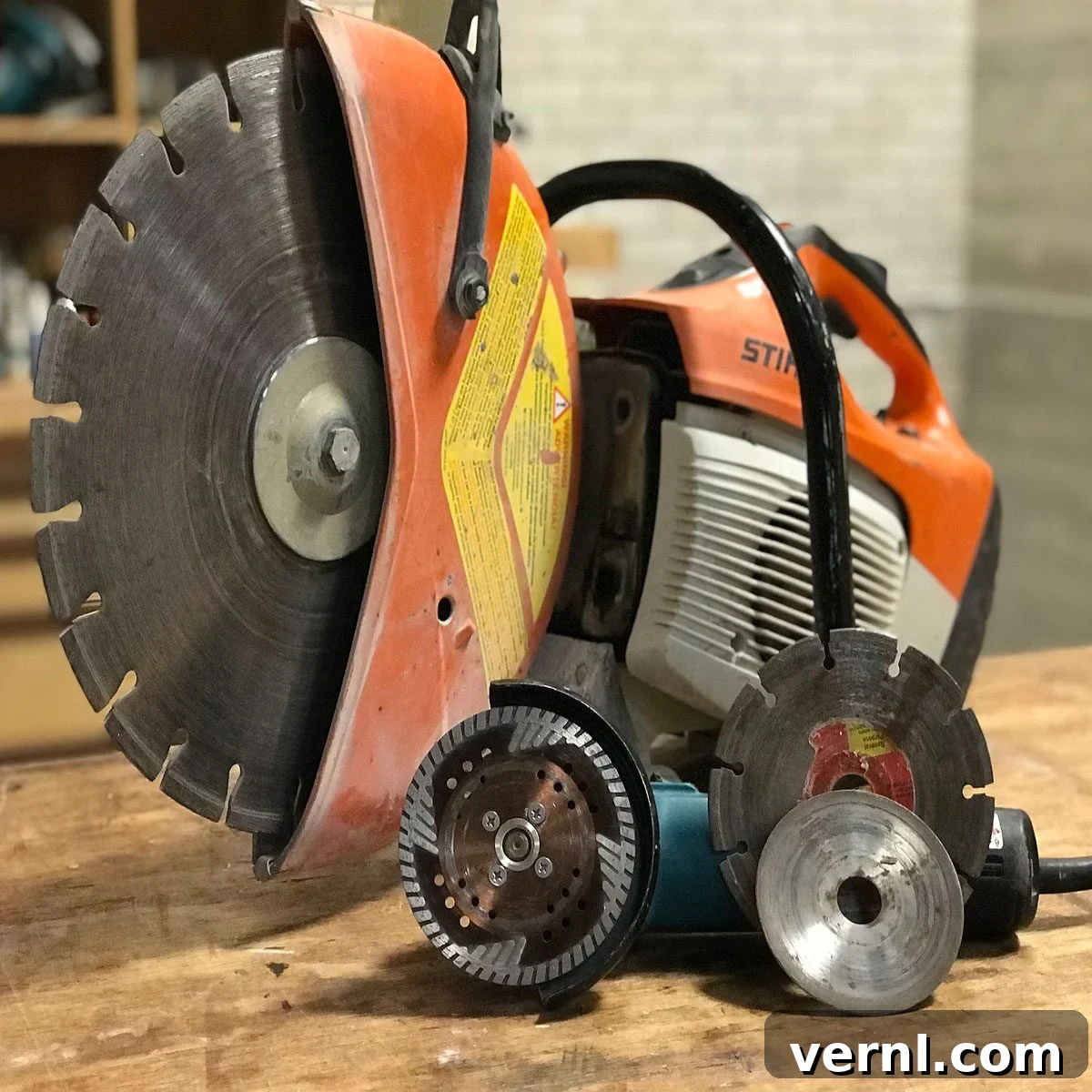
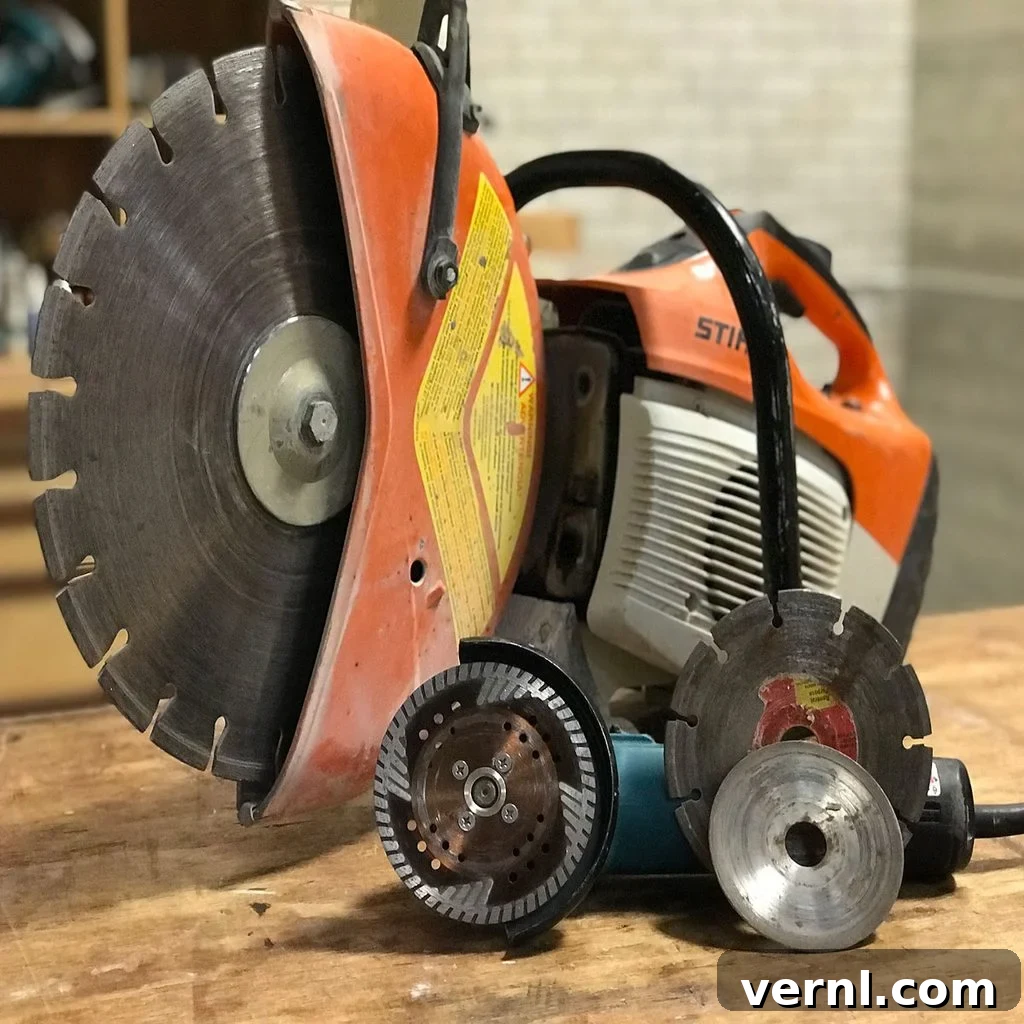
Diamond blades come in a vast array of diameters, ranging from small 4-inch blades used on angle grinders or tile saws to massive 36-inch (or larger) blades for specialized road-cutting equipment. The diameter of the blade directly influences the maximum cutting depth achievable. It is absolutely critical to always use the blade diameter that is recommended and approved by your power tool’s manufacturer. Installing a blade that is too large can exceed the saw’s safety guard capacity, create dangerous imbalances, strain the motor, and potentially lead to catastrophic failure.
Beyond the diameter, also consider the arbor hole size. This is the diameter of the hole in the center of the blade, which must perfectly match the arbor shaft of your saw. Common arbor sizes include 7/8″, 1″, 20mm, or 5/8″ depending on the tool and region. Adapters are available but should only be used if they fit securely and are approved for your specific application, as they can sometimes introduce vibration.
Understanding the common sizes and their applications can also guide your choice. Smaller blades (4-7 inches) are ideal for precision cutting, detail work, and tile installation. Mid-range blades (8-14 inches) are versatile for masonry, concrete, and general construction. Larger blades (16+ inches) are typically reserved for heavy-duty applications like large concrete slabs, asphalt roads, or demolition.
Key Types of Diamond Blades Explained
While all diamond blades share the fundamental principle of diamond abrasives doing the cutting, their physical construction varies significantly to optimize performance for different materials and desired finishes. Understanding these variations is key to selecting the most effective blade for your project.
1. Segmented Diamond Blades
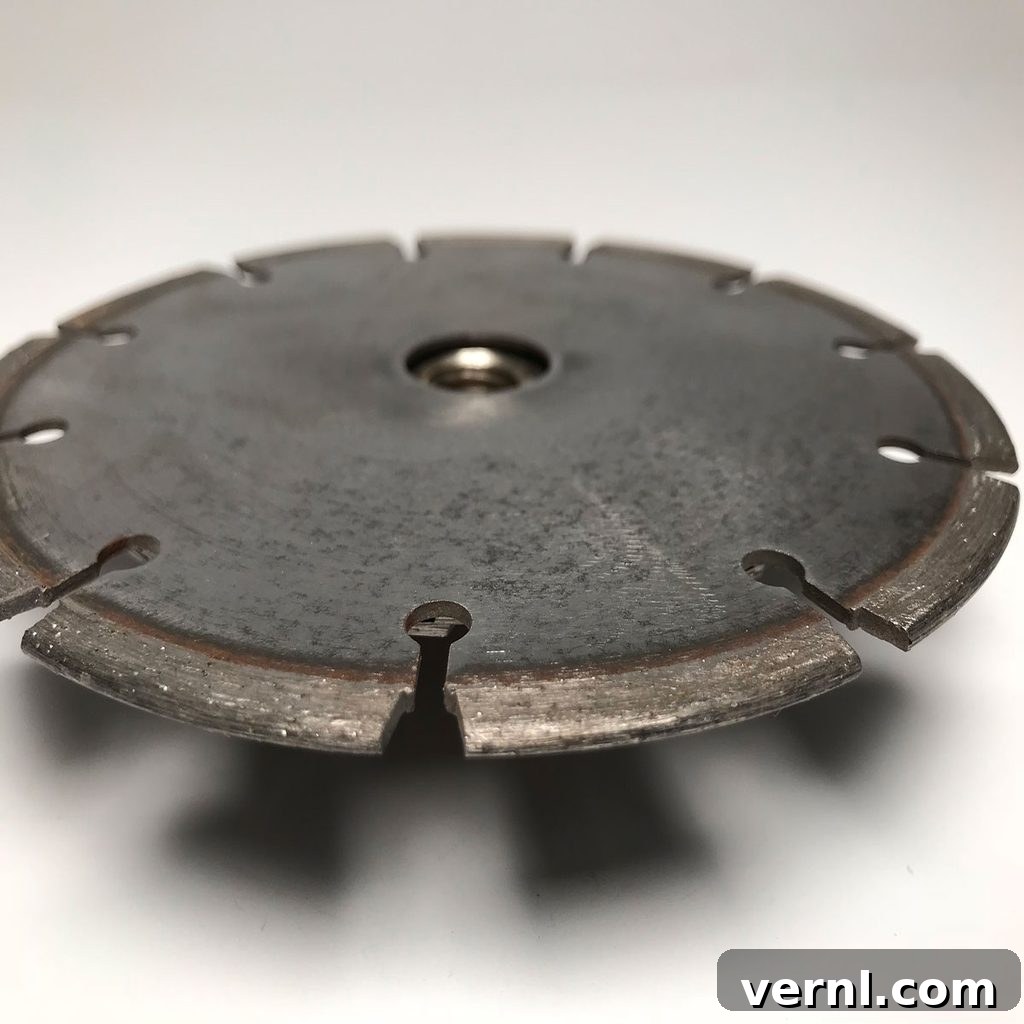
Segmented blades are arguably the most popular and versatile type of diamond blade, primarily due to their aggressive cutting action and excellent cooling capabilities. These blades feature distinct gaps or ‘gullets’ between the diamond-impregnated segments along their rim. These gullets serve several crucial purposes:
- Cooling: The segments allow air to circulate freely around the blade, which is particularly beneficial for dry cutting applications. They also help water flow more effectively during wet cutting.
- Debris Removal: As the blade spins, the gullets help to clear away cutting debris (slurry or dust), preventing it from binding the blade and maintaining efficient cutting.
- Aggressive Cutting: The segmented design often allows for more aggressive engagement with the material, making them suitable for faster cuts in tough, abrasive materials.
Segmented blades typically feature medium to hard bonds and are ideal for cutting a wide range of materials, including concrete (both green and cured), asphalt, pavers, block, and general masonry. They are excellent for rough cuts where a super-fine finish isn’t the primary concern. Variations in segment design, such as U-shaped or keyhole gullets, can further optimize debris removal and cooling for specific applications.
2. Serrated (Turbo) Diamond Blades
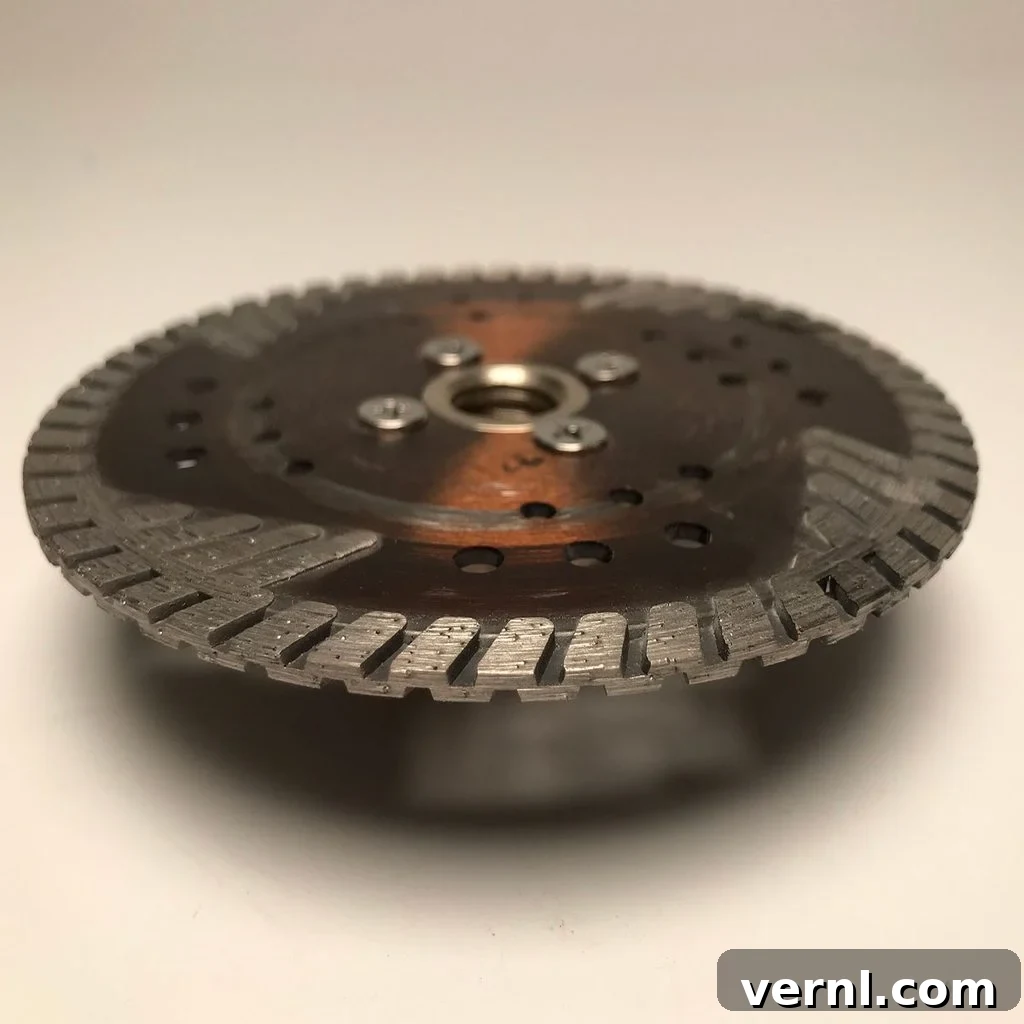
Turbo blades, also known as serrated blades, offer a unique balance between the aggressive speed of a segmented blade and the smoother finish of a continuous rim blade. Their defining characteristic is a continuous, corrugated, or “turbo” rim. This wavy edge provides a greater surface area for cooling and also helps in expelling cutting debris more efficiently than a traditional continuous rim.
The design allows turbo blades to achieve remarkably fast, smooth cuts, making them highly versatile for various materials. They can be effectively used in both wet and dry applications. With soft to medium bonds, turbo blades excel at cutting materials that require a good finish without sacrificing too much speed, such as ceramic tile, porcelain, natural stone, marble, granite, and even some types of concrete block. They are a popular choice for tile installers due to their ability to create clean edges quickly.
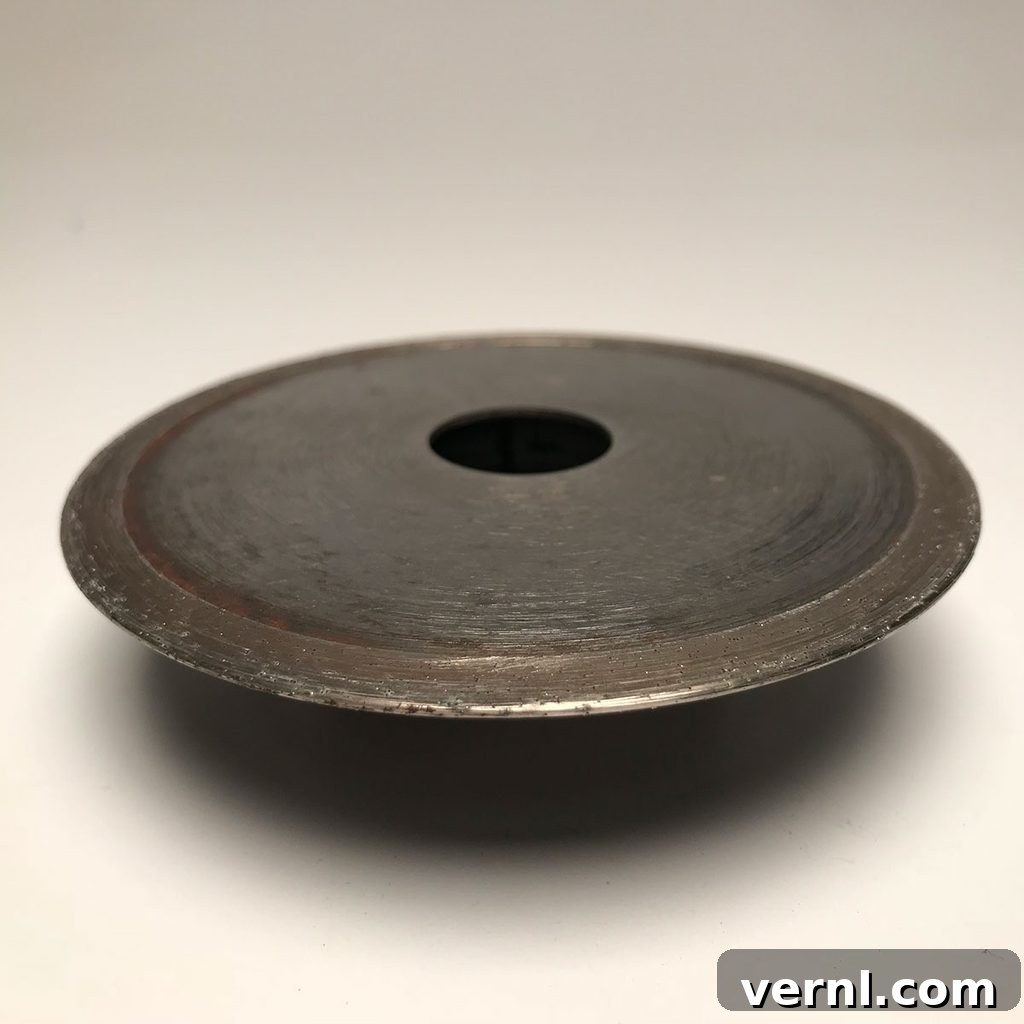
3. Continuous Rim Diamond Blades
When the absolute cleanest and smoothest cut is paramount, the continuous rim diamond blade is the undisputed champion. Unlike segmented or turbo blades, these blades feature a solid, uninterrupted diamond-impregnated rim. This design eliminates chipping and produces a very fine, chip-free edge, making them ideal for delicate materials and applications where the aesthetic finish is critical.
The trade-off for this superior finish is speed. Continuous rim blades are generally the slowest cutting of the three main types because they lack the aggressive cutting action and inherent cooling mechanisms of gulleted blades. Consequently, they almost always require a continuous supply of water to prevent overheating and maintain optimal performance. Running a continuous rim blade dry can quickly lead to glazing, burning, and premature failure.
With their softer bonds, continuous rim blades are best suited for cutting very hard, brittle materials where precision and a smooth finish are essential. Common applications include ceramic tile, porcelain, marble, granite, glass, and other delicate decorative stones. They are a staple for tile setters and stone fabricators who demand impeccable results.
Beyond the Basics: Enhancing Diamond Blade Performance and Longevity
Diamond Concentration and Segment Height
Beyond bond hardness, the concentration of diamonds within the segment and the height of the diamond segment itself also play a role in blade performance and cost. Higher diamond concentration generally means a more aggressive, longer-lasting blade, but also a higher price point. Taller segments provide more usable diamond material, extending the blade’s life, especially in demanding applications.
Proper Storage and Maintenance
To maximize the lifespan and performance of your diamond blades, proper storage and maintenance are essential. Store blades in a dry, clean environment, preferably in their original packaging or a designated storage rack, to protect them from damage and rust. Periodically inspect your blades for signs of damage, such as cracks in the core, missing segments, or excessive wear. A glazed blade can sometimes be re-dressed by making a few cuts into an abrasive material like an old concrete block or a dressing stone, which helps to expose fresh diamonds.
Knowing When to Replace Your Blade
Even the highest quality diamond blades have a finite lifespan. Key indicators that it’s time to replace a blade include:
- Slow Cutting: If your blade is cutting significantly slower than usual, it might be worn out, glazed, or has lost too many diamonds.
- Excessive Vibration or Wobble: This can indicate a damaged core or an imbalanced blade, posing a serious safety risk.
- Chipping or Poor Finish: If a blade that once produced clean cuts now causes excessive chipping, its cutting efficiency has degraded.
- Visible Core Wear: If the diamond segments are almost completely worn down and the steel core is starting to make contact with the material, the blade is at the end of its life.
- Cracks or Missing Segments: Any visible cracks in the steel core or missing diamond segments are absolute red flags, indicating the blade is unsafe and must be immediately retired.
Conclusion: Make Informed Choices for Superior Cutting Performance
Choosing the right diamond blade is not merely a matter of grabbing the first one you see; it’s a strategic decision that impacts the efficiency, quality, safety, and cost-effectiveness of your construction projects. By diligently considering the material you’re cutting, the type of saw you’re using, the need for wet or dry operation, and the appropriate blade diameter, you can unlock the full potential of these incredible tools.
Familiarizing yourself with the distinct characteristics of segmented, turbo, and continuous rim blades will further refine your selection process, ensuring you always have the perfect blade for precision, speed, or versatility. Invest wisely, maintain your tools diligently, and prioritize safety, and your diamond blades will serve as reliable workhorses for countless demanding tasks ahead.