
As bathroom fixtures continuously evolve, pushing the boundaries of comfort and hygiene, the often-misunderstood bidet is experiencing a remarkable resurgence, challenging deeply ingrained traditional notions of post-toilet personal hygiene. For decades, common across Europe, Asia, and South America, the bidet has, until recently, been a lesser-known entity in the American restroom landscape. This innovative device, specifically engineered to cleanse the posterior region with a gentle yet effective stream of water, presents itself not just as a luxurious upgrade but as an eco-friendly, economically sensible, and potentially far more hygienic alternative to the ubiquitous toilet paper. In this comprehensive article, we will embark on a journey to explore the rapidly increasing popularity of bidets across the U.S., meticulously detail their various mechanical operations, furnish a practical, step-by-step guide on their effective usage, and critically evaluate their significant economic and environmental implications. Whether you are actively contemplating an upgrade to a more sophisticated bathroom experience, driven by environmental consciousness, seeking enhanced personal cleanliness, or simply possess a curious mind eager to understand modern bathroom innovations, read on to become thoroughly acquainted with the transformative world of bidets.
What is a Bidet? Redefining Personal Hygiene
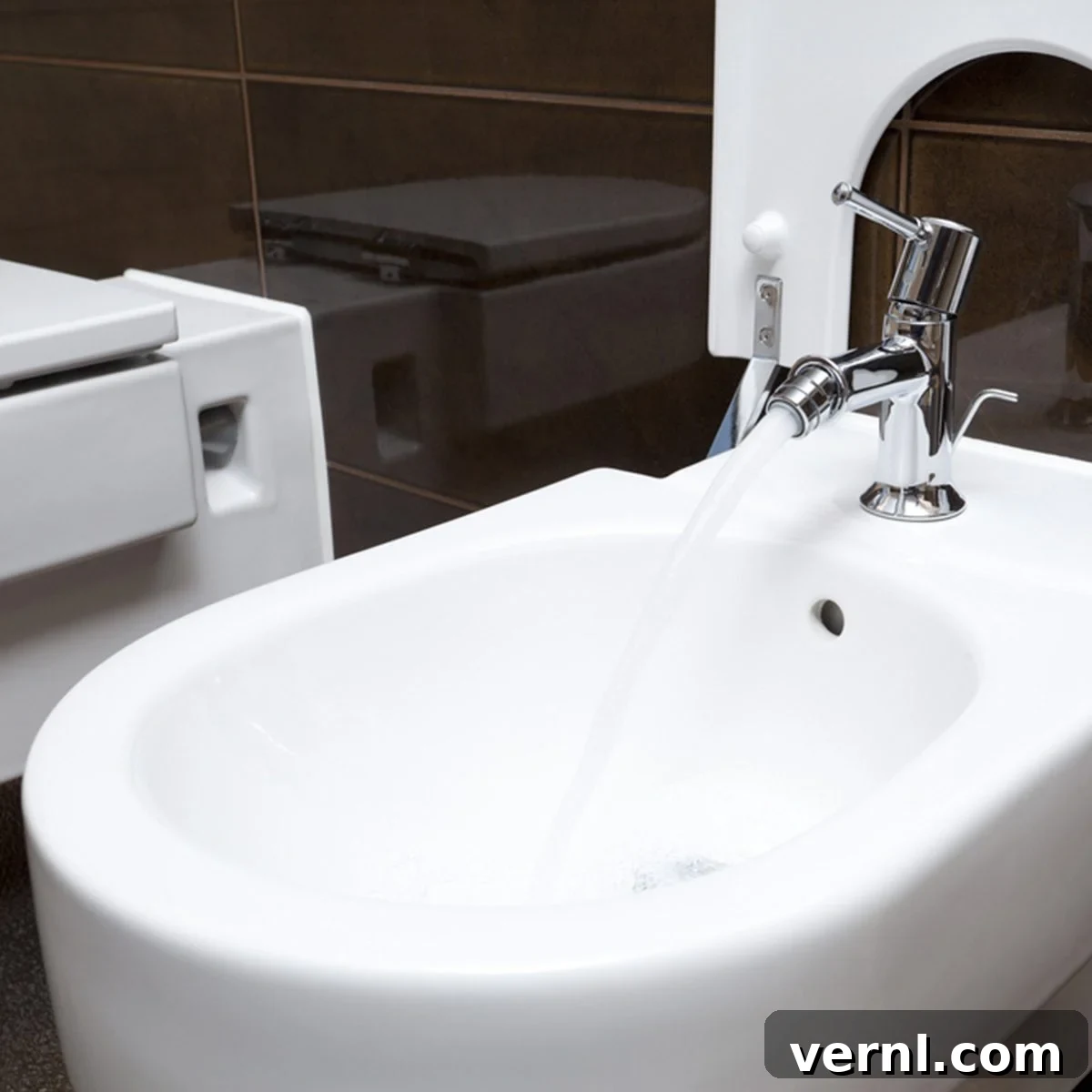
At its core, a bidet is a specialized bathroom fixture thoughtfully designed to meticulously cleanse the posterior and/or perineal area after using the toilet. Far from being a mere luxury, it represents a fundamental shift in personal hygiene practices. In stark contrast to the traditional, often less effective method of using toilet paper, which primarily involves wiping, a bidet employs a directed stream of clean water to wash the area. This water-based cleansing ensures a far more thorough, refreshing, and undeniably hygienic experience, removing residue more effectively than paper alone can.
The concept is simple yet profound: just as we wash our hands to clean them, a bidet applies the same principle to another sensitive part of the body. This approach not only enhances cleanliness but also provides a gentle touch, making it beneficial for individuals with sensitive skin, certain medical conditions, or those seeking a superior level of personal care. From stand-alone units resembling a second toilet to integrated toilet seats and handheld sprayers, bidets come in various forms, each offering a unique pathway to improved bathroom hygiene.
The Rising Tide: Growing Popularity of Bidets in the U.S.
While bidets have long been an integral part of daily life in countless households worldwide, their widespread adoption in American homes has historically been comparatively slower. However, recent, compelling trends indicate a significant and accelerating inclination towards integrating bidets into contemporary bathroom designs across the United States. This transformative shift is not a fleeting fad but a growing movement propelled by a confluence of compelling factors, each contributing to a re-evaluation of personal hygiene standards:
- Unparalleled Hygiene and Superior Cleanliness: The paramount argument for bidets lies in their ability to deliver a level of cleanliness that toilet paper simply cannot match. Advocates passionately argue that a bidet offers a dramatically more sanitary and refreshing cleaning option. Water, being a universal solvent, effectively washes away waste and bacteria, whereas toilet paper often just smears. This leads to a feeling of unparalleled freshness and can significantly reduce the potential for bacterial transmission and irritation. Many users describe the experience as feeling “shower-clean” after every use, a sensation rarely achieved with paper alone.
- Profound Eco-Friendly Impact and Sustainability Benefits: The environmental advantages of using bidets are substantial and increasingly recognized. The widespread adoption of bidets can dramatically reduce the global demand for toilet paper, which in turn leads to a significant decrease in the number of trees felled for its production. Consider the vast amount of water, energy, and chemicals used in the manufacturing, bleaching, and transportation of toilet paper – processes that leave a considerable carbon footprint. By replacing or significantly reducing toilet paper usage, bidets contribute directly to forest conservation, reduce landfill waste, and minimize industrial pollution, making them a cornerstone of sustainable living.
- Tangible Plumbing Benefits and Maintenance Savings: Beyond personal hygiene, bidets offer practical advantages for home infrastructure. One of the most common household plumbing nuisances is the dreaded toilet paper clog. Bidets virtually eliminate the possibility of these blockages, which can be costly and inconvenient, potentially saving homeowners significantly on plumbing repairs. This is particularly beneficial for homes with older plumbing systems or those reliant on septic tanks, where excessive toilet paper can lead to serious issues.
- Enhanced Health Safety and Therapeutic Advantages: In a world increasingly conscious of germ transmission, particularly in a post-pandemic era, bidets offer a critical advantage: a largely touch-free alternative to post-toilet cleansing. Considering that a significant percentage of infectious diseases can be transmitted through human touch and inadequate hand washing, the bidet’s hands-free operation reduces the risk of spreading pathogens. Furthermore, bidets offer considerable therapeutic benefits for various health conditions. They provide gentle relief for individuals suffering from hemorrhoids, anal fissures, or irritation, as the soft water spray is far less abrasive than dry toilet paper. For women, bidets can aid in maintaining optimal perineal hygiene, especially during menstruation, pregnancy, and postpartum recovery, potentially reducing the risk of urinary tract infections (UTIs) and yeast infections. For the elderly or those with limited mobility, bidets offer greater independence and dignity in personal care.
- Unmatched Comfort and a Touch of Modern Luxury: Many advanced bidet seats come equipped with features designed for ultimate comfort and luxury. Heated seats offer a warm welcome, especially during colder months. Warm water sprays, adjustable for temperature and pressure, provide a soothing and effective cleanse. Air dryers eliminate the need for paper entirely, completing the hands-free experience. These features transform a routine bathroom visit into a spa-like moment, elevating the overall quality of life.
- Accessibility and Independence for All: Bidets are empowering devices, significantly improving accessibility for individuals with physical limitations. For the elderly, those with disabilities, or individuals recovering from surgery, reaching to wipe can be challenging or impossible. Bidets restore independence, allowing users to maintain personal hygiene without assistance, thereby enhancing dignity and quality of life.
However, it is essential to approach this discussion with a balanced perspective, acknowledging the primary criticism often leveled against bidets: their water usage. Some critics argue that bidets contribute to water waste. Yet, proponents offer a compelling counter-argument, asserting that the relatively small amount of water consumed by a bidet per use is considerably less than the vast quantities of water, energy, and resources expended in the entire lifecycle of toilet paper production, from tree harvesting to manufacturing and distribution. Furthermore, many modern bidets feature highly efficient nozzles and adjustable settings, allowing users to minimize water consumption without compromising cleanliness.
How Does a Bidet Work? A Deep Dive into the Mechanisms
At its core, a bidet functions by employing a directed stream of water to cleanse after using the toilet. While the fundamental principle remains consistent, the operational mechanics and user experience can vary significantly based on the type of bidet installed. Understanding these differences is key to choosing the right bidet for your needs. Here’s a general overview of how different types of bidets operate:
- Traditional Stand-alone Bidets:
- These are separate fixtures, often installed adjacent to the toilet, bearing a striking resemblance to a toilet bowl but featuring faucets and specialized nozzles. They require their own dedicated plumbing lines for both hot and cold water.
- After completing their business on the toilet, users would transition to the stand-alone bidet, either sitting facing the controls or straddling the fixture, depending on the design and personal preference.
- The user then manually adjusts the water temperature and pressure using the faucet handles, much like a sink. A central nozzle or a rim-mounted spray mechanism directs the water upwards, ensuring a thorough and controlled clean.
- While offering excellent washing capability, their primary drawbacks include requiring extra bathroom space and the need to move from one fixture to another.
- Toilet Seat Bidets (Washlets):
- These are by far the most popular and rapidly growing category, as they are seamlessly integrated into or replace the existing toilet seat, offering a compact and convenient solution.
- They typically feature one or more retractable nozzles, usually made of stainless steel or plastic, which extend from beneath the seat when activated and spray water. Most modern washlets offer separate nozzles or adjustable settings for posterior (rear) and anterior (feminine) wash.
- The user controls the water pressure, direction, and temperature, often via an intuitive remote control (wireless or wall-mounted) or an attached side control panel. Advanced models boast an impressive array of features, including:
- Heated Seats: Providing comfort, especially in colder climates.
- Adjustable Water Temperature: For a customized and comfortable wash.
- Adjustable Water Pressure: Ranging from gentle to strong.
- Oscillating and Pulsating Sprays: For broader coverage and a massaging effect.
- Warm Air Dryer: Eliminating the need for toilet paper for drying.
- Deodorizing Functions: To neutralize odors.
- Self-Cleaning Nozzles: Automatically rinsing before and after each use for maximum hygiene.
- Night Lights: Illuminating the bowl for nighttime use.
- Memory Settings: Allowing multiple users to save their preferred wash profiles.
- Installation is relatively straightforward, often involving connecting to the existing water supply line and a nearby electrical outlet.
- Handheld Bidet Sprayers (Shattas or Douches):
- These practical and budget-friendly devices resemble a miniature handheld showerhead or kitchen sink sprayer.
- They are typically mounted on the wall adjacent to the toilet or connected directly to the toilet tank’s water supply.
- To use, the individual manually grasps the sprayer and directs the water stream to the desired area, pressing a lever or button on the sprayer head to release water.
- They offer precise control over the spray’s direction and intensity, making them versatile. Installation is usually simple, requiring minimal plumbing expertise. However, users must be mindful of potential water pressure, as some models can deliver a powerful stream, and care must be taken to avoid accidental sprays outside the bowl.
- Portable or Travel Bidets:
- Portable bidets are compact, travel-friendly devices designed for hygiene on the go. They come in various forms, from simple squeeze bottles with angled nozzles to battery-operated models.
- They store a limited amount of water (which the user fills beforehand) and, when activated (either by squeezing or pressing a button), release a directed spray.
- These are ideal for travelers, campers, or anyone who desires the cleanliness of a bidet when a fixed unit isn’t available. They are discreet, easy to pack, and offer a basic yet effective cleansing solution, ensuring personal hygiene standards are maintained even away from home.
How to Use a Bidet: A Step-by-Step Guide for First-Timers
While the prospect of using a bidet might seem daunting to a first-time user, the process is incredibly intuitive and quickly becomes second nature. Regardless of the type of bidet you encounter, the general procedure for achieving a clean and refreshing experience remains consistent. Here’s a detailed guide to help you master bidet usage:
- Complete Your Initial Toilet Business: First and foremost, use the toilet as you normally would for bowel movements or urination. Some users might choose to do a light wipe with toilet paper before using the bidet, particularly for solid waste, to remove bulk. However, many bidet users skip this step entirely, relying solely on the water for a complete cleanse.
- Proper Positioning is Key: After you’ve finished on the toilet, ensure you are comfortably positioned for the bidet’s spray. For integrated bidet seats, you simply remain seated on the toilet. For traditional stand-alone bidets, you would move from the toilet to the bidet and position yourself over it, often facing the controls. The goal is to align your posterior (or anterior, for feminine wash) with where the nozzle will spray. Most modern bidet seats offer adjustable nozzle positions, allowing you to fine-tune the spray’s target.
- Activation and Adjustment (Start Gentle!): Now, it’s time to activate the water stream. For traditional bidets, this involves turning faucet handles to control water temperature and pressure. For bidet toilet seats or handheld sprayers, you’ll typically press a button on a remote control or side panel, or squeeze a lever.
- Temperature: If your bidet offers warm water, start with a lukewarm setting and gradually adjust to your comfort. Cold water can be a bit startling initially!
- Pressure: Begin with the lowest pressure setting. The water spray can be surprisingly powerful, and it’s best to ease into it. Increase the pressure slowly until you find a comfortable and effective cleansing force. Many bidets also offer oscillating or pulsating spray options for a broader, more massaging cleanse.
- Direction: For bidet seats, you might have controls to adjust the nozzle’s position forward or backward to ensure the water hits the desired area.
- The Cleansing Rinse: Allow the water to rinse the desired areas. The duration and thoroughness of the rinse are entirely dependent on personal preference and how clean you feel. Typically, a wash lasts anywhere from 10 to 30 seconds. You’ll know you’re clean when the water running off feels clear. Resist the urge to peek or touch until you’re done!
- Drying – Your Choice of Method: Once you feel thoroughly cleansed, it’s time to dry. You have several options:
- Air Dryer: Many advanced bidet seats come with a warm air dryer feature. Simply activate it and wait for a few minutes until you are dry. This is the most eco-friendly and hands-free drying method.
- Pat Dry with Toilet Paper: If you don’t have an air dryer, or prefer a quicker dry, use a small amount of toilet paper (one or two squares) to gently pat the area dry. You’ll notice how little paper is needed compared to wiping, which significantly reduces consumption.
- Dedicated Bidet Towel: Some bidet users prefer to use a small, dedicated towel, much like a washcloth, to pat dry. These are typically kept separate from other towels and washed regularly for hygiene.
- Retraction and Post-Use Cleanup: For bidet toilet seats, the nozzle will automatically retract back into its housing after use, often undergoing a self-cleaning rinse. For handheld sprayers, ensure the water supply is turned off, and the sprayer is securely docked to prevent drips. Always ensure the area around the bidet is clean and dry after use. Regularly clean your bidet just as you would any other bathroom fixture to maintain optimal hygiene.
By embracing these simple steps, you will quickly find that using a bidet is a gentle, thorough, and highly effective way of maintaining personal hygiene after every toilet visit, leaving you feeling refreshed and genuinely clean.
The Financial Implications of Adopting Bidets: A Smart Investment
Beyond the undeniable hygiene and environmental benefits, the transition to using bidets presents a compelling economic argument that can translate into considerable financial savings over the long term. While there is an initial investment, the return on that investment often becomes clear surprisingly quickly.
Brondell, a prominent and respected manufacturer of bidets, provides insightful estimations regarding the average person’s annual expenditure on toilet paper. According to their research, an average individual in the U.S. can spend approximately $250 annually on toilet paper alone. This figure can fluctuate based on brand preference, household size, and usage habits, but it highlights a significant recurring expense that most people take for granted. Larger families or those who prefer premium, multi-ply brands might find this cost even higher.
In stark contrast, when accounting for the marginal cost of water used by a bidet, which is incredibly low, the financial landscape changes dramatically. Using a bidet could result in an annual saving of around $180 per person. Let’s break this down further:
- Reduced Toilet Paper Costs: This is the most immediate and significant saving. By virtually eliminating or drastically reducing the need for toilet paper, you cut out a recurring household expense. Over a year, this can amount to hundreds of dollars.
- Water Costs: The amount of water used by a bidet per wash is minimal, often just a few ounces. Even with daily use, the increase in your water bill is negligible, typically just a few dollars a year. For heated bidet seats, there might be a small increase in electricity costs for heating the water and the seat, but this is usually offset by the toilet paper savings.
- Plumbing Repair Savings: As previously mentioned, bidets significantly reduce the risk of toilet paper clogs. The cost of calling a plumber for a blocked toilet or a backed-up septic system can easily run into hundreds of dollars per incident. By preventing these issues, bidets offer indirect but substantial savings on potential repair bills.
- Initial Investment vs. Long-Term Gain: The upfront cost of a bidet varies widely. A basic handheld bidet sprayer can cost as little as $30-$50. A good quality non-electric bidet attachment might be $70-$150. Mid-range electric bidet seats with essential features (heated water, heated seat) typically range from $200-$400. High-end, feature-rich models can cost $500 or more. While these initial costs represent an investment, the annual savings on toilet paper alone (e.g., $180/year) mean that a mid-range bidet seat could pay for itself in just 1-3 years. After that, it’s pure savings year after year for the entire lifespan of the bidet, which can be 5-10 years or even longer.
Thus, from an economic standpoint, incorporating a bidet into your bathroom is not just a lifestyle upgrade but a shrewd financial decision that yields tangible savings over time, transforming a recurring expense into a one-time investment with a strong return.
Conclusion: Embracing a New Era of Bathroom Hygiene
Bidets, with their compelling confluence of hygienic superiority, demonstrable environmental stewardship, and quantifiable economic benefits, are undeniably at the forefront of a quiet yet profound revolution within American bathrooms. What was once considered an exotic or niche fixture is rapidly gaining mainstream acceptance, driven by an increasing societal emphasis on personal wellness, ecological sustainability, and smart consumer choices.
As with any significant household investment, potential users are encouraged to thoughtfully weigh the initial acquisition costs against the substantial, multifaceted long-term benefits and cumulative savings. From the immediate feeling of unparalleled cleanliness and refreshment to the tangible reduction in household waste and plumbing issues, the advantages extend far beyond mere convenience.
For those poised and interested in making the transformative switch to a more advanced and hygienic post-toilet routine, the market today offers an impressive and diverse array of bidet solutions. Whether your preference leans towards a simple, cost-effective handheld sprayer, a practical and easily installable bidet attachment for your existing toilet, or a luxurious, feature-rich bidet toilet seat, there is undoubtedly a product designed to cater to virtually every individual need, aesthetic preference, and budgetary constraint. Embracing the bidet is not merely an upgrade; it is a conscious decision to elevate personal hygiene, contribute to a healthier planet, and make a financially savvy choice that will continue to pay dividends for years to come. The era of the bidet in America has arrived, promising a cleaner, greener, and more comfortable future for everyone.