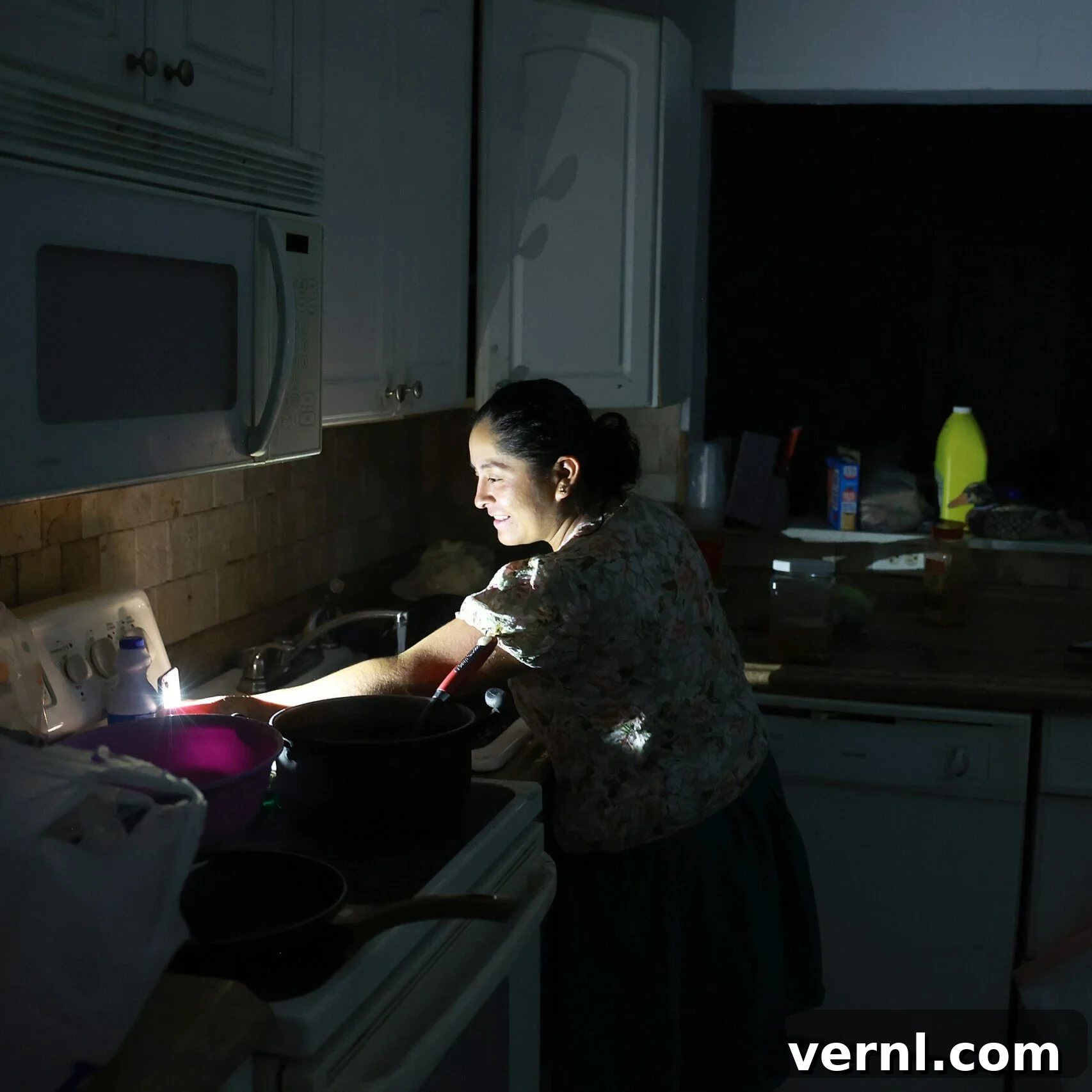
Summer brings warmth and sunshine, but in many parts of the United States, particularly the drought-prone regions of California and the Western states, it also ushers in a dangerous period for wildfires. High winds, low humidity, and tinder-dry vegetation create a perfect storm, transforming a single errant spark into a devastating inferno. These conditions pose an immense risk, leading to widespread forest destruction, extensive property damage, injuries, and tragic loss of life.
In response to this escalating threat, power companies, most notably Pacific Gas & Electric (PG&E), have increasingly adopted a critical strategy known as Public Safety Power Shutoffs (PSPS), often referred to as planned blackouts. While inconvenient for residents, these proactive shutoffs are primarily implemented for public safety, aiming to prevent utility equipment from sparking wildfires when weather conditions are extreme. Additionally, they serve to limit the utility companies’ liability for fires caused by downed or malfunctioning electrical lines.
The genesis of this preventative measure can be traced back to severe fire events. According to Katherine Blunt, author of “California Burning,” San Diego Gas & Electric (SDGE) pioneered the PSPS strategy after the catastrophic 2007 Witch Creek Fire. This single event caused a staggering $1.142 billion in damages and forced the evacuation of one million people across Southern California. While initially used sparingly, the strategy gained prominence when PG&E adopted it following a series of devastating fires that swept through California’s wine country in 2017. Blunt recalls, “In 2019, the company had its biggest PSPS, with millions of people without power for days.” Many residents, including the author, experienced the harsh realities of these extended outages. Imagine being without water in the oppressive heat of the Santa Cruz mountains because your well pump relies on electricity – a truly uncomfortable and frightening situation amidst a tinder-dry forest.
Planned blackouts have become a permanent fixture in the landscape of wildfire-prone regions. The critical questions for homeowners today are: what are the chances of future outages being as severe, and how can we effectively prepare for them? To shed light on these concerns, we consulted with leading experts in the field: Katherine Blunt, a seasoned reporter covering renewable energy and utilities; Jessica Nelson of the Golden State Power Cooperative, a voice for rural electric utilities; and Nick Barber of Prepaid Electricity, offering insights into energy management.
Understanding Public Safety Power Shutoffs (PSPS)
A Public Safety Power Shutoff (PSPS) is a strategic, proactive measure undertaken by utility companies to de-energize power lines in specific areas. This decision is not made lightly; it follows rigorous monitoring of weather reports and is instituted when dangerously high winds, extremely dry vegetation, and low humidity create a severe fire risk, often coinciding with “Red Flag Warnings” issued by weather authorities. During a PSPS event, utilities temporarily cut electrical service to homes and businesses within the identified high-risk areas. Crucially, residents are typically warned in advance of an impending shutoff, allowing them time to prepare. The power remains off until weather conditions significantly improve, and critically, until all affected power lines have been thoroughly inspected by ground crews, and sometimes by air, to ensure they are safe to re-energize.
Why Are Planned Blackouts Necessary?
The primary impetus behind PSPS is public safety. In an era of increasing climate change impacts, wildfires have grown more frequent, intense, and destructive. Aging electrical infrastructure, when exposed to extreme weather, can become a significant ignition source. A downed power line, a faulty piece of equipment, or even contact between vegetation and an energized line can spark a wildfire that quickly spirals out of control. PSPS aims to eliminate this risk, preventing ignitions that could lead to catastrophic fires, protect lives, and preserve property. While the inconvenience is undeniable, the alternative—a potentially devastating wildfire—carries far greater human and economic costs.
Where Do Planned Blackouts Occur?
While several California utilities regularly conduct planned blackouts, this practice is not exclusive to the Golden State. As Katherine Blunt observes, “Across the West, there’s a pretty concerted effort by most utilities to get plans in place to do this.” This regional trend reflects the widespread vulnerability to wildfires across the Western United States. However, as Jessica Nelson notes, the specific regulations governing utility operations and PSPS implementation can vary significantly from state to state.
The tragic Lahaina fire of 2023 in Hawaii, which caused immense destruction, starkly highlighted the critical need for proactive measures. Following that disaster, Hawaiian Electric swiftly moved to implement its own PSPS plan. Blunt highlights the significant public criticism Hawaiian Electric faced for not cutting power ahead of time, underscoring the growing expectation for utilities to act preventatively. Similarly, utilities in Oregon have also adopted this strategy, with Portland General Electric having initiated planned blackouts in the past. This regional expansion indicates a broader recognition of the increasing wildfire threat and the necessity of such preemptive measures.
How Long Do Planned Blackouts Typically Last?
The multi-day outage that impacted millions in 2019, while memorable, is not the standard duration for most PSPS events, though such extended periods could theoretically still occur. Nick Barber explains that “A PSPS can be of varying duration, but most tend to range from a few hours to several days, based on the intensity of the weather event and how long it takes to visually inspect and safely re-energize the power lines afterward.” It’s crucial to understand that power is not restored immediately after the hazardous weather subsides. Utilities must meticulously inspect every section of the affected electrical grid – which can span hundreds, even thousands, of miles across rugged terrain – to ensure it is safe and free from damage that could cause a new ignition. This comprehensive inspection process is time-consuming and, in some instances, can prolong outages by a day or two beyond the immediate weather event.
Utility Mitigation Efforts to Shorten Outages
Utility companies are not standing still; they are actively investing in significant mitigation efforts to reduce both the frequency and duration of PSPS events. These efforts include replacing outdated equipment with more robust, fire-resistant components, installing covered conductors, and implementing “sectionalizing” switches. These advanced switches allow utilities to isolate smaller segments of the grid, reducing the overall area an outage has to cover. By targeting shutoffs more precisely and minimizing the geographical scope, utilities can significantly reduce the time needed for inspection and, consequently, the overall length of an outage. Katherine Blunt confirms that these ongoing efforts are making it “increasingly likely that an outage will last hours rather than days,” offering a hopeful outlook for future resilience.
What Is the True Cost of Planned Blackouts?
While utility companies incur significant costs in implementing and managing PSPS events, Katherine Blunt clarifies that these specific operational costs are “not passed on to consumers.” However, this doesn’t mean consumers are immune to financial impacts. Blunt notes, “They don’t charge consumers for blackouts, but they also don’t owe you if you lose a fridge full of groceries.” The financial burden on individual households can be substantial, with the loss of perishable foods, medications requiring refrigeration, and other incidental costs of a multi-day PSPS potentially impacting households to the tune of $100 to $150 — or even more — per event, depending on its duration and the household’s preparation level.
Broader Economic and Societal Impacts
On a macro scale, the economic repercussions are far-reaching. BloomEnergy reports that the Department of Energy estimated the annual cost to U.S. businesses due to planned outages was roughly $150 billion in 2019 alone. Beyond direct financial losses, PSPS events trigger a cascade of indirect costs: lost productivity for businesses that cannot operate, disruptions to supply chains, and impacts on critical infrastructure like traffic signals and communication networks. There are also significant societal costs, including increased stress and anxiety among residents, particular hardship for vulnerable populations relying on medical equipment, and the potential for foodborne illnesses due to improperly stored perishables. While a necessary evil for wildfire prevention, the cumulative costs of planned blackouts underscore the urgent need for enhanced grid resilience and proactive mitigation strategies.
Does the Government Coordinate Planned Blackouts?
While utility providers are responsible for conducting planned blackouts, robust government oversight ensures accountability and adherence to safety protocols. In California, PSPS events are closely overseen by the California Public Utilities Commission (CPUC). According to Blunt, after every PSPS event, “utilities have to submit a report saying how it went,” detailing the rationale, execution, impact, and lessons learned. Jessica Nelson further elaborates: “Each state has different regulations regarding utility operations. In California, all power utilities are required to evaluate and implement the wildfire mitigation measures that are appropriate in their service territory.” This regulatory framework ensures that utilities are not only preventing fires but also operating within a mandated structure designed for public safety and transparency.
Communication is Key: Ensuring Public Awareness
A critical component of government oversight, particularly in California, is the requirement for utilities to maintain a comprehensive communication network. The CPUC mandates that utilities warn consumers 48 to 72 hours before an anticipated PSPS event. This allows residents ample time to prepare. Utilities typically leverage multiple channels for these warnings, including traditional news media, direct notifications on their websites, social media alerts, and often, direct outreach to individual customers via cell phone calls, text messages, or email alerts. Effective and timely communication is paramount to minimizing disruption and ensuring public safety during these planned outages.
Comprehensive Preparation for a Planned Blackout
Being adequately prepared for a Public Safety Power Shutoff is not just about convenience; it’s about safety and resilience. Jessica Nelson advises, “Homeowners should prepare for a PSPS by signing up for outage alerts if their utility provides them. Make sure your emergency kit is stocked and phones, devices, and electric vehicles are charged. Have a plan if you have medical or mobility needs or if you anticipate needing to relocate to a cooling center. Contact your power company immediately if you observe vegetation in contact with power lines or broken equipment.”
Nick Barber emphasizes additional crucial steps: “For electrically powered medically dependent equipment, call your utility company—they usually have special programs for vulnerable customers to receive priority notification or assistance. If you have an energy monitoring system or smart thermostat, switch off high-energy appliances prior to the power shutdown so that you can prevent an energy spike once the power is back. And have a communications plan — a cell tower might be down too, so a battery-powered radio or other alternative communications device comes in handy.”
Your Essential PSPS Preparedness Checklist:
- Emergency Kit Essentials: Stock a kit with non-perishable food (at least a 3-day supply per person), one gallon of water per person per day, manual can opener, flashlights with extra batteries, a hand-crank or battery-powered radio, a first-aid kit, essential medications, a whistle to signal for help, and cash in small denominations.
- Power and Charging: Fully charge all cell phones, laptops, and portable power banks. Consider investing in a car charger for devices. If you have an electric vehicle, ensure it is charged.
- Lighting and Heating/Cooling: Have multiple flashlights, headlamps, and battery-operated lanterns. Avoid candles due to fire risk. For heating/cooling, consider battery-operated fans, blankets, or even a safe propane heater for temporary use (with proper ventilation).
- Food and Water Management: Fill your bathtub with water for sanitation purposes (not drinking). Keep a cooler with ice to preserve perishable foods. Minimize opening refrigerator and freezer doors. If you rely on a well pump, ensure you have an alternative water supply or backup power for the pump.
- Communication Plan: Establish a family communication plan, including an out-of-state contact person who everyone can check in with. Keep a list of emergency contacts, including your utility company, on paper. A battery-powered or hand-crank radio is vital for receiving updates if cell towers are down.
- Medical Needs: If you or a family member relies on life-support equipment or other electrically powered medical devices, contact your utility company immediately to register for medical baseline programs and priority notifications. Develop a personal backup power plan (e.g., portable battery stations, medical generators) and identify nearby facilities where you could receive care if necessary.
- Home Readiness: Ensure you know how to manually open garage doors or electric gates. Fill your car’s gas tank to ensure you have fuel for transportation and potentially to charge devices or power a generator (safely and outdoors). Turn off or unplug sensitive electronics to prevent damage from power surges when electricity is restored.
- Community Resources: Familiarize yourself with local cooling centers, charging stations, and community shelters that may be activated during extended outages.
- Long-Term Resilience: For those in high-risk areas, consider long-term solutions like home battery storage systems coupled with solar panels, or a professionally installed whole-home generator to maintain essential services during outages.
By taking these proactive steps, homeowners can significantly mitigate the challenges posed by planned blackouts, ensuring safety, comfort, and peace of mind when the power goes out.
About the Experts
- Nick Barber is the co-founder of Prepaid Electricity, a company that helps Texas consumers manage their electricity bills.
- Katherine Blunt is a reporter who covers renewable energy and utilities for The Wall Street Journal. She is the author of “CALIFORNIA BURNING: The Fall of Pacific Gas and Electric–and What It Means for America’s Power Grid.”
- Jessica Nelson is the General Manager of the Golden State Power Cooperative.
Sources
- BloomEnergy: A day without power: Outage costs for businesses; (2019)