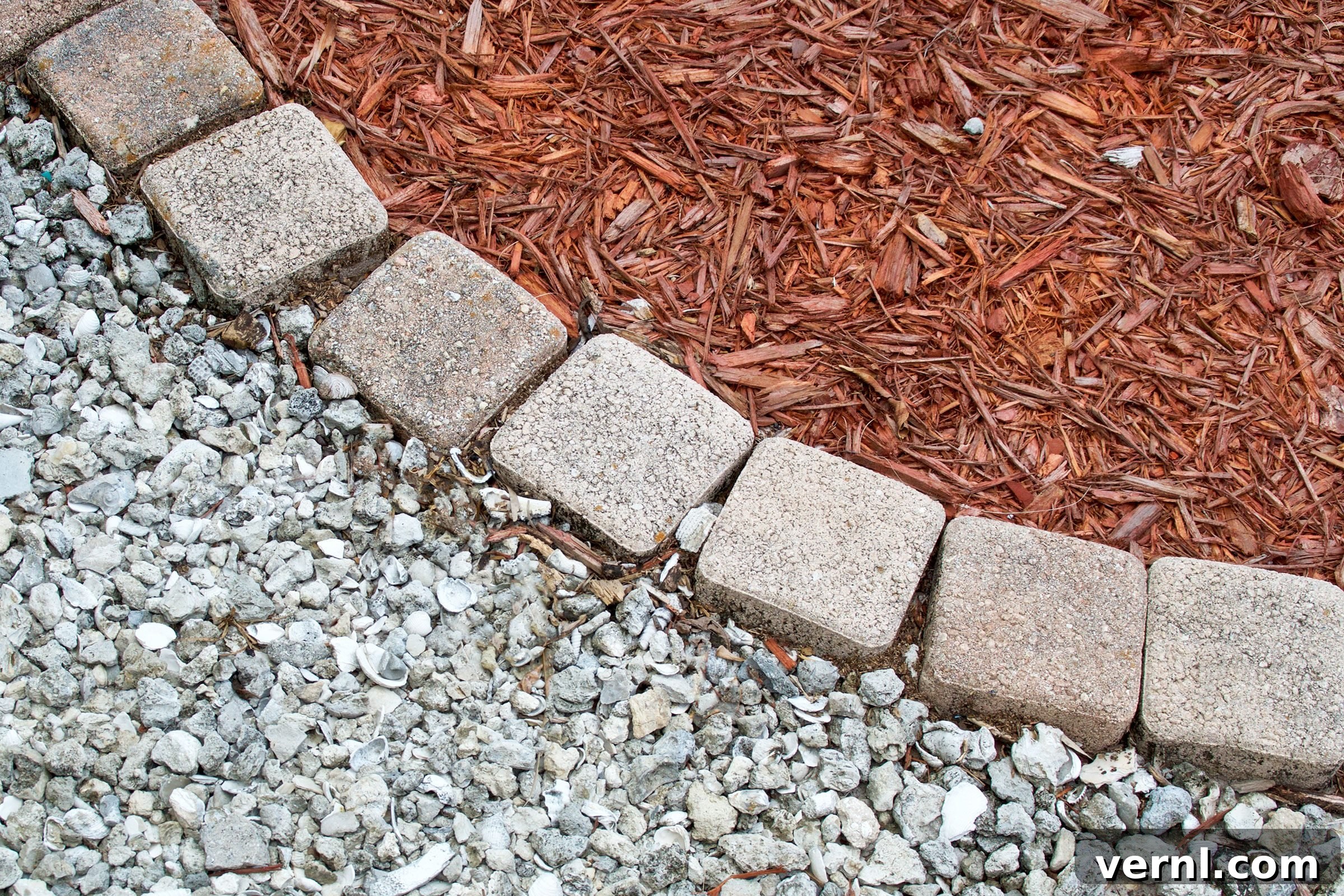
Transforming your outdoor space can be an incredibly rewarding project, and one of the most fundamental decisions you’ll face is choosing the right ground cover. For many homeowners, the debate often comes down to two popular options: organic mulch or decorative rock. Both offer distinct advantages and drawbacks, influencing everything from your landscape’s aesthetic appeal to its long-term maintenance needs. Understanding the nuances of each material is crucial for making an informed decision that aligns with your personal preferences, climate, budget, and gardening goals.
Whether you’re aiming for a lush, vibrant garden bed that nurtures plant life or a low-maintenance, modern hardscape that withstands the elements, this comprehensive guide will walk you through everything you need to know. We’ll delve into the specifics of mulch and rock landscaping, compare their costs, durability, maintenance requirements, and overall impact on your home’s curb appeal, helping you create a beautiful and practical outdoor sanctuary.
Understanding Mulch Landscaping
Mulch landscaping involves using a layer of natural, organic material to cover the soil surface in garden beds, around trees, and in various planting areas. Derived from a variety of sources such as bark, wood chips, shredded leaves, compost, straw, and even pine needles, organic mulch plays a vital role in creating a thriving garden ecosystem. It’s not just about aesthetics; it’s a powerful tool for soil health and plant vitality.
Mulch enhances your garden’s health by performing several essential functions. Firstly, it acts as a natural insulator, regulating soil temperature by keeping roots cooler in the scorching summer months and protecting them from extreme cold during winter. Secondly, it significantly aids in moisture retention, reducing surface evaporation and allowing you to water your plants less frequently, which is particularly beneficial in dry or hot climates. Lastly, a well-applied layer of mulch effectively suppresses weed growth by blocking sunlight from reaching weed seeds, dramatically cutting down on manual weeding time.
Best Suited For:
- Vibrant Garden Beds: Ideal for areas featuring flowers, shrubs, trees, and other ornamental plants where soil health and moisture retention are paramount.
- Arid or Warm Climates: Gardens in regions experiencing dry spells or high temperatures greatly benefit from mulch’s moisture-locking capabilities.
- Eco-Conscious Gardening: An excellent choice for gardeners employing sustainable practices, as it improves soil fertility and reduces the need for chemical herbicides.
- Reduced Weeding: For homeowners seeking to minimize the time spent on garden upkeep, mulch provides a natural barrier against unwanted weeds.
- Improving Soil Structure: Areas with poor soil quality can see significant improvement over time as organic mulch decomposes.
Advantages of Organic Mulch
- Exceptional Moisture Retention: Mulch acts like a sponge, absorbing water and slowly releasing it into the soil, drastically reducing water evaporation and the need for frequent irrigation. This means healthier plants with less effort.
- Nutrient Enrichment for Soil: As organic mulch naturally decomposes, it gradually breaks down, enriching the soil with vital nutrients. This process introduces essential elements like nitrogen from grass clippings and compost, phosphorus from decomposed leaves and aged manure, and potassium from bark mulch and straw, fostering a rich, fertile environment for plants.
- Superior Weed Suppression: A dense layer of mulch effectively smothers existing weeds and prevents new ones from germinating by blocking sunlight. This natural weed barrier means significantly less time spent pulling weeds, allowing your desired plants to thrive without competition.
- Optimal Temperature Regulation: Mulch serves as a fantastic natural insulator. It keeps plant roots cool and protected from extreme heat during summer and provides a warm blanket against freezing temperatures in winter. Winter mulching is especially popular in colder northern climates, safeguarding delicate root systems.
- Effortless Installation: For most homeowners, spreading bagged or bulk mulch is a straightforward DIY task. It’s relatively light, easy to transport, and can be evenly distributed with basic gardening tools, making installation quick and accessible.
- Aesthetic Appeal: Organic mulches, with their earthy textures and natural colors, offer a soft, natural, and inviting look that beautifully complements plant foliage and flowers, enhancing the visual harmony of your garden.
Disadvantages of Organic Mulch
- Potential for Over-Mulching: Applying a layer of mulch thicker than three inches can be detrimental. Excessive mulch can suffocate plant roots by reducing oxygen levels in the soil. It can also trap too much moisture, leading to root rot, and create an ideal breeding ground for pests and fungal diseases, a condition often referred to as “volcano mulching” around tree trunks.
- Timing-Sensitive Application: The optimal time for mulch application is crucial. Spreading mulch too early in the spring, before the soil has naturally warmed, can delay plant growth and bloom times. Conversely, applying it too late in the season allows weeds to establish themselves, negating one of mulch’s primary benefits.
- Attracts Unwanted Pests: The moist, shaded environment created by mulch can be a haven for various garden pests. While some, like ants and beetles, might just affect plant health, wood-based mulches, in particular, can attract termites, posing a significant risk to nearby wooden structures such as decks, fences, or even your home’s foundation.
- Regular Replenishment Required: Unlike inert materials, organic mulch decomposes over time. This natural process means it breaks down and integrates into the soil, requiring annual or biennial replenishment to maintain its protective layer and aesthetic appeal.
- Can Harbor Fungi and Mold: In consistently damp conditions, particularly with certain types of wood mulch, mold and fungi can develop. While often harmless to plants, these can be unsightly and, in rare cases, indicate excessive moisture.
- Can Wash Away or Disperse: In heavy rain or on sloped landscapes, lighter mulches like straw or fine wood chips can be prone to washing away or being scattered by wind, requiring more frequent tidying and reapplication.
Understanding Rock Landscaping
Rock landscaping, often referred to as hardscaping, incorporates various sizes, shapes, colors, and textures of gravel or decorative rocks to cover soil surfaces. Unlike organic mulches, rocks are inert and do not decompose, offering a permanent and strikingly different aesthetic to outdoor spaces. This approach creates clean, modern, and enduring landscape features that require minimal long-term upkeep.
From pea gravel for pathways to large river rocks for drainage areas or decorative boulders for focal points, rock landscaping offers incredible versatility. It’s an ideal choice for homeowners looking to establish a sophisticated, low-maintenance yard with a distinct visual appeal that stands the test of time. While it doesn’t offer the soil-enriching benefits of organic mulch, its durability and aesthetic range make it a powerful option for specific landscape applications.
Best Suited For:
- Problematic Drainage Areas: Excellent for channeling water away from foundations or in zones prone to standing water, as rocks facilitate superior drainage.
- Low-Maintenance Zones: Ideal for areas where plants are sparse or absent, such as walkways, utility areas, or decorative borders, providing a tidy and permanent ground cover.
- Fire-Prone Regions: In areas susceptible to wildfires, rock landscaping creates effective fire breaks around structures, acting as a non-combustible barrier.
- Xeriscaping Designs: A popular choice for drought-tolerant landscapes and water-wise gardening, reducing the need for irrigation.
- Modern and Minimalist Aesthetics: Perfectly complements contemporary home designs, offering a clean, structured, and sophisticated look.
- High-Traffic Pathways: Gravel or crushed rock provides durable, stable surfaces for garden paths and driveways.
Advantages of Rock Landscaping
- Exceptional Longevity and Low Maintenance: Rocks are incredibly durable and do not decompose or fade. Once installed, they will remain in place for decades, requiring minimal maintenance beyond occasional cleaning and weeding. This permanence eliminates the need for regular replenishment.
- Inherently Fireproof: For properties in wildfire-prone areas, rock landscaping serves as an invaluable fire break. Its non-combustible nature creates a protective barrier around homes and structures, enhancing safety.
- Unmatched Variety and Customization: The options for rock landscaping are virtually endless. Homeowners can choose from an extensive palette of sizes (from fine pebbles to large boulders), shapes, and colors (cool-toned slate, warm golden sandstone, vibrant lava rock, smooth river stones, crushed granite), allowing for highly personalized and unique outdoor designs.
- Naturally Pest-Resistant: Unlike organic mulches, rocks do not provide the moisture or decaying organic matter that attracts insects, termites, and other garden pests. This makes them a superior choice for areas close to your home’s foundation or wooden structures.
- Superior Erosion Control: The weight and stability of rocks make them highly effective at preventing soil erosion, especially on sloped yards, embankments, or in areas subject to heavy rainfall runoff. They keep soil firmly in place, even in challenging terrain.
- Allergen-Friendly: For individuals sensitive to pollen or mold, rock landscaping is an excellent alternative, as it does not harbor these allergens.
Disadvantages of Rock Landscaping
- Significant Heat Retention: Rocks, particularly darker varieties, absorb and retain heat from the sun, radiating it back into the surrounding environment. This can significantly raise ground temperatures, stressing heat-sensitive plants and increasing water evaporation from the soil, potentially requiring more irrigation despite the perception of less water use. Lighter rocks reflect heat, which can also stress plants.
- No Nutritional Benefit to Plants: Unlike organic mulch, rocks are inert materials. They do not break down or add any nutrients to the soil, meaning they contribute nothing to soil fertility or microbial health. For gardens heavily reliant on plant growth, external soil amendments will be necessary.
- Potential for pH Imbalance: Depending on your region and the geological composition of the rocks, certain types can alter the soil’s pH. For example, limestone-based rocks can increase soil alkalinity, while granite may slightly increase acidity. This can be problematic for plants with specific pH requirements.
- Weed Management Challenges: While rocks don’t directly foster weed growth, seeds can easily settle into the spaces between them, germinate, and take root in accumulated dust and debris. Weeding through rocks can be more challenging and labor-intensive than through mulch, often requiring manual removal or specific tools. Landscape fabric beneath the rocks is almost essential for effective long-term weed control.
- Difficult and Labor-Intensive Removal: Once installed, moving or removing rocks, especially large quantities or heavier types like gravel, is a strenuous and time-consuming task. Whether for replanting, changing a landscape design, or accessing underground utilities, the labor involved can be substantial.
- Heavy and Challenging to Transport/Install: Rocks, especially in bulk, are considerably heavier than mulch. Transporting large quantities often requires specialized equipment or professional delivery. For DIY enthusiasts, installing rock can be physically demanding and may necessitate assistance or machinery for larger projects.
- High Initial Cost: The upfront cost of purchasing and installing decorative rock or gravel is generally higher than that of mulch, primarily due to its weight, transportation, and sometimes sourcing.
Mulch Versus Rock: Which Is the Superior Choice for Your Home?
Deciding between organic mulch and decorative rock for your landscaping involves weighing several critical factors. Each material offers unique characteristics that will impact the functionality, aesthetics, and maintenance of your outdoor space. Consider the following comparisons to determine which option best suits your specific needs and vision.
Intended Use Case
Before committing to either mulch or rock, define the primary purpose of your landscaping. Are you cultivating a vibrant, densely planted garden bed teeming with flowers and shrubs, or are you designing a minimalist, low-maintenance decorative area or a functional pathway?
Mulch excels in active plant beds. Its ability to retain moisture, regulate soil temperature, and enrich the soil with nutrients makes it an indispensable asset for promoting robust plant growth and overall garden health. However, its organic nature means it will decompose and fade over time, necessitating annual or biennial replenishment to maintain its benefits and fresh appearance.
Rocks are best suited for non-plant areas or spaces where durability and minimal biological interaction are key. Think walkways, utility zones, drainage beds, or areas designated as fire-prone breaks. Their inert nature means they won’t decompose or fade, offering a permanent solution. However, their heat-retaining properties can stress nearby plants, and installation often requires more effort due to their weight.
Availability and Variety of Options
The aesthetic possibilities and functional applications for both materials are extensive, though they cater to different design sensibilities.
Rock landscaping offers an unparalleled spectrum of choices. You can select from smooth, glossy river pebbles for a tranquil water feature look, rugged crushed granite for a naturalistic pathway, coarse lava rock for a unique texture, or elegant flagstone chips for a patio border. The diversity extends to an impressive range of colors—from cool-toned grays and blues of slate to warm, earthy reds and golds of sandstone, allowing for highly tailored designs that seamlessly integrate with your home’s architectural style and existing hardscapes.
Organic mulch, while somewhat more limited in its customization options compared to rock, still provides a good selection of textures and hues. Common choices include fine-textured shredded bark for a uniform look, chunky wood chips for a more rustic feel, light and airy straw for vegetable gardens, or nutrient-rich compost for a truly organic aesthetic. Each type of mulch offers a slightly different visual appeal, ranging from deep browns to reddish tones, all contributing to an earthy, natural charm that enhances the vitality of your garden beds.
Durability and Lifespan
Longevity is a significant factor in the mulch versus rock debate, directly impacting both maintenance frequency and long-term cost.
Rocks are the clear winner in terms of durability. Once installed, they typically last for many decades, showing little to no signs of fading, decomposition, or structural breakdown. This permanence means they rarely need replacement, offering a truly “one-and-done” solution for ground cover in appropriate settings. They stand up exceptionally well to harsh weather conditions and consistent use.
Organic mulch, by its very nature, is designed to decompose. While this breakdown enriches the soil, it also means that mulch typically needs refreshing every one to two years to maintain its desired depth, weed suppression capabilities, and aesthetic appeal. Neglecting to replenish mulch can lead to thin layers that are less effective, as well as an increased risk of mold, rot, and pest infestations, especially in consistently damp conditions.
Maintenance Requirements
The type of ground cover you choose will dictate the ongoing care your landscape demands.
Mulch landscaping generally requires more hands-on care. You’ll need to top up the layer at least once a year, particularly after heavy rains or winds have displaced some of the material. Raking out excessively decomposed layers or addressing any mold or fungus outbreaks might also be necessary. Regular monitoring for pest activity, especially with wood mulches, is also advisable.
Rock landscaping is largely considered low maintenance. Rocks do not decompose, so replenishment is virtually eliminated. However, “low maintenance” doesn’t mean “no maintenance.” Rocks still require periodic attention, primarily for weeding, which can be more challenging when roots are established between stones, and for cleaning to remove accumulated leaves, dirt, and debris that can detract from their appearance. Landscape fabric beneath rocks is crucial for minimizing weed growth.
Curb Appeal and Aesthetic
Both materials dramatically enhance curb appeal but achieve different stylistic outcomes, allowing you to tailor your landscape to your desired visual theme.
Mulch lends a soft, natural, and inviting aesthetic to garden spaces. Its organic texture and earthy tones blend seamlessly with plants, creating a lush and harmonious environment. Options like dark shredded bark or rich compost mulch provide a stunning contrast against vibrant green foliage and colorful blooms, instantly giving a garden a well-tended and finished look. It evokes a sense of natural beauty and warmth.
Rocks, on the other hand, deliver a more modern, polished, and architectural aesthetic. They are often favored in contemporary designs, xeriscaping, or minimalist landscapes, providing clean lines and a structured appearance. The wide variety of rock types allows for sophisticated palettes, from sleek monochromatic grays to dynamic blends of natural earth tones, creating a durable and striking visual statement that can dramatically elevate a home’s curb appeal with a sense of permanence and elegance.
Impact on Soil Health
The health of your soil is fundamental to plant vitality, and your choice of ground cover plays a direct role in this aspect.
Since it’s composed of organic material, mulch is a champion for soil health. As it gradually breaks down, it constantly feeds your plants with a steady supply of essential nutrients, enriching the soil’s structure, increasing microbial activity, and improving its overall fertility. It’s a game-changer for plant beds, particularly in hot or dry climates, where its moisture-locking capabilities are critical for root hydration and reducing thermal stress.
Rocks, being inert, do not decompose and thus add no organic matter or nutrients back into the earth. While a layer of rock can help retain some soil moisture by reducing direct sun exposure, it does not contribute to the soil’s biological health or fertility. Therefore, if your garden features numerous plants or if you aim to improve existing soil conditions, mulch represents a far better investment for cultivating healthy, thriving soil.
Ease of Installation
The initial effort and potential need for professional assistance can vary significantly between the two materials.
Landscaping with mulch is generally more convenient and DIY-friendly. It is significantly lighter, comes in easily manageable bags or bulk deliveries, and offers excellent coverage per volume. All you typically need to do is spread it out evenly across your garden beds with a rake and shovel. This makes it a popular choice for homeowners undertaking garden projects themselves, requiring minimal special equipment.
Rocks, however, present a different installation challenge. Their considerable weight makes them cumbersome to transport and arrange, especially in large quantities or for expansive areas. Installing rock can be labor-intensive and time-consuming, often requiring wheelbarrows, heavy-duty shovels, or even professional landscaping equipment for large stones or extensive coverage. For significant rock landscaping projects, professional help might be advisable due to the physical demands and logistical complexities.
Cost Comparison: Mulch Versus Rocks
When evaluating the financial implications of mulch versus rock, it’s essential to consider both the initial purchase price and the long-term maintenance expenses.
Mulch is typically the more budget-friendly choice upfront. Prices vary depending on the type and quality, but even premium organic mulches like cedar, cypress, or redwood are generally less expensive per cubic yard than most decorative rocks. For homeowners working with a tight initial budget, mulch offers a cost-effective solution for immediate landscape enhancement. However, remember its organic nature means recurrent costs for replenishment every 1-2 years.
Rocks have a higher initial cost, often two to three times more per volume than mulch, depending on the specific type, size, and sourcing location. Factors like transportation and professional installation for heavy materials can also add to the upfront investment. Despite this higher initial outlay, rocks prove to be more cost-effective in the long run. Their exceptional durability and permanence eliminate the recurring cost of replacement, making them a wise long-term investment for those seeking minimal future expenditure.
Frequently Asked Questions (FAQs)
Can you combine rocks and mulch in a landscape design?
Absolutely! Many homeowners successfully integrate both materials into their landscape designs, leveraging the unique benefits of each. For instance, you might use organic mulch in vibrant garden beds to nourish plants and suppress weeds, while incorporating decorative rocks for pathways, around fire pits, or as elegant borders and drainage solutions. This blended approach creates a dynamic and functional landscape, combining the best of both worlds.
Which material is better for weed prevention—mulch or rocks?
Both materials are effective at suppressing weeds, but they work differently. Organic mulch naturally prevents weeds by physically blocking sunlight from reaching weed seeds and inhibiting their germination, while also contributing to soil health. Rocks, on the other hand, are effective barriers, but for long-term weed control and to prevent weeds from rooting in accumulated debris between stones, it is highly recommended to install a high-quality landscape fabric underneath the rock layer.
Does mulch attract termites or other pests?
Some types of wood-based mulches, particularly those made from softer woods, can indeed attract termites and other moisture-loving pests like ants and beetles, as they provide an ideal moist and shaded environment. If termites are a significant concern in your area, consider using non-wood mulches such as cedar mulch (which has natural insect-repelling properties), rubber mulch, or inorganic alternatives like gravel or stone, especially in areas close to your home’s foundation.
Does mulch need to be replaced every year?
Not necessarily. While organic mulch does decompose over time, it typically doesn’t require complete replacement annually. Most homeowners find that topping up the existing layer with a fresh application every 1 to 2 years is sufficient to maintain the desired depth (generally 2-3 inches), ensure continued weed suppression, optimal moisture retention, and a fresh aesthetic. The exact frequency can depend on the type of mulch, climate, and how quickly it breaks down.
Additional Resources
- “Landscaping Pros & Cons Of Rocks Vs. Mulch,” The Davey Tree Expert Company; Kent, Ohio
- “Rock vs. Mulch In Planting Beds – Things to Consider,” Level Green Landscaping; Washington, DC