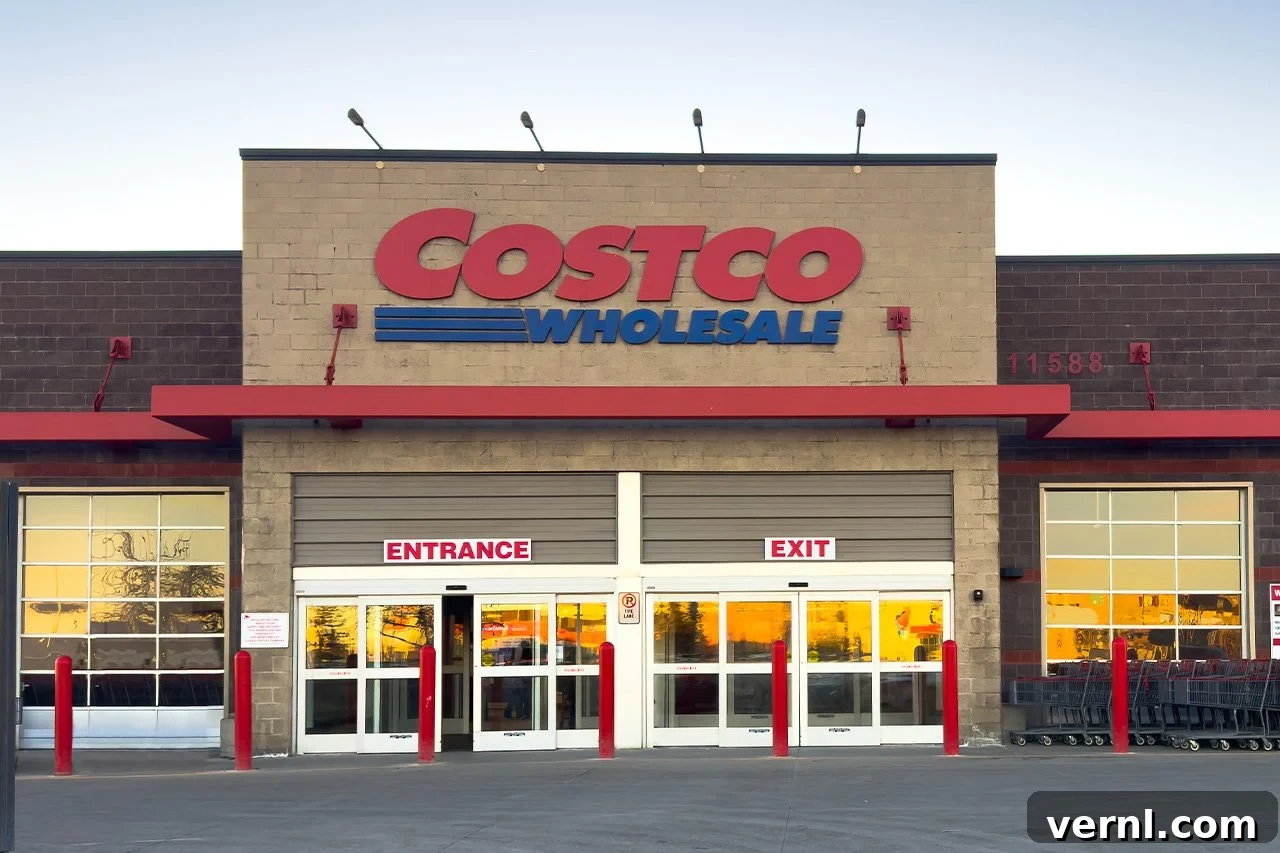
Stepping into a Costco Wholesale for the first time can be overwhelming. The warehouses are enormous, with wide aisles and high shelving that seem to go on forever. That scale makes sense: Costco is known for selling items in bulk quantities, which requires ample floor space and tall storage areas.
Despite their size, Costco warehouses are relatively quick to build. On average, the company’s straightforward warehouse design and refined construction methods allow contractors to complete a typical Costco in about 110 days once on-site construction begins. That speed comes from a combination of standardized plans, efficient construction techniques, and years of experience.
Why Costco’s Design Makes Construction Faster
One of the main reasons Costco locations go up quickly is the use of tilt-up construction. In this method, large concrete wall panels are cast horizontally on the site and then lifted into place with cranes. The buildings themselves are essentially large concrete slabs with tall concrete walls and an open interior. Compared with many other large structures—such as hotels, apartment buildings, or multi-story offices—this simple, robust form is easier and faster to assemble.
Construction crews can use the poured slab as a working surface while forming the wall panels, which improves efficiency. Tilt-up construction also allows multiple phases of work to overlap rather than being strictly sequential. For example, while exterior elements are being set, interior trades can prepare to install mechanical, electrical, and refrigeration systems as soon as the shell is secure.
Another important factor is consistency. Costco uses nearly identical floor plans across most of its warehouses. That standardization reduces the need for unique architectural designs or one-off engineering solutions at each site. Architects and contractors can reuse proven details and schedules, which shortens planning time and reduces surprises during construction.
Why a New Costco Can Still Take Longer Than It Looks
Although the 110-day figure represents the on-site build time for the warehouse itself, it does not include the full development timeline. Before construction crews ever break ground on the building, a new location typically requires zoning and land-use approvals, engineering work, utility planning, grading and drainage preparation, road improvements, and various permits. Those preconstruction steps can add months to the overall process.
Other practical considerations can also extend the schedule. Severe weather, supply chain disruptions, labor shortages, or unexpected site conditions can all slow progress. Even with an efficient building design and experienced crews, these external factors affect the pace of work.
Once the site is prepared and the structural shell is in place, progress tends to be visible and rapid. Interior systems—electrical distribution, HVAC, refrigeration for grocery and frozen goods, and general interior finishes—can be installed in parallel, speeding the path toward opening day.
Years of refinement in the design and construction approach, coupled with repeatable warehouse layouts, are the main reasons Costcos can be completed so efficiently. For local shoppers, that means less waiting before they can take advantage of features like low-priced fuel, the popular rotisserie chicken, food-court items, and the deep discounts on bulk groceries and household goods.
Sources
- Tilt-Up construction and industry references related to building with large concrete wall panels and tilt-up methods
- Reporting on Costco’s growth plans and architecture/engineering project profiles for warehouse retail projects
- Design firm and construction firm descriptions of typical Costco wholesale building projects
RELATED:
- See a Green Dot on Your Android Phone? Here’s What It Means
- If You Get a USPS Scam Text, You Need To Do This Immediately
- This Is How Often You Should Restart Your Phone