The Ultimate Guide to Kiln-Dried Firewood: Benefits, Buying & DIY Solutions
The distinct crackle and inviting warmth of a well-tended fire are among life’s simplest yet most profound pleasures. As an ardent outdoors enthusiast and long-time admirer of a cozy hearth, I’ve experienced my fair share of frustrating attempts to coax stubborn logs into flame. That was until I discovered the remarkable difference of kiln-dried firewood. What began as a tribute to my late father’s discerning taste quickly transformed into my own undeniable preference.
I recall a recent camping trip vividly: the kindling had barely begun to smolder when the surrounding logs, eager and perfectly prepared, ignited with an impressive burst. This wasn’t just an easy fire; it was by far the easiest I’d ever started, requiring no elaborate fire-starter kit, just a simple match and a well-stacked pile of wood. My father, who cherished special occasions by the fireplace in his Indianapolis home, instinctively understood the value of this premium fuel. He opted for kiln-dried firewood for its effortless ignition and impressive, sustained burn, needing less wood to achieve a spectacular blaze. He was, as in many aspects of life, absolutely right. Let’s delve into what makes kiln-dried firewood a game-changer for anyone who loves a good fire, exploring its unparalleled benefits, where to find it, and even how you might dry your own.
What Exactly Is Kiln-Dried Firewood? Understanding the Controlled Drying Process
When preparing firewood for burning, the most significant obstacle is moisture. Freshly cut wood, often referred to as “green wood,” can contain a staggering moisture content of up to 60 percent. This high water content makes it incredibly challenging to burn efficiently, leading to excessive smoke, less heat output, and a frustrating, often smoky, experience. Traditionally, such wood needs to “season” or air-dry naturally for an extended period—typically 6 to 18 months, or even longer, depending on the wood type and local climate—before it’s deemed ready for use. This conventional method involves careful stacking and protection from the elements, but it often leaves much to chance regarding consistency and the final, optimal moisture levels.
Kiln-dried firewood offers a superior alternative by bypassing this lengthy natural process. It provides a faster, more controlled, and ultimately more reliable product. After a tree is felled and the wood is split into manageable pieces, it undergoes a specialized treatment. Instead of being exposed to the unpredictable whims of nature, the wood is precisely placed within a climate-controlled chamber known as a kiln. Inside this controlled environment, the wood is subjected to consistent temperatures, typically ranging from 120 to 220 degrees Fahrenheit (approximately 49 to 104 degrees Celsius), combined with carefully managed low humidity levels. This controlled “baking” process effectively accelerates the evaporation of moisture from deep within the wood’s core.
This intensive drying process usually takes between three to six days, a dramatic reduction in drying time compared to traditional natural seasoning. The primary objective is to bring the wood’s moisture content down to below 20 percent, which is universally considered the optimal level for efficient, clean, and hot burning. To put this into perspective, freshly cut green wood starts around 60% moisture, while naturally seasoned firewood, even after diligent air-drying, often retains a moisture level closer to 30 percent. This substantial difference in moisture content is the fundamental distinction between seasoned vs. kiln-dried firewood, and it directly impacts every aspect of its performance and your overall fire-making experience. The precise control over temperature and humidity inside the kiln ensures uniformity, meaning every piece of kiln-dried wood you acquire meets the same high standard of readiness and quality.
Why Kiln-Dried Firewood Reigns Supreme: Unpacking the Myriad Benefits
Still skeptical about paying a premium for specially treated wood? The advantages of kiln-dried firewood extend far beyond mere convenience, offering a vastly superior burning experience that consistently justifies the investment. Here are the compelling attributes that make it the preferred choice for discerning fire enthusiasts, whether for a cozy indoor fireplace or a vibrant outdoor campfire:
- Effortless Ignition and Sustained Blaze: The most immediate and noticeable benefit is how incredibly easy kiln-dried wood is to light. With significantly less moisture to boil off, the wood catches fire almost instantly, transforming kindling into a vibrant, robust flame with minimal effort. This means less frustration, fewer attempts, and more immediate enjoyment of your fire. Once lit, kiln-dried wood maintains a consistent, vigorous burn, requiring less tending and allowing you to simply relax and appreciate the warmth and ambiance. Its readiness ensures a powerful start every time.
- Superior Efficiency and Potent Heat Output: Less moisture translates directly to more energy released as heat, rather than being wasted on evaporating water. Kiln-dried firewood burns far more efficiently than seasoned wood, delivering a significantly hotter fire. This means you’ll need fewer logs to achieve the desired warmth and duration, making your firewood supply last considerably longer. The more complete combustion also results in a higher BTU (British Thermal Unit) output, providing robust heat ideal for warming homes effectively or creating impressive, long-lasting campfires even in cooler conditions.
- Reduced Smoke, Odor, and Creosote Buildup: A major drawback of burning high-moisture wood is the excessive production of acrid smoke and unpleasant odors. Kiln-dried wood, with its critically low moisture content, burns much cleaner. This results in significantly less smoke, which is not only more pleasant for those gathered around the fire but also drastically reduces the accumulation of creosote within chimneys and flues. For indoor fireplaces, this means less soot, cleaner air within your home, reduced odors, and a significantly lower risk of dangerous chimney fires caused by creosote ignition. For outdoor fires, it means enjoying the natural beauty without constant eye irritation or chasing away smoke.
- Pest and Mold-Free Assurance: The high temperatures achieved inside the kiln effectively sterilize the wood, destroying residual pesticides, fungal spores, and, most importantly, killing off invasive pests and their eggs. This includes notorious tree destroyers like the emerald ash borer, Asian longhorn beetle, and various types of mold and fungi that can thrive in naturally seasoned wood. This benefit is particularly crucial for environmental reasons, as many state and national parks strictly prohibit bringing firewood from outside the immediate area to prevent the spread of these destructive pests. Kiln-dried wood, often pre-packaged and certified, frequently receives exceptions to these bans, allowing you to enjoy a safe, pest-free fire wherever your adventures take you. It also means no unwelcome guests brought into your home.
- Lighter Weight and Easier Handling: Water is heavy. By removing a significant percentage of its moisture content, kiln-dried firewood becomes noticeably lighter than its green or even seasoned counterparts. This practical benefit makes stacking, carrying, and loading logs much easier, reducing physical strain and improving overall convenience, especially when transporting bundles for camping, managing a large home delivery, or simply moving logs from your woodpile to the hearth. Tapping on a piece of kiln-dried wood often reveals a more hollow, resonant sound, indicative of its dryness and reduced density.
- Consistent Quality You Can Trust: Unlike naturally seasoned wood, whose moisture content can vary greatly depending on weather conditions, wood type, and seasoning duration, kiln-dried firewood offers guaranteed consistency. When you purchase kiln-dried wood, you can trust that it has been processed to a specific, low moisture level, typically below 20 percent, ensuring reliable and predictable performance every single time. This eliminates the guesswork, frustration, and disappointment often associated with poorly or inconsistently seasoned wood.
Understanding the Investment: The Cost of Kiln-Dried Firewood
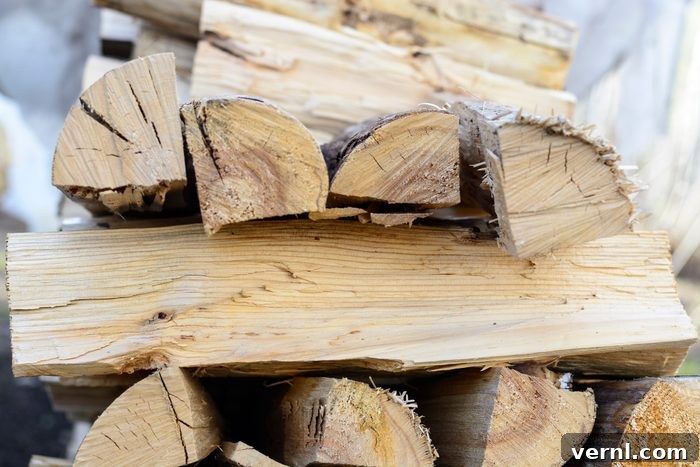
It’s an undeniable fact that kiln-dried firewood typically carries a higher price tag than naturally seasoned wood. You can generally expect to pay anywhere from 10 to 30 percent more per bundle or per cord. This additional cost is primarily attributed to several factors: the significant energy consumption required to operate the large kilns, the investment in specialized equipment, and the labor involved in the controlled drying, monitoring, and packaging processes. However, for many converts, this initial investment is quickly justified by the tangible benefits and the overall value it provides over the long term.
Consider the long-term savings and enhanced experience: because kiln-dried wood burns far more efficiently and produces a greater amount of heat, you will inherently use fewer logs to achieve the same amount of warmth and duration. This means your firewood supply will last longer, effectively offsetting a significant portion of the initial price difference over time. Furthermore, the immense convenience of easy ignition, significantly reduced smoke, and a hotter, cleaner, and more consistent burn contributes to a vastly more enjoyable and less frustrating experience. These intangible benefits add a qualitative value that is often hard to quantify in mere dollars alone, but greatly enhances the pleasure of having a fire. When comparing prices, various factors such as the specific type of wood (hardwood, for instance, typically costs more than softwood), the supplier’s geographic location, and the volume purchased (small bundles versus a full cord) will influence the final cost. While the national average for a cord of kiln-dried wood is often slightly over $500, this figure can fluctuate considerably based on regional supply and demand.
Sourcing and Storing Your Kiln-Dried Firewood for Optimal Performance
Where to Purchase High-Quality Kiln-Dried Firewood
Finding kiln-dried firewood is becoming progressively easier as its numerous benefits gain wider recognition and popularity. For smaller quantities, ideal for a weekend campfire, a few evenings by the fireplace, or for testing the product, major home improvement stores like Lowe’s and The Home Depot are excellent starting points. Always make it a point to carefully check the label to ensure it explicitly states “kiln-dried,” as many retailers may also offer conventionally seasoned wood. Certification labels from state or national agencies, when available, can also indicate adherence to specific drying standards.
For larger quantities, such as a rick (a third of a cord) or a full cord, your options may vary significantly depending on your specific geographic location. A quick and targeted online search for “kiln-dried firewood near me” or contacting local firewood suppliers and distributors is often the most effective approach. Many specialized firewood companies now offer kiln-dried options, frequently providing convenient delivery services directly to your home. When choosing a supplier for bulk purchases, it’s wise to inquire if they can provide proof of moisture content or any relevant certifications to ensure you are receiving a consistently high-quality, genuinely kiln-dried product.
Essential Storage Tips to Maintain Dryness and Prevent Re-absorption
Once you’ve made the smart investment in kiln-dried firewood, proper storage becomes absolutely crucial to maintain its low moisture content and ensure it performs exactly as expected. While it is initially dry, wood is hygroscopic, meaning it has a natural tendency to reabsorb moisture from the surrounding air if not stored correctly. Here’s how to keep your valuable firewood in pristine, ready-to-burn condition:
- Elevate Off the Ground: This is a golden rule for firewood storage. Never stack firewood directly on bare earth or damp concrete. Doing so allows moisture to wick up into the bottom layers of wood, quickly negating the entire kiln-drying process. Always use a dedicated firewood rack, robust pallets, or concrete blocks to keep the wood elevated by at least 4-6 inches. This elevation also helps to deter pests and improves air circulation beneath the pile.
- Ensure Ample Airflow: Stack logs loosely to allow for continuous and unimpeded air circulation around each piece. Avoid tightly packing the wood against solid surfaces. When stacking against a house wall, fence, or shed, always maintain a generous gap of at least two feet between the woodpile and the structure to facilitate airflow from all sides. A criss-cross stacking method, where alternate layers are stacked perpendicular to each other, can also significantly improve ventilation throughout the pile.
- Protect from Precipitation: While excellent airflow is essential, direct exposure to rain, snow, and excessive humidity will quickly reintroduce moisture into your kiln-dried wood. Always cover the top of your firewood pile. A durable tarp is a common and effective solution, but ensure it only covers the very top and drapes slightly over the sides, critically leaving the ends exposed for crucial airflow. Dedicated firewood shelters, sheds with open sides, or specialized wood boxes are ideal for maximum protection from the elements while still allowing for adequate ventilation. Avoid completely enclosing the pile, as this can trap moisture and lead to mold growth.
- Choose the Right Location: Select a storage spot that is sunny, well-drained, and airy, ideally away from perpetually damp areas or dense, shaded spots. While close proximity to your home or fireplace might seem convenient, storing wood too close can inadvertently invite pests (even if kiln-dried, secondary pests can find refuge) and contribute to moisture problems against your foundation or siding.
By diligently following these essential storage guidelines, you can ensure that every piece of kiln-dried firewood you use consistently delivers the exceptional performance, ease of ignition, and robust heat it was specifically designed for, extending its value and your enjoyment.
DIY Kiln Drying: A Project for the Avid Outdoorsman and Self-Sufficient Homeowner
For those who relish a hands-on project and frequently consume large quantities of firewood, the idea of kiln-drying your own wood can be incredibly appealing and rewarding. While commercial industrial kiln dryers are significant investments, often costing many thousands of dollars and typically reserved for large-scale businesses like Kiln-Direct, a competent and resourceful DIYer can certainly construct a functional, smaller-scale version. This approach allows for greater control over your firewood supply, guarantees peak dryness, and can prove to be a remarkably cost-effective solution in the long run, especially if you have access to raw timber.
The internet, particularly platforms like YouTube, is a treasure trove of inspiration and practical guides for DIY kilns. You’ll find innovative solutions ranging from modifying non-working refrigerators and freezers into compact drying chambers to constructing dedicated, insulated sheds designed specifically for this purpose. Regardless of the scale or materials, the core principle remains consistent: create an enclosed, insulated space where temperature and humidity can be precisely controlled to accelerate moisture removal from the wood.
Building Your Own Firewood Kiln: Key Components and Construction Steps
To embark on your DIY kiln project, consider these essential elements and steps for successful construction and operation:
- The Enclosure: Start with a robust, well-insulated box or shed. This could be a purpose-built structure (e.g., a small wooden shed with insulated walls), a repurposed large appliance (like an old, non-functioning freezer or refrigerator, thoroughly cleaned), or even a small, weather-tight garden shed modified for this specific purpose. The primary aim is to minimize heat loss and maintain a consistent internal temperature. A concrete slab or a raised wooden floor is highly recommended over bare earth to prevent ground moisture from wicking up into the drying chamber and compromising the process.
- Heat Source: The most common and readily accessible heat sources for DIY kilns are standard incandescent lightbulbs or specialized infrared heat lamps. For larger enclosures, a series of heat lamps, strategically distributed throughout the box, will provide uniform heat distribution. The overall size of your enclosure will dictate the optimal number and wattage of lamps required to reach the desired temperature range. For those with more advanced electrical wiring skills, wiring the lamps into a digital thermostat allows for precise temperature control, closely mimicking commercial operations. Always prioritize safety: ensure all wiring is properly insulated, grounded, and up to local electrical codes to prevent any fire hazards.
- Air Circulation: Heat alone is insufficient for effective drying; moisture must be actively moved away from the wood. Install small, durable fans within the kiln to aid in continuous air circulation, ensuring that warm, dry air reaches all surfaces of the wood and efficiently carries away evaporated moisture. Proper ventilation, perhaps through adjustable vents (inlet and outlet), is also crucial for exhausting humid air and drawing in drier ambient air, or, in a more controlled closed system, working in conjunction with a dehumidifier.
- Moisture Management: Alongside heating and ventilation, actively removing moisture from the air within the kiln is paramount. A reliable dehumidifier specifically designed for enclosed spaces, placed inside the chamber, can significantly speed up the drying process by actively condensing and removing water vapor from the circulating air. Ensure the dehumidifier has a drain hose or a large collection tank to minimize manual emptying.
- Monitoring Tools: To ensure effective drying without overheating or under-drying, you’ll need reliable ways to monitor the process. A simple thermometer can track air temperature. Crucially, a wood moisture meter is an indispensable tool. This pin-type device will allow you to accurately test the moisture level of your firewood by inserting probes into a few representative pieces. The drying process is considered complete when the wood consistently measures 20 percent moisture content or below across multiple samples.
The total cost for building a functional DIY kiln can often be kept well under $500, especially if you cleverly repurpose existing materials or find components on sale. Considering the potential long-term savings from drying your own wood, particularly if you have access to raw timber or a continuous supply of green logs, this investment can prove to be well worth the effort over time. It transforms the often months-long, unpredictable firewood preparation process into a controlled, efficient, and deeply satisfying operation, providing you with a consistent supply of premium, ready-to-burn fuel whenever you need it.
Conclusion: Embrace the Superiority of Kiln-Dried Firewood
From the effortless ignition that saves you time and frustration to the delivery of a hotter, cleaner, and more efficient burn, kiln-dried firewood offers an unparalleled experience for both casual campfire builders and dedicated indoor fireplace users. Its remarkable ability to eliminate invasive pests, drastically reduce bothersome smoke and creosote buildup, and provide guaranteed consistent quality makes it an unequivocally smart choice, despite its slightly higher initial cost. Whether you choose to opt for conveniently commercially purchased bundles or embark on the rewarding journey of building and operating your own DIY kiln, embracing kiln-dried firewood promises to profoundly elevate all your fire-making endeavors.
Say goodbye to the arduous struggle with damp, smoky logs and the persistent worry about pests. Instead, say hello to the pure, satisfying glow, the comforting warmth, and the cleaner air that come with a perfectly prepared fire. Just like my father discovered decades ago, and as I’ve experienced myself on countless occasions, once you truly experience the undeniable difference of kiln-dried firewood, there’s simply no going back to anything less. Light a better fire, every time.