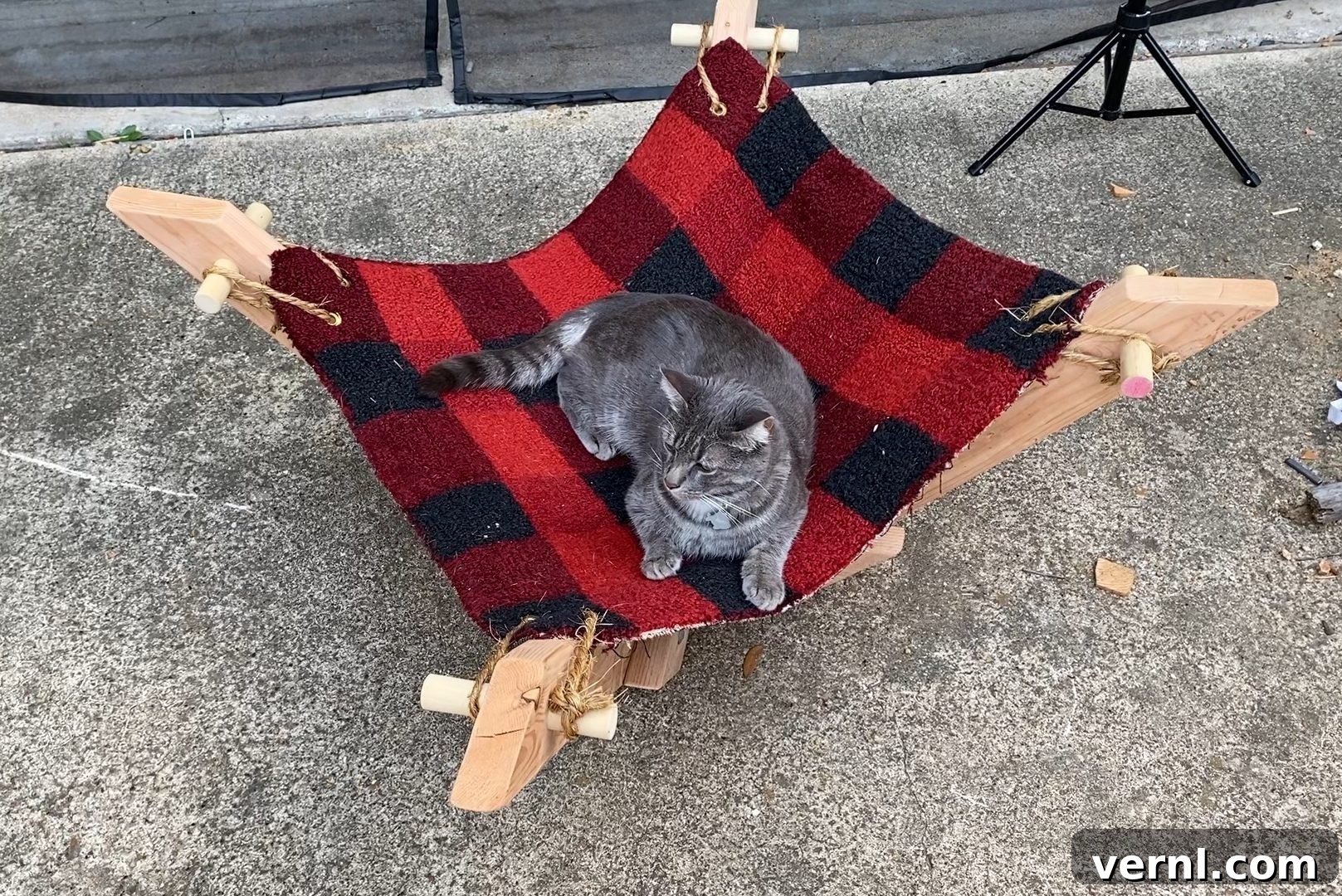
The Ultimate Guide to DIY Cat Hammocks: Crafting a Cozy Haven for Your Feline Friend
Every cat owner knows the innate charm of a feline friend seeking out the warmest, highest, and most secluded spot in the house. From sun-drenched windowsills to the top of a bookshelf, cats are natural observers, always on the lookout for a comfortable perch to survey their kingdom. What better way to cater to this instinct than by creating a personalized, snug, and stylish DIY cat hammock? This comprehensive guide will walk you through everything you need to know, from choosing the right design to the final touches, ensuring your beloved companion has the purr-fect spot to relax.
Building a cat hammock is not just a rewarding project; it’s an opportunity to provide your pet with a dedicated space that combines comfort, security, and enrichment. Forget the generic store-bought options; a DIY hammock allows for complete customization, letting you match your home decor while prioritizing your cat’s unique preferences. Get ready to embark on a fun, creative journey that culminates in a truly special retreat for your furry family member.
Why a DIY Cat Hammock is a Must-Have for Your Feline Companion
The benefits of a cat hammock extend far beyond mere aesthetics. They tap into a cat’s fundamental needs and desires, offering a multitude of advantages for both pet and owner:
- Unparalleled Comfort and Security: Cats inherently seek warmth, softness, and elevated positions where they feel safe and secure from potential “threats” on the ground. A hammock cradles them gently, providing a sense of enclosure and protection that promotes deep relaxation.
- Space-Saving Solution: Ideal for smaller homes or apartments, cat hammocks utilize vertical space, keeping valuable floor area clear. Window-mounted or under-chair designs are particularly clever for maximizing efficiency.
- Customization to Your Heart’s Content: This is where DIY truly shines! You can select fabrics that complement your interior design, choose dimensions perfect for your cat’s size, and even incorporate elements like scratching surfaces or dangling toys. The possibilities are endless, ensuring a unique piece that reflects your style and your cat’s personality.
- Cost-Effectiveness: High-quality cat furniture can be expensive. Crafting your own hammock often proves to be significantly more affordable, especially if you repurpose materials or use remnants from other projects.
- Mental and Physical Enrichment: A new vantage point stimulates your cat’s curiosity and provides a fresh perspective of their surroundings. Observing the world from a cozy hammock can reduce boredom and encourage mental activity, leading to a happier, healthier cat.
- Strengthening the Bond: There’s a special satisfaction in creating something with your own hands for a loved one. Your cat will undoubtedly appreciate the effort, and the act of providing them with such a thoughtful comfort piece can deepen the connection you share.
Exploring Different Types of DIY Cat Hammocks
Before diving into the construction, consider which type of hammock best suits your cat’s habits and your living space. Each design offers unique advantages:
- Under-Chair Hammock: This ingenious design utilizes the existing structure of a chair (often dining chairs or sturdy armchairs). It’s a fantastic space-saver and provides a discreet, den-like hideaway that many cats adore. They are typically secured to the chair legs.
- Window-Mounted Hammock: Perfect for sun-worshippers and bird-watchers, these hammocks attach directly to a window using strong suction cups or brackets. They offer prime real estate for basking in sunlight and observing outdoor activity, providing endless entertainment.
- Wall-Mounted Hammock/Shelf: For a more permanent and sturdy solution, a wall-mounted hammock can be created using sturdy shelving brackets and a fabric sling. This allows for multi-level cat “highways” and maximizes vertical space, turning a blank wall into an exciting cat playground.
- Stand-Alone Hammock: If you prefer a movable piece of furniture, a stand-alone hammock requires a self-supporting frame, often constructed from wood or PVC pipes. These can be placed anywhere in the room, offering flexibility in arrangement.
- Radiator Hammock: A seasonal favorite, especially in colder climates, these hammocks hook over radiators, providing a delightfully warm spot for cats to snooze during winter months.
Consider your cat’s size, activity level, and preferred lounging spots when making your choice. A larger, more active cat might benefit from a sturdy wall-mounted option, while a shy cat might prefer the seclusion of an under-chair design.
Choosing the Right Materials for Your Cat Hammock
The success and longevity of your DIY cat hammock depend heavily on the quality and safety of your chosen materials. Opt for durable, pet-safe, and easy-to-clean options.
Fabric Selection:
- Fleece: Incredibly soft, warm, and cozy, fleece is a top choice for cat comfort. It’s also relatively easy to work with and washes well.
- Canvas or Duck Cloth: Extremely durable and resistant to scratching, these heavy-duty fabrics are excellent for hammocks that need to withstand a lot of wear and tear.
- Denim: Repurpose old jeans for an eco-friendly and robust fabric choice. Denim is strong and stylish.
- Upholstery Fabric: Designed for durability, upholstery fabric can be a great option, often available in a wide range of patterns and textures.
- Quilting Cotton (layered): While not as sturdy as canvas on its own, layering quilting cotton with batting can create a soft yet structured hammock.
Always ensure the fabric is breathable and washable. Avoid materials that fray excessively or contain small fibers that could be ingested.
Support Structure and Fasteners:
- Wood: Plywood, pine planks, or dowels are excellent for creating sturdy frames or mounting points. Ensure wood is sanded smooth to prevent splinters.
- PVC Pipes: Lightweight and easy to cut, PVC can be a good option for stand-alone frames, especially for smaller cats.
- Metal Brackets: Essential for wall-mounted hammocks, choose heavy-duty brackets appropriate for your cat’s weight.
- Strong Rope, Straps, or Webbing: For under-chair or suspended designs, robust materials like nylon webbing, thick paracord, or strong fabric straps are crucial.
- Screws, Bolts, Washers: For secure assembly and mounting, use appropriate hardware. Ensure all fasteners are countersunk or covered to prevent injury.
- Strong Suction Cups: For window hammocks, invest in industrial-strength suction cups designed for significant weight bearing.
Tools You Might Need:
- Measuring tape and ruler
- Fabric scissors or rotary cutter
- Sewing machine (recommended for durability, but hand-sewing is possible)
- Drill and appropriate bits (for wood/wall mounting)
- Screwdriver
- Sandpaper (for wood)
- Marker or fabric chalk
Step-by-Step Tutorial: Crafting a Simple Under-Chair Cat Hammock
Let’s walk through a popular and relatively easy project: the under-chair cat hammock. This design is perfect for beginners and provides a cozy, hidden retreat.
Materials Needed:
- Durable fabric (e.g., fleece, canvas, heavy cotton) – approximately 30×30 inches (adjust for your chair/cat size)
- Matching thread
- Measuring tape
- Fabric scissors
- Sewing machine (or needle for hand-sewing)
- Pins
- An existing sturdy chair (dining chair, coffee table, etc.)
Instructions:
- Measure Your Chair and Cat:
- Measure the distance between the legs of your chosen chair. This will determine the width and length of your hammock fabric.
- Consider your cat’s size and how much “sag” you want the hammock to have. A deeper sag offers more cradling comfort.
- A good starting point is to measure the widest span between two adjacent legs and the length between front and back legs. Add about 6-8 inches to each dimension for seam allowances and the loops that will go around the legs.
- Cut Your Fabric:
- Based on your measurements, cut a rectangular piece of fabric. For example, if your chair legs are 18×18 inches apart, and you want 3 inches for each loop on four sides, your fabric should be roughly 24×24 inches.
- For added durability and comfort, you can cut two identical pieces of fabric and sew them together (right sides facing, leaving a gap for turning) to create a double-layered hammock. Turn right side out and topstitch around the edges. This also hides raw edges.
- Prepare the Corners for Straps/Loops:
- At each corner of your fabric rectangle, you will create loops that will secure the hammock to the chair legs.
- Fold each corner in towards the center, creating a triangular flap.
- Measure about 3-4 inches from the corner point along each edge (depending on the thickness of your chair legs).
- From these points, cut a rectangle or square out of each corner. Alternatively, you can just fold and sew channels.
- Sew the Loops/Channels:
- Fold the raw edges of each cut-out corner in twice (about 1/2 inch each fold) and press. Stitch these hems to create clean, finished edges.
- Now, you have four “arms” or flaps extending from your main fabric square. These will form the loops.
- Fold each of these flaps over to meet the corresponding edge of the main fabric, creating a loop large enough to fit comfortably around a chair leg. Pin them in place.
- Stitch securely along the edge of the loop, reinforcing with backstitches at the beginning and end. Make sure the stitching is strong enough to bear your cat’s weight. You’re essentially creating a channel at each corner.
- Attach to the Chair:
- Slide each corner loop over a corresponding chair leg.
- Adjust the fabric so it sags comfortably in the middle, creating a deep pocket.
- Ensure the hammock is taut enough not to drag on the floor but loose enough to be cozy.
- Test for Stability: Gently press on the hammock to ensure it is secure and can hold your cat’s weight without slipping or tearing. Once satisfied, introduce your cat to their new cozy retreat!
This is a basic design; more elaborate versions might include reinforced grommets and S-hooks, or adjustable straps for different chair types. Many video tutorials are available online that demonstrate this and other designs visually, providing excellent complementary guidance.
Important Safety Considerations for Your DIY Cat Hammock
While creating a custom piece for your cat is fulfilling, safety should always be your paramount concern.
- Weight Capacity: Always ensure the materials and construction can safely support your cat’s full weight, plus a bit extra for active play or growth. Overestimate rather than underestimate.
- Stability is Key: Whether it’s wall-mounted, under-chair, or window-mounted, the hammock must be absolutely stable. Wobbly or insecure setups can scare your cat, discouraging use, or worse, cause injury. Test vigorously before allowing your cat access.
- Non-Toxic Materials: Use pet-safe fabrics, finishes, and adhesives. Cats tend to chew or lick things, so avoid any materials that could be harmful if ingested.
- Smooth Edges and Surfaces: Sand all wooden components smooth to prevent splinters. Ensure there are no sharp edges, exposed screws, or nails that could scratch or injure your cat.
- Proper Placement: Position the hammock away from high-traffic areas where it might be bumped or dislodged. If it’s a window hammock, ensure the window is secure and won’t suddenly open or close.
- Regular Inspection: Over time, wear and tear can occur. Periodically check all fasteners, fabric integrity, and structural components to ensure everything remains secure and safe.
Maintenance and Cleaning Your Cat’s New Retreat
A clean hammock is a happy hammock! Regular maintenance will keep the spot inviting for your cat and hygienic for your home.
- Washable Fabric: This is non-negotiable. Choose fabrics that can be easily removed and machine-washed. Cats shed, and their hammocks will accumulate fur, dander, and occasionally, accidents.
- Regular Vacuuming: Between washes, a quick vacuuming can remove loose fur and dust, keeping the hammock fresh.
- Check Fasteners: During cleaning or inspection, ensure all screws, suction cups, or straps are still tightly secured.
- Spot Clean as Needed: For small messes, quick spot cleaning can prevent stains from setting in.
Tips for Success and Encouraging Your Cat to Use Their New Hammock
Sometimes, even the most perfect creation needs a little encouragement for a discerning feline.
- Start Simple: Don’t try to build the most complex design first. Master a basic hammock, then move on to more intricate projects.
- Observe Your Cat: Pay attention to where your cat already loves to nap or watch the world. This can guide your design and placement choices.
- Make it Accessible: Ensure your cat can easily get into and out of the hammock. Consider their age and agility.
- Add Familiar Scents: Place a favorite blanket or toy in the hammock initially to make it smell familiar and inviting.
- Use Positive Reinforcement: Lure your cat with treats or catnip. Praise them gently when they explore or use the hammock.
- Patience is a Virtue: Some cats are immediately curious, while others take time to warm up to new things. Don’t force them; let them discover it at their own pace.
- Personalize It! Add a small, soft cushion, a dangling toy, or a cozy blanket for extra appeal.
Conclusion: A Purr-fect Project for a Happy Cat
Creating a DIY cat hammock is a rewarding project that offers immense benefits to your beloved feline friend. From providing a secure, comfortable, and elevated lounging spot to offering mental enrichment and enhancing your home’s aesthetics, a handmade hammock is a testament to your love for your pet. By following this guide, selecting appropriate materials, prioritizing safety, and adding a touch of creativity, you’re not just building a piece of cat furniture—you’re crafting a personal sanctuary where your cat can truly unwind and feel cherished.
So, gather your supplies, unleash your inner crafter, and prepare to treat your feline friend to a purr-fectly relaxing, cozy, and stylish spot they’ll adore. Enjoy the satisfaction of seeing your cat blissfully curled up in their very own custom-made haven!