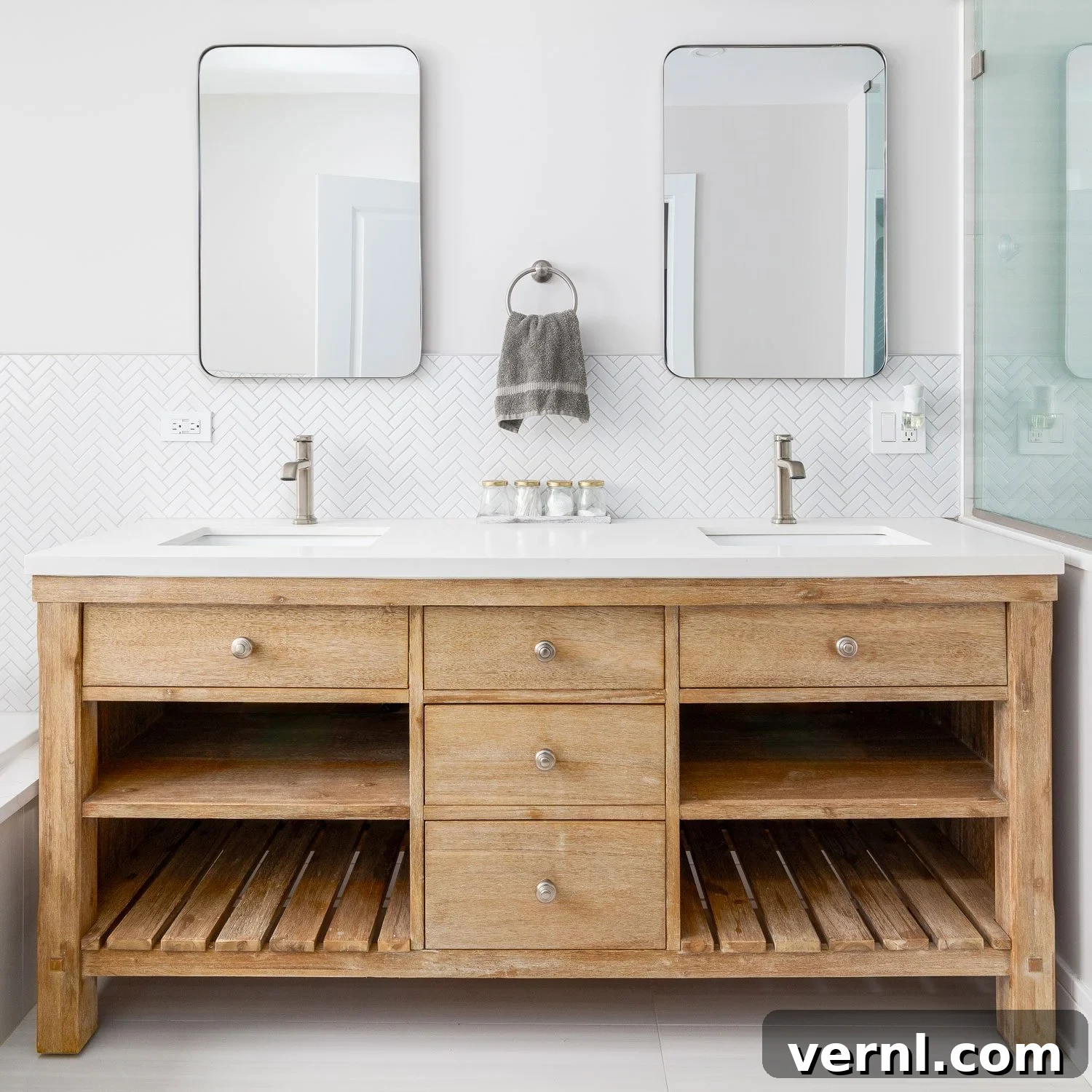
Bathroom Vanity Height: A Comprehensive Guide to Choosing the Right Size
Bathroom vanities are more than just a place to wash your hands; they’re a crucial element in your bathroom’s functionality and aesthetic appeal. These units cleverly combine the sink with storage, concealing unsightly plumbing and hiding away toiletries, and cleaning supplies. When planning a bathroom renovation, selecting the right vanity size, particularly its height, is essential. This guide delves into the various considerations, helping you choose the perfect bathroom vanity height for your space and needs.
Selecting the ideal bathroom vanity height might seem straightforward, but several factors come into play. It’s not just about finding a vanity that fits the available wall space; the height significantly impacts comfort, accessibility, and the overall look of your bathroom. Considering the height ensures your daily routines, such as handwashing and grooming, are comfortable and ergonomic, while also complementing other fixtures in the room.
Why Bathroom Vanity Height Matters
The height of your bathroom vanity significantly impacts both the usability and the visual harmony of your bathroom. Choosing the right height contributes to a more functional and aesthetically pleasing space. A poorly chosen height can make everyday tasks awkward, leading to discomfort during use. Furthermore, the vanity’s height affects the balance and proportion of the bathroom, influencing how other fixtures interact with the space.
Ensuring the vanity height suits your needs is paramount for the overall bathroom experience. Whether you’re upgrading an existing space or designing a new one, this decision plays a critical role in your bathroom’s accessibility and long-term enjoyment.
Popular Bathroom Vanity Heights: Understanding the Options
Over the years, the standard heights for bathroom vanities have evolved. Today, there’s a range of heights to accommodate various needs and preferences. Understanding these different options can help you make an informed decision when selecting your vanity.
Standard Vanity Height
In older homes, or those that haven’t been updated, the traditional bathroom vanity height often measures around 32 inches from the floor to the top of the countertop. While this height was standard for many years, it’s becoming less common in modern bathroom designs. This height might be suitable for households with younger children or for those planning for future accessibility needs, such as aging in place.
Comfort Height Vanities
As homeowners seek greater comfort and convenience, comfort-height vanities are rising in popularity. Typically, these vanities stand at around 36 inches high. This height aligns with the standard height of kitchen counters, making them more ergonomic for many adults. This height can also provide additional storage, which is helpful in smaller bathrooms where counter space is limited. Consider this height if you or your family members find themselves experiencing back pain from using lower counters, or if you prefer a more modern, accessible design.
For families with children, a sturdy step stool can be a useful accessory, bridging the height difference until the children grow taller.
Other Vanity Heights
Besides the standard and comfort heights, other options are available. For a child’s bathroom, a vanity around 30 inches tall might be suitable. For those designing an ADA-compliant bathroom, the sink countertop should be 34 inches above the floor to provide wheelchair access.
What to Consider When Choosing Your Bathroom Vanity Height
Selecting the right bathroom vanity height involves several key considerations that go beyond the simple numbers. These factors ensure your chosen vanity meets the needs of your household and complements the overall design of your bathroom.
Family Members’ Heights
The height of the users is a primary factor. If you have a large family with varying heights, you might consider an average or a height that caters to the majority. For homes with young children, a lower vanity might make it easier for them to use the sink independently. For a taller family, a comfort-height vanity could provide better ergonomic comfort.
Vessel Sinks
Vessel sinks, which sit on top of the countertop, present a specific consideration. The height of the vanity itself is crucial, as the sink’s bowl adds to the overall height. In most cases, a 32-inch-high vanity is recommended when using a vessel sink to ensure the sink’s rim is at a comfortable height, similar to a standard kitchen counter.
Plumbing and Electrical Outlets
When replacing an existing vanity, carefully check the location of plumbing and electrical outlets. If you’re switching to a taller vanity, ensure that it won’t block access to these essential elements or require significant alterations to the existing setup. Making any major plumbing or electrical changes can increase the costs and scope of your renovation.
Other Bathroom Fixtures and Accessories
The vanity’s height should be coordinated with other bathroom fixtures, such as mirrors and lighting. A taller vanity might necessitate a smaller mirror or adjustments to the lighting setup. Similarly, if you have vertical vanity lighting that meets the countertop, the vanity’s height could affect the lighting’s position and appearance.
Carefully consider all these factors to ensure the vanity fits not just your physical space but also your aesthetic preferences and daily needs.