
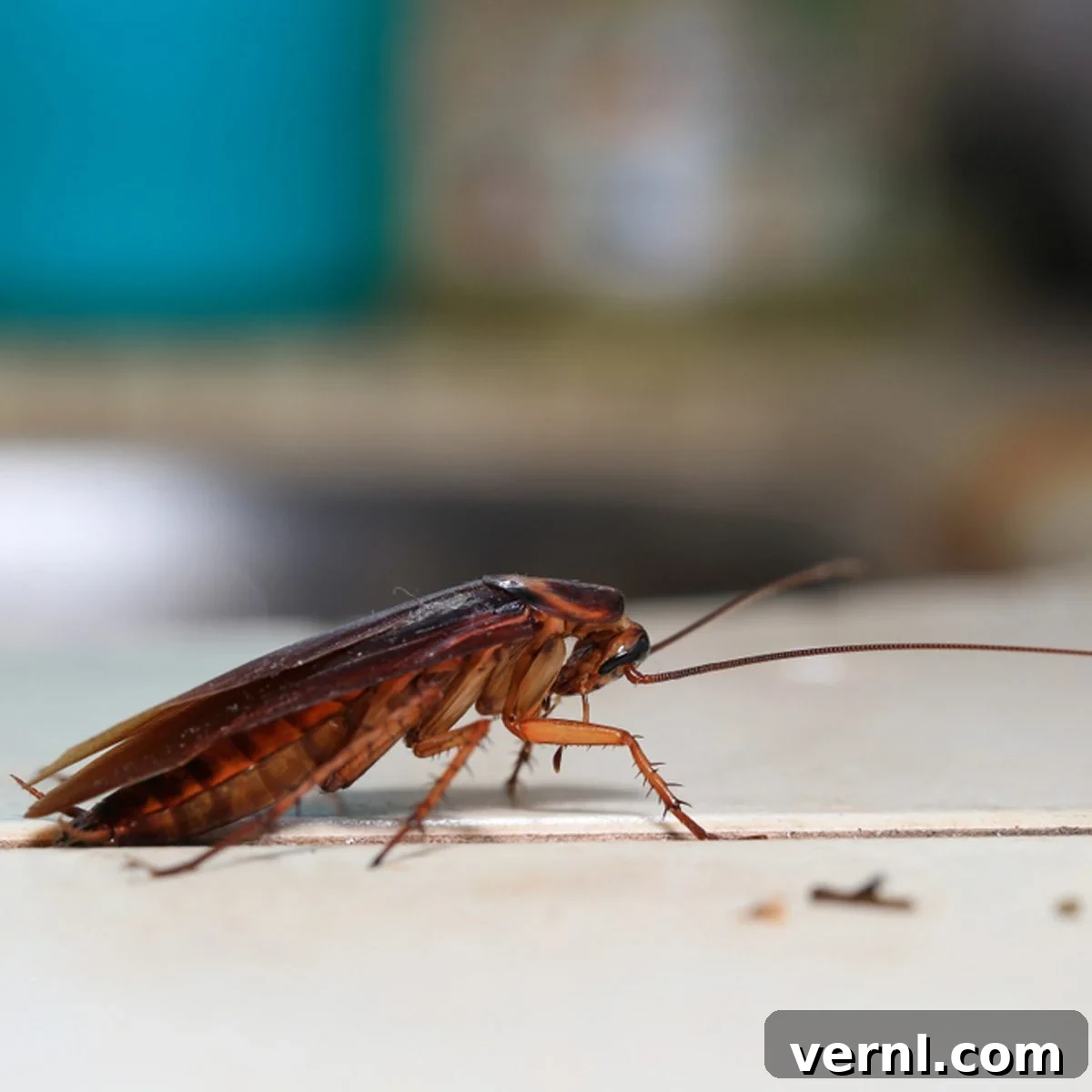
Few things are as unsettling as discovering cockroaches in your home or business. These resilient pests can rapidly multiply, turning a comfortable living or working space into an unsanitary and unpleasant environment. A significant infestation not only poses a nuisance but also carries potential health risks, making it crucial to understand the signs of their presence and the effective steps required to eliminate them permanently.
This comprehensive guide will walk you through identifying how cockroaches infiltrate your property, what attracts them, and proven methods for eradication and long-term prevention. Armed with the right knowledge, you can reclaim your space from these unwanted intruders.
How Do Cockroaches Get into Your House?
Even a pristine home can become a target for cockroaches. Their innate ability to adapt and seek out resources makes them incredibly persistent invaders. If you’ve noticed tell-tale signs of a cockroach infestation, such as mysterious droppings, an unusual musty odor, or discarded egg casings (oothecae), it’s highly likely that these pests have already found their way inside. But how exactly do these resourceful insects breach your defenses? Here are some common entry points:
- Plumbing and Utility Lines: Drains, pipes, and utility lines offer a direct highway into your home. Cockroaches are drawn to the moisture found in these areas and can easily navigate through small gaps around pipes, sewer systems, and even through open drains if not properly sealed. Leaky pipes or condensation around plumbing fixtures create ideal, damp pathways.
- Foundation and Wall Cracks: Even the smallest crack or hole in your home’s foundation, exterior walls, or around window and door frames can serve as an invitation. Cockroaches possess an incredible ability to flatten their bodies, allowing them to squeeze through openings as narrow as 1/16th of an inch, making seemingly secure structures vulnerable.
- Doors and Windows: Gaps under doorways, around window frames, or damaged weather stripping provide easy access. Cockroaches are often attracted by lights or smells emanating from inside and will exploit any available crevice to enter. Ensuring tight seals and well-maintained screens is critical.
- Hitchhiking on Bags and Packages: Cockroaches are master hitchhikers. They can stealthily conceal themselves in everyday items like grocery bags, purses, backpacks, luggage, cardboard boxes, and even delivered packages. Unknowingly, you might be bringing these pests directly into your home after a trip to the store, a vacation, or receiving a delivery.
- Contaminated Items: Bringing in used furniture, second-hand appliances, or even potted plants can introduce cockroaches. These items might harbor eggs or adult cockroaches tucked away in hidden crevices, ready to establish a new colony in your home.
- Ventilation Systems and Ducts: Air vents, exhaust fans, and heating/cooling ducts offer another network for cockroaches to move freely, especially in multi-unit dwellings. They can travel between apartments or rooms using these shared pathways.
- Adjacent Properties: In attached homes, apartments, or townhouses, cockroaches can easily migrate from an infested neighbor’s unit through shared walls, plumbing, or utility lines, seeking new food and water sources.
What Attracts Cockroaches to Your House?
Cockroaches are driven by their fundamental needs for survival and reproduction. They are constantly searching for environments that offer optimal conditions: warmth, moisture, food, and shelter. Unfortunately, human homes often inadvertently provide an abundance of these resources, making them irresistible havens for these pests. Understanding these attractions is the first step in effective control:
- Abundant Food Sources: Cockroaches are opportunistic scavengers with a diverse diet. Anything from forgotten crumbs on the floor, unwashed dishes in the sink, open food containers in the pantry, food spills on countertops, to uncovered pet food bowls or accessible garbage bins can serve as a banquet. They are particularly fond of starches, sugars, grease, and decaying organic matter.
- Essential Water and Moisture: Water is crucial for cockroach survival, and they can’t last long without it. Leaky faucets, dripping pipes, condensation around appliances (like refrigerators), standing water in sinks or bathtubs, pet water dishes, and even damp sponges or rags provide vital hydration. Areas with high humidity, such as bathrooms, kitchens, and basements, are particularly attractive.
- Ideal Shelter and Warmth: Cockroaches are nocturnal creatures that thrive in dark, secluded, and warm places where they can hide from predators and humans. Common hiding spots include the spaces behind and under appliances (refrigerators, stoves, dishwashers), inside wall voids, cluttered areas, cardboard boxes, cabinets, drawers, and under sinks. They prefer temperatures between 70-85°F (21-29°C), which is often the ambient temperature inside homes.
- Clutter and Debris: Piles of newspapers, magazines, cardboard boxes, or general clutter create numerous hiding spots and breeding grounds. These areas offer protection and a sense of security, allowing cockroach populations to flourish undisturbed.
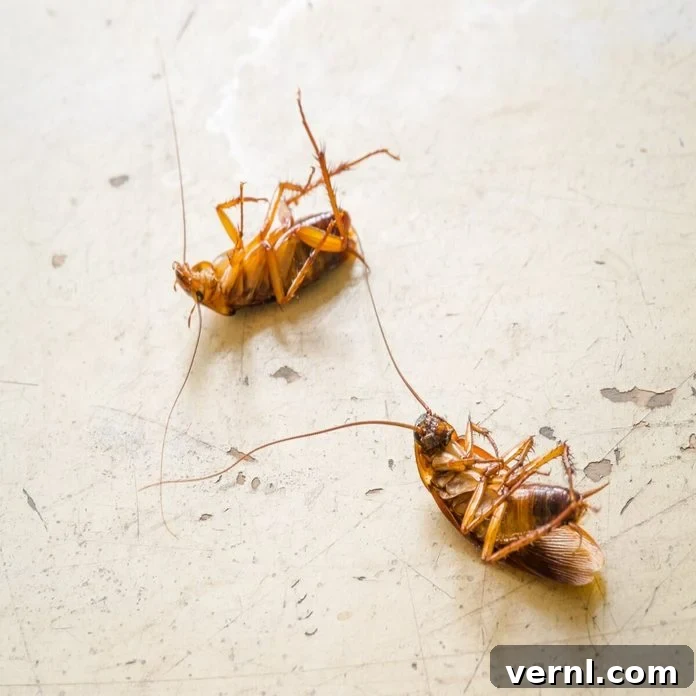
How to Get Rid of Cockroaches Effectively
Once you’ve confirmed a cockroach presence, swift and decisive action is paramount. Cockroaches pose significant health risks, carrying bacteria, pathogens, and allergens that can exacerbate asthma and allergies, especially in children. Their unsanitary habits and rapid breeding cycle necessitate a multi-pronged approach to eradicate them. The goal is not just to kill visible cockroaches but to eliminate their ideal environment and disrupt their life cycle. Here are proven methods:
1. Implement Rigorous Cleaning and Sanitation
- Deep Clean Regularly: Cockroaches are primarily attracted to food and filth. Begin by thoroughly cleaning your entire home. Mop and vacuum floors regularly, paying close attention to corners, under appliances, and along baseboards.
- Eliminate Food Sources: Wipe down counters, clean up spills immediately, and wash dirty dishes right after use. Store all food, including pet food, in airtight containers. Do not leave pet food out overnight.
- Manage Trash: Use trash cans with tight-fitting lids and empty them frequently, especially at night. Consider placing outdoor bins away from your home’s foundation.
- Reduce Clutter: Get rid of old newspapers, magazines, cardboard boxes, and any other unnecessary clutter that provides hiding spots.
2. Seek Out and Eliminate Their Hiding Spots
- Inspect Key Areas: Cockroaches love dark, warm, and moist places. Use a flashlight to inspect behind and under refrigerators, stoves, dishwashers, sinks, cabinets, and within wall voids.
- Vacuum Them Up: A powerful vacuum cleaner can physically remove visible cockroaches, their egg casings, and droppings from crevices and hiding spots. Immediately seal and dispose of the vacuum bag outside your home.
- Seal Cracks and Crevices: Use caulk to seal any cracks or holes in walls, floors, and around pipes. This eliminates entry points and reduces hiding spots.
3. Utilize Baits for Long-Term Control
- How Baits Work: Baits contain a slow-acting insecticide mixed with an attractive food source. Cockroaches consume the bait and carry it back to their nests, sharing it with others, which leads to colony-wide eradication.
- Placement Strategy: Place store-bought baits (gel baits or bait stations) in areas where cockroaches have been seen, such as under sinks, behind appliances, in cabinets, and along baseboards. Avoid placing baits near other food sources or sprays, which can repel them.
- Recommended Product: The Hot Shot Liquid Roach Bait is often praised for its affordability and effectiveness in quickly reducing cockroach populations.
4. Deploy Traps for Monitoring and Reduction
- Types of Traps: Sticky traps, glue board traps, and eco-friendly monitoring traps are effective for identifying high-traffic areas and reducing existing populations.
- Strategic Placement: Place traps along walls, in corners, near suspected entry points, and where cockroach activity has been observed. Regularly check and replace them as needed. While traps won’t eliminate a large infestation on their own, they are excellent for monitoring progress and catching stragglers.
5. Consider Pesticides with Caution
- Boric Acid: Pesticides like boric acid can be an effective dust application for killing cockroaches. It acts as a stomach poison and abrasive dust. Apply a very fine, barely visible layer in cracks, crevices, and other hidden areas where cockroaches travel.
- Diatomaceous Earth (DE): A natural alternative, food-grade DE is a desiccant that dehydrates insects. Apply it in a similar fashion to boric acid in areas not exposed to moisture.
- Insect Growth Regulators (IGRs): These products interfere with a cockroach’s growth and reproduction, preventing nymphs from maturing and adults from reproducing. They are often used in conjunction with baits or residual sprays for long-term control.
- Safety First: If using any chemical pesticides, always read and strictly follow the manufacturer’s instructions. Ensure they are applied safely, away from children, pets, and food preparation areas. Improper use can be dangerous.
How to Prevent Cockroaches from Returning in the Future
Eliminating an existing cockroach infestation is a significant undertaking, but ensuring they don’t return is equally important. Prevention is key to maintaining a pest-free home. By consistently implementing these strategies, you can create an environment that is inhospitable to cockroaches:
- Maintain Impeccable Cleanliness and Remove Clutter:
- Daily Cleaning Routine: Wipe down kitchen surfaces, sweep or vacuum floors daily, especially in the kitchen and dining areas.
- Dish Management: Wash dishes immediately after use or load them into the dishwasher. Avoid leaving dirty dishes in the sink overnight.
- Food Storage: Store all food, including pantry items, cereals, and pet food, in airtight containers. This cuts off their primary food supply.
- Waste Disposal: Use garbage cans with tight-fitting lids and empty them frequently. Consider lining them with strong bags to prevent leaks and smells.
- Declutter Regularly: Reduce potential hiding spots by decluttering your home. Recycle old newspapers, magazines, and cardboard boxes. Organize closets and storage areas.
- Seal All Openings to the House:
- Caulking Cracks: Thoroughly inspect your home’s foundation, exterior walls, and interior perimeter for any cracks, holes, or gaps. Use silicone caulk to seal these openings, paying special attention to areas around utility lines, pipes, and vents.
- Door and Window Seals: Install or replace weather stripping around doors and windows to eliminate gaps. Ensure window screens are in good repair, free of tears or holes.
- Fix Entry Points: Seal gaps around electrical outlets and switch plates, as these can be hidden entry points.
- Control Moisture and Fix Leaks:
- Inspect Plumbing: Regularly check the plumbing under sinks, behind toilets, and around appliances for any leaks, drips, or condensation. Repair them promptly.
- Ventilation: Ensure bathrooms and kitchens are well-ventilated to reduce humidity. Use exhaust fans during and after showers or cooking.
- Damp Areas: Address any dampness in basements, crawl spaces, or laundry rooms. Consider using dehumidifiers in naturally moist areas.
- Standing Water: Don’t leave standing water in sinks, bathtubs, or pet water bowls for extended periods.
- Remove Outdoor Attractions and Entry Points:
- Exterior Cleanliness: Keep the area immediately surrounding your home clear of debris, leaf litter, and woodpiles, which can provide shelter for outdoor cockroaches.
- Landscaping: Trim shrubs and trees away from your home’s foundation to prevent branches from touching the house and providing pathways.
- Foundation Inspection: Regularly check your home’s exterior for new cracks or damage that could serve as entry points.
- Strategic Use of Cockroach Repellents:
- Natural Deterrents: While not a standalone solution for infestations, certain repellents like essential oils (peppermint, eucalyptus, tea tree) can be used as a supplementary measure. Apply diluted solutions to entry points or areas where cockroaches are unwanted.
- Ultrasonic Devices: Some people find ultrasonic pest repellers useful, though their effectiveness varies. They emit high-frequency sound waves intended to deter pests.
- Barrier Sprays: Use non-toxic or low-toxicity barrier sprays around entry points, if appropriate and safe for your household, to create a deterrent.
When to Call Professional Cockroach Exterminators
While DIY methods can be effective for small, localized infestations, there are times when a cockroach infestation proves too extensive, persistent, or simply overwhelming to handle on your own. In such cases, the wisest course of action is to contact a professional cockroach exterminator. These specialists offer several advantages:
- Expert Assessment: Professionals can accurately identify the species of cockroach, locate the source of the infestation, and understand its severity. Different species require different treatment approaches.
- Effective Treatment Plans: Exterminators have access to more potent, restricted-use pesticides and advanced techniques not available to the general public. They can develop a tailored Integrated Pest Management (IPM) plan that addresses your specific situation, ensuring a comprehensive and lasting solution.
- Safety First: Professionals are trained in the safe and proper application of pesticides, minimizing risks to your family, pets, and the environment. They understand dosage, placement, and safety protocols.
- Long-Term Prevention: Beyond immediate eradication, exterminators can provide expert advice on long-term prevention strategies, identifying structural weaknesses and offering maintenance recommendations to keep cockroaches from returning.
- Guaranteed Results: Many pest control companies offer guarantees for their services, providing peace of mind that the problem will be resolved.
Don’t hesitate to seek professional help if your efforts aren’t yielding results, if the infestation is widespread, or if you’re concerned about health implications. Protecting your home and your health from these resilient pests is a priority that sometimes requires the expertise of a professional.
Cockroach Resources
- Comprehensive Cockroach Guide
- Identifying Types of Cockroaches
- Detailed Steps: How to Get Rid of Cockroaches
- Best Ways to Kill Cockroaches
- Prevention Strategies: How to Prevent Cockroaches
- Understanding Cockroach Infestations
- Cockroach Life Cycle Explained
- Cockroach Safety and Health Risks
- Intriguing Cockroach Facts
Sources
- https://extension.umn.edu/insects-infest-homes/cockroaches
- http://npic.orst.edu/pest/roach.html
- https://dhss.delaware.gov/dhss/dph/files/cockroachcontrolpi.pdf