Mastering Winter Car Care: Your Essential Guide to Protecting Your Vehicle from Salt and Grime
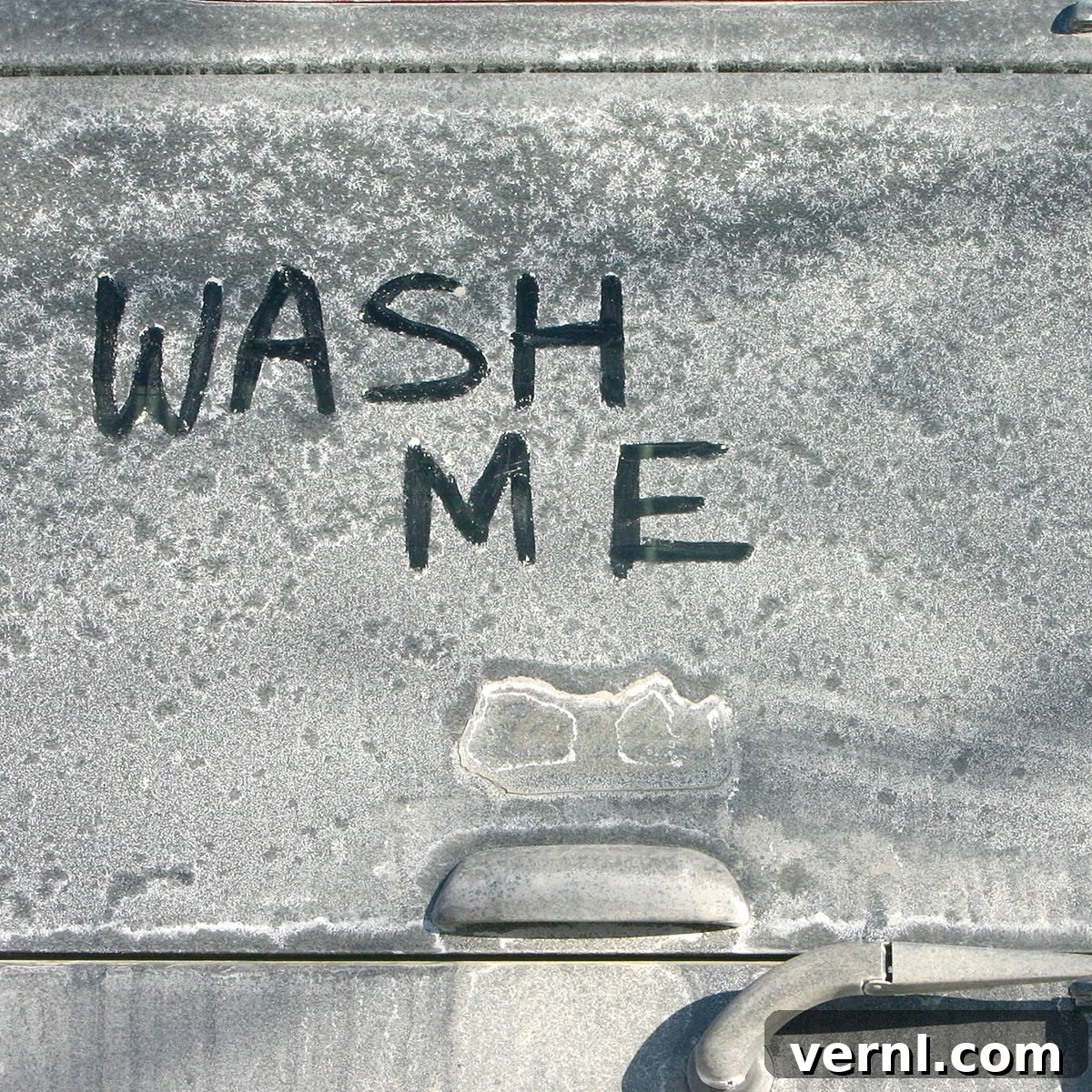
As winter descends, bringing with it a symphony of salt, sand, and chunks of ice, the thought of keeping your car clean can feel like an insurmountable challenge. It’s a frustrating cycle: wash your car today, and it seems to be covered in a fresh layer of grime by tomorrow. However, this seemingly innocuous layer of winter muck is far more than just an aesthetic issue. It’s a potent threat that can wreak havoc on your vehicle’s long-term health and appearance. Road salt, in particular, is highly corrosive, initiating an insidious process of oxidation that rapidly leads to rust damage on vulnerable body panels, delicate brake lines, and the critical undercarriage components.
“Many car owners mistakenly believe that skipping a car wash in winter is the best option because their car will just get dirty again anyway. But in reality, this is precisely when your car needs washing the most,” advises Parham Koukia, the lead detailer and operations manager at Panda Hub. He continues, “I’ve witnessed firsthand how even a single winter of neglect can result in unsightly bubbling paint, premature rust formation on vital brake lines, and accelerated deterioration of essential suspension components. The cost of preventing this damage is minimal compared to the expense of repairing it.”
So, the critical question arises: how often should you wash your car during the harsh winter months? The answer, according to automotive experts, isn’t a simple one-size-fits-all rule. Instead, it hinges on a number of key environmental and usage factors that dictate the severity of the challenge your vehicle faces.
The Indispensable Role of Regular Winter Car Washes
Beyond maintaining your car’s aesthetic appeal, regular winter washing is a fundamental aspect of preventative maintenance. The cocktail of road salt, sand, slush, and other chemical de-icers applied to roads is incredibly aggressive. When these elements cling to your vehicle, especially the underside and lower body panels, they create a corrosive environment that actively eats away at metal. This process not only compromises the structural integrity of your vehicle but can also lead to costly repairs down the line, affecting everything from your car’s resale value to its safety.
Where Do You Live? The Impact of Geography
Your geographical location plays the most significant role in determining how frequently your vehicle requires a wash. If you reside in an area that experiences true winters, characterized by snow, ice, and the widespread application of salt on the roads, then frequent washing is not just recommended, but essential. According to Morrie’s, a reputable car dealership in Inver Grove Heights, Minnesota, vehicles in such conditions should be washed regularly—ideally about every week or two. This consistent schedule helps to prevent the corrosive agents from settling and causing prolonged damage.
Conversely, if you’re fortunate enough to live in a region that rarely salts its roads and experiences predominantly mild winters, you can afford to extend the time between washes. “If the roads visibly appear white, indicative of heavy salt application, then a weekly wash is probably a very smart choice for your vehicle. Ultimately, the frequency is highly dependent on the prevailing conditions, but a general guideline of every 10 to 14 days serves as an excellent rule of thumb,” the dealership further elaborates on its website.
It’s crucial to remember that removing salt, particularly from the often-overlooked underbody of your car, is paramount for preventing rust on sensitive components such as brake lines, suspension parts, and exhaust systems. These areas are constantly exposed to road spray and are prime targets for corrosion.
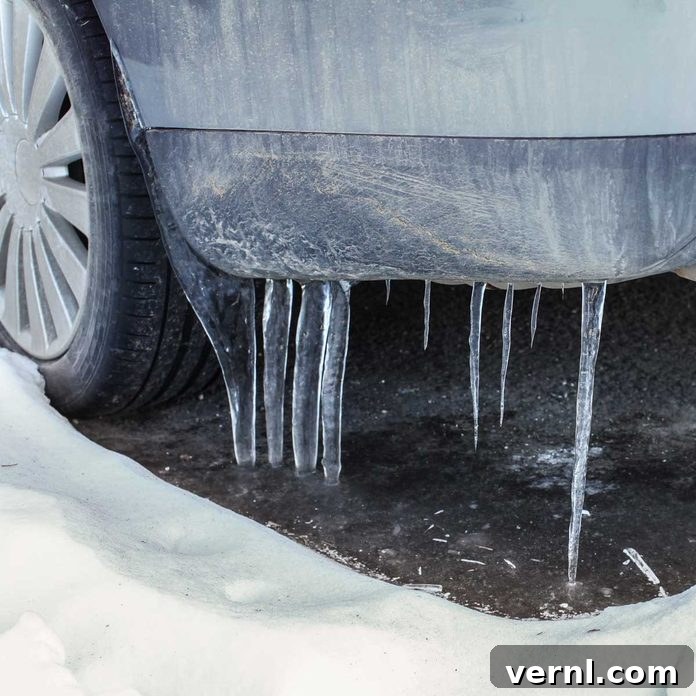
“Salt tends to accumulate most densely around your lower body panels, within the wheel arches, directly behind bumpers, and, most critically, on the undercarriage,” explains Joey Sanchez of Chemical Guys. “These are the sections of your vehicle that are closest to the road surface and where grime, moisture, and salt combine to create the most aggressive corrosive environment. Therefore, when you’re washing your car, always dedicate extra attention and thorough rinsing to these highly vulnerable areas.”
Choosing the Best Winter Car Wash Method
The effectiveness of your winter car care regimen isn’t solely determined by how often you wash your car; the specific method and attention to detail you employ are equally important. The way you wash it plays a significant role in how well your vehicle is protected.
Hand Washing for Meticulous Care
For those who prefer a hands-on approach, using a handheld pressure wand or traditional bucket-and-sponge method offers superior control and thoroughness. Begin by rinsing the vehicle from the top down, allowing gravity to assist in dislodging loose dirt and salt. Pay special, meticulous attention to the car’s wheel wells, the intricate crevices of the undercarriage, and the lower rocker panels, as these are the primary collection points for salt and corrosive grime. Utilize a dedicated car-safe soap and a two-bucket method (one for soapy water, one for rinsing your wash mitt) to prevent scratching. Rinse thoroughly, ensuring no soap residue remains, and dry the vehicle as completely as possible to prevent water spots and, more importantly, to stop any lingering moisture from freezing in seals or locks.
Automatic Car Washes: Convenience with Caveats
If time or weather conditions necessitate an automatic car wash, ensure you select a facility that offers an undercarriage wash – this feature is often an optional add-on but is well worth the extra cost during winter. Look for touchless or soft-touch automatic washes, which are generally gentler on your paint finish than older brush-style washes. Many modern automatic washes also feature heated drying cycles, which are crucial for minimizing moisture retention and preventing components from freezing. Before leaving the wash, it’s a good practice to manually wipe down door jambs and seals.
The Power of Protection: Beyond the Wash
Consider treating any potential problem areas, especially the undercarriage, with an inexpensive yet effective corrosion-inhibitor spray. These sprays create an additional barrier against salt and moisture, offering an extra layer of defense for critical metal components.
Where Do You Park? An Unexpected Factor in Winter Car Care
It might seem logical to assume that parking your car in a warm garage during winter provides the ultimate protection from the elements, helping to keep your vehicle clean and safe. However, this isn’t always the case, and in some situations, it can even exacerbate corrosion.
When a vehicle covered in frozen slush, salt, and ice is brought into a heated garage, the warmth causes these frozen deposits to melt rapidly. This melting process releases concentrated salt water that then reactivates the corrosive properties of the salt, speeding up the oxidation process on your car’s undercarriage and body panels, according to insights from Angie’s List. “While vehicles parked outdoors certainly face the disadvantage of constant exposure to the harsh elements, the ice, snow, and salty slush coating them are more likely to remain frozen. This frozen state effectively slows down the corrosive nature of the salt by preventing it from actively reacting with the metal surfaces.”
If you must park in a garage, especially after driving on salted roads, consider these mitigating strategies: wash your car thoroughly before parking it, use heavy-duty rubber floor mats to catch salty drips, and ensure your garage has adequate ventilation to help dry out moisture. Alternatively, if a wash isn’t immediately possible, parking outdoors in the cold might be preferable until you can perform a thorough cleaning.
The Bottom Line: A Proactive Approach to Winter Protection
The ultimate strategy for keeping your car clean and well-preserved throughout the challenging winter months boils down to one consistent principle: proactive and regular maintenance. Be sure to wash your vehicle regularly, paying exceptional attention to the often-neglected areas underneath the vehicle where salt and grime accumulate most aggressively.
Angie’s List further emphasizes practical considerations for winter washing, noting that it’s generally best to wash your car when the ambient temperature is 40 degrees Fahrenheit (4 degrees Celsius) or higher. Furthermore, perform your wash during daylight hours, allowing the vehicle ample time to thoroughly dry before temperatures plummet below freezing. This crucial step prevents the possibility of water freezing in door seals, locks, or on critical braking components, which can lead to frustrating and potentially dangerous issues.
In addition to exterior care, don’t overlook the importance of maintaining a clean and salt-free interior. Utilize durable rubber floor mats to act as a protective barrier, preventing all that salty slush and gritty sand from being tracked onto your car’s carpet. These mats are much easier to clean and keep your interior pristine.
Frequently Asked Questions About Winter Car Care
Does wax protect your car in the winter?
Absolutely, applying a quality wax or sealant offers substantial protection for your car during winter. It forms a crucial barrier between your car’s delicate paintwork and the extremely harsh winter elements, including road salt, sand, and UV radiation. While it won’t completely prevent all dirt or salt from adhering to the surface, it significantly makes it easier to wash off and dramatically reduces the chance of surface corrosion and swirl marks,” states Koukia. “For car owners in regions experiencing extremely cold temperatures and heavy salting, I strongly recommend applying a fresh, high-quality coat of wax or a durable paint sealant before the very first snowfall, then topping it off with a booster spray or another light coat mid-season to maintain continuous protection.”
Beyond the body, waxing your windshield is also a highly recommended practice, according to Duane “Doc” Watson of Bosch Mobility Aftermarket. “A good windshield wax or sealant will make the glass highly hydrophobic, meaning water will bead up and roll off much more easily. This significantly helps to repel water, sleet, and even light snow, thereby improving visibility on the road during inclement weather, which is a major safety benefit.”
Is it safe to wash my car when temperatures are below freezing?
Washing your car when temperatures are below freezing requires careful consideration, but it can be done safely with the right precautions. Koukia recommends opting for a touchless or soft-touch automatic car wash that features heated bays and powerful blow dryers. “The primary risk in sub-freezing conditions is water freezing in vulnerable areas like door seals, locks, or on delicate chrome trim, which can cause them to stick or even damage them. This can largely be avoided by ensuring a very thorough drying process immediately after the wash and by applying specialized silicone-based sprays to all rubber gaskets and seals. It’s also an excellent practice to wash the car during the warmest part of the day, typically midday, and then drive it for 10 to 15 minutes afterward. This driving time generates enough heat and airflow to help evaporate any lingering moisture from hard-to-reach areas, further minimizing the risk of freezing.”
When conditions are truly below freezing and conventional washing poses too high a risk, Sanchez suggests switching to a waterless wash method. He highlights products like the EcoSmart Waterless Wash & Wax offered by Chemical Guys. “This innovative product utilizes slick lubricants and advanced emulsifiers to safely lift and encapsulate dirt particles, allowing you to gently wipe them away with a clean microfiber towel. The beauty of this method is that it requires absolutely no hose or rinsing, making it an ideal solution for cleaning your car in adverse cold weather conditions where water freezing is a concern.”
About the Experts
The valuable insights and expert advice shared in this guide come from leading professionals in the automotive detailing and maintenance industry, ensuring you receive the most reliable and effective strategies for protecting your vehicle this winter.
- Parham Koukia serves as the lead detailer and operations manager at Panda Hub, located in Toronto. With over a decade dedicated to mastering the intricate art of car detailing, Parham has successfully transformed his profound passion for automobiles into a thriving and respected profession, helping countless car owners preserve their vehicles.
- Joey Sanchez is an esteemed associate manager at the renowned Chemical Guys, a premier online retailer specializing in auto detailing supplies. Joey is widely recognized for sharing his expert advice and conducting hands-on tutorials through the brand’s highly popular social media channels and widely acclaimed viral videos, reaching a vast audience of automotive enthusiasts.
- Duane “Doc” Watson holds the distinguished position of technical trainer at Bosch Mobility Aftermarket. Boasting an impressive career spanning more than 45 years in automotive repair and diagnostics, Doc has been instrumental in training thousands of technicians. His extensive expertise has earned him numerous prestigious industry accolades, including the highly coveted Chevrolet Technician of the Year and Buick Service Master of the Year awards.