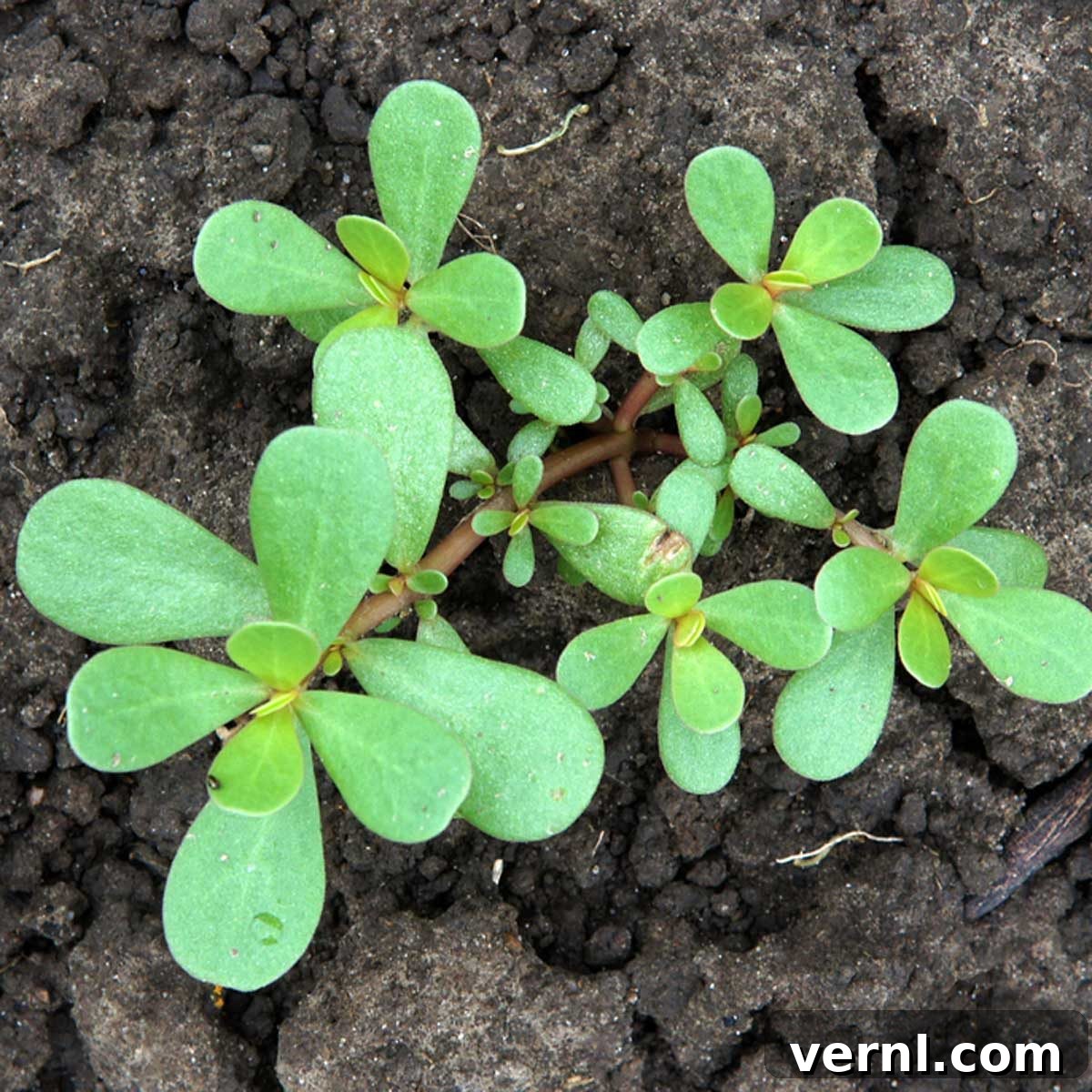
In the relentless world of gardening, every living creature strives for survival, and some do it with an almost unmatched tenacity. Purslane, scientifically known as Portulaca oleracea, embodies this spirit of survival to an extreme degree, which regrettably transforms it into a formidable nuisance for countless homeowners and gardeners. This glossy green, fleshy weed isn’t just known for its ability to stage a powerful comeback just when you thought your lawn was finally clear; it also has a notorious habit of partnering with other common garden invaders, making its eradication even more challenging.
According to Bob Mann, a seasoned agronomist and lawn care expert who serves as the Senior Director of Technical and Regulatory Affairs at the National Association of Landscape Professionals, “Quite frequently, purslane is associated with other weeds that it will grow in and amongst, including crabgrass and spotted spurge.” Mann further notes that while purslane is exceptionally common in gardens and other cultivated areas, you’ll most likely discover it in planting beds and along the edges of turfgrass within broader lawns and landscapes.
Successfully understanding and implementing strategies for how to get rid of purslane is absolutely critical for maintaining a vibrant and healthy garden environment. This comprehensive guide delves deep into everything you need to know about this persistent weed, from how to accurately identify it and the most effective methods for its eradication, to—most importantly—proactive purslane prevention techniques designed to ensure it never returns to plague your outdoor spaces again.
What Is Purslane and Why Is It a Persistent Problem?
Purslane (Portulaca oleracea), sometimes referred to simply as portulaca, is classified as a summer annual broadleaf weed. This means, as explained by Bob Mann, that “it completes its entire life cycle within a single year, germinating typically in the spring or early summer, then proceeding to go to seed and ultimately dying once the colder weather returns.” Its annual nature, however, belies its remarkable resilience and capacity for widespread invasion.
Drew Wagner of LaunchPad.bot points out that purslane bears a close resemblance to spurge, sharing characteristics such as teardrop-shaped leaves and a distinctive low-spreading growth habit. Purslane plants produce small yellow flowers, each typically featuring five petals, and are characterized by their purple or reddish stems that sprawl laterally across the soil surface, creating a dense mat. It generally begins its germination process in the spring and continues its vigorous growth throughout the entire summer and into the fall, quickly colonizing any available space.
The primary reason purslane is such an aggressive and difficult weed to control lies in its incredible reproductive and regenerative capabilities. Even a minuscule fragment of a stem or a few leaves left behind in the soil can readily re-root itself and establish a new, thriving plant. Beyond this impressive vegetative propagation, mature purslane plants are prolific seed producers, with a single plant capable of shedding an astonishing average of 50,000 seeds. These tiny seeds can remain viable and dormant in the soil for decades, awaiting optimal conditions to germinate and unleash a fresh wave of invasion. This potent combination of rapid regeneration and vast seed dispersal is precisely why this aggressive weed can so quickly overwhelm substantial sections of your yard, effectively diverting essential water and vital nutrients away from your desired grass and ornamental plants. This makes all your efforts to control purslane not just important, but absolutely crucial for the health of your landscape.
Furthermore, purslane is a succulent plant, meaning it possesses the remarkable ability to store significant amounts of moisture within its fleshy leaves, much like a cactus. This inherent drought resistance allows it to thrive even in hot, dry conditions where other plants might struggle. It is particularly adept at invading thin or bald patches of lawn, quickly establishing dominance and further weakening already stressed turfgrass. Its robust nature and opportunistic growth make it a formidable competitor in any garden setting.
How To Accurately Identify Purslane in Your Garden
Accurate identification is the foundational first step in devising an effective strategy for how to get rid of purslane. Misidentification can lead to incorrect treatment or, worse, the accidental removal of beneficial plants. Here’s how to distinguish purslane from other common garden weeds:
- Leaves: Purslane leaves are distinctively small, typically ranging from 1/2 to 2 inches in length. They are oval or spoon-shaped, noticeably fleshy, and possess a smooth, glossy surface. While usually bright green, they may exhibit reddish margins, especially in direct sunlight or under stress. The leaves are generally arranged alternately along the stem, but they can also appear clustered at the stem tips. This succulent, rubbery texture is a key identifier.
- Stems: The stems of purslane are smooth, robust, and strikingly succulent. Their color ranges from reddish to purplish-red, often providing a stark contrast to the green leaves. They grow prostrate, meaning they spread horizontally along the ground, often radiating outwards from a central taproot like spokes on a wheel. These vigorous stems can reach impressive lengths, typically between 12 to 20 inches, forming dense mats that can smother other plants.
- Flowers: Purslane produces small, five-petaled yellow flowers, usually measuring around 3/8 inch in diameter. A unique characteristic of these flowers is their bloom time: they typically open only for a few hours on sunny mornings, often closing by midday. This short blooming window means they might be easily overlooked.
- Sap: An extremely important distinguishing feature, particularly when differentiating purslane from potentially toxic look-alikes like some types of spurge, is the sap. When a purslane stem or leaf is broken, it does not produce a milky white sap. This absence of milky sap is a critical safety indicator, as several spurge species, which purslane closely resembles, do exude a milky sap that can be irritating or even poisonous.
Is Purslane Weed Safe to Consume?
In a surprising twist for a garden nuisance, purslane is actually an edible plant and poses no danger to humans or pets. Bob Mann confirms this, stating, “Folklore suggests that purslane was one of our first vegetables, and all parts of the plant can be consumed, either cooked or raw.” Its taste is frequently described as slightly lemony, tangy, or reminiscent of spinach, with a slight peppery finish. The flavor and tender texture are at their peak when the fleshy leaves are picked while young and tender.
Before enthusiastically adding purslane to your next garden salad or stir-fry, however, it is absolutely imperative to exercise caution. Ensure, without a shadow of a doubt, that the plants you intend to consume have not been treated with any fertilizers, pesticides, or herbicides. More critically, you must be 100% certain of its identification. As Drew Wagner warns, “Purslane can be used in kitchen recipes. However, it closely resembles a spurge in appearance, which is poisonous.” Always verify identification with a reliable source before consumption.
Effective Methods to Control and Remove Purslane
Successfully figuring out how to eliminate purslane often necessitates a strategic combination of methods and unwavering persistence. The silver lining is that a single purslane plant typically spreads extensively over a large area, which can sometimes make it appear less labor-intensive to clear your yard of individual plants. The challenging reality, however, is that you must be meticulously thorough in how you eradicate the weed to prevent it from staging its inevitable comeback. As Drew Wagner observes, “Purslane can be removed by hand-pulling or with the use of chemical controls. Hand-pulling is often not recommended because if a small amount of plant stem or root is left behind, it will keep growing.” This emphasizes the plant’s incredible regenerative capacity.
Mechanical Removal (Hand-Pulling and Hoeing)
While challenging, mechanical removal can be effective if done correctly:
- Timing is Key: Tackle purslane when the plants are still young. This prevents them from maturing and spreading their abundant seeds, significantly reducing the future weed burden.
- Thorough Extraction: Locate the center of the plant, often a clump or rosette, and pull up firmly. Your goal is to extract the entire root system and all trailing stems. A weeding fork or hoe can be incredibly helpful for loosening the soil around the taproot, especially in compacted areas, ensuring complete removal.
- No Loose Fragments: Be exceptionally vigilant. After pulling, meticulously inspect the area for any small stem or leaf fragments. Even a tiny piece can regenerate. Rake the area gently to uncover any hidden remnants.
- Proper Disposal: This step is critical. Immediately bag all pulled purslane plants in sturdy paper or plastic bags. Do not leave them lying on the soil surface, as the succulent stems can re-root and continue growing even after being detached. Furthermore, do not add purslane to your compost pile, as its seeds can survive the composting process and you risk reintroducing the weed when you spread the compost.
Chemical Control (Herbicides)
For larger infestations or when manual labor isn’t feasible, chemical controls can be considered. Bob Mann notes, “Purslane can be controlled with common broadleaf weed control products that are used for other common weeds such as dandelion or clover.” Always read and follow herbicide label instructions carefully to ensure safety and effectiveness.
- Post-Emergent Herbicides: For actively growing purslane, especially young seedlings, a post-emergent herbicide containing active ingredients like 2,4-D, dicamba, or MCPP can be effective. These are often found in broadleaf weed killers designed for lawns. Apply these products on calm, non-windy days to minimize drift, and ensure the plants are not under drought stress for optimal absorption.
- Pre-Emergent Herbicides: To prevent future germination, apply a pre-emergent herbicide in the early spring, before purslane seeds begin to sprout. These chemicals create a barrier in the soil that inhibits seed germination. This is a crucial step in long-term management, especially if you’ve had severe infestations in previous years. Proper timing, usually when soil temperatures consistently reach 50-55°F (10-13°C), is vital for pre-emergent efficacy.
- Spot Treatment: For isolated patches, spot treatment with a ready-to-use herbicide can minimize chemical use and target only the problem areas.
Long-Term Strategies for Preventing Purslane from Growing Back
Purslane is infamous for its staying power, and its eradication requires not just removal but also a robust prevention strategy. Overlooked fragments of leaves and stems can rapidly germinate into a full-blown invasion within a single season. Mature plants are aggressive seeders, casting tens of thousands of seeds over vast areas of your lawn, many of which can lie dormant for decades. Without learning how to control purslane weed and eradicate it properly, you’ll likely find yourself battling this persistent foe for many years.
Here are some invaluable tips to avoid a frustrating resurgence and maintain a purslane-free garden:
- Optimize Lawn Health: “Purslane is a weed that is well-controlled by following best management practices for your lawn and landscape,” explains Bob Mann. “Keeping your mowing height on the tall side and lawn properly fertilized to encourage a vigorous, healthy stand of turf will keep purslane and many other weeds at bay.” Taller grass shades the soil, making it less hospitable for weed seed germination, while a dense, healthy lawn outcompetes weeds for light, water, and nutrients.
- Early Intervention is Key: Always try to tackle your purslane problem while the plants are young and haven’t had a chance to set seed. If you are hand-pulling mature plants that have already started seeding, be extra cautious. After clearing the area, consider covering it with a black plastic gardening tarp or heavy-duty trash bags for four to six weeks. This process, known as solarization, uses the sun’s energy to heat the topsoil, killing any residual seeds and blocking sunlight from any purslane fragments that might attempt to sprout again.
- Proper Disposal is Paramount: Reiterate the importance of bagging any pulled purslane in plastic or paper. Do not add the plants to your compost pile. Purslane seeds are highly resilient and can easily survive typical composting temperatures, leading to a re-infestation of your yard when you spread the compost.
- Implement a Mulch Barrier: In garden beds and around ornamental plants, create a robust, three-inch barrier of mulch. Materials like bark chips, wood shavings, ornamental rocks, or other ground coverings effectively suppress low-growing purslane by blocking sunlight from reaching the soil and inhibiting seed germination. Mulch also helps retain soil moisture and regulate soil temperature, creating an environment less favorable for purslane.
- Improve Soil Conditions: Purslane often thrives in compacted, poorly drained soils. Regular aeration and the incorporation of organic matter can improve soil structure, making it less hospitable for purslane and more welcoming for desired plants.
- Water Smart: Water your lawn deeply and infrequently to encourage deep root growth in your grass. Shallow, frequent watering keeps the topsoil consistently moist, which can favor shallow-rooted weeds like purslane.
- Monitor and Patrol: Regularly inspect your garden and lawn for any signs of new purslane growth. Early detection and removal are far easier than tackling a large, established infestation. Make routine patrols a part of your gardening schedule.
Frequently Asked Questions About Purslane
What happens if you overeat purslane?
While edible and nutritious, overeating purslane can potentially lead to issues due to its relatively high oxalate content. Oxalates are naturally occurring compounds found in many plants, including spinach and sorrel, and in large quantities, they can contribute to kidney stone formation in susceptible individuals or interfere with mineral absorption. It is generally advisable to consume purslane in moderation, especially for those with a history of kidney stones or other kidney-related health concerns.
What type of soil does purslane prefer?
Purslane is an incredibly adaptable weed, but it particularly thrives in disturbed, compacted, and nutrient-poor soils. It also tolerates dry conditions well due to its succulent nature. While it can grow in almost any soil type, it often indicates areas with poor drainage or compaction.
Can purslane be beneficial?
Yes, beyond its edibility, purslane is nutritionally rich, containing high levels of Omega-3 fatty acids, antioxidants, and vitamins (A, C, and E), as well as essential minerals. In some cultures, it is cultivated as a vegetable. However, its uncontrolled spread can still be detrimental to desired garden plants.
How long do purslane seeds remain viable in the soil?
The seeds of purslane are remarkably tenacious and can remain viable, capable of germinating, for an astonishingly long time – often up to 40 years or even longer in the soil. This longevity is a primary reason why purslane infestations can persist for decades, making consistent prevention and seed bank depletion crucial for long-term control.
About the Experts
- Bob Mann is the Senior Director of Technical and Regulatory Affairs at The National Association of Landscape Professionals. He possesses pesticide licenses across multiple states and has a distinguished career leading both state and national industry organizations while contributing significantly to various committees, providing invaluable expertise in lawn and landscape management.
- Drew Wagner is the founder and CEO of LaunchPad.bot, an innovative technology company dedicated to developing an AI-native platform for field service industries, including critical sectors like lawn care and landscape management. With extensive experience in the turfgrass sector, Wagner now focuses on integrating advanced technologies such as artificial intelligence and augmented reality to automate and streamline operations for landscape professionals nationwide.
Sources
- The National Association of Landscape Professionals: “Advisory Councils, Committees, Network Advisory Boards & Workgroups”
- LSU AgCenter: “Common Purslane”
- PubMed Central (PMC): “Ameliorative effects of Portulaca oleracea L. (purslane) and its active constituents on nervous system disorders: A review”
- University of California Integrated Pest Management Program (UCIPM): “Common Purslane Management Guidelines”