Safe Lawn Mowing for Seniors: Navigating Age, Risks, and the Path to Injury Prevention
The arrival of spring is a welcome event for many, bringing with it warmer breezes, vibrant blooming foliage, and longer, sunnier days. This beautiful season also marks the return of regular landscaping duties, with lawn mowing often topping the list. For many older adults, tending to the lawn is more than just a chore; it’s an enjoyable opportunity to engage in physical activity, soak up some sunshine, and take pride in a neatly manicured yard. Yet, beneath the serene image of a well-kept garden lies a significant concern: the alarming prevalence of lawn mower-related injuries. This raises a crucial and often debated question: at what age should one stop mowing the lawn?
The statistics are sobering. According to a 2006 study published by the Annals of Emergency Medicine, and highlighted by the Johns Hopkins Bloomberg School of Public Health, over 80,000 individuals are hospitalized annually due to lawn mower accidents. Tragically, a significant number of these incidents involve children. However, older adults are also highly susceptible, often due to decreased agility, slower reaction times, or a greater risk of overexertion. This reality naturally leads to the poignant inquiry, “How old is too old to mow the lawn?”
While a knee-jerk reaction might be to suggest that older adults simply abstain from lawn mowing altogether, experts advocate for a more nuanced approach. There isn’t a universally prescribed age to retire from this activity. Instead, the focus should be on a proactive awareness of potential risks, implementing effective mitigation strategies, and a realistic understanding of one’s personal health limits and physical capabilities. In the following sections, we will delve into expert advice to help you make informed decisions about safe lawn care.
Understanding the Risks of Lawn Mowing for Seniors
Whether you prefer the physical engagement of a push mower or the convenience of a riding lawn mower, both come with inherent risks. The study published in the Annals of Emergency Medicine revealed that “the most common injuries were caused by strikes from debris, such as rocks and branches, propelled by the mower’s spinning blades.” Further research, detailed in the National Library of Medicine, identified lacerations, fractures, and amputations as the most frequent types of injuries, with the wrist, hand, foot, and toes being the most common injury sites. These injuries can range from minor cuts to life-altering trauma, often requiring extensive medical intervention and long recovery periods.
Emergency medicine physician Jordan Kapper, whose extensive background includes trauma care, recounts witnessing countless lawn mower injuries over his 15 years in suburban and rural emergency departments. Dr. Kapper highlights a particularly insidious mechanism of injury: the “classic ‘cleaning the mower deck’ maneuver.” He vividly illustrates this danger, stating, “Just last month, I treated a young man and seasoned maintenance worker [who] lost three fingers. The blade had stopped visually, but the mower was still on, and once the grass/vine clog was gone, so were his fingers.” This underscores a critical safety lesson: always ensure the mower is completely off and the spark plug disconnected before attempting any maintenance or clearing clogs.
Dangers of Riding Lawn Mowers
While push mowers present their own set of hazards, riding lawn mowers introduce a different spectrum of risks, especially rollovers. Dr. Kapper explains, “Riding mower rollovers present a different problem entirely. The injuries typically involve crushing mechanisms — pelvic fractures, flail chest, pneumothoraces — often with delayed internal hemorrhage that becomes apparent only after the initial trauma survey.” The age factor is particularly critical here. “When that machine starts to tip, you have approximately 1.5 seconds to dismount before physics takes over,” Kapper emphasizes. For older adults, who may experience a natural decline in reaction time and agility, this brief window to escape a tipping mower can be tragically insufficient, leading to more severe and complex injuries.
Health-Related Risks for Older Adults
Beyond direct trauma, lawn mowing poses several health-related challenges, especially for the senior population. Cardiologist Matthew Segar outlines these major risks: “The major risks of mowing the lawn include falls, musculoskeletal injuries from repetitive motions, worsening of respiratory conditions from grass allergens or mower emission, and heat-related illness. From a cardiology perspective, mowing the lawn in hot weather can cause strain on the heart.”
Dr. Kapper elaborates further on the cardiovascular dangers, observing a predictable pattern in cardiac events linked to lawn mowing: “The cardiac events we see follow a predictable pattern: deconditioned cardiovascular systems suddenly subjected to high-intensity and consistent exertion, peripheral vasodilation from heat exposure and a drive of many to ‘push through the pain until the job is done’ leads to cardiovascular catastrophe.” This dangerous combination can manifest as heart attacks, deadly arrhythmias, or severe heat exhaustion. The physical demands of pushing a mower or navigating a riding mower, combined with environmental factors like heat and humidity, can overwhelm a cardiovascular system that isn’t regularly conditioned for such strenuous activity. Symptoms such as chest pain, dizziness, shortness of breath, or excessive fatigue should never be ignored and warrant immediate cessation of activity and medical attention.
The Financial Burden of Lawn Mower Injuries
In addition to the physical and emotional toll, lawn mower injuries carry substantial financial implications. The National Library of Medicine study revealed that the mean emergency department charges for a patient with a lawn mower injury were $2,482. However, for those requiring inpatient care, the mean charges skyrocketed to a staggering $36,987. These figures often do not include long-term rehabilitation costs, lost wages, or the expenses associated with adapting one’s home for permanent disability, highlighting the extensive financial strain these accidents can impose on individuals and families.
How Old Is Too Old to Mow the Lawn? Redefining the Question
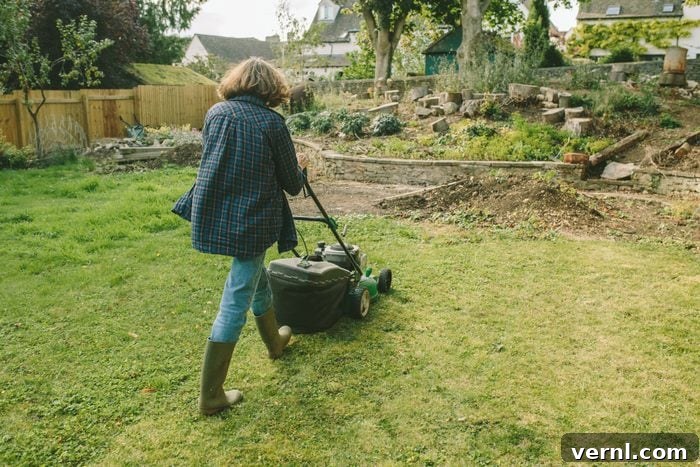
Statistics from the Johns Hopkins Bloomberg School of Public Health indicate that most lawn mower-related injuries occur in children under 15 and adults aged 60 and over. Furthermore, Science Direct reports that “Lawnmower injuries increase with age, with peaks in persons older than 59 years.” Given these trends, it might seem logical to suggest a blanket ban on older adults mowing their lawns to minimize risk. However, such a restriction could inadvertently deprive seniors of more than just a chore; it could strip away a valuable opportunity for meaningful physical activity, time spent outdoors, potential social interaction, and a sense of independence and accomplishment. These benefits are crucial for maintaining overall health and fitness as we age.
Dr. Kapper strongly concurs with this perspective, noting that “What many safety articles miss… is that deconditioning poses equal danger. I regularly admit patients in their 70s who’ve suffered falls simply walking across their living rooms because they’ve eliminated all physical activity from their lives. Their well-intentioned adult children banned them from yard work but provided no alternative activity to maintain functional strength.” This highlights a critical paradox: while trying to prevent one type of injury, a lack of physical activity can lead to a host of other health issues, including frailty, balance problems, and an increased risk of falls.
Rather than outright prohibiting older adults from engaging in yard work, Dr. Kapper offers a progressive, evidence-based recommendation: “My evidence-based recommendation isn’t typical. Beyond cardiovascular conditioning, I prescribe resistance training specifically targeting functional movements. Research from the geriatric literature demonstrates that maintaining grip strength and core stability dramatically reduces mortality across multiple domains.” He directly links this to lawn mower safety: “For lawn mower safety specifically, the ability to quickly generate force (to jump clear of a tipping mower) or maintain balance (on uneven terrain) directly correlates with prevention of severe injury.” This proactive approach emphasizes building and maintaining strength and agility, enabling seniors to continue activities they enjoy safely.
Dr. Segar echoes this sentiment, asserting that there is no specific chronological age at which an individual should cease mowing their lawn. “The decision should be based on your individual health status and physical capabilities rather than chronological age,” he states. This personalized approach encourages self-assessment, and ideally, consultation with a healthcare professional, to determine if one’s current physical condition is suitable for the demands of lawn mowing.
Essential Tips for Mowing the Lawn Safely
Injury prevention largely hinges on controllable actions taken by the individual operating the lawnmower. Implementing a few simple yet crucial safety measures can significantly reduce risks and allow older adults to continue enjoying lawn care.
Dr. Kapper offers several general guidelines to keep in mind for heart health and overall safety: “Mowing the lawn during cooler parts of the day, staying hydrated, and taking frequent breaks can help improve your heart health while mowing the lawn. It’s also important to know the signs and symptoms of overexertion. This includes chest pain, dizziness, and excessive fatigue. Using a self-propelled or riding lawn mower can also help reduce exertion.” Mowing during the cooler morning or late afternoon hours avoids the peak heat of the day, reducing the risk of heat stress and cardiovascular strain. Frequent hydration, ideally with water or electrolyte drinks, prevents dehydration, which can lead to fatigue and impaired judgment. Regular breaks allow the body to recover, prevent muscle strain, and offer an opportunity to assess one’s energy levels before continuing. Understanding the early warning signs of overexertion—such as lightheadedness, nausea, or unusual shortness of breath—is paramount for preventing serious health incidents.
Dr. David Bishai, M.D., Ph.D., M.P.H., a senior author of the Annals of Emergency Medicine study and an associate professor at the Bloomberg School, recommends the following specific safety measures for all lawnmower users, especially older adults:
- Wear Appropriate Protective Gear: Always wear safety goggles to protect against flying debris, long pants to shield legs from projectiles and cuts, and close-toed shoes with good grip soles to prevent slips and protect feet.
- Clear the Mowing Area Thoroughly: Before starting, meticulously clear the yard of any debris, such as rocks, branches, toys, or wires, which can become dangerous projectiles when struck by mower blades.
- Ensure a Clear Perimeter: Keep all individuals, especially children and pets, out of the yard while mowing. Flying debris can travel significant distances, and distractions can lead to serious accidents.
- Assess Your Physical Condition: If you have a history of chest pain, back pain, or joint pain, reconsider mowing the lawn. The physical exertion can exacerbate these conditions or lead to falls. Consult your doctor if unsure.
- Practice Safe Mower Servicing: When servicing the mower or changing blades, always ensure the engine is off and the spark plug wire is disconnected to prevent accidental starts. Wear protective gloves to avoid cuts and scrapes.
- Seek Assistance for Heavy Lifting: Many injuries occur while lifting or moving the mower. If your mower is heavy, always get help to lift it, or use proper lifting techniques to protect your back.
- Never Service a Running Mower: This is a cardinal rule. Even if the blade appears stationary, internal components may still be rotating, posing an extreme risk of amputation.
- Monitor Weather Conditions: Only mow in good weather. Avoid mowing on wet grass, which is slippery and can cause the mower to lose traction or you to slip. Steer clear of mowing in excessively high heat or humidity to prevent heat-related illness and cardiac strain.
- Exercise Caution on Slopes: If using a riding mower, avoid steep hills or embankments where the risk of rollover is significantly increased. For push mowers, mow across slopes, not up and down, to maintain better footing and control.
- No Passengers Allowed: Never carry passengers on riding mowers or tow anyone behind the mower. This is extremely dangerous and can lead to severe injuries or fatalities if they fall off or are struck by the mower.
For older adults considering continued lawn care, it’s also worth evaluating the type of mower used. Lighter, self-propelled push mowers can reduce physical strain compared to traditional models. Electric or battery-powered mowers can be quieter and easier to start than gasoline-powered ones, reducing noise pollution and the effort required for starting. Robotic lawn mowers, while an investment, can completely eliminate the need for physical exertion, offering a safe alternative for those who wish to maintain their lawns without personal risk.
Conclusion: Empowering Safe and Active Living
Ultimately, the decision of when to stop mowing the lawn is a personal one, driven by individual health, capabilities, and a commitment to safety, rather than a rigid number on a calendar. While the risks associated with lawn mowing, particularly for older adults, are undeniable and warrant serious consideration, they do not necessitate a complete cessation of activity. Instead, by understanding these risks, proactively strengthening the body through targeted exercises, and rigorously adhering to established safety protocols, seniors can continue to enjoy the benefits of outdoor activity and maintain their independence. Consult with healthcare professionals to assess your fitness for such tasks and make informed choices that prioritize both your well-being and your enjoyment of a beautiful spring season.
About the Experts
- Jordan Kapper, M.D., is a distinguished Emergency Medicine physician with a rich background in trauma, airway management, sepsis, stroke, and travel medicine. Board-certified in Emergency Medicine, Dr. Kapper trained at a Level 1 trauma center, bringing extensive experience to his insights on injury prevention.
- Matt Segar, M.D., is a board-certified cardiologist and currently a cardiac electrophysiology fellow at the Texas Heart Institute, where he also completed his cardiology fellowship. Dr. Segar received his medical degree from the Indiana University School of Medicine and completed his Internal Medicine residency at UT Southwestern Medical Center, providing expertise on cardiovascular health.
Sources
- Johns Hopkins Bloomberg School of Public Health: “Injuries from Lawn Mowing Increase Nationwide” (2006).
- Science Direct: “Lawnmower Injuries in the United States: 1996 to 2004” (2006).
- National Library of Medicine: “Incidence, Distribution, and Cost of Lawn-Mower Injuries in the United States, 2006-2013” (2018).