
The Dangers of Mowing Wet Grass: Why You Should Always Wait for Dry Conditions
We all know the scenario: a Saturday morning, your only free day, and the lawn is overgrown. But alas, a recent downpour or heavy dew has left it glistening with moisture. The temptation to fire up the lawnmower and get the job done is incredibly strong, especially when you’re eager to maintain a pristine yard. However, before you succumb to the urge and don those waterproof boots, it’s crucial to understand that mowing wet grass is fraught with potential hazards and can lead to a host of problems for both you and your lawn. This comprehensive guide will explain exactly why waiting for dry conditions is always the smarter, safer, and more effective choice for your lawn care routine.
From heightened safety risks to compromised lawn health and potential damage to your valuable equipment, rushing to mow a wet lawn can turn a simple chore into a costly headache. Let’s delve into the compelling reasons why patience is truly a virtue in lawn maintenance.
Significant Safety Risks You Can’t Afford to Ignore
When operating powerful machinery like a lawnmower, safety should always be your top priority. Wet conditions significantly amplify the inherent risks, creating a hazardous environment that can lead to serious injuries.
Increased Risk of Slips and Falls
Wet grass is notoriously slippery. The film of water reduces friction between your shoes and the ground, making it incredibly easy to lose your footing. Imagine pushing a heavy, noisy, blade-spinning machine across a slick surface – the recipe for disaster is clear. A simple slip could cause you to fall directly into the path of the mower’s moving parts, leading to severe cuts, lacerations, or even more devastating injuries. This risk is further compounded if your lawn has uneven terrain, hidden obstacles, or if you’re trying to rush the job. Even sturdy, waterproof boots offer limited protection against the loss of traction on saturated turf. It’s a gamble with your physical well-being that simply isn’t worth taking for the sake of an immediate mow.
The Peril of Electrical Shock
This is perhaps one of the most critical warnings, especially for those using electric lawnmowers, whether corded or battery-powered. Everyone understands the danger of combining electricity and water. Mowers, regardless of their power source, contain electrical components that are not designed for direct exposure to moisture. A corded electric mower on a wet lawn poses an immediate and severe risk of electrical shock or electrocution if there’s any compromise in the cord’s insulation or if the motor housing is breached. Battery-powered mowers, while seemingly safer, still house powerful battery packs and electronic controls that can short-circuit or fail when exposed to water, potentially causing a dangerous malfunction. Even gasoline-powered mowers have spark plugs and ignition systems that can be affected by excessive moisture, leading to misfires or, worse, a shock if you come into contact with a live component while troubleshooting a wet engine. Protecting yourself from electrical hazards means keeping all electrical equipment far away from wet conditions.
Detrimental Effects on Your Lawn’s Health and Appearance
Beyond the immediate safety concerns, mowing wet grass can inflict significant and lasting damage on the very lawn you’re trying to beautify. The consequences can range from unsightly patches to long-term health issues for your turf.
Uneven Cuts and Ragged Appearance
Achieving that perfectly manicured, even lawn is a satisfying sight. However, when grass blades are wet, they become heavy, stick together, and lose their rigidity. Instead of standing upright and being cleanly sliced by the mower’s blades, wet grass tends to bend and clump. This results in an uneven, ragged cut, leaving unsightly streaks and patches of taller grass that the mower simply pushed over rather than trimmed. These ragged cuts are not just an aesthetic issue; they’re detrimental to the grass itself. A clean cut allows the grass blade to heal quickly, but a torn or bruised blade, common with wet mowing, creates an open wound that makes the plant more susceptible to diseases, fungal infections, and pest infestations. If you truly care about the crisp, uniform look of your lawn and its long-term vitality, waiting for it to dry is non-negotiable.
Soil Compaction and Root Damage
It’s not just the grass blades that are wet; the soil beneath is saturated too. When soil is moist, it’s far more vulnerable to compaction. The significant weight of a lawnmower, combined with your own body weight as you push it, presses down on the saturated soil. This action squeezes out vital air pockets and excess water from the soil structure, leading to compaction. Compacted soil is extremely detrimental to lawn health. It restricts oxygen flow to the grass roots, making it harder for them to breathe and absorb nutrients effectively. It also impedes water penetration, paradoxically leading to both surface water runoff and deeper dry spots because water can’t properly infiltrate. Furthermore, root growth is stunted in compacted soil, weakening the entire lawn and making it less resilient to drought, disease, and stress. The visible results can be uneven bumps, noticeable ruts, and unsightly divots across your lawn, requiring costly and time-consuming aeration and repair.
Accelerated Wear and Tear on Your Mower
Your lawnmower is an investment, and treating it with care ensures its longevity and optimal performance. Mowing wet grass puts unnecessary strain on your equipment, leading to frequent clogs, reduced efficiency, and potentially expensive repairs.
Clogging, Reduced Efficiency, and Engine Strain
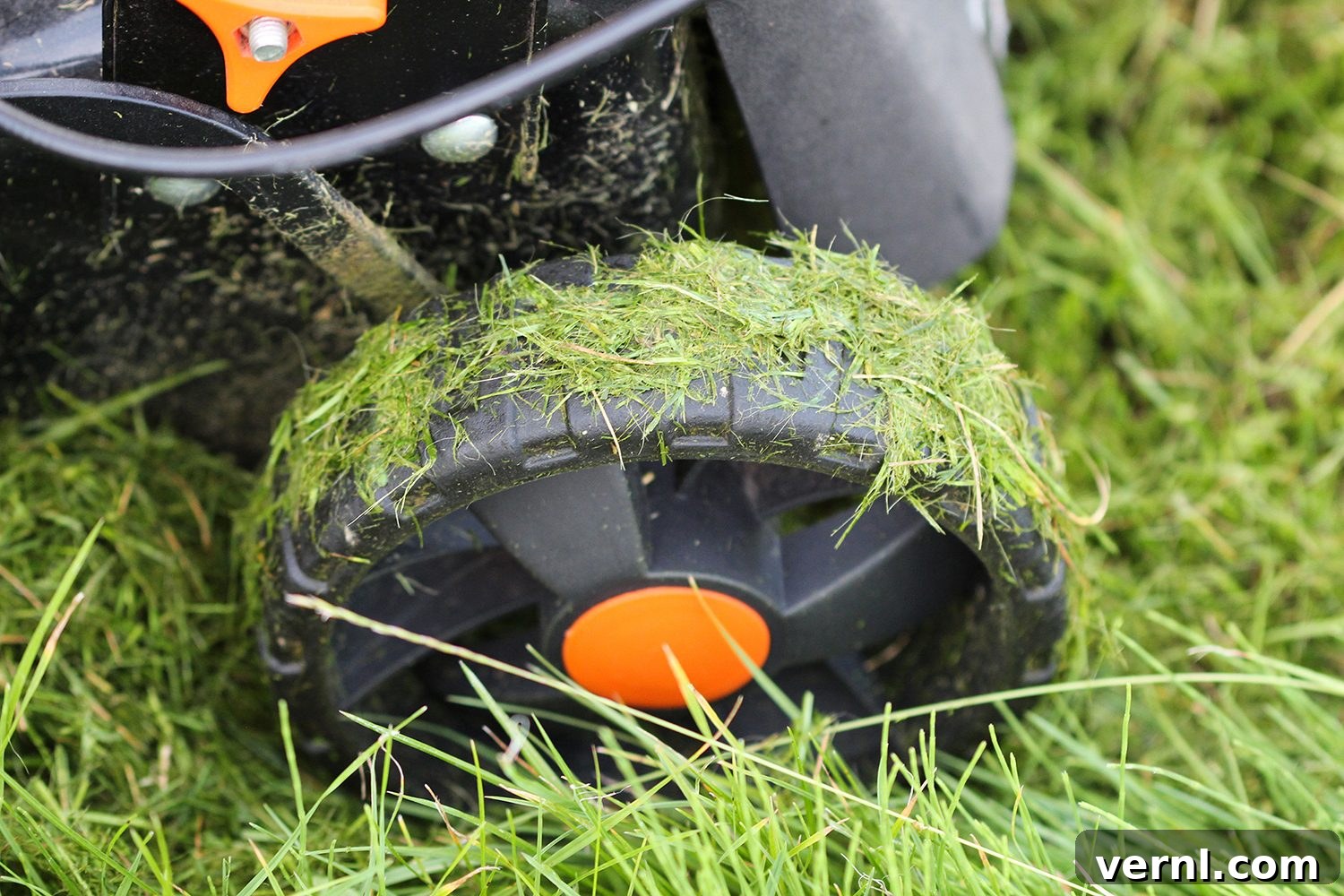
Wet grass is sticky and heavy, a combination that wreaks havoc on your lawnmower. As the blades attempt to cut through dense, wet clippings, these clippings tend to clump together and stick to everything. They rapidly build up under the mower deck, clog the discharge chute, and quickly fill the collection bag (if you’re bagging). This clogging significantly reduces the mower’s efficiency, forcing the engine or motor to work much harder than it should. An overworked engine can overheat, leading to premature wear on internal components, increased fuel consumption (for gas models), or a rapid drain on battery life (for electric models). Frequent stops to clear clogs are inevitable, turning a quick chore into a frustrating, prolonged battle against your machine and the messy grass.
Corrosion, Rust, and Component Damage
Water and metal are not a good combination, especially when abrasive grass clippings and dirt are thrown into the mix. The constant exposure to moisture from wet grass can lead to rust and corrosion on crucial parts of your mower, including the deck, the blades, and various moving metal components. Rusting blades become dull more quickly and contribute to those ragged, unhealthy cuts on your lawn. Furthermore, the wet clippings combined with soil particles create a muddy sludge that coats the underside of the deck and critical engine parts. This abrasive mixture can accelerate wear and tear on bearings, pulleys, belts, and other moving mechanisms, leading to reduced lifespan and costly mechanical failures. Proper maintenance is harder when you have to meticulously clean a muddy mower after every use, and neglecting this cleaning will inevitably shorten your machine’s life.
Best Practices for a Healthy and Beautiful Lawn
Understanding the risks of mowing wet grass naturally leads to the question: when is the best time to mow? Adhering to simple best practices will not only protect you and your equipment but also foster a healthier, more vibrant lawn.
The Ideal Time to Mow Your Lawn
The golden rule of lawn care is to always mow when the grass is completely dry. This typically means waiting until mid-morning or late afternoon on a sunny day, allowing dew to evaporate or recent rainfall to dry thoroughly. Dry grass stands upright, allowing for a clean, precise cut that promotes healthy regrowth and an even appearance. By following this simple guideline, you maximize safety, ensure the longevity of your equipment, and contribute significantly to the overall health and aesthetic appeal of your lawn. Patience truly pays off in the long run, saving you from potential injuries, costly repairs, and a perpetually struggling lawn.
What to Do When You Can’t Wait (and Why You Still Should)
While strongly advised against, if an absolute emergency dictates that you *must* mow wet grass (and honestly, such emergencies are rare), there are a few mitigation strategies, but it’s crucial to understand these do not eliminate the risks and drawbacks. First, raise your mower deck to its highest setting. This reduces the amount of grass the blades have to contend with. Ensure your blades are exceptionally sharp, as dull blades will only worsen the tearing. Mow at a much slower pace than usual, and overlap your passes slightly to ensure complete coverage. If bagging, be prepared to empty the collection bag frequently. Most importantly, thoroughly clean the underside of your mower deck and all external components immediately after use to prevent rust and clog buildup. However, these are compromises, not recommendations. The best course of action is always to wait. Use that time instead for other garden tasks like weeding, pruning, or sharpening your mower blades in preparation for dry conditions.
Conclusion: Prioritize Safety and Lawn Health
The temptation to tackle a wet lawn can be powerful, especially when your schedule is tight. However, the potential dangers and damages far outweigh any perceived convenience. From the serious risks of slipping and electrical shock to the detrimental effects on your lawn’s health, appearance, and the premature wear and tear on your valuable equipment, mowing wet grass is a decision that often leads to regret.
By simply exercising patience and waiting for your lawn to dry, you ensure a safer mowing experience, achieve a superior, healthier cut, and extend the life of your lawnmower. A well-maintained, healthy lawn is a source of pride, and making smart choices about when and how you mow is fundamental to achieving that. Prioritize safety and the long-term well-being of your turf – always wait for dry grass.
If, despite your best efforts, you’re still dealing with damage to your lawn from previous mistakes or other issues, here’s how to repair a damaged lawn.