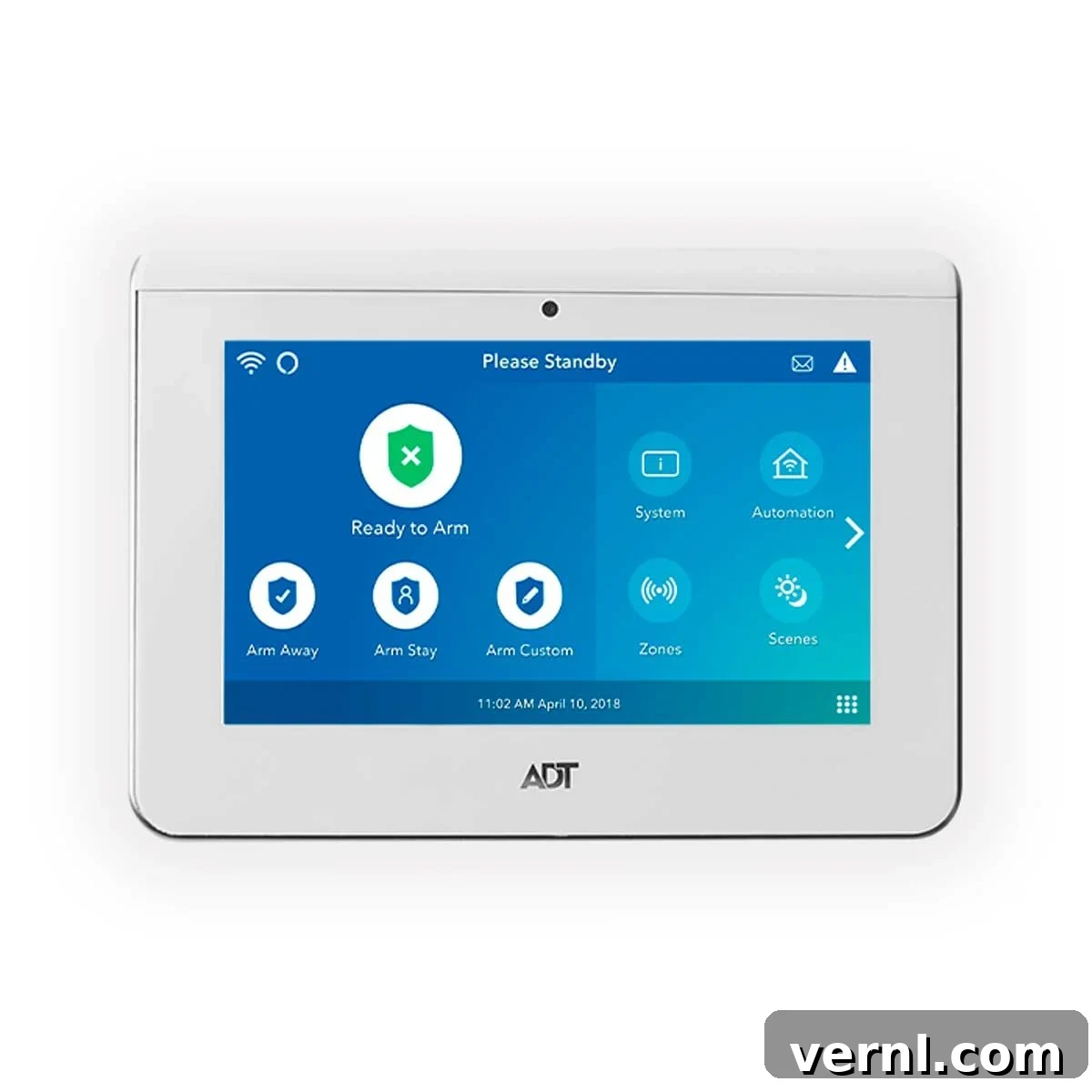
In an age where smart technology constantly reshapes our living spaces, home security has evolved beyond simple alarms. Amidst this rapid transformation, one name has stood the test of time: ADT. For generations, ADT has been a cornerstone in home security, synonymous with protection and peace of mind. However, the landscape has broadened considerably, introducing a myriad of newer players offering cutting-edge solutions in the ever-expanding high-tech home monitoring market. This comprehensive guide delves into ADT’s offerings, its operational framework, cost structures, and how it stands against the innovative forces of modern home protection, helping you make an informed decision for your household.
Understanding ADT: A Legacy of Home Security
ADT, or American District Telegraph, boasts an unparalleled history in the realm of home security, dating back to 1874. Born from the necessity of enhanced protection following a break-in, the company pioneered the residential call box, marking the genesis of modern security systems. This makes ADT by far the oldest home security company in the United States, a testament to its enduring presence and adaptability. Over its extensive history, ADT has consistently reinvented itself, moving beyond basic alarm monitoring to embrace the future of connected living. Today, ADT offers not just security but also integrated home automation, encompassing a diverse range of appliances, smart devices, and detectors. Its systems seamlessly integrate with popular smart home assistants like Alexa and Google Home, allowing users to control their security and smart home features with ease and convenience.
The Evolution of ADT’s Offerings
What began as a response to a specific security need has blossomed into a sophisticated, customizable, and professionally installed home security system. ADT distinguishes itself through its commitment to continuous, professional monitoring, ensuring that trained specialists are always on alert, ready to respond to emergencies. This professional approach offers a level of assurance that self-monitored systems often cannot match. The transition into smart home technology means ADT systems can now manage everything from intelligent thermostats and lighting to smart locks and video doorbells, all centrally controlled through a unified platform. This integration transforms a traditional security system into a comprehensive smart home ecosystem, enhancing both safety and convenience for homeowners.
How ADT’s Home Security System Works
Embarking on your ADT journey typically begins with a consultation to obtain a personalized quote. This initial price estimate is tailored to your specific needs, the size and layout of your home, and the particular equipment you choose. Factors such as the number of entry points, desired camera coverage, and the extent of home automation features will all influence the final cost. While you can initiate this process directly through ADT.com, it’s often beneficial to Google “ADT home security” to compare offerings and contractors in your local area. This allows for a comprehensive understanding of available options and ensures you select the best fit for your home.
Equipment Leasing and Monitoring Infrastructure
A key aspect of ADT’s service model is the leasing of its equipment. Unlike some systems where you purchase the hardware outright, ADT customers lease the necessary components for the duration of their contract. This means that if you decide to change providers in the future, you are typically required to return the leased equipment. This model has its advantages, as it often means lower upfront costs for the equipment itself, but it’s a crucial consideration for long-term ownership and flexibility. To guarantee uninterrupted coverage and rapid response, ADT operates an extensive network of six strategically located monitoring centers across the United States. This geographical redundancy is a critical feature: if a severe weather event or another unforeseen circumstance affects one monitoring center, another seamlessly takes over, ensuring continuous and uninterrupted home monitoring. This robust infrastructure is designed to provide maximum reliability, ensuring that alerts are always received and acted upon promptly, connecting you to emergency services when it matters most.
ADT and Its Reliance on Third-Party Partners
ADT’s operational model often involves collaborations with third parties, particularly concerning equipment manufacturing and installation. While ADT designs its systems and sets its standards, the actual manufacturing of the equipment is typically handled by external companies. This can sometimes raise questions about quality control, as the end product’s reliability is dependent on the manufacturing partner’s consistency. However, ADT maintains rigorous testing protocols to ensure all components meet its specified performance and security standards.
Understanding Third-Party Installation Contractors
Similarly, ADT frequently utilizes third-party installation contractors. These local professionals are tasked with setting up your security system, from placing sensors and cameras to integrating smart home devices. While this network of local installers ensures broad service availability and potentially quicker installation times, the quality of service can vary. It’s essential for consumers to be aware of who is performing the installation and to ensure they are comfortable with their chosen contractor.
Protectyourhome.com stands out as the only third-party contractor officially recognized with the title of ADT’s Authorized Premier Provider. While this designation implies a higher level of vetting and adherence to ADT’s standards, it is important to understand that using Protectyourhome.com does not guarantee a flawless installation or equipment that will never encounter issues. However, ADT provides a significant consumer-friendly policy: you are not required to sign a contract until after the equipment installation is complete. This policy offers a valuable safety net, allowing you to assess the quality of the installation and your satisfaction with the third-party contractor’s work before committing to a long-term agreement. This unique advantage provides homeowners with greater control and peace of mind during the initial setup phase.
Demystifying ADT Home Security Costs
The financial investment in an ADT home security system is structured to offer various tiers, catering to different needs and budgets. A basic plan, typically priced at less than $30 a month, provides fundamental protection. This package usually includes three door/window sensors to monitor crucial entry points, an infrared motion detector for interior coverage, and round-the-clock professional alarm monitoring. It’s an excellent starting point for those seeking essential security and professional oversight, though it generally does not include advanced features like security cameras or comprehensive home automation capabilities.
For homeowners seeking a more robust and integrated solution, ADT’s most comprehensive plans are available for just under $60 per month. These premium packages elevate your home’s protection by incorporating state-of-the-art security cameras, offering both indoor and outdoor surveillance options. Features like continuous video recording, cloud storage for footage, and live video feeds accessible from anywhere are standard. Crucially, these plans unlock the full potential of smart home automation, allowing you to control an array of smart devices—from lighting and thermostats to smart locks and garage doors—all managed conveniently through an intuitive mobile app and a central touchscreen panel/control center within your home. This level of integration transforms your security system into a smart home hub, enhancing both safety and daily convenience.
Installation Fees and Warranty Considerations
Beyond the monthly monitoring fees, it’s important to account for installation costs. These typically range from $100 to $200, though this figure can fluctuate based on the complexity of the equipment chosen, the specific installer’s rates, your geographical region, and the monthly plan you select. Factors such as the need for extensive wiring, the number of devices to be installed, and the integration of diverse smart home components can all influence the final installation bill. Furthermore, to safeguard your investment and avoid unexpected expenses, ADT offers an optional warranty or quality service plan, usually around $7 per month. This plan is highly recommended, as it can protect your bank account from unforeseen service calls, equipment malfunctions, or necessary repairs, ensuring your system remains operational without additional out-of-pocket costs.
It is also critical to understand that opting for an ADT system will typically involve committing to a 36-month contract upon sign-up. This three-year commitment is standard for many professionally installed security systems, and potential early termination fees are a factor to consider should your circumstances change. While the total price point for ADT’s professional installation and monitoring services is generally on par with other leading companies in the sector, a notable distinction is ADT’s equipment leasing model. Unlike systems where you own the hardware, with ADT, you typically cannot keep your equipment when you cancel your service. This should be weighed against the benefits of lower upfront costs and professional maintenance when evaluating the long-term value and flexibility of the system.
ADT System Components Explained
A typical ADT security system comprises several key components designed to work in harmony, providing comprehensive protection. The central hub is the control panel, often a touchscreen device, which serves as the brain of the system, allowing users to arm/disarm, monitor status, and control integrated smart home devices. Door and window sensors detect unauthorized entry, while motion detectors provide interior surveillance, triggering alarms if movement is detected in protected areas. Security cameras, available for both indoor and outdoor use, offer visual monitoring, live streaming, and recording capabilities. Beyond intrusion detection, ADT systems can also incorporate environmental sensors like smoke detectors, carbon monoxide detectors, and flood sensors, alerting you to a broader range of potential hazards. Smart locks, video doorbells, and smart thermostats further integrate into the system, offering enhanced control and convenience through the ADT app or control panel.
Benefits of Professional Monitoring with ADT
One of ADT’s most significant advantages is its professional monitoring service. This 24/7 vigilance means that even when you’re away or unable to respond, trained professionals are monitoring your home for alarms. Upon an alarm trigger, ADT monitoring centers quickly verify the threat and dispatch appropriate emergency services—be it police, fire, or medical—to your location. This professional intervention offers unparalleled peace of mind, ensuring a rapid and expert response to any emergency, significantly reducing potential damage or loss compared to self-monitored systems where response depends solely on the homeowner. The integration with emergency services is streamlined and efficient, ensuring help arrives when every second counts.
Who is ADT Best Suited For?
ADT’s model is particularly well-suited for homeowners who prioritize professional installation and continuous 24/7 monitoring. It appeals to those who value the reliability and established reputation of a long-standing security provider and prefer a hands-off approach to setup and maintenance. If you’re looking for an integrated smart home experience alongside robust security and don’t mind a contract and equipment leasing, ADT could be an ideal choice. It’s also a strong contender for those who appreciate dedicated customer support and a comprehensive system without the hassle of DIY installation.
Key Considerations Before Choosing ADT
Before committing to ADT, it’s wise to weigh the pros and cons. On the positive side, ADT offers a storied legacy, reliable professional monitoring, and a wide array of customizable features, including smart home integration. The benefit of not signing a contract until after installation provides valuable assurance. However, potential drawbacks include the contract duration (typically 36 months), the equipment leasing model (meaning you don’t own the hardware), and the reliance on third-party manufacturers and installers, which can sometimes lead to inconsistencies. The cost, while comparable to other professional services, might be higher than DIY alternatives, especially when factoring in installation and optional warranty plans.
Making an Informed Decision for Your Home Security
Choosing a home security system is a significant decision that impacts your family’s safety and peace of mind. While ADT offers a compelling package rooted in a rich history and advanced technology, it’s crucial to evaluate your specific needs, budget, and preferences. Consider whether professional installation and 24/7 monitoring are non-negotiable for you, or if a more flexible, self-monitored DIY system might be a better fit. By understanding ADT’s strengths, its operational model, and its cost structure, you can make a thoroughly informed decision that best protects your home and loved ones in today’s dynamic security landscape.