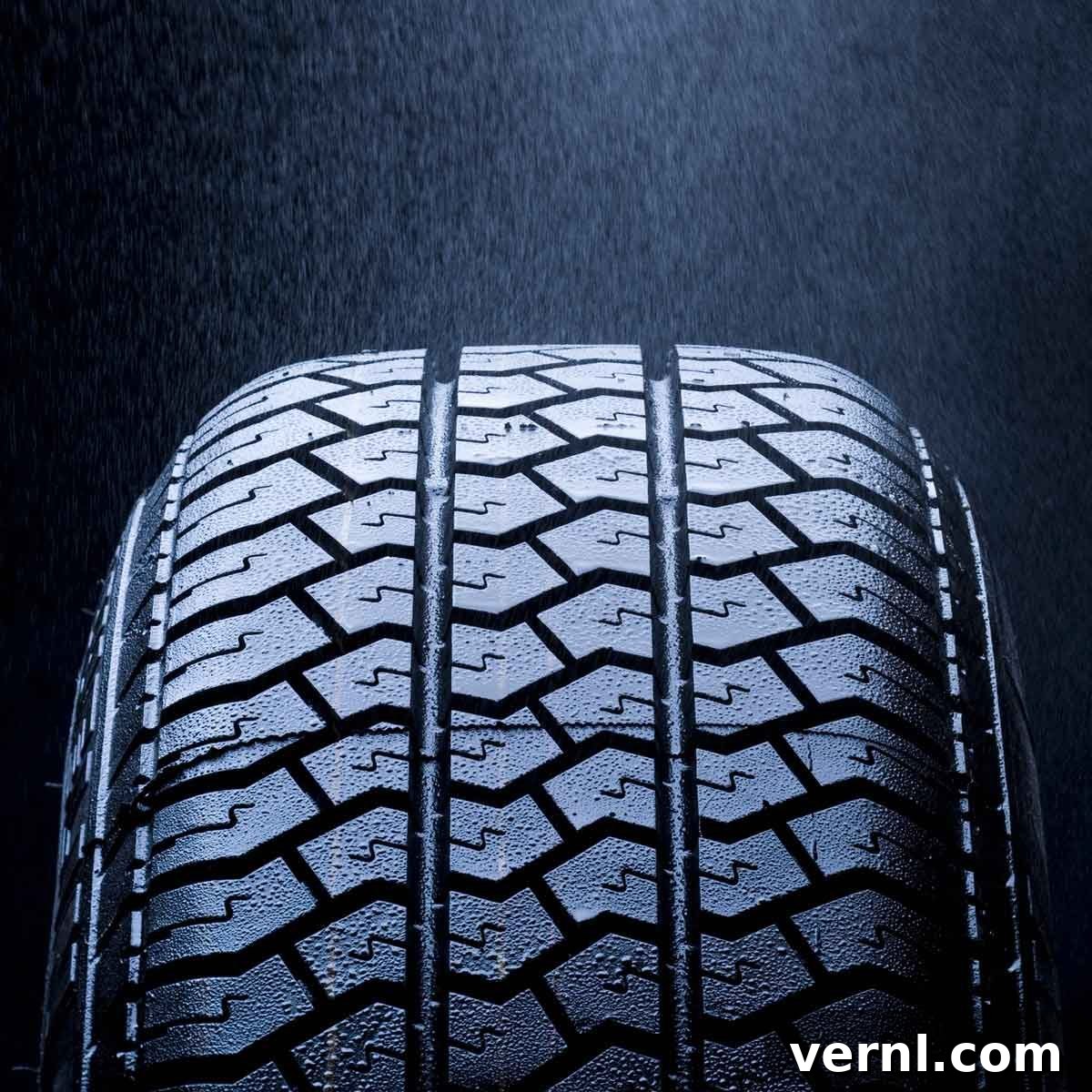
Your vehicle’s tires are undeniably among its most critical components, enduring constant friction, varying road conditions, and the full weight of your car. While a squeaking sound emanating from your tires can be an irritating nuisance, it’s often more than just an annoyance. It can serve as a vital warning signal, indicating underlying issues with your tires or other interconnected parts of your vehicle that may be worn, damaged, or out of adjustment. Ignoring these sounds can lead to compromised safety, reduced performance, and costly repairs down the road. Understanding the common culprits behind tire squeak is the first step toward diagnosing and rectifying the problem, ensuring your vehicle remains safe and reliable on every journey.
Underinflated or Overinflated Tires
One of the most prevalent and often overlooked causes of tire squeak, particularly noticeable when navigating turns, is improper tire inflation. Both under- and overinflated tires significantly alter the tire’s contact patch – the area of tread that makes contact with the road surface. When a tire is underinflated, its sidewalls bulge, and the shoulders of the tread bear the brunt of the load, causing the center to lift slightly. Conversely, an overinflated tire causes the center of the tread to bulge, reducing contact at the shoulders. In either scenario, the ideal, flat contact with the road is compromised.
This improper contact leads to tires deforming unnaturally under load and friction, causing them to scrub or slide sideways minutely rather than roll smoothly, especially during cornering maneuvers. This lateral movement generates the characteristic squeaking sound. Beyond the audible warning, incorrect tire pressure poses serious safety risks. Underinflated tires are prone to overheating, which can lead to catastrophic blowouts, while overinflated tires become overly rigid, increasing susceptibility to impact damage and reducing grip. Both conditions negatively impact your vehicle’s fuel economy, braking efficiency, and steering responsiveness, making your car harder to control and less predictable in emergencies.
To mitigate these risks and silence the squeak, it’s crucial to adhere to your vehicle manufacturer’s recommended tire inflation specifications, which can typically be found on a sticker inside the driver’s side door jamb, in the glove compartment, or in your owner’s manual. Make checking your tire pressure a consistent part of your monthly vehicle maintenance routine, ideally when tires are cold (before driving long distances).
Pro Tip: Proper tire pressure is foundational to your car’s overall safety, handling, and longevity. Invest in quality tools to make this essential check accurate and simple. A reliable tire tread depth gauge and an accurate air pressure gauge are indispensable items for any car owner. You can easily purchase these online or at any local auto parts store. Using them regularly allows you to monitor not just pressure, but also the health of your tire treads. It’s critical to replace any tire that has tread measuring 4/32-inch or less, as diminished tread depth severely compromises traction and braking capability, especially in wet conditions. Even if your tires don’t squeak, maintaining proper inflation and adequate tread depth is paramount for safe driving.
Uneven Tread Wear
Another common cause of tire squeak stems from irregularities in tread wear, often a direct consequence of an improperly aligned suspension system. When your vehicle’s alignment is off, the wheels are not perfectly perpendicular to the ground or parallel to each other. This causes tires to be subtly dragged or scrubbed across the road surface rather than rolling smoothly and uniformly. This constant dragging friction, particularly exacerbated during turns, braking, or acceleration, can generate a distinct squeaking sound.
Over time, this misalignment leads to specific patterns of uneven tire tread wear, such as feathering, cupping, or shoulder wear. These irregular wear patterns further contribute to the squeak, as different parts of the tire’s surface make contact with the road at inconsistent angles and pressures. Beyond the audible warning, a misaligned suspension system can significantly diminish your vehicle’s handling characteristics, causing it to pull to one side, make steering feel loose or heavy, and even lead to premature wear of other suspension components. For these reasons, suspension system alignment is a precision task that is always best left to a qualified professional.
Pro Tip: A vehicle suffering from alignment issues may exhibit several telltale signs beyond just tire squeaks. You might notice reduced steering response, a steering wheel that isn’t centered when driving straight, or an overall feeling of instability. Critically, misalignment also leads to significantly decreased tire life, as parts of the tire wear out much faster than others, necessitating premature replacement. This also compromises crucial safety aspects like braking effectiveness and traction, particularly in adverse weather conditions. While having your tire shop perform a professional alignment is essential for correcting the underlying problem, you can proactively extend tire life and promote more even wear by regularly rotating your tires. Experts recommend rotating your tires every six months or every 6,000 to 8,000 miles. This practice helps to even out the normal wear patterns that occur from regular driving, ensuring your tires run quieter, last longer, and provide more consistent performance.
Abnormal Tire Wear and Component Damage
Beyond alignment issues, other forms of abnormal tire wear can be a significant source of squeaking. This type of wear often points to more serious underlying mechanical problems with your vehicle’s suspension, wheels, or wheel hub bearings. Such damage can be precipitated by various factors, including an accident, hitting a severe pothole, or scraping a curb. These impacts can bend, crack, or loosen critical components, leading to specific, irregular tire wear patterns like tread cupping, feathering, or scalloped wear.
Tread cupping, for instance, appears as a series of scooped-out depressions around the tire’s circumference, often indicative of worn shock absorbers or struts. Feathering involves a smoother, directional wear pattern across the tread block, suggesting alignment or bushing issues. Scalloped wear, similar to cupping but often more irregular, also points to suspension component problems. Any of these abnormal wear patterns disrupt the tire’s smooth contact with the road, causing increased friction and generating an intermittent or continuous squeaking sound. These issues not only cause noise but also compromise the tire’s integrity, handling, and safety. Due to the complexity and safety implications of diagnosing and repairing worn, damaged, or bent suspension parts, wheels, or wheel hub bearings, a trip to your trusted repair shop is absolutely essential. Professionals have the specialized tools and expertise to accurately diagnose the root cause and perform the necessary repairs to correct abnormal tire wear and restore your vehicle’s safety and performance.
Brakes: A Common Case of Mistaken Identity
Before definitively attributing a squeaking noise to your tires, it’s crucial to consider another very common source: your vehicle’s brakes. Brake squeal can often be confused with tire squeak, especially when driving at low speeds or during light braking. Fortunately, there are distinct characteristics that help differentiate between the two.
The most common cause of brake squeak indicating wear is the brake wear indicator. This is a small metal tab strategically attached to the brake pad backing plate. As your brake pads wear down to a certain minimum thickness, this metal tab begins to rub against the spinning brake rotor while you’re driving. This contact produces a distinctive, high-pitched squealing or squeaking noise, specifically designed to alert the driver that it’s time for new brake pads. A key diagnostic tip here: if the wear indicator is causing the squeak, the noise should typically stop or change significantly when you gently press the brake pedal, as the pads are then actively engaged against the rotor, altering the friction point.
Another potential brake-related source of squeaking can be worn, missing, or broken brake caliper hardware. The brake caliper is responsible for housing the brake pads and pressing them against the rotor. If the hardware (such as guide pins or anti-rattle clips) is damaged or improperly installed, it can cause the caliper itself to drag or rub on the rotor, leading to a persistent squeaking or grinding noise. This noise might not always cease when braking and could indicate a more serious problem requiring immediate attention.
If you have carefully narrowed down the source of the noise to your brakes, replacing brake pads and, if necessary, rotors can often be a manageable DIY project for those with some mechanical aptitude and the right tools. However, ensuring proper installation and functionality is paramount for safety. If you’re unsure or uncomfortable, it’s always best to consult a professional mechanic.
Or Is It Something Else Entirely?
While less common than issues with tire inflation, wear, alignment, or brakes, other factors can occasionally cause your tires to produce a squeaking sound while driving. These often involve components directly adjacent to or connected with the wheels and can sometimes be overlooked during initial inspection.
One such cause could be loose or rusted wheel covers (also known as hubcaps). If a wheel cover is not securely fastened or has developed rust and corrosion, it can vibrate and rub against the wheel itself or the lug nuts, producing a metallic squeaking or rattling noise that might be mistaken for a tire issue. A quick visual inspection and attempting to wiggle the wheel cover can often reveal if it’s the culprit. Similarly, loose or, paradoxically, overtightened lug nuts can also be a source of noise. Loose lug nuts allow the wheel to have minuscule play, leading to friction and potential squeaking, which is an extremely dangerous condition that could lead to a wheel detaching. Overtightened lug nuts can stress and damage the wheel studs or even warp the brake rotor, which could indirectly lead to noises. Your absolute best bet in these scenarios is to have a trusted mechanic meticulously check your vehicle’s wheels for any physical damage, loose components, or improper torque settings. It’s critical to understand that you should never simply re-tighten loose lug nuts without proper procedure. Lug nuts should always be loosened completely and then re-torqued to the manufacturer’s precise specifications using a torque wrench. This ensures uniform tension and prevents damage or dangerous loosening.
In some cases, newly installed tires might squeak briefly due to a mold release compound applied during manufacturing. This usually wears off after a few hundred miles. Additionally, driving on certain road surfaces, especially smooth asphalt or concrete with a specific texture, can sometimes cause tires to squeak even when perfectly healthy, a phenomenon often referred to as “road whine” or “tire scrub” noise.
Ultimately, your tires, along with the intricate brake and suspension systems that work in perfect harmony with them, represent your car’s most essential safety systems. Any persistent or unusual squeaking noise from your tires while driving should never be ignored. It’s a clear signal that something is amiss and requires attention. Timely diagnosis and repair by a qualified mechanic are crucial to prevent a minor nuisance from escalating into a more serious problem, ensuring your vehicle remains safe, performant, and reliable on all your journeys. Proactive maintenance is not just about extending your car’s life; it’s about safeguarding yours.