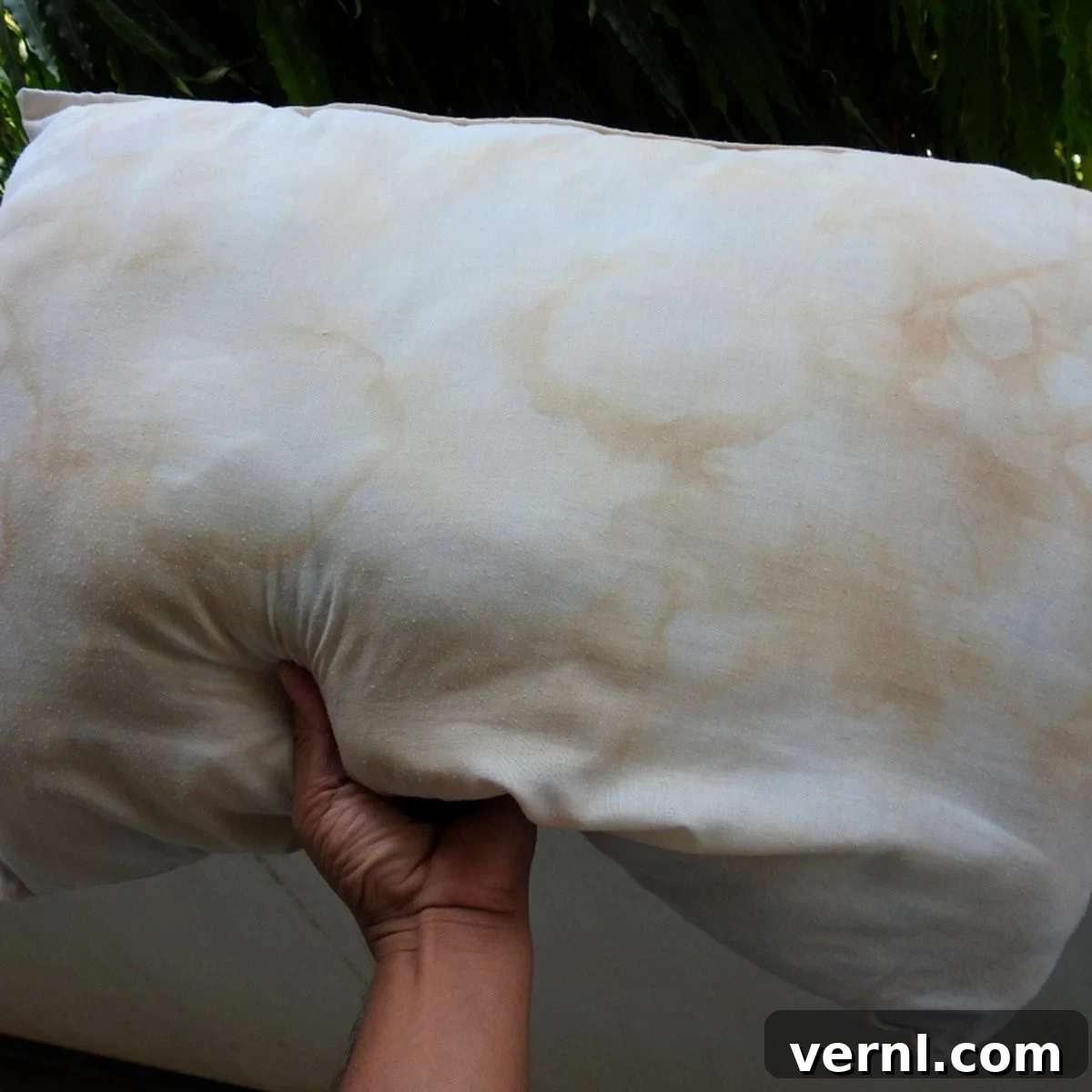
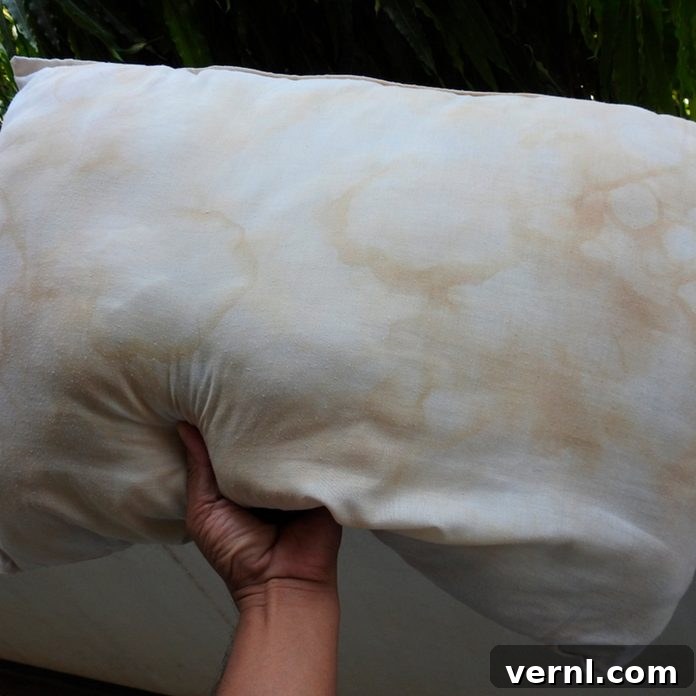
How to Whiten Yellow Stains on Pillows: Your Ultimate Cleaning Guide
Do you often find yourself staring at unsightly yellow stains on your once-pristine pillows, even after using pillow protectors? It’s a common dilemma. Over time, factors like sweat, body oils, and even saliva inevitably seep through pillowcases, leaving those stubborn discolored marks. Beyond the visible stains, pillows can also accumulate dust mites, dead skin cells, and other allergens, making them less inviting and potentially impacting your sleep quality and overall health. While the sight of a heavily stained pillow might prompt you to consider tossing it out, there’s good news: you don’t have to! Learning how to whiten yellow stains on pillows is simpler than you might think and can be achieved effectively with just a few common household products. This comprehensive guide will walk you through the process, helping you restore your pillows to their original freshness and extend their lifespan.
Why Do Pillows Turn Yellow? Understanding the Problem
Before diving into the solution, it’s helpful to understand why pillows develop those yellowish hues. The primary culprits are natural bodily excretions. We spend roughly one-third of our lives sleeping, and during that time, our bodies are constantly active. We sweat, produce natural oils from our skin and hair, and sometimes drool. These substances, even in small amounts, are absorbed by the pillow material over time. The oxidation of these oils and sweat, combined with exposure to air, leads to the characteristic yellow discoloration. Additionally, old skin cells, dust mites, and their droppings contribute to the buildup of grime, further compromising the hygiene and appearance of your pillows. Regular cleaning is not just about aesthetics; it’s about creating a healthier sleep environment free from allergens and bacteria that can accumulate in unwashed bedding.
Preparing Your Pillows for a Deep Clean
Before you begin the whitening process, a few preparatory steps will ensure the best results and protect your pillows from damage. Not all pillows are created equal, and their care requirements vary significantly based on their filling.
Check the Care Label
This is arguably the most crucial step. Always check the care label on your pillow before washing. Most synthetic and down/feather pillows are machine washable, but some, like memory foam or buckwheat pillows, are not. Memory foam, for example, can break apart or lose its integrity when exposed to water and agitation. The label will also specify the maximum safe water temperature and drying instructions, which are vital for preventing shrinkage or damage to the filling.
Pre-Treat Stubborn Stains (Optional but Recommended)
For particularly dark or set-in yellow stains, a little pre-treatment can work wonders. You can create a paste with baking soda and a small amount of water and apply it directly to the stained areas, letting it sit for about 30 minutes before washing. Alternatively, a diluted solution of oxygen bleach (color-safe bleach) can be sprayed onto the stains. Always spot-test any pre-treatment product on an inconspicuous area first to ensure it doesn’t cause discoloration or damage to your pillow fabric.
Everything You Need for Bright White Pillows
Gathering your supplies beforehand will make the cleaning process smooth and efficient. You likely already have most of these powerful cleaning agents in your laundry room or kitchen.
- 1 cup of powdered dishwasher detergent: This powerful cleaner is excellent at cutting through grease and oils, making it ideal for breaking down the stubborn yellow stains caused by body oils.
- 1 cup of liquid laundry detergent: Your regular detergent will provide the standard cleaning power to lift dirt and freshen the fabric.
- 1 cup of bleach (liquid or powder): Bleach is the primary whitening agent. For colored pillows, consider using an oxygen-based bleach (color-safe bleach) to avoid stripping color, though this guide focuses on whitening white pillows.
- 1/2 cup of borax: Borax acts as a laundry booster, enhancing the cleaning power of your detergents and helping to soften hard water, which can leave residue on fabrics.
In addition to these ingredients, you’ll need a washing machine with a hot water setting and access to plenty of hot water.
How To Whiten Pillows: A Step-by-Step Washing Process
Follow these steps carefully to ensure your pillows emerge sparkling white and fresh. Remember to always prioritize the care label instructions for your specific pillow type.
-
Prepare Your Washing Machine and Water
Begin by filling your washing machine with very hot water. Aim for it to be about one-third full. The use of hot water is crucial for effectively dissolving the cleaning agents and breaking down the oils and stains embedded in the pillow fibers. However, always refer to your pillow’s care label to confirm the maximum safe water temperature. Exceeding recommended temperatures can damage certain fillings or fabrics.
-
Add the Cleaning Ingredients
Once the water has started filling, add the powdered dishwasher detergent, liquid laundry detergent, bleach, and borax directly into the water. Allow the machine to agitate for a few minutes with just the water and ingredients. This ensures that all the cleaning agents are thoroughly mixed and dissolved before the pillows are introduced, providing an even distribution of their powerful whitening and cleaning properties.
-
Load Your Pillows
Carefully place your yellowed pillows into the washing machine. For optimal balance and to prevent your machine from becoming off-kilter during the spin cycle, it’s highly recommended to wash two pillows together. This distributes the weight evenly around the drum, allowing for more efficient washing and rinsing. If you only have one pillow to wash, you can balance the load with a few old towels or another non-delicate item.
-
Soak and Agitate
Allow the pillows to soak in the hot, sudsy solution for approximately 30 minutes. This soaking period is vital for allowing the powerful cleaning agents to penetrate deep into the pillow fibers, loosening and dissolving the embedded dirt, oils, and stains. During this time, you may wish to turn the pillows over manually to ensure that all sides are fully submerged and exposed to the cleaning solution. The initial agitation helps ensure full saturation.
-
Complete the Wash Cycle with Double Rinse
After the soaking period, continue filling the machine with hot water until it reaches the appropriate level for a full load. Set your washing machine to run on a complete heavy-duty wash cycle. Crucially, ensure that your cycle includes at least two rinse cycles. If your machine doesn’t have a specific setting for a double rinse, manually initiate a second rinse cycle immediately after the first one finishes. This extra rinse is paramount for completely flushing out all detergent and bleach residues, which, if left behind, can cause skin irritation, reduce pillow fluffiness, and even attract new dirt more quickly. Ensuring your washing machine is working properly is key for effective cleaning.
How To Dry Pillows for Maximum Fluffiness and Freshness
Proper drying is just as important as proper washing. Incorrect drying can lead to mildew, unpleasant odors, and a lumpy, uncomfortable pillow. Follow these guidelines to achieve perfectly dry, fluffy pillows.
Choose Your Drying Method Wisely
- Natural Air Drying: For an eco-friendly approach, you can let your pillows dry naturally in the sun. Sunlight acts as a natural sanitizer and has bleaching properties that can further enhance the whitening effect. Place them on a clean, flat surface or hang them in a well-ventilated area. This method might take several hours or even a full day, depending on humidity and sunlight levels.
-
Tumble Drying: If you prefer to speed things up, a tumble dryer is an excellent option. However, careful attention to settings is crucial:
- Feather and Down Pillows: These must be dried on an air-only or very low-heat setting. High heat can damage the delicate feathers and down, causing them to become brittle or lose their loft. It’s better to use a lower temperature for a longer duration.
- Synthetic Pillows: Synthetic fiber pillows can generally handle a low-to-medium heat setting. Avoid high heat, as it can melt or clump the synthetic fibers, leading to a lumpy and uncomfortable pillow.
The Secret to Fluffy Pillows: Dryer Balls
To prevent your pillows from clumping and to ensure they dry evenly and maintain their fluffiness, add a couple of clean tennis balls or wool dryer balls to the dryer with your pillows. As they tumble, these balls will repeatedly hit the pillows, breaking up clumps of filling and redistributing it evenly. This not only helps maintain their shape and loft but also significantly speeds up the drying process by allowing air to circulate more freely through the filling. For an added touch of freshness, you can put a few drops of your favorite essential oil (like lavender or eucalyptus) onto the dryer balls before adding them to the machine.
Ensure Complete Dryness
This step cannot be overstressed: it is absolutely critical that your pillows are completely, 100% dry before you use them or store them. Even a tiny bit of residual moisture can lead to mildew growth, which will not only produce an unpleasant smell but also create an unhealthy environment and potentially ruin your pillow. To check for dryness, squeeze the pillow firmly in several places, feeling for any damp spots or clumps of filling. If you’re unsure, it’s always better to air dry them for an additional few hours or put them back in the dryer for another cycle on a low or air-only setting.
Maintaining Pillow Hygiene: Tips for Lasting Freshness
Now that your pillows are sparkling white and wonderfully fluffy, you’ll want to keep them that way! Regular maintenance is key to prolonging their cleanliness and lifespan.
Establish a Regular Cleaning Schedule
To keep your pillows in optimum condition and prevent the rapid buildup of dirt and stains, aim to clean them every three months or so. This regular deep cleaning schedule will help minimize yellowing and keep allergens at bay.
Utilize Pillow Protectors
While pillow protectors won’t completely eliminate the need for cleaning, they act as an excellent barrier against sweat, oils, and allergens. Using a good quality, washable pillow protector under your pillowcase can significantly extend the time between deep washes and keep your pillows fresher for longer. Make sure to wash your pillow protectors frequently with your regular bedding.
Fluff Your Pillows Daily
A simple daily habit can make a big difference. Giving your pillows a good fluff each morning helps redistribute the filling, maintains their loft, and encourages air circulation, which can help dissipate moisture and prevent odors.
Address Spills Immediately
Accidents happen. If you spill something on your pillow, spot clean the area immediately. The faster you address a fresh stain, the easier it will be to remove before it sets in and contributes to overall discoloration.
Know When to Replace Your Pillows
Even with the most diligent cleaning and care, pillows don’t last forever. As a general rule, synthetic pillows should be replaced every 1-2 years, while down and feather pillows can last 2-3 years. Signs that it’s time for a replacement include:
- Persistent lumps or flatness that can’t be fluffed out.
- Lack of support, leading to neck pain or discomfort.
- Unpleasant odors that don’t go away after washing.
- Visible wear and tear, such as tears in the fabric or protruding filling.
A simple test: fold your pillow in half. If it doesn’t spring back to its original shape, it might be time for a new one.
Conclusion: Enjoy Cleaner, Healthier Sleep
Don’t let unsightly yellow stains diminish the comfort and hygiene of your sleep environment. By following this comprehensive guide, you now have all the tools and knowledge to effectively whiten your pillows and keep them fresh. Regular cleaning not only restores their pristine appearance but also contributes to a healthier sleeping space by reducing allergens and bacteria. Embrace these simple yet powerful cleaning methods, and enjoy the feeling of sinking into a clean, fluffy, and bright white pillow night after night. Sweet dreams!