

For anyone looking to transform a dim corner into a vibrant sanctuary, hostas are an invaluable ally. These remarkably resilient plants flourish where many others falter, cementing their reputation as one of the most beloved ornamental perennials across the United States. Originating from the lush landscapes of Japan, Korea, and China, these herbaceous beauties have graced American gardens since the mid-1800s, as noted by the American Hosta Society.
“Hostas are incredibly beginner-friendly and offer a quick visual impact in any new flower bed,” shares gardening expert Amy McCord. “What I particularly love is the vast diversity in varieties, textures, sizes, and colors available. Hostas can effortlessly create a lush, full garden aesthetic even without prominent blooms, and they come at a very accessible price point.”
However, a frequently asked question among gardeners is: Do hostas spread? Understanding their growth habits is crucial for cultivating a harmonious and thriving shade garden.
In this comprehensive guide, we will delve into the fascinating ways hostas multiply through their subterranean rhizome systems. We’ll explore the most effective techniques for dividing and propagating these popular, shade-loving perennials, ensuring you can expand your collection or manage existing clumps with ease. Additionally, we’ll share expert tips for managing their growth to prevent overcrowding and create breathtaking, well-balanced garden displays that enhance your outdoor living space.
Understanding How Hostas Spread in Your Garden: Growth Patterns Explained
Hostas are known for their gradual, yet consistent, spreading habit. They primarily multiply through underground structures called rhizomes, which are modified stems that grow horizontally beneath the soil surface. As these rhizomes extend, they send up new shoots that develop into individual hosta plants. Over time, this process leads to the formation of dense, lush clumps.
The rate at which hostas spread varies significantly by variety. Most commonly grown hosta types take approximately two to three years to reach their mature size, establishing robust clumps that fill out their designated space. Smaller varieties, often used in containers or rock gardens, may mature more rapidly, sometimes within a year or two. Conversely, larger, more majestic hosta cultivars can take up to five years to fully develop their impressive stature. This slow and steady expansion makes hostas ideal for filling shady garden spots with enduring foliage. However, their growth can sometimes become more vigorous than anticipated, making proper management essential for maintaining an organized garden. Effective control of hosta spread begins with thoughtful planning and smart planting decisions from the outset.
Managing Hosta Growth to Prevent Overcrowding
While the allure of an instantly full and mature garden bed can be tempting, planting hostas too closely together can be detrimental to their long-term health and vigor. Overcrowding impedes their natural growth, restricting root development and competing for vital soil nutrients and moisture. Furthermore, a dense canopy of foliage significantly reduces air circulation around the plants, creating a humid microclimate that can encourage fungal diseases and other foliage problems. Since hostas gradually expand their clumps over time, understanding their mature size and providing adequate space is paramount.
Always consult the plant tag for specific spacing recommendations for your chosen hosta variety. These guidelines are designed to give each plant ample room to thrive and reach its full potential without encroaching too much on its neighbors. Being prepared to divide your hostas every few years, or when signs of overcrowding become apparent, is a fundamental aspect of responsible hosta care and management. This proactive approach ensures healthier plants, better air circulation, and a more aesthetically pleasing garden composition.
Avoiding Common Mistakes When Cultivating Hostas
Hostas have earned their widespread popularity for good reason: they are incredibly low-maintenance, remarkably resilient, and offer stunning visual appeal in virtually any shade garden. Their vibrant foliage and diverse forms make them a cornerstone for shaded landscapes. Yet, even experienced gardeners can fall prey to common missteps that prevent these magnificent plants from reaching their full potential. The encouraging news is that most of these issues are straightforward to rectify. By adhering to best practices for planting and caring for hostas, you can significantly elevate the beauty and health of your garden, making it truly shine.
Ignoring Slugs and Snails on Hostas
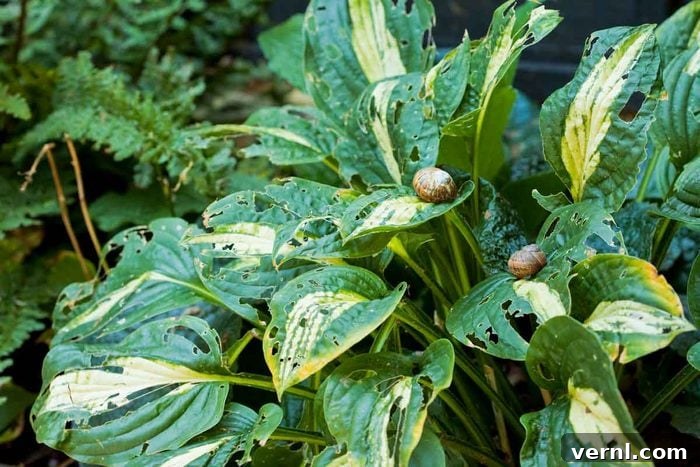
Slugs and snails unfortunately consider hostas a prime buffet, especially varieties with thinner leaves. While thick-leaved hostas exhibit greater resilience, damage in the form of unsightly holes can still occur, marring the beauty of the foliage. The good news is that simple preventative measures and quick action can effectively deter these common garden pests. Non-toxic solutions like wood ashes spread around the base of the plants, copper barriers (which create a mild electrical charge that slugs dislike), and diatomaceous earth (a natural abrasive that dehydrates soft-bodied pests) can help protect your hostas. Inspect your plants regularly, especially after rain or in the evening, and take immediate action if you notice any signs of slug or snail activity.
Overlooking Protection from Deer
In many regions, hostas are affectionately, or perhaps despairingly, referred to as “deer candy” due to their irresistible appeal to browsing deer. Where deer populations are prevalent, protecting your hostas is not just advisable, but often essential for their survival. So, how do you keep deer from eating hostas?
Effective strategies include regularly applying animal repellents that make the plants unappetizing or odorous to deer. Another highly effective method involves installing physical barriers, such as fencing. A less intrusive, yet surprisingly effective, trick some gardeners employ is to string fishing line or a thin, dark string around the perimeter of the hosta bed at deer chest height. Deer, with their poor depth perception, will run into the unexpected line, get startled, and typically retreat. Remember to mark these lines with bright ribbons or flags to make them visible to humans and prevent tripping hazards.
Growing Too Many Hosta Varieties in One Area
While the urge to collect every beautiful hosta variety might appeal to a plant enthusiast, planting a single specimen of each can result in a chaotic and visually jarring garden. Nature rarely operates with such a fragmented aesthetic, and the resulting artificial look can appear unattractive at best, and utterly discordant at worst. For a more harmonious and naturalistic appearance, hostas—and indeed many other plants—look far more cohesive and pleasing when grouped in odd numbers (e.g., three, five, or seven of the same variety). Careful grouping allows the eye to rest and perceive a unified mass of foliage, giving your hosta landscaping design a sophisticated and cohesive look rather than a scattered collection.
Going Overboard with Variegated Hostas
Variegated hostas, with their striking multi-colored leaves, are undoubtedly beautiful, but too many of them can make a garden look excessively “spotty” or busy. The key to successful garden design with variegated plants is moderation and thoughtful placement. Instead of scattering them individually throughout the garden, it’s more effective to plant variegated hostas in small, deliberate drifts or repeated clusters. This approach creates pockets of interest without overwhelming the senses. A smart strategy for controlling hosta spread visually and creating a cohesive garden design is to strategically place variegated hostas and then surround them with more subtle, solid-colored hostas, such as those with rich green or serene blue-green foliage. These solid colors act as a calming backdrop, allowing the variegated varieties to pop without creating a distracting visual cacophony.
Pairing the Wrong Hosta Varieties
Achieving visual harmony in your hosta garden also involves careful consideration of leaf color and variegation patterns. For instance, planting hostas with crisp white variegation directly adjacent to those with warm gold variegation is generally considered a visual mismatch. These two distinct color schemes often compete with each other rather than complementing, leading to an unnatural and discordant appearance. Instead, aim for pairings that offer subtle contrast or seamless transitions, or create clear separation between different variegation types to allow each to be appreciated individually without clashing.
Growing Hostas in an Exposed Location
Because hostas are known for their ease of growth and propagation, some gardeners mistakenly assume they can be planted almost anywhere. However, this is a common misconception that can lead to disappointment. Planting hostas in an open, unprotected location, especially one exposed to strong winds, can result in tattered, torn foliage that detracts significantly from their beauty. Strong winds can shred their large leaves, leaving them looking worn and unhealthy. Always strive to find a spot that offers some protection from prevailing winds, perhaps near a fence, a building, or among other sturdy plants.
Furthermore, if your household includes children or pets, particularly active dogs, it’s wise to consider planting hostas in areas where they will also receive protection from accidental trampling. Their succulent leaves can be easily damaged by foot traffic, so a slightly secluded or bordered spot is often best.
Planting Hostas in Full Sun
Hostas are quintessential shade-loving plants, a characteristic fundamental to their identity. While many gardeners ponder “do hostas spread?” when planning their landscape, an even greater concern for the health and longevity of these perennials is ensuring proper light exposure. Ideally, hostas thrive in full shade or in locations where they receive only gentle morning sun, which is far less intense than harsh afternoon sun. Too much direct sunlight, especially during the hottest parts of the day, can cause their leaves to scorch, bleach out, or develop unsightly brown edges, severely diminishing their aesthetic appeal and health.
Hostas also appreciate consistently moist soil, which is another reason sunny spots are generally unsuitable; these areas tend to dry out much faster, putting stress on the plants. Therefore, if you are specifically looking for drought-tolerant plants for a sun-drenched area, hostas are generally not the right choice and you should explore other options.
Growing Hostas with the Wrong Companion Plants
The beauty of hostas often lies in the bold texture and generous size of their leaves. To maximize their visual impact and create a truly dynamic garden composition, hostas look best when paired with companion plants that offer contrasting textures, particularly those with fine or delicate foliage. This contrast enhances the hosta’s impressive leaves, making them stand out even more. When considering hosta propagation tips or expanding your hosta collection, remember that thoughtful companion plantings not only elevate the overall visual appeal but can also contribute to creating ideal growing conditions by providing subtle shade or ground cover. Excellent companion plant examples include the feathery fronds of ferns, the delicate, heart-shaped flowers of bleeding heart (Dicentra spectabilis), the airy plumes of astilbe, and the elegant sprays of false spirea (Astilbe chinensis), all of which thrive in similar shaded environments and offer beautiful textural interplay.
Ignoring Mature Size When Siting a Plant
One of the most critical aspects of successful garden design, particularly with perennials, is understanding the mature size of your plants. Hosta varieties exhibit an enormous range in size, from miniature varieties barely a few inches across to magnificent giants that can span several feet. When managing perennial gardens, it is crucial to consider that a large hosta, perhaps measuring 24 inches or more at maturity, can effectively serve as a dramatic garden focal point, drawing the eye and being appreciated even from a distance. These larger specimens are best placed in the background or at the center of a bed where their grandeur can be fully displayed.
Conversely, smaller hosta varieties typically get lost if planted individually or in the background. They are much more effective when grouped together in clusters to create more visual interest and impact. Size also dictates optimal placement: those charming small hostas are perfect for the foreground of a bed or along a pathway, while the impressive, large focal-point hostas naturally belong in the mid-ground or background to provide depth and structure.
Frequently Asked Questions About Hostas
Do hostas grow faster in shade or partial sun?
“Hostas generally prefer shade, but some types can exhibit faster growth in partial sun, particularly in cooler climates such as the Pacific Northwest,” explains Amy McCord. “The ideal scenario is morning sun combined with afternoon shade. Intense afternoon sun can cause the leaves to burn and stress the plant, so it’s important to find that balance.”
Can overcrowded hostas harm other plants?
While hostas are not considered invasive species, when their growth is left unchecked, they can indeed take up significantly more space than initially intended. This vigorous clumping can lead to them crowding out nearby plants, especially those that require ample space, light, and nutrients to thrive. Implementing best practices for planting hostas, which includes providing adequate spacing from the beginning, is the most effective way to prevent this common problem. In densely planted beds, overcrowding not only reduces essential airflow, increasing the risk of disease, but also intensifies competition for water and vital soil nutrients. Consequently, more delicate or native species planted nearby would have fewer opportunities to flourish, potentially diminishing the biodiversity and overall health of your garden ecosystem.
How often should you divide hostas?
“A good rule of thumb is to divide hostas every few years, or specifically when you notice the center of the clump starting to thin out or decline,” advises McCord. Spring is by far the most opportune time to divide or transplant hostas. It’s best to wait until the plants are just beginning to emerge from the ground, as they are easier to locate and handle at this stage. Once the new shoots are visible, carefully dig up the entire clump, divide it into smaller sections using a sharp spade or knife, and then replant. Dividing in spring is advantageous because temperatures are typically cooler, and the foliage has not yet fully developed, meaning the plants will experience less water stress during the process, allowing them to establish more quickly and successfully.
About the Expert
- Amy McCord is a passionate garden enthusiast and the visionary founder and CEO of Flower Moxie. As a Master Florist certified by the esteemed American Institute of Floral Designers, Amy masterfully blends artistic flair with practical horticultural expertise, establishing herself as a trusted and inspiring voice for both professional florists and dedicated DIY enthusiasts alike.
Sources
- American Hosta Society: “11 Interesting Facts About Hostas”
- Royal City Nursery: “Hostas: Planting & Maintaining a Shade Garden”
- Wild Ones: “Treating the Hosta as Hostile”