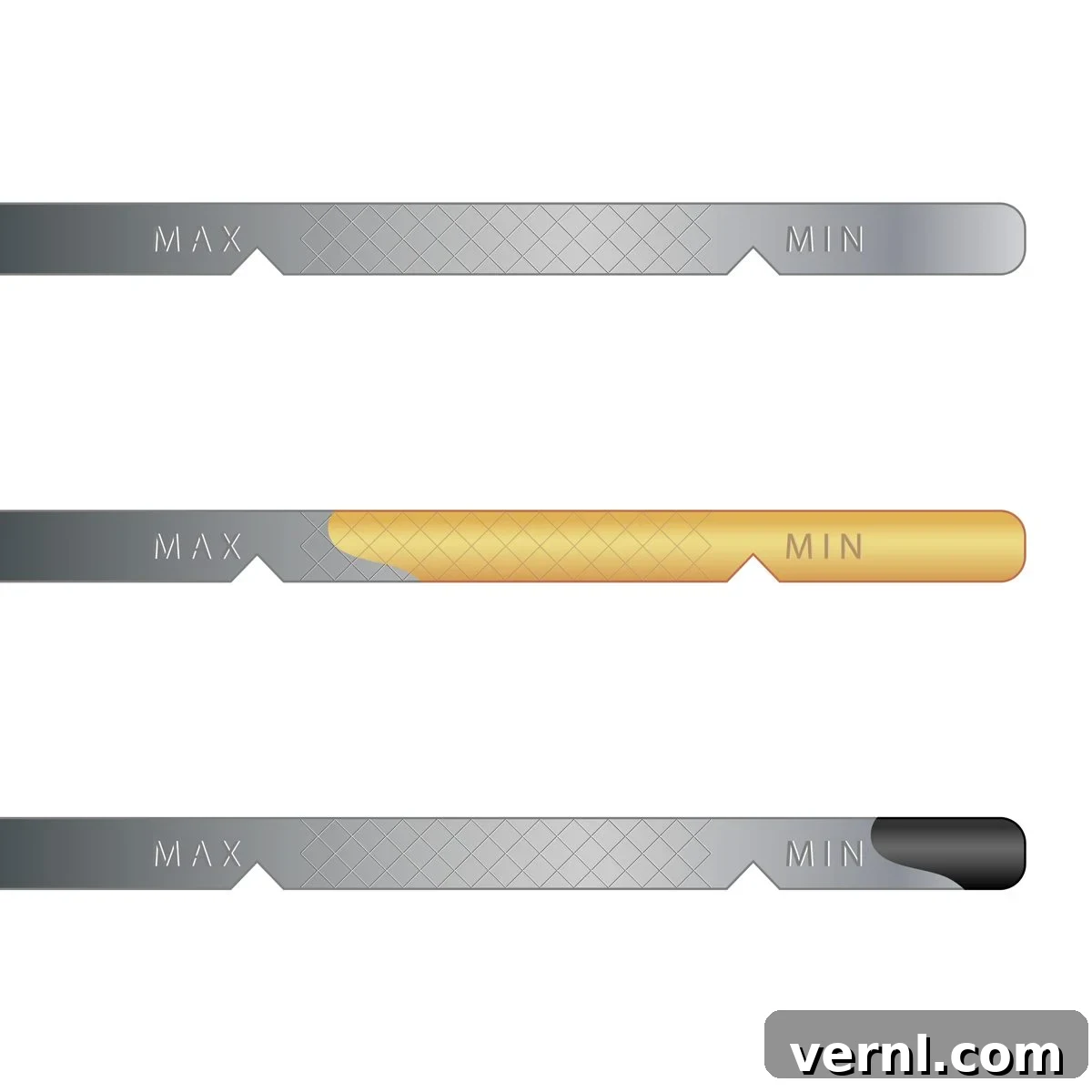
For decades, the mantra for vehicle maintenance was simple: change your car’s oil every 3,000 miles. This advice was universally accepted as automotive gospel, and for a very good reason. Ensuring your engine always has fresh, clean motor oil is paramount for its longevity and optimal performance. But in an era of advanced engineering and sophisticated lubricants, does this traditional 3,000-mile benchmark still hold true? Or have modern vehicles evolved to require different maintenance schedules? More importantly, what are the serious implications of neglecting this fundamental aspect of car care and running your vehicle with old, degraded oil?
Motor oil is far more than just a simple lubricant; it’s the lifeblood of your vehicle’s engine. As you drive, it constantly circulates through the intricate network of engine components, performing several critical functions simultaneously. Its primary role is to keep all moving parts adequately lubricated, drastically reducing the friction that would otherwise lead to rapid wear and tear. Beyond lubrication, motor oil acts as a coolant, helping to dissipate the intense heat generated by combustion and friction, thereby preventing your engine from dangerous overheating. It also cleans the engine by suspending dirt, carbon deposits, and microscopic metal particles, carrying them away to the oil filter, and provides a protective seal between components like the piston rings and cylinder walls, enhancing combustion efficiency.
According to Duane “Doc” Watson, a respected technical trainer at Bosch Mobility Aftermarket, “Over time, the oil picks up dirt, moisture, and minute metal shavings from engine wear. Eventually, it becomes saturated with these contaminants, losing its effectiveness and its ability to properly protect the engine.” He emphasizes the severe consequences of prolonged neglect: “If this critical maintenance is postponed for too long, your engine faces the risk of complete breakdown, potentially necessitating a costly replacement. When considering the alternatives, regular oil changes are an incredibly cost-effective measure compared to the expense and inconvenience of an entire engine replacement.”
Understanding these vital functions underscores why timely oil changes are non-negotiable for any vehicle owner. This comprehensive guide will delve into the precise mechanisms of oil deterioration, detail the significant damage that overdue oil changes can inflict on your car’s engine, outline the tell-tale signs that signal an immediate oil change is needed, and discuss modern recommendations for maintenance frequency. By following these insights, you can effectively prevent accelerated engine wear, the formation of harmful sludge, dangerous overheating, and other long-term damage, ensuring your vehicle remains reliable for years to come.
Understanding Oil Deterioration: The Forces at Play
The internal combustion engine, while a marvel of engineering, operates in an incredibly harsh and demanding environment. Within its confines, a constant battle unfolds against extreme temperatures, immense pressures, and corrosive byproducts, all of which contribute to the gradual degradation of your motor oil. Every cycle of a piston generates intense heat through the controlled explosions of combustion and the constant friction of moving metal parts. This brutal environment inevitably introduces a cocktail of impurities into the engine’s oil supply.
Sources of Contamination and Degradation:
- Combustion Byproducts: Fuel and air impurities, along with the natural outputs of combustion, are prime culprits. Incomplete combustion can produce soot and carbon deposits, while the proper combustion of hydrocarbons generates water vapor. These elements can find their way into the oil.
- Thermal Breakdown: High operating temperatures cause the oil’s molecular structure to break down. This process, known as thermal degradation or oxidation, leads to the formation of sludge and varnish. The oil loses its ability to lubricate effectively and becomes thicker, reducing its flow and heat-dissipating properties.
- Additive Depletion: Motor oil isn’t just oil; it’s a carefully formulated blend of base oils and additives. These additives are designed to perform specific tasks, such as detergents to clean, dispersants to suspend contaminants, anti-wear agents, and antioxidants. Over time and use, these vital additives are consumed, diminishing the oil’s protective capabilities.
The Impact of “Blow-by”:
A significant factor in oil contamination is a process known as “blow-by.” Piston rings are designed to create a tight seal between the piston and the cylinder wall, preventing the high-pressure gases from combustion from escaping into the crankcase, where the motor oil resides. However, this seal is never 100% perfect, especially under certain conditions.
Blow-by occurs when these combustion gases, carrying unburnt fuel, water vapor, and carbon particles, bypass the piston rings and enter the crankcase. This directly contaminates the oil, diluting it and accelerating its breakdown. The primary contributors to blow-by include:
- Cold Engine Starts: When an engine is cold, its metal components, including the pistons and rings, are contracted and haven’t yet expanded to their optimal operating tolerances. This slight looseness allows more combustion gases to sneak past the rings and into the crankcase.
- Engine Wear: As an engine ages, its components naturally experience wear. The piston rings can lose their tension, and the cylinder walls can become slightly scored or worn, compromising the seal and increasing blow-by. This creates a vicious cycle where contaminated oil further accelerates wear.
Engine components are engineered with precise tolerances that change with temperature. A cold engine’s pistons and rings are designed to be slightly “loose” to prevent seizing when they expand rapidly during operation. Ideal operating temperature for many engines is around 195 degrees Fahrenheit (approximately 90-95 degrees Celsius). Before the engine reaches this temperature, the less-than-perfect seal allows for a greater degree of blow-by, introducing more contaminants into the fresh oil right from startup. This continuous influx of impurities relentlessly challenges the oil’s integrity and effectiveness.
The Severe Consequences of Neglecting Oil Changes
Allowing your vehicle to run on overdue, contaminated oil sets off a chain reaction of detrimental effects that can severely compromise engine health and ultimately lead to expensive repairs or even complete engine failure. The cumulative damage from degraded oil is extensive, impacting nearly every aspect of the engine’s operation.
1. Accelerated Engine Wear and Friction
Perhaps the most direct consequence of dirty oil is increased friction and accelerated wear on critical engine components. As the oil loses its lubricating properties and becomes laden with abrasive particles (dirt, metal shavings, soot), it can no longer effectively create a protective film between moving parts. This allows metal-on-metal contact, leading to:
- Cylinder Wall Damage: Abrasive particles in the oil act like sandpaper, scouring the cylinder walls. This increases the cylinder’s diameter and creates imperfections, further exacerbating the “blow-by” problem. As blow-by increases, more contaminants enter the oil, intensifying wear in a destructive feedback loop.
- Bearing Surface Degradation: Engine bearings, which support rotating components like the crankshaft and camshaft, rely on a precise film of oil to operate smoothly. Degraded oil fails to maintain this film, leading to excessive wear on the bearing surfaces. This wear can significantly reduce oil pressure, triggering warning lights and potentially leading to catastrophic component failure.
- Piston Ring Damage: Worn piston rings not only lead to blow-by but also lose their ability to scrape oil off the cylinder walls effectively, resulting in oil burning and increased emissions.
2. Harmful Sludge and Varnish Buildup
Beyond simple contamination, overdue oil can undergo chemical changes that result in the formation of sludge and varnish. Sludge is a thick, gooey residue composed of oxidized oil, unburnt fuel, water, and other contaminants. Varnish is a hard, lacquer-like coating that forms on hot engine surfaces.
- Blocked Oil Passages: Sludge can clog vital oil passages and galleries within the engine, restricting the flow of oil to critical components. This “oil starvation” quickly leads to friction, overheating, and rapid wear.
- Oil Pump Failure: The oil pump, responsible for circulating oil throughout the engine, can become compromised by thick sludge, reducing its efficiency or leading to complete failure.
- Reduced Engine Cooling: Sludge and varnish act as insulators, preventing the engine from properly dissipating heat. This exacerbates the overheating problem and further accelerates oil breakdown.
3. Engine Overheating
Clean motor oil is crucial for cooling the engine by absorbing heat from moving parts and carrying it away. When oil becomes old and thick, its ability to transfer heat significantly diminishes. Increased friction from poor lubrication also generates more heat. The combined effect can cause the engine to run hotter than its optimal operating temperature, leading to:
- Damage to seals and gaskets, resulting in leaks.
- Distortion of engine components.
- A higher risk of complete engine seizure.
4. Decreased Fuel Efficiency and Performance
As oil degrades and thickens, it loses its optimal viscosity, increasing the resistance within the engine. This means the engine has to work harder to overcome internal friction, directly translating to:
- Reduced horsepower and torque output.
- A noticeable decrease in fuel economy, costing you more at the pump.
- A sluggish and less responsive driving experience.
5. Increased Emissions
Degraded oil and an inefficient engine can lead to increased harmful emissions. If old oil starts to burn due to blow-by or other issues, it releases pollutants into the atmosphere and can damage the catalytic converter.
On a fundamental molecular level, motor oil is comprised of chain-shaped hydrocarbon compounds. These molecules, naturally varying in length, are highly susceptible to the intense heat within your engine. Shorter hydrocarbon chains are particularly vulnerable, prone to burning off prematurely. This burning not only consumes oil but also leaves behind contaminants and byproducts that further degrade the remaining oil, causing it to become thicker, darker, and less effective. This compromised oil then struggles to provide adequate lubrication and heat dissipation, leaving your engine vulnerable to the extensive damage described above. Tools like an oil extractor pump can simplify the DIY oil change process, helping you avoid these costly issues.
Recognizing the Signs: When Your Vehicle Demands a Fresh Oil Change
Proactive monitoring of your vehicle’s condition is essential for preventative maintenance. Regularly checking your oil level and quality is a simple yet crucial step. Make it a habit to check your oil every few weeks, especially before long trips. While a low reading on the dipstick indicates the need for a top-off, the visual appearance of the oil itself offers a direct window into its health. If your normally translucent, golden-hued lubricant has transformed into a dark, sooty, and opaque fluid, it’s a clear signal that a full oil change is long overdue.
Beyond visual inspection, your vehicle often provides audible and performance-based clues that it’s running on degraded oil. Pay attention to these critical indicators:
- Dark and Dirty Oil: As mentioned, clean oil is typically amber or golden. Over time, it darkens as it collects dirt, carbon, and other contaminants. Excessively dark and thick oil on the dipstick is a primary visual indicator.
- Reduced Fuel Economy: When motor oil loses its viscosity and becomes thicker, the engine has to work harder to overcome internal friction. This increased effort directly translates to a noticeable decrease in your vehicle’s fuel efficiency, meaning you’ll be spending more at the gas pump.
- Unusual Engine Noises: One of the most alarming signs is the emergence of new engine sounds. Degraded oil can no longer provide adequate lubrication, leading to metal-on-metal contact. This often manifests as ticking, knocking, or clunking noises, particularly from the valvetrain or other moving parts. These sounds are a critical warning that severe engine wear is occurring.
- Increased Engine Temperature: As the oil’s efficiency dwindles, its ability to dissipate heat diminishes. This can cause the engine to run hotter than normal, potentially leading to overheating. While your temperature gauge might not always show “red,” consistent operation at higher-than-average temperatures warrants an immediate oil check.
- Oil Change Light or Check Engine Light: Many modern vehicles are equipped with an oil change reminder light or a “Check Engine” light that illuminates if an issue like low oil pressure or an oil quality sensor detection arises. Do not ignore these dashboard warnings.
- Exhaust Smoke: If you observe blue smoke emanating from your tailpipe, it’s often a sign that oil is burning in the combustion chamber, usually due to worn piston rings or valve seals, a condition exacerbated by poor lubrication.
Any combination of these signs demands prompt attention. Addressing them quickly by scheduling an oil change can prevent more serious, and far more expensive, engine damage. To ensure you’re giving your engine the best protection, be sure to also learn how to choose the right type of oil and filter for your specific vehicle.
Beyond the 3,000-Mile Myth: Modern Oil Change Intervals
The long-standing recommendation of changing your oil every 3,000 miles is largely a relic of the past. While it served its purpose effectively for older vehicles, modern automotive engineering and lubrication technology have revolutionized vehicle maintenance schedules. Today, it’s common for car manufacturers to recommend significantly longer intervals, often ranging from 5,000 to 10,000 miles, and in some cases even more, particularly for vehicles using synthetic oil.
This shift is not arbitrary; it’s the result of several key advancements:
- Engine Design Enhancements:
- Cleaner-Burning Engines: Modern internal combustion engines are designed with far more exacting specifications and tighter tolerances. This results in more efficient and cleaner combustion, significantly reducing the amount of soot, carbon, and other impurities that can enter the oil through blow-by.
- Improved Materials and Manufacturing: Advances in metallurgy and manufacturing processes have led to more durable engine components that experience less wear. This, in turn, generates fewer abrasive metal particles that would otherwise contaminate the oil.
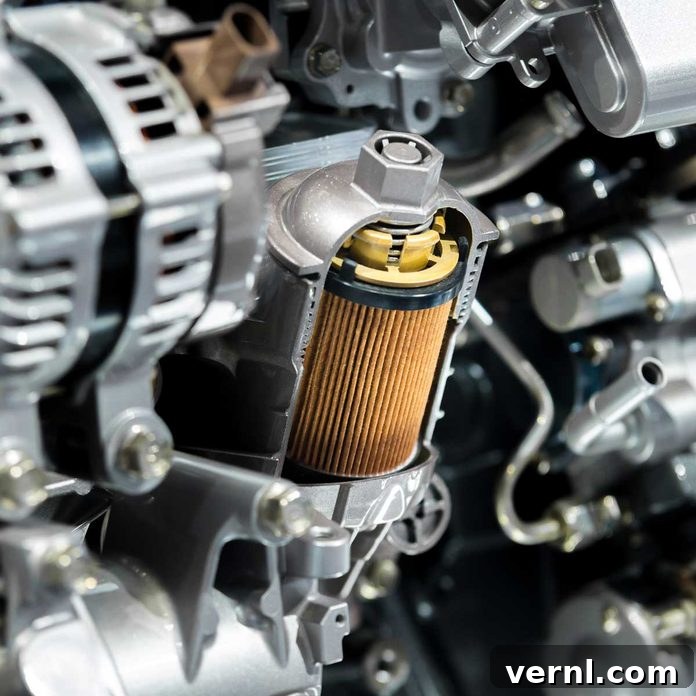
- Sophisticated Filtration Systems: Contemporary oil filters are far more efficient at capturing and retaining contaminants, ensuring the oil remains cleaner for longer periods before needing replacement.
- Evolution of Motor Oil Formulations:
- Synthetic Oil Superiority: The widespread adoption and improvement of synthetic motor oil is arguably the biggest game-changer. Unlike conventional oils, which are refined from crude oil, synthetic oils are engineered in a lab to have a more uniform molecular structure. This provides several key advantages:
- Enhanced Thermal Stability: Synthetic oils resist thermal breakdown and oxidation far better than conventional oils, meaning they can withstand higher temperatures without forming sludge or varnish.
- Consistent Viscosity: They maintain their optimal viscosity across a wider range of temperatures, ensuring effective lubrication from cold starts to extreme operating conditions.
- Improved Cleaning Power: Synthetics often contain advanced additive packages that provide superior cleaning and dispersant properties, keeping contaminants suspended and preventing them from settling.
- Reduced Volatility: The standardized hydrocarbon chains in synthetic oil are less prone to “boiling off” or burning up at high temperatures, which helps maintain oil level and reduces consumption.
- Advanced Additive Packages: All modern oils, even conventional and synthetic blends, benefit from highly advanced additive packages that improve their anti-wear properties, corrosion resistance, and ability to neutralize acids formed during combustion.
- Synthetic Oil Superiority: The widespread adoption and improvement of synthetic motor oil is arguably the biggest game-changer. Unlike conventional oils, which are refined from crude oil, synthetic oils are engineered in a lab to have a more uniform molecular structure. This provides several key advantages:
- Oil Life Monitoring Systems: Many contemporary vehicles are equipped with sophisticated Oil Life Monitoring (OLM) systems. These systems don’t just rely on mileage; they analyze various factors like engine operating conditions, temperature, revolutions per minute, and trip duration to calculate the actual remaining life of your oil. They will then notify you precisely when an oil change is needed, often extending intervals beyond fixed mileage recommendations.
While these advancements offer greater flexibility, it is absolutely crucial to always consult your vehicle’s owner’s manual for the manufacturer’s specific oil change recommendations. These guidelines are tailored to your engine’s design and the type of oil it’s engineered to use, ensuring both optimal performance and the preservation of your warranty. Sticking to these manufacturer-recommended intervals, whether they are based on mileage or an OLM system, is the best way to ensure the long-term health and reliability of your vehicle.
For those interested in performing this essential maintenance themselves, the process is quite manageable. You can learn how to change your car oil yourself with the right tools and guidance.
Frequently Asked Questions About Motor Oil and Changes
What are the risks of using oil that has been sitting for a long time in the car without driving it?
Even if a car isn’t driven frequently, the oil within its engine can still degrade over time, primarily due to exposure to air and temperature fluctuations. One significant risk is the absorption of moisture. Condensation can form within the engine, especially in humid environments or during temperature changes. This water mixes with the oil, diluting it and severely compromising its ability to properly cool and lubricate your engine’s delicate internal components.
“This diluted oil poses a significant threat as it can react to create corrosive acids that will aggressively attack and deteriorate aluminum parts within the engine,” explains Duane “Doc” Watson. He further cautions, “If you’re only making short trips and not driving long enough for the engine to reach full operating temperature, the oil won’t get hot enough to properly boil off the accumulated water. This persistent moisture can lead to extensive engine damage, affecting various critical parts and potentially culminating in a complete engine replacement.” Moreover, consistently failing to adhere to your vehicle’s manufacturer-recommended oil change intervals, even if the mileage isn’t high, could unfortunately void your powertrain warranty from the dealership, adding a financial risk to the mechanical one.
Is it acceptable to just top off old oil instead of performing a full oil change?
While topping off your engine oil might temporarily correct a low oil level, it is not a substitute for a complete oil change, and it will not address the underlying issue of degraded oil quality. Think of it this way:
“It’s akin to adding a small amount of clean water to a bucket of dirty, muddy water; it doesn’t make the entire bucket of water clean again,” explains an auto technician from All American Billet. The vast majority of the oil in your engine, along with its accumulated contaminants and depleted additives, will remain. The fresh oil will quickly become compromised by the old, dirty oil.
Therefore, if your oil appears old, dark, thick, or has been in the engine beyond its recommended service interval, the most effective and protective action you can take is to drain all the old oil and replace it entirely with fresh, manufacturer-specified oil and a new filter. This proactive approach will save you thousands of dollars in potential engine repairs and ensure the long-term reliability and performance of your vehicle.
About Our Expert Contributors
- Duane “Doc” Watson is a highly respected technical trainer at Bosch Mobility Aftermarket. With over 45 years of extensive experience in automotive repair, Doc Watson has dedicated his career to educating thousands of technicians. His deep expertise has been recognized with numerous prestigious industry awards, including Chevrolet Technician of the Year and Buick Service Master of the Year, underscoring his unparalleled knowledge in vehicle mechanics and maintenance.
- Insights were also provided by auto technicians representing All American Billet and WAM Bumpers. These online retailers, based in Phoenix, are renowned for their specialization in high-quality custom auto parts, including components for hot rods and off-road vehicles.
Beyond understanding the importance of oil changes, it’s also crucial to recognize broader signs that your vehicle may be nearing the end of its lifespan. Proactive attention to these indicators can help you make informed decisions about repairs versus replacement. For a more comprehensive look at vehicle health, explore the following:
1 / 13
Jerky Starting and Stopping
“Transmission issues are expensive. So, if you notice violent acceleration or braking while driving your car (and especially if all that jerking and shuddering is accompanied by some unpleasant grinding noises), it’s likely time to move on to a new vehicle.” —Matt Smith, senior editor at CarGurus.com.Plus: Check out 100 car maintenance tasks you can do on your own—no need to call the shop!
Your Car Has Rust
“Rust is a very expensive problem to fix and it continues to get worse if you don’t catch it when it starts. The chemicals they put on the roads during the winter really eat away at the paint and metal. Once rust starts, it spreads quickly. Water leaks also tend to do widespread damage in that water sits in hidden spots and causes corrosion. Both problems need to be looked at thoroughly to gauge how much damage has happened.”—Tom O’Neill, owner of O’Neill’s Auto Body Shop in New Holland, Pennsylvania. Learn these34 secrets that dealers know but you don’t.
You’re Holding On For Love
“Lots of people, professing to love the inanimate object that is their car, continue to make payments or repairs they can’t afford. Sometimes you just have to cut the cord and sell it.”—Lauren Fix, The Car Coach.These five inexpensive car additives could save you a ton of money.
It’s Leaking Fluids
“Much like the human body, your car requires precious fluids to stay alive. If you are having to refill any of your car’s vital fluids—coolant, oil, brake, and power steering fluid, etc.—every month, then it is only a question of when, not if, something will go out.”—David Ambrogio, a consultant at Superior Honda in New Orleans, Louisiana. Here are 74 car maintenance tips to extend the life of your car.
There’s a Change in your Financial Picture
“If you purchased a truck when gas prices were low, but now they are straining your finances, you have to consider if this is a long-term option for you. Another example may be a sports car that has great payments, but the insurance is putting it out of your reach.”—Valerie Coleman, a longtime car expert at AutoTrader.com and now the mobile marketplace 5miles
The Cost of the Repair Could Get you a Newer Ride
“I would advise that before spending the big bucks on a big repair, ask yourself, ‘What can I sell the car for while it’s running, and can I combine the sales proceeds with the money I would otherwise have spent on repairs to buy something newer and more reliable?’ I owned a high-end European car with over 200,000 miles on it. It ran great, but needed parts replaced. The estimate for all the named work was close to $4,000. The car had a book value of around $2,500. As the cliché goes, I was about to throw good money after bad. Sure, I might have gotten another 50,000 miles out of it, or it could have died 5,000 miles later. Another option would be to take the $4,000 I was about the spend, give my car away for $2,000, and buy a nicer, newer, used car for $6,000—which is what I did.”—Richard Reina, automotive expert and product training director for CARiD.com
Repeated Recalls
“No mechanical item is without issue, which includes your vehicle. Always make sure you keep up with your recalls, but if it becomes a pattern or happens to be a major recall, it may be time to investigate getting a new car.”—Valerie Coleman, a longtime car expert at AutoTrader.com and now the mobile marketplace 5miles. Buying a car online?Here’s what you need to know.
Lots of Little Blinking Lights
“The earliest sign of a car on its way out will often be found on the dashboard. All of those little warning lights are important, and ignoring them could spell more trouble down the road. If your check engine light is illuminated, you should take the car to your mechanic as soon as possible. If the oil light is on, you’ll want to pull over and call for help. And if either light persists, it may be time to find a new car.”— Matt Smith, senior editor at CarGurus.com.Learn how to change your oil yourself here.
Your Mileage and Warranty Don’t Line Up
“If you are like many people, a warranty is required for peace of mind. While there are companies that offer extended warranties, make sure you read the fine print. And watch your odometer. If you are near your warranty expiration and you are not in a position to buy an extended warranty, it may be a good time to look around.”—Valerie Coleman, a longtime car expert at AutoTrader.com and now the mobile marketplace 5miles
You’ve Hit the Century Mark
“When you hit that 100,000-mile marker, take stock of what you have, especially if you bought the car used. Sometimes a car will run for 175,000 miles, so it’s worth the investment. But if you buy a used car with a body that’s starting to rust out, you can bet the complex components were neglected too.”—Lauren Fix, The Car Coach. Beware, your car won’t survive winter without these fixes.
It’s Blowing Smoke
“Blue smoke pouring from the tailpipe means your car is burning oil, and white smoke means it’s evaporating coolant. You can certainly keep adding either fluid to your engine to keep the wheels turning, but failing to do either will result in that smoke starting to billow under the hood—and then it’s time for either an expensive fix or a new car.” —Matt Smith, senior editor at CarGurus.com
It’s Knocking On Heaven’s Door
“Keeping your car regularly lubricated with vital fluids goes a long way in maintaining your engine. Skipping regular maintenance can eventually cause your car’s camshaft to be no longer in sync with the pistons, leading to a ‘knocking’ sound that is a tell-tale sign that something is seriously wrong. This is an expensive fix, and it is usually time at this point to start saving up for a new engine.”—David Ambrogio, a consultant atSuperior Honda in New Orleans, Louisiana.
The Transmission is Slipping
“A slow response from your car’s transmission is another sign that your vehicle is about to die. Once the transmission starts losing gears, it’s ok to drive the car for a few more miles, but you will just be delaying the inevitable. At this point, the solution is to replace the transmission or get a new car.”—David Ambrogio, a consultant atSuperior Honda in New Orleans, Louisiana. These clever automotive hacks will come in handy during DIY car maintenance projects.