
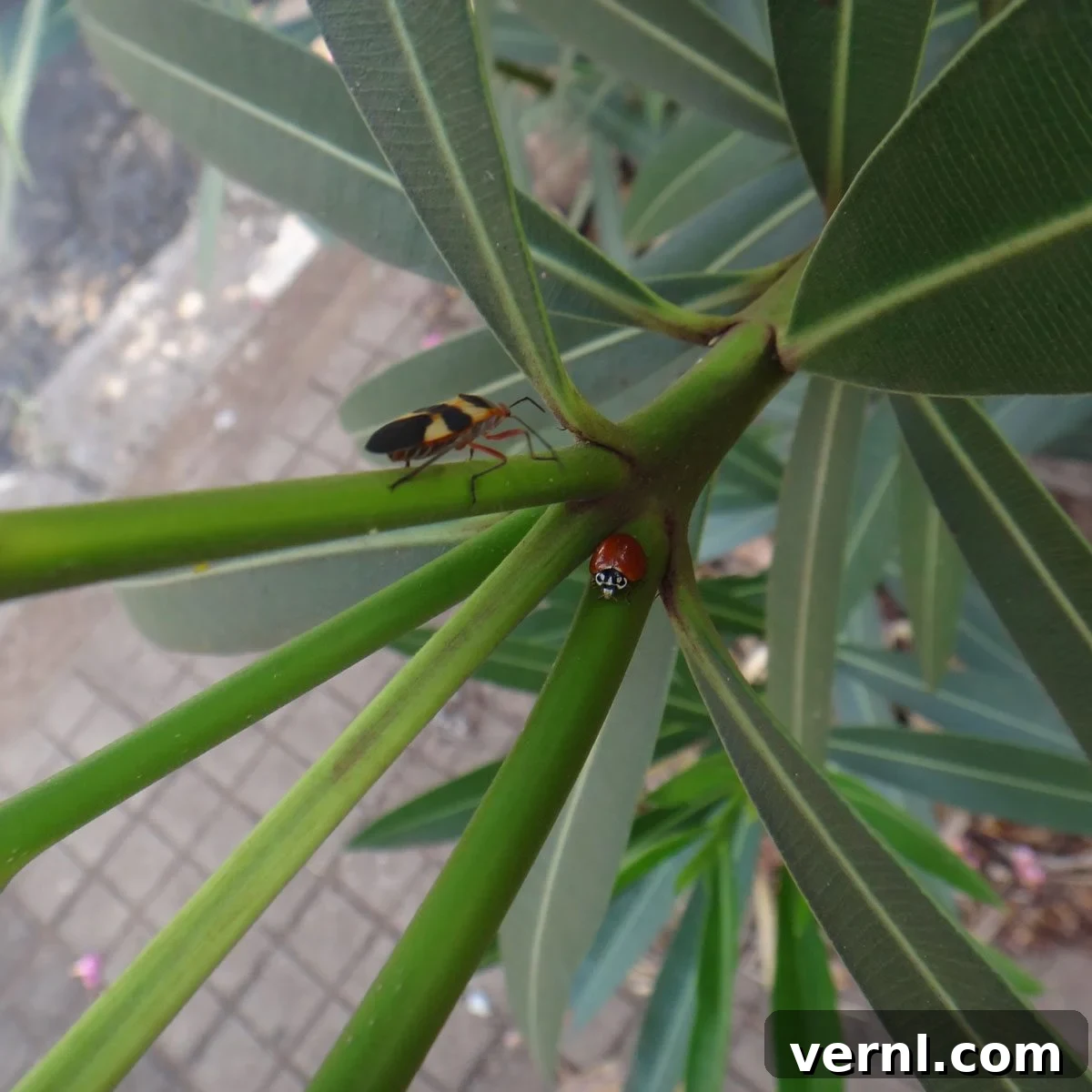
Identifying and Managing Common Fall Pests: Your Comprehensive Guide to Black and Red Bugs
As the vibrant colors of autumn emerge and temperatures begin to dip, a familiar annual migration starts for many insects. Driven by instinct, they seek warm, sheltered spaces to escape the harsh realities of winter. Unfortunately for homeowners, this often means your house becomes their prime target. Among the most common and often misunderstood seasonal invaders are boxelder bugs and Asian lady beetles, both characterized by their distinctive black and red markings. While these insects might make sporadic appearances throughout the year, it is during the fall that their presence truly becomes a noticeable nuisance.
This in-depth guide aims to equip you with the knowledge needed to identify and effectively manage these annoying fall pests. We’ll delve into the specific characteristics, behaviors, and potential impacts of boxelder bugs and Asian lady beetles, along with four other intriguing black and orange beetles that could be found in your garden or yard. By understanding what you’re dealing with, implementing strategic prevention and control methods becomes significantly simpler, ensuring your home remains a comfortable, pest-free sanctuary throughout the colder months.
Boxelder Bugs: Identification, Life Cycle, and Effective Control Strategies
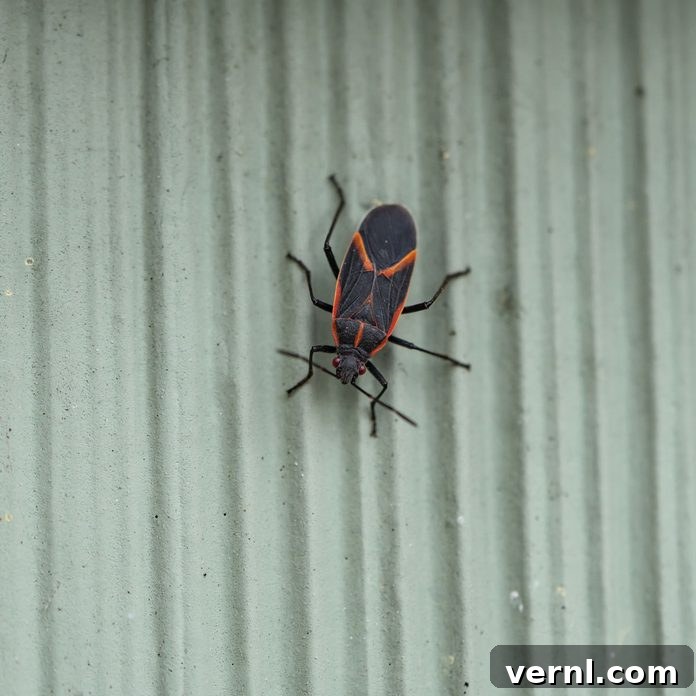
Boxelder bugs (Boisea trivittata) are quintessential fall invaders, widely recognized for their habit of congregating in large numbers on the sunny, exterior walls of homes. These small, ovular insects, typically measuring about half an inch in length, possess a distinct appearance: a black body prominently adorned with bright red or orange markings. A clear red line usually runs along the outer edge of their wings, and a striking red “V” or “Y” shape is visible behind their head when their wings are folded, making them relatively easy to identify amongst other black and red bugs.
Life Cycle and Preferred Habitats of Boxelder Bugs
Boxelder bugs derive their name from their primary host trees, which include boxelder trees, as well as various maple and ash species. They feed by sucking sap from the leaves, twigs, and developing seeds of these trees. While their feeding rarely causes significant damage to the host trees, it is crucial for their development. The boxelder bug typically completes two generations per year. Adults lay eggs on host trees in the spring, and the nymphs (immature bugs) hatch and mature throughout the summer. The adults of the second generation, emerging in late summer or early fall, are the ones most actively seeking overwintering sites.
As temperatures cool, these bugs are strongly attracted to warm, sun-exposed surfaces, making the south and west-facing walls of houses irresistible. They gather in impressive, sometimes alarming, clusters, basking in the last rays of autumn sun before attempting to infiltrate homes through any available crack, crevice, or opening. Their tendency to aggregate in such visible numbers is often the first sign of a boxelder bug problem.
Are Boxelder Bugs a Threat? Understanding Their Impact
Despite their unsettling appearance in large groups, boxelder bugs are generally considered nuisance pests rather than destructive ones. They do not bite humans or pets, nor are they known to transmit diseases. Crucially, unlike more destructive pests such as termites, boxelder bugs do not cause structural damage to homes, furniture, or wood. They do not breed indoors, meaning any bugs found inside are simply seeking shelter for the winter.
However, their presence can still be problematic. If crushed, boxelder bugs can emit a distinctive, unpleasant odor and, more notably, leave behind reddish-orange stains. These stains, caused by their body fluids, can be difficult to remove from light-colored carpets, curtains, upholstery, and even walls, making cleanliness a significant concern for homeowners.
Effective Prevention and Control for Boxelder Bugs
Managing boxelder bug infestations effectively involves a two-pronged approach: preventing their entry into your home and safely removing any that manage to get inside. The best strategy is always prevention.
Outdoor Prevention: Sealing Your Home Against Invaders
- Seal Entry Points: Thoroughly inspect the exterior of your home for any potential access points. Seal cracks and gaps in foundations, around windows and door frames, utility pipes, and fascia boards with high-quality caulk. Pay special attention to areas where siding meets the foundation or roofline.
- Repair Screens: Ensure all window and door screens are in good repair, free of tears or holes. Install fine mesh screens on attic vents, soffit vents, and chimney caps to block entry.
- Remove Attractants: If boxelder, maple, or ash trees are located very close to your home, consider pruning branches away from the structure or, if feasible, removing problematic trees. Rake up and dispose of fallen seeds and leaves from these trees, as they can attract the bugs.
- Perimeter Treatment: For persistent outdoor infestations, especially on sun-exposed walls, an approved residual insecticide can be applied to the exterior perimeter of your home in late summer or early fall. This creates a barrier that deters bugs from congregating and entering. Always follow product label instructions carefully and consider consulting a pest control professional.
Indoor Control: Safe Removal Methods
Once boxelder bugs have made their way indoors, chemical treatments are generally not recommended due to limited effectiveness against scattered bugs and potential health risks. The most practical and safest method for indoor removal is mechanical:
- Vacuuming: A vacuum cleaner with a hose attachment is highly effective for safely removing boxelder bugs without crushing them. This prevents staining and odor release. It’s advisable to use a vacuum with a disposable bag, which can then be sealed and immediately discarded outdoors to prevent bugs from re-escaping into the house.
- Soapy Water Spray: For a non-toxic spot treatment, mix a few drops of dish soap with water in a spray bottle. Spraying bugs directly can kill them by disrupting their exoskeleton. This solution is safe for indoor use and won’t leave harmful residues.
Understanding the seasonal nature of boxelder bug invasions and implementing consistent preventative measures will significantly reduce their presence and impact on your home. Knowing which house bugs are actually helpful and which are downright dangerous can provide further peace of mind.
Asian Lady Beetles: Identifying the Invader and Managing Its Presence
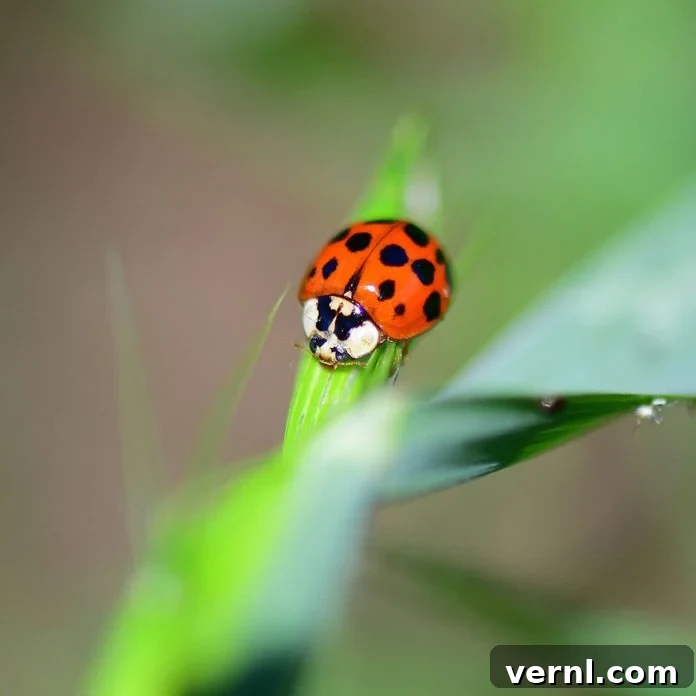
Often confused with beneficial native ladybugs, the Asian lady beetle (Harmonia axyridis) is another prominent fall invader that can become an unwelcome guest in homes. These small, round, black and orange beetles are frequently observed clustering on windowsills, around light fixtures, and in other warm, interior spots as autumn transitions into winter.
Distinguishing Asian Lady Beetles: Identification and Origin
Asian lady beetles typically measure about 1/4 inch in length and exhibit a wide spectrum of colors, ranging from a pale yellow to a vibrant orange-red, usually adorned with varying numbers of black spots. Some individuals may even lack spots entirely. A crucial identifying characteristic is the distinct “M” or “W” shaped black marking found on the white section behind their head, known as the pronotum. They also tend to have more pronounced white markings on their cheeks compared to most native ladybug species.
Originally introduced to North America from Asia in the early 20th century, primarily as a biological control agent for aphid populations on crops, Asian lady beetles have since spread widely and established robust populations across the continent. While they continue to serve as effective predators of agricultural pests, their strong inclination to invade human dwellings in large numbers has transformed them into significant nuisance pests.
Behavioral Traits and Nuisance Factors of Asian Lady Beetles
Similar to boxelder bugs, Asian lady beetles actively seek warm, protected environments to overwinter. They are particularly drawn to light-colored surfaces and the radiant heat emanating from sun-exposed homes. Unlike boxelder bugs, which often cover entire exterior walls, Asian lady beetles are more prone to “weaseling their way” into homes through tiny cracks and openings. Once inside, they may fly erratically around light bulbs, crawl along ceilings and windowsills, or simply gather in dormant clusters within wall voids or attics.
While generally considered harmless, Asian lady beetles can deliver a mild bite if they feel threatened or are squeezed, which is more startling than genuinely painful. However, a more significant issue arises from their defense mechanism: when disturbed, crushed, or even simply stressed, they release a foul-smelling, yellowish fluid. This fluid, containing noxious alkaloids, can stain surfaces, particularly light-colored paint, curtains, and carpets, making cleanup a challenge. Furthermore, the presence of large numbers of these beetles can sometimes trigger allergic reactions in sensitive individuals, manifesting as symptoms similar to hay fever or asthma.
Their sheer numbers can be overwhelming, contaminating food or drink if left exposed, and their constant movement can be a considerable annoyance in living spaces. Moreover, Asian lady beetles pose an ecological threat to native ladybug populations through competition for food resources and potential transmission of pathogens, impacting the delicate balance of local ecosystems.
Controlling Asian Lady Beetles: Prevention and Removal
Effective management of Asian lady beetles primarily focuses on proactive prevention to keep them out of your home, followed by safe physical removal of any intruders.
Preventative Measures: Fortifying Your Home’s Defenses
- Seal All Entry Points: This is the most critical step for preventing indoor invasions. Meticulously caulk cracks and gaps around window frames, door frames, utility pipes, and electrical outlets. Repair or replace any damaged screens on windows and doors, and ensure attic, soffit, and foundation vents are fitted with fine mesh covers. Pay close attention to gaps where siding meets the foundation or roofline.
- Install Door Sweeps and Weatherstripping: Gaps beneath exterior doors are common entry points. Install sturdy door sweeps and ensure all exterior doors have effective weatherstripping to create a tight seal.
- Exterior Cleaning: Keep the exterior of your home clean and free of spiderwebs or other insect debris that might attract them.
- Manage Outdoor Lighting: Since they are attracted to light, consider turning off outdoor lights at night, especially during peak fall invasion periods. Alternatively, switch to yellow “bug lights” which emit wavelengths less attractive to insects.
- Professional Perimeter Treatment: For severe or recurring infestations, particularly on light-colored homes, a licensed pest control professional can apply residual insecticides to the exterior perimeter of your home in late summer or early fall. This creates a deterrent barrier around potential entry points.
Indoor Removal: Gentle and Effective Techniques
Once Asian lady beetles are inside, avoid crushing them to prevent unpleasant odors and staining. The best methods for indoor removal are:
- Vacuuming: A handheld vacuum or a vacuum cleaner with a hose attachment is highly effective for safely collecting beetles. To prevent them from escaping back into the house, it’s recommended to place a nylon stocking inside the vacuum hose, secured with a rubber band, before attaching the nozzle. This traps the bugs in the stocking, allowing you to easily remove and release them outdoors (far from your home) or dispose of them.
- Soapy Water Trap: In a dark room, place a pan of water with a few drops of dish soap beneath a light source. The beetles will be attracted to the light, fall into the water, and drown due to the reduced surface tension. This can be effective for passive collection overnight.
Keeping lady beetles out of your house requires consistent effort, but the rewards of a pest-free home are well worth it.
The Native Ladybug: Your Garden’s Most Cherished Beneficial Insect
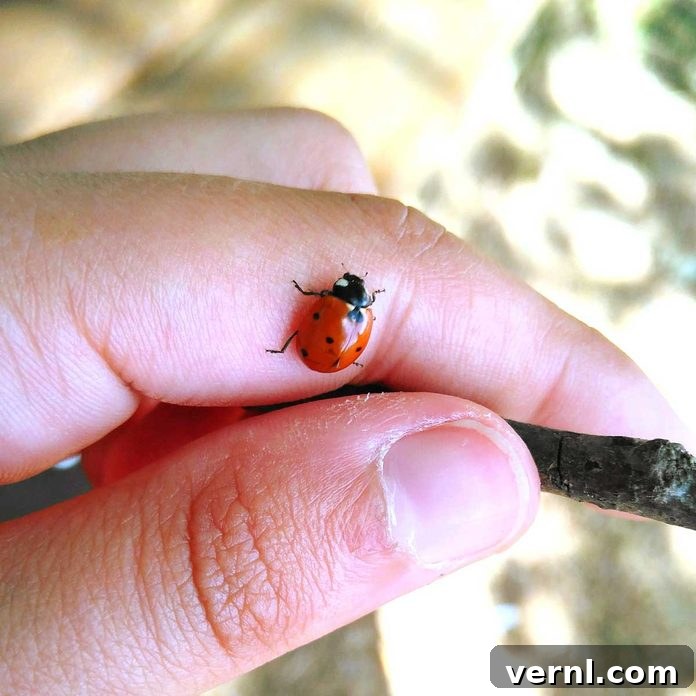
In stark contrast to the invasive Asian lady beetle, native ladybugs (belonging to the Coccinellidae family) are invaluable allies in any garden. While their populations have unfortunately seen a decline in recent years, largely due to competition from their more aggressive Asian counterparts and habitat loss, these beneficial insects play a crucial role in natural pest control. Unlike Asian lady beetles, true native ladybugs do not typically invade homes seeking winter shelter, nor do they bite humans. Instead, they are content to remain outdoors, diligently protecting your plants.
Distinguishing Native Ladybugs from Asian Lady Beetles
For gardeners, being able to differentiate between native ladybugs and the invasive Asian lady beetles is essential for fostering a healthy, balanced ecosystem. Although both share a similar red/orange and black color scheme, several key features allow for clear distinction:
- Size and Shape: Native ladybugs are generally smaller and tend to have a more uniformly round, dome-shaped body. Asian lady beetles are often slightly larger and more oval in shape.
- Color and Spots: While coloration can vary, native ladybugs typically possess brighter, more vivid red bodies with clearly defined black spots. Asian lady beetles exhibit a wider color range, from pale yellow to deep orange, and their spots can be faded, numerous, or even entirely absent.
- Head Markings: The most reliable distinguishing feature is the marking on the pronotum, the section directly behind the head. Native ladybugs often have small white spots on their cheeks or a simple black pronotum with a white border. Asian lady beetles, however, almost invariably display a distinct black “M” or “W” shaped marking on a white background on their pronotum. This is the clearest visual cue to differentiate the two species, as highlighted in comparisons like ladybug vs. Asian lady beetle guides.
- Behavior: Native ladybugs are primarily outdoor insects, focused on preying on garden pests. They do not exhibit the same strong inclination to aggregate on homes or seek entry into structures during the fall.
- Biting: True native ladybugs do not bite humans. Asian lady beetles, however, are known to deliver a mild pinch if provoked.
The Gardener’s Best Friend: The Benefits of Native Ladybugs
Native ladybugs are highly celebrated for their voracious appetite for soft-bodied garden pests, making them an exceptional natural pest control solution. Both adult ladybugs and their distinctive, alligator-like larvae are powerful predators of:
- Aphids: These tiny, sap-sucking insects can rapidly infest and devastate plants. A single ladybug can consume thousands of aphids throughout its lifetime.
- Mealybugs: Another common garden pest that feeds on plant sap, causing stunted growth and damage.
- Scale Insects: Small, immobile insects that attach to plants and feed on their sap, often leading to discoloration and decline.
- Mites: Tiny arachnids, such as spider mites, which can cause significant damage to foliage.
- Other Small Insects and Eggs: Ladybugs will also feed on various other small insect pests and their eggs, contributing to overall garden health.
By encouraging native ladybugs in your garden ecosystem, you can significantly reduce or even eliminate the need for chemical pesticides, thereby promoting a healthier, more organic environment for your plants, crucial pollinators, and family.
Attracting and Supporting Native Ladybugs in Your Garden
If you wish to encourage and sustain native ladybug populations in your garden, it’s vital to create a hospitable environment and avoid practices that harm beneficial insects:
- Plant Nectar and Pollen Sources: Adult ladybugs, especially when prey is scarce, also feed on nectar and pollen. Plant a diverse array of flowering plants that provide these resources, such as dill, cilantro, fennel, sweet alyssum, cosmos, and marigolds.
- Provide Shelter: Offer ground cover, native perennial grasses, and small shrubs where ladybugs can find refuge from predators and harsh weather.
- Avoid Harmful Pesticides: Refrain from using broad-spectrum synthetic pesticides that can indiscriminately kill ladybugs and their essential food sources. Opt for organic pest control methods and targeted treatments only when absolutely necessary.
- Be Cautious with Purchased Ladybugs: While many garden centers sell packages of “ladybugs” for pest control, it is crucial to research the source before making a purchase. Unfortunately, many commercially available packages contain Asian lady beetles rather than native species. If you purchase ladybugs, verify that they are indeed native species to avoid inadvertently introducing another invasive pest into your local ecosystem. Look for reputable suppliers specializing in native beneficial insects and local entomological societies for guidance.
By embracing these practices, you can cultivate a thriving garden that not only flourishes but also serves as a sanctuary for these invaluable natural pest controllers.
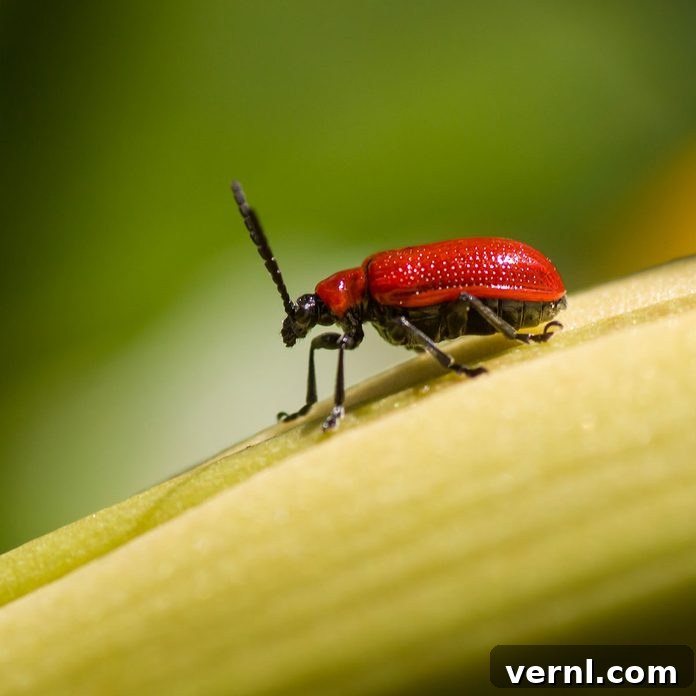
The Scarlet Lily Leaf Beetle: A Devastating Pest for Lily Lovers
For individuals who cherish the exquisite beauty of lilies, the scarlet lily leaf beetle (Lilioceris lilii) represents a particularly formidable and destructive garden pest. These strikingly red and black bugs are renowned for their ability to wreak extensive havoc on lily plants, as well as fritillaries and Solomon’s seal, threatening the very existence of these prized garden additions.
Identification and Destructive Habits of the Scarlet Lily Leaf Beetle
The adult scarlet lily leaf beetle is unmistakable due to its vibrant coloration. Measuring approximately 1/4 to 3/8 inch in length, it boasts a brilliant, glossy scarlet-red body on top, sharply contrasted by black legs, antennae, head, and underside. They possess a slender, elongated body shape, which clearly distinguishes them from the more rounded boxelder bugs or lady beetles. A characteristic behavior of these beetles is their rapid defense mechanism: when disturbed, they quickly drop off plants and flip onto their black backs, making them incredibly difficult to spot against dark soil or mulch.
Their larvae, though less visually striking, are equally, if not more, destructive. These slug-like larvae are yellowish-orange or brown and possess a unique, repulsive defense strategy: they cover themselves with their own moist, black excrement (frass). This makes them appear like small, dark, slimy lumps on the undersides of leaves, providing camouflage and deterring predators.
Life Cycle and Devastating Damage to Lilies
Scarlet lily leaf beetles typically overwinter as adult beetles in the soil or beneath leaf litter. They emerge in early spring, precisely around the time lily shoots begin to sprout, and immediately commence feeding on the tender new foliage and mating. Females lay clusters of bright orange or red eggs in irregular lines on the undersides of lily leaves. These eggs quickly hatch into the voracious larvae, which are responsible for the most significant and visible plant damage.
Both adult beetles and their larvae feed aggressively on lily leaves, buds, and flowers. Adults chew holes and create ragged edges on leaves, while the larvae can completely skeletonize leaves, reducing them to mere veins. A severe infestation can rapidly defoliate an entire plant, severely weakening it, preventing it from flowering, and ultimately leading to the plant’s demise. The timing of their activity, which coincides directly with the lily growing season, makes them particularly challenging for gardeners to manage.
Effective Management Strategies for Scarlet Lily Leaf Beetles
Since these beetles do not invade homes, control efforts are focused exclusively on garden management, particularly during the critical spring and early summer months when lilies are actively growing and blooming. According to Gardener’s Supply Company, proactive measures are key.
- Manual Removal (Hand-Picking): For smaller infestations, diligently hand-picking adults, larvae, and eggs is a highly effective organic method. Regularly inspect your lily plants, paying close attention to the undersides of leaves. Drop collected beetles and larvae into a bucket of soapy water to ensure their demise. This method requires consistent vigilance but yields excellent results.
- Pruning Affected Parts: Promptly remove and destroy any leaves or plant parts heavily infested with eggs or larvae. This helps to break their life cycle and reduce future populations.
- Neem Oil Applications: Horticultural oils, such as neem oil, can be effective, particularly against larvae and eggs. Neem oil acts as an antifeedant and growth disruptor. Apply according to product instructions, ensuring thorough coverage of all plant surfaces, especially the undersides of leaves, and reapply after rain.
- Beneficial Nematodes: Some species of beneficial nematodes can be applied to the soil in late summer/early fall to target overwintering adult beetles or in spring to target emerging adults and young larvae, offering a biological control option.
- Systemic Insecticides (Use with Extreme Caution): For very severe infestations, and only in situations where lilies are not visited by pollinators, systemic insecticides may be considered. However, these should be applied with extreme caution, as they can harm beneficial insects, including pollinators. Always read and strictly adhere to product label instructions, and consider this a last resort.
- Companion Planting: While scientific evidence is limited, some gardeners report that planting strong-smelling herbs like garlic, chives, or mint near lilies might deter the beetles.
- Fall Cleanup: Rake up and dispose of all leaf litter, plant debris, and spent lily stems around your lily beds in the fall. This crucial step eliminates potential overwintering sites for adult beetles, significantly reducing the population that will emerge the following spring.
Vigilance and consistent management from early spring are paramount to protecting your lilies from the destructive scarlet lily leaf beetle. Early detection and prompt action are the best defenses for ensuring healthy, beautiful blooms each season. These pests are worst in the spring around the time daffodils and lilies typically bloom.
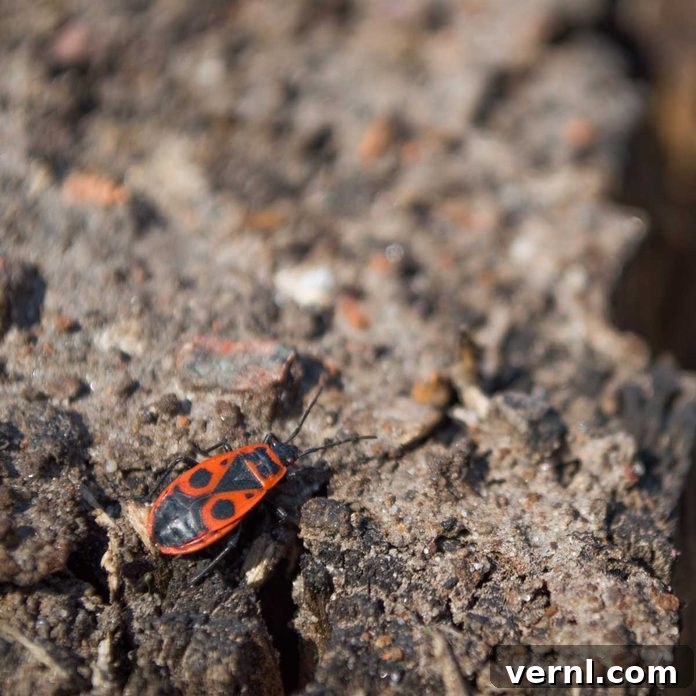
The European Firebug: An Emerging and Localized Pest in North America
The firebug (Pyrrhocoris apterus) is an eye-catching insect, renowned for its bold black and red patterning, and is a common sight across Europe and parts of Asia. While largely unknown in the broader context of North America, this species has recently established localized populations in specific regions of the United States, most notably Utah, making it a subject of growing interest for entomologists and, increasingly, for homeowners in affected areas. It’s important not to confuse these with fireflies, which are an entirely different insect and are often considered beneficial.
Firebug Identification and Behavior
Firebugs are easily distinguished by their distinctive ovular bodies, relatively long legs, and a prominent, characteristic black and red pattern on their backs. The red coloration forms two large, often somewhat circular spots on their wing covers, frequently resembling a mask or stylized eyes, separated by a black triangle or hourglass shape. Adult firebugs typically measure about 1/3 to 1/2 inch in length. They are sometimes mistaken for boxelder bugs due to their similar color scheme, but firebugs generally have a more robust, slightly flatter body and a very specific “mask-like” pattern that differentiates them.
A key biological difference from boxelder bugs is that adult firebugs are often flightless, meaning they possess undeveloped wings and cannot fly. They primarily move by crawling, which limits their natural dispersal capabilities but does not prevent their accidental transportation by human activities. Much like boxelder bugs, firebugs are known to gather in significant, noticeable aggregations on the sunny sides of buildings, tree trunks, fences, and other warm surfaces, particularly during cooler months as they actively seek warmth and shelter.
Their diet primarily consists of seeds, with a preference for seeds from lime trees, mallows, and linden. They are generally not considered significant agricultural or garden pests, typically causing minimal damage to plants. Their main pest status arises from their habit of congregating in large numbers, turning them into a nuisance when they appear on or around homes.
Firebugs in North America: A Localized Concern
Outside of their indigenous European habitat, firebugs have only established noticeable populations in the state of Utah, likely introduced through accidental human-mediated transport. This highly localized presence means that for the vast majority of North America, encounters with firebugs remain rare. However, in the affected areas of Utah, their numbers can be substantial, leading to increasing concerns about their potential for further spread and their ecological impact on native insect species.
Similar to boxelder bugs, firebugs are not known to bite humans or pets, nor do they pose a direct threat of structural damage to homes. However, their tendency to gather in large, visible groups on buildings can be disconcerting and create an unsanitary impression. If crushed, they are known to, much like boxelder bugs, leave behind stains on surfaces, making their management indoors primarily a matter of nuisance control and preventing cosmetic damage.
Managing Firebug Presence in Affected Regions
For residents living in the specific regions where firebugs have established populations, particularly in Utah, the recommended strategies for managing them closely parallel those used for boxelder bugs, given their similar nuisance behaviors and overwintering habits:
- Seal Entry Points: The most effective preventative measure is to meticulously seal all cracks and openings around windows, doors, foundations, and utility penetrations using caulk and weatherstripping. Ensure all screens are intact and properly sealed.
- Exterior Cleaning and Debris Removal: Remove accumulated leaf litter, woodpiles, rock piles, and other organic debris near your home. These materials can serve as attractive overwintering sites for the beetles, encouraging their presence.
- Vacuuming Indoors: If firebugs manage to enter your home, the safest and most effective method for removal is vacuuming. Use a hose attachment to gently collect them, then dispose of them outdoors in a sealed bag to prevent re-entry and avoid staining interior surfaces.
- Perimeter Treatment (Optional): For severe outdoor congregations on building exteriors, a targeted application of an appropriate insecticide to the building’s sunny walls and around entry points can act as a deterrent. Always consult with a local pest control expert to ensure the correct product and application method are used, and strictly adhere to product label instructions.
Given their status as an introduced species, documenting sightings of firebugs is incredibly important for tracking their current distribution and understanding their potential ecological impact. Residents in Utah are strongly encouraged to report their observations to local entomological projects, such as the Firebugs of Utah project. This valuable citizen science data helps scientists monitor and manage the spread of this emerging pest, contributing to broader ecological understanding and proactive management strategies.
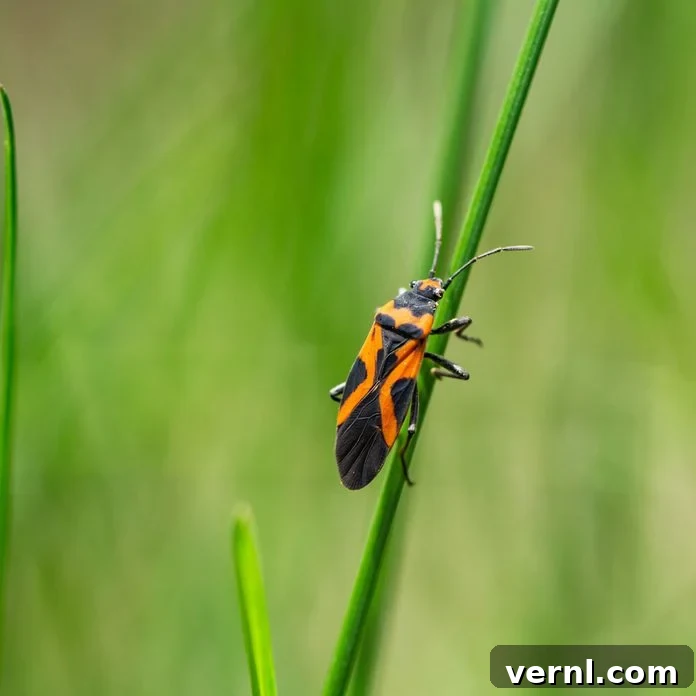
Milkweed Bugs: Their Role in the Ecosystem and Impact on Monarch Habitats
Milkweed plants are celebrated for their indispensable role in supporting monarch butterflies and a myriad of other pollinators, providing crucial nectar sources and serving as the sole host plant for monarch caterpillars. While common milkweed (Asclepias syriaca) blooms with beautiful, fragrant mauve flowers, attracting beneficial insects, it can also become home to a distinctive group of black and orange insects known as milkweed bugs.
These insects are a natural part of the milkweed ecosystem, but their presence sometimes raises concerns, particularly among those dedicated to monarch conservation. Understanding their species-specific behaviors is key to managing them responsibly.
Identifying Common Milkweed Bug Species
There are several species of milkweed bugs, but two are most frequently encountered in North American gardens: the Large Milkweed Bug (Oncopeltus fasciatus) and the Small Milkweed Bug (Lygaeus kalmii). Both species share a similar black and orange (or red) coloration, bearing a resemblance to boxelder bugs in their general body shape and coloring, but possess specific markings that allow for their differentiation.
- Large Milkweed Bug: These insects are typically larger, measuring approximately 1/2 to 3/4 inch in length. They are characterized by a prominent black band across their mid-section, often creating a clear orange-black-orange pattern on their backs. Their coloration tends to be a vibrant red-orange.
- Small Milkweed Bug: As their name suggests, these are smaller, usually about 1/3 inch long. The small milkweed bug is distinctively identified by a black “X” or hourglass shape on its back, bordered by bright orange or red. This unique marking is the most reliable feature to distinguish them from other similar-looking red and black bugs.
Both large and small milkweed bugs have flat, elongated bodies and long antennae. They are true bugs, belonging to the order Hemiptera, and feed using piercing-sucking mouthparts to extract fluids from plants.
Life Cycle and Their Impact on Milkweed Plants and Monarchs
Milkweed bugs spend their entire life cycle in close association with milkweed plants. Adult bugs emerge in the spring, feed on various parts of the milkweed plant (including seeds, leaves, and stems), and lay their eggs on the plants. The nymphs (immature bugs) are also brightly colored, typically red with black spots, and undergo several molts as they grow before reaching adulthood. Multiple generations of milkweed bugs can occur throughout the summer months.
While their presence might seem concerning due to their numbers, the Large Milkweed Bug generally causes minimal damage to established milkweed plants. Their primary food source is the seeds within the milkweed pods. While this can reduce the overall number of viable seeds, it rarely impacts the health of mature plants or significantly harms monarch populations, as monarch caterpillars feed on leaves and adult monarchs primarily consume nectar.
However, the Small Milkweed Bug is considered potentially more problematic for monarch conservation. Although they primarily feed on seeds, they have been observed to occasionally prey on monarch eggs and very young caterpillars, particularly when milkweed plants are stressed, or food resources are scarce. This predatory behavior, though not a widespread threat, can be a concern for monarch conservation efforts, especially in areas with limited milkweed habitat. The Save Our Monarchs Foundation provides an overview of various milkweed bugs, highlighting which ones might pose a threat.
Managing Milkweed Bugs in a Monarch-Friendly Garden
Given the critical importance of milkweed for monarch butterflies, any management strategy for milkweed bugs must prioritize the safety of monarch eggs and caterpillars. The use of chemical pesticides is strongly discouraged, as they will indiscriminately harm monarchs and other beneficial insects.
- Manual Removal: For small populations, the safest and most effective method is hand-picking milkweed bugs (both adults and nymphs) from the plants. Drop them into a bucket of soapy water. This method is particularly recommended for the small milkweed bug if you observe them preying on monarch eggs or larvae.
- Strong Water Spray: A strong jet of water from a garden hose can dislodge bugs from the plants. While they may return, consistent spraying can help reduce their numbers.
- Promote a Diverse Ecosystem: Encourage overall garden biodiversity. Healthy milkweed plants are generally more resilient to bug populations. Planting a variety of native plants can attract natural predators that may also feed on milkweed bugs.
- Monitor and Observe: Regularly inspect your milkweed plants. If you primarily see large milkweed bugs and monarch activity appears healthy, intervention may not be necessary. Focus your efforts on removing small milkweed bugs, especially if you observe them interacting negatively with monarchs.
- Late Season Cleanup: After the monarch migration has concluded in the fall, consider cutting back milkweed plants. This can help reduce overwintering sites for milkweed bugs and also prevent the spread of milkweed diseases, benefiting the monarch generation in the following year.
Understanding the specific species of milkweed bug present in your garden is crucial. Most often, milkweed bugs are simply another component of the milkweed ecosystem, and only the small milkweed bug warrants closer attention concerning direct monarch protection.
Conclusion: Your Comprehensive Guide to a Pest-Free Home and Garden
Encountering various insects, particularly those with eye-catching black and red or orange markings, is a common and often seasonal experience for homeowners and gardeners alike. While some, such as the cherished native ladybug, are welcome allies in maintaining a healthy ecosystem, others like boxelder bugs, Asian lady beetles, scarlet lily leaf beetles, firebugs, and even certain milkweed bugs can quickly transition from mere curiosities into unwelcome nuisances or destructive garden pests.
The cornerstone of effective pest management lies in accurate identification, a thorough understanding of their specific life cycles and behaviors, and the implementation of proactive, strategic control measures. By meticulously sealing potential entry points into your home, diligently maintaining your garden, and thoughtfully choosing appropriate, environmentally friendly control methods, you can significantly reduce pest populations and their impact. Remember to prioritize prevention as your first line of defense, utilize non-chemical and mechanical solutions whenever possible, and always consult local extension services or pest control professionals for tailored advice specific to your region and situation. Armed with this comprehensive knowledge, you are well-equipped to ensure a more peaceful and pest-free environment for your home and a healthier, thriving ecosystem for your garden, allowing you to fully enjoy the beauty of every season without unwanted interruptions.