
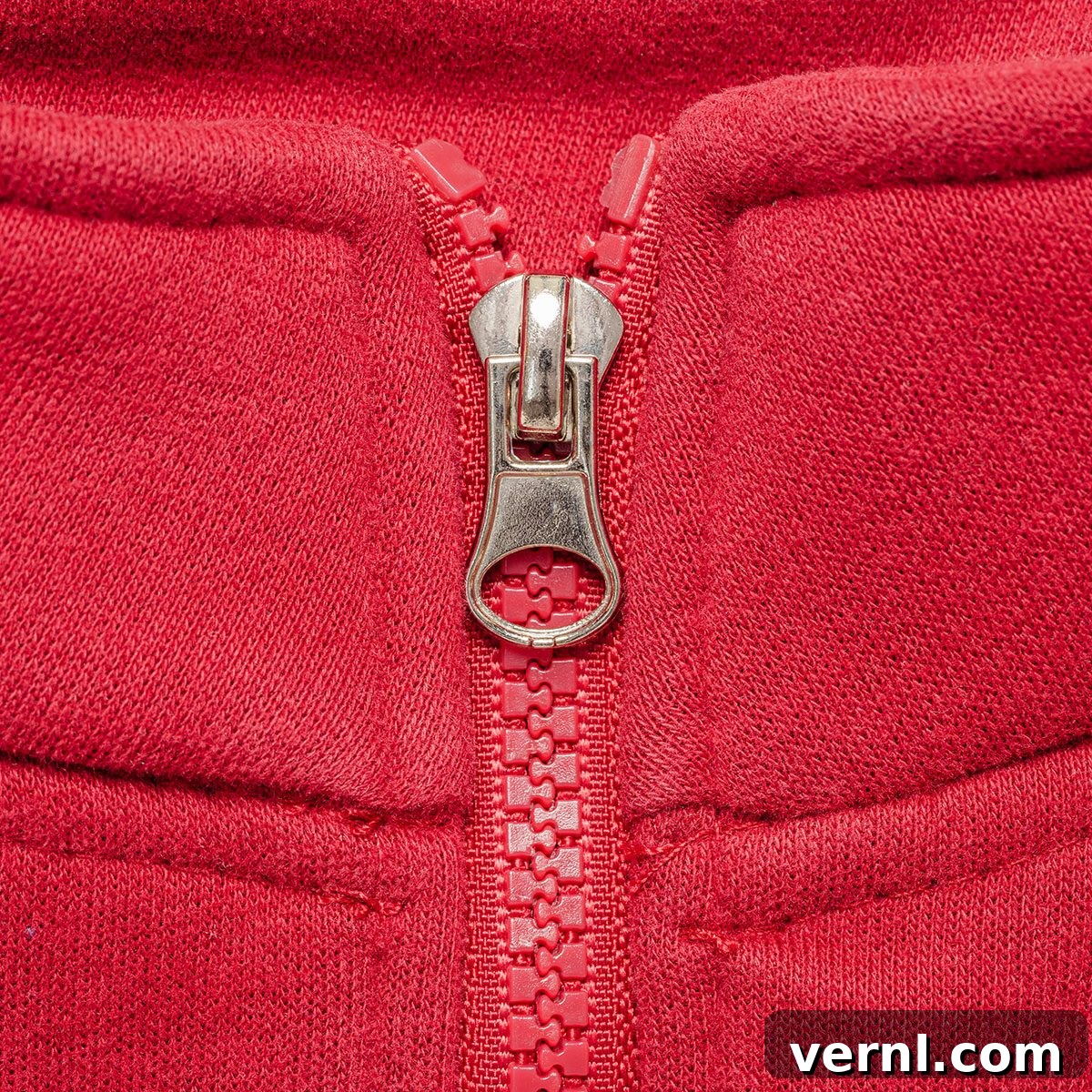
Unlocking the Mystery of Locking Zippers: A Comprehensive Guide
Zippers, an everyday essential we often take for granted, possess a surprisingly rich history and intricate engineering. But have you ever stopped to consider the fascinating mechanism that allows some zippers to “lock” in place? From their humble beginnings to their modern-day ubiquity, zippers have undergone significant transformations, and the locking feature represents a crucial step in their evolution. This comprehensive guide delves into the captivating world of locking zippers, exploring their origins, the mechanics behind their locking mechanisms, different types available, and practical tips for identifying and troubleshooting them.
Did you know that zippers share their debut with iconic inventions like the Ferris Wheel and Juicy Fruit gum? All these marvels were unveiled at the 1893 Chicago World’s Fair, a testament to the era’s ingenuity and innovation. The fair also showcased Tesla’s AC electricity, a technology that continues to power our world today. However, the earliest versions of zippers were far from the sophisticated locking mechanisms we rely on today.
The term “zipper” itself wasn’t coined until 1923. Before that, these fasteners were referred to as “separate fasteners” or “clasp lockers.” The B.F. Goodrich Company played a pivotal role in popularizing the name, adopting “zipper” as an onomatopoeic term to describe the sound the fastener made when used on their rubber rain boots. The name resonated with the public and quickly became the standard.
The introduction of locking zippers in 1937 marked a significant advancement. Recognizing the need for a fastener that would remain securely closed, particularly in clothing, designers integrated a simple locking mechanism into the pull tab. This innovation ensured that zippers on trousers, dresses, and other garments would stay fastened until the wearer intentionally unfastened them. Let’s delve deeper into the fascinating world of zipper locking mechanisms and how they function.
Do Zippers Really Have Locks? Exploring the Locking Feature
Yes, certain zippers are equipped with locking mechanisms, distinct from the padlocks used to secure luggage. A locking zipper incorporates a device that prevents the slider from moving unintentionally. This feature is particularly valuable in applications where maintaining a closed position is crucial.
It’s important to note that not all zippers feature a locking mechanism. On non-locking zippers, the slider can move freely, potentially causing the zipper to open when tension is applied to the fabric. While this can be a drawback in some situations, it’s a desirable attribute for items like handbags, purses, and tents, where quick and easy access is prioritized.
Locking zippers, on the other hand, provide enhanced security and reliability. Anyone who has experienced the frustration of a zipper spontaneously opening on their clothing can appreciate the ingenuity of this invention.
A Zipper’s Locking Mechanism, Explained: Pin-Lock vs. Auto-Lock
Locking zippers are broadly categorized into two main types: pin-lock sliders and spring-loaded automatic locking sliders. Each type employs a distinct mechanism to achieve the locking function.
- Pin-Lock Sliders: These are commonly found on heavy-duty zippers used in applications such as upholstery, bedding, heavy clothing, and some purses. The mechanism relies on pins located on the back of the pull tab. When the tab is in the flat, down position, these pins engage with the zipper teeth, effectively preventing the slider from moving. To disengage the lock and move the slider, the pull tab must be lifted, retracting the pins.
- Automatic Locking Sliders: These are prevalent in zippers used for pants, dresses, other garments, jackets, sportswear, and certain types of furniture. Instead of pins, an auto-lock slider utilizes a spring that exerts pressure against the zipper teeth. This spring effectively locks the slider in place. To open the zipper, the pull tab must be lifted, which compresses the spring and allows the slider to move freely. The spring provides a consistent and reliable locking force, ensuring the zipper remains securely fastened.
Regardless of the specific mechanism, both types of locking zippers share a common characteristic: the zipper only locks when the pull tab is fully lowered, lying flat against the zipper teeth. If you encounter a situation where the zipper on your clothing repeatedly opens on its own, the most likely cause is that the pull tab is not fully in the down position.
How to Know If Your Zipper Has a Lock: Simple Tests and Visual Cues
While you can often identify a pin-lock zipper by visually inspecting the underside of the pull tab for the presence of pins, identifying an auto-lock zipper can be more challenging. Here are two simple tests to determine whether your zipper has a locking mechanism:
- The Fabric Pull Test: Gently pull on the fabric on either side of the zipper. If the slider moves in response to this pulling force, the zipper does not have a locking mechanism. The absence of a locking feature allows the slider to move freely, even with minimal external force.
- The Slider Grasp Test: Grasp the slider itself, ensuring that the pull tab remains in the down position. Attempt to open or close the zipper while keeping the pull tab down. If the slider remains stationary and does not move until you lift the pull tab, the zipper is equipped with a locking mechanism. This test effectively isolates the locking function, demonstrating its ability to prevent movement when engaged.
Pro Tip: Have you ever lost the pull tab on your jacket zipper and found yourself unable to open or close it? This often indicates the presence of an auto-lock slider. The pull tab is essential to disengage the spring mechanism within the slider. Without the tab, it becomes exceedingly difficult to compress the spring and allow the slider to move. In such cases, pliers might be necessary to carefully manipulate the slider and disengage the locking mechanism. Exercise caution when using pliers to avoid damaging the zipper teeth or the slider itself.
Understanding the intricacies of locking zippers empowers you to select the right type for your needs, troubleshoot common issues, and appreciate the ingenious engineering behind these everyday fasteners. From the early iterations showcased at the Chicago World’s Fair to the advanced mechanisms used today, zippers have come a long way. The locking feature represents a significant step forward, providing enhanced security, reliability, and convenience.
The Enduring Legacy of the Zipper
The zipper’s journey from a novel invention to an indispensable part of our lives is a testament to its practicality and adaptability. It’s a story interwoven with innovation, continuous improvement, and a commitment to meeting the evolving needs of consumers. The locking zipper, in particular, stands as a symbol of this progress, offering a solution to a common problem and enhancing the functionality of countless products.
As technology advances, we can anticipate further refinements and innovations in zipper design and functionality. From more durable materials to more sophisticated locking mechanisms, the future of zippers holds exciting possibilities. Whether it’s securing our clothing, protecting our belongings, or facilitating countless industrial applications, the zipper will undoubtedly continue to play a vital role in our daily lives.
So, the next time you zip up your jacket or close your bag, take a moment to appreciate the ingenious invention that makes it all possible. The zipper, a seemingly simple device, has a rich history, a fascinating mechanism, and an enduring legacy.
Sources
- Smithsonian Libraries and Archives: The Up and Down History of the Zipper; (2010)
- YKK: The Difference Between Pin Lock Sliders and Auto Lock Sliders for Zippers; (2022)