
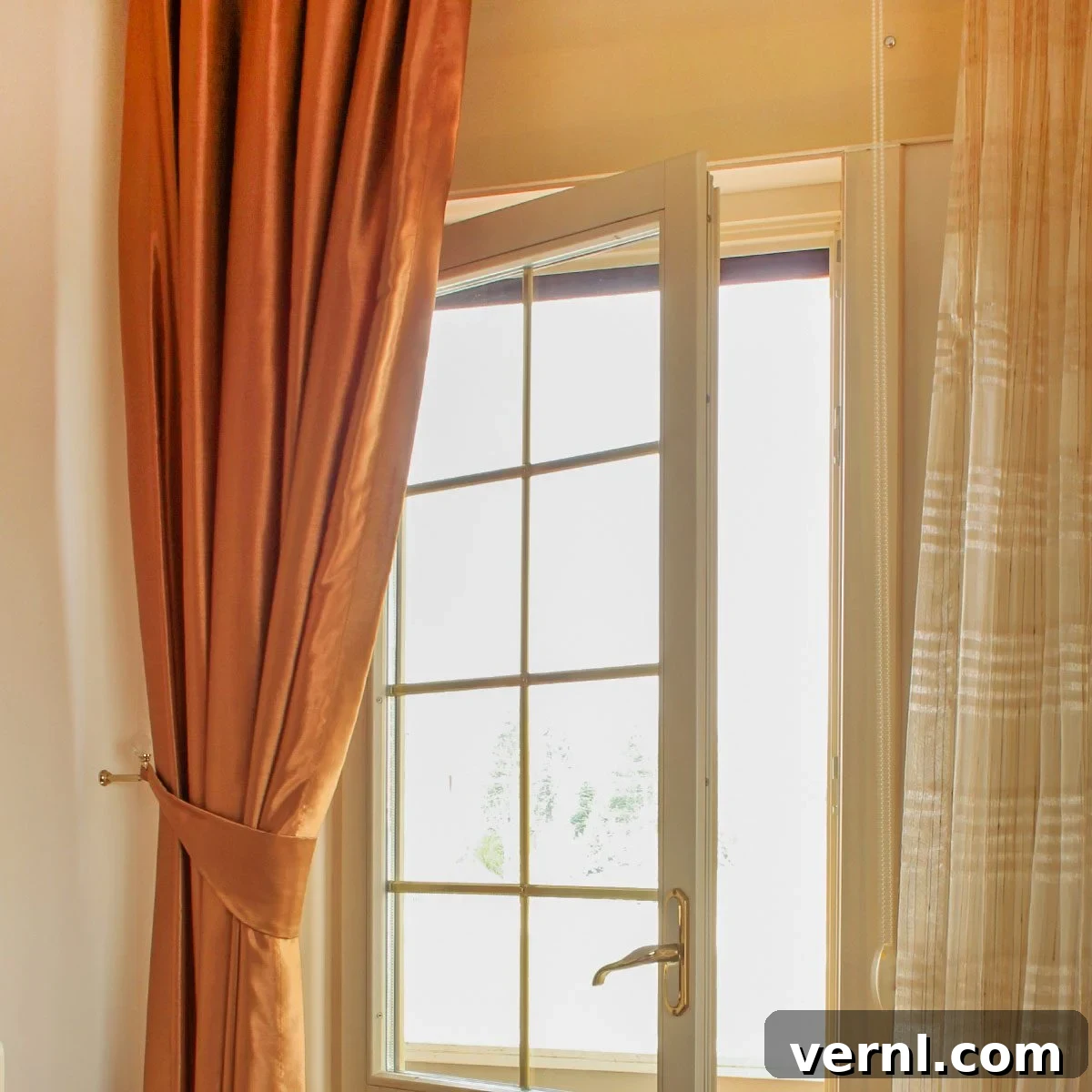
Portieres: The Secret to a Warmer, Draft-Free Home
If you’ve ever lived in a drafty house, you understand the constant struggle to stay warm. It’s a challenge that not only affects your comfort but can also significantly increase your energy bill. While modern solutions exist, an age-old technique offers a simple yet effective way to combat drafts and retain heat: the portiere.
What Exactly is a Portiere?
A portiere, quite simply, is a curtain hung over a doorway to regulate temperature. Imagine a thick, luxurious drape strategically placed to block cold air from entering a room. The beauty of the portiere lies in its ability to act as a barrier, trapping warmth inside and preventing chilly drafts from permeating your living space. Think of it as an extra layer of insulation for your doorway, a cozy shield against the elements.
Instagram user @jamie_athome, showcased her elegant dark green portiere, highlighting its effectiveness in keeping drafts out and warmth in. This simple addition can make a noticeable difference in the comfort of your home, especially during colder months.
A Glimpse into the History of Portieres
The desire to maintain a comfortable home environment is a fundamental human need. Throughout history, various methods have been employed to achieve this, adapting to available resources and prevailing climate conditions. The portiere, as a concept, taps into this historical thread, representing a practical solution to temperature regulation that predates modern heating systems.
The word “portiere” itself has interesting roots. Merriam-Webster dates the word back to 1638, tracing its origin to the French word “portière,” the feminine form of the Old French “portier,” meaning porter or doorkeeper. This linguistic connection hints at the portiere’s function as a guardian of the doorway, protecting the interior space from unwanted elements.
Do You Need a Portiere in Your Home?
If you consistently find yourself battling drafts and struggling to maintain a comfortable temperature in your home during winter, a portiere could be a game-changer. Drafty doors are a common problem, particularly in older houses where the structure has settled over time, leading to warping and gaps around door frames. These gaps act as pathways for cold air to enter, making it difficult to keep your home warm and cozy. A portiere effectively seals these gaps, providing an extra layer of insulation and significantly reducing drafts.
Consider the layout of your home as well. Are there rooms that are naturally colder than others, despite consistent heating? Doorways connecting these rooms are prime candidates for portieres. By hanging a portiere, you can isolate colder areas, preventing the chill from spreading throughout the house and improving overall comfort.
Beyond practical benefits, portieres can also contribute to the aesthetic appeal of your home. They offer an opportunity to add a touch of elegance and sophistication to your interior decor, complementing your existing style and creating a more inviting atmosphere. With a wide range of fabrics, colors, and patterns available, you can easily find a portiere that perfectly matches your taste and enhances the overall look of your living space.
Installing a Portiere: A Simple DIY Project
Installing a portiere is a relatively simple and straightforward project that can be easily accomplished with basic tools and minimal effort. The core principle involves hanging a curtain rod directly above the door frame and suspending a heavy fabric curtain from it. When not needed, the curtain can be pushed aside, allowing for easy passage through the doorway. Here’s a step-by-step guide to help you get started:
- Measure the Doorway: Begin by measuring the width and height of the doorway you intend to cover with the portiere. Add a few inches to the width to ensure the curtain provides adequate coverage and prevents drafts from seeping through the sides. Consider adding extra length to the height if you want the curtain to pool slightly on the floor, further enhancing its draft-blocking capabilities.
- Choose a Curtain Rod: Select a sturdy curtain rod that is appropriate for the weight of the fabric you plan to use. Ensure the rod extends beyond the width of the doorway to allow the curtain to be fully pulled aside when not in use. Decorative rods can enhance the aesthetic appeal of the portiere, adding a touch of elegance to your decor.
- Select a Heavy Fabric: The key to an effective portiere is choosing a heavy, insulating fabric that can effectively block drafts. Velvet, wool, and thick lined cotton are excellent choices. Avoid lightweight, gauzy fabrics, as they will not provide sufficient insulation. Consider the color and pattern of the fabric to ensure it complements your existing decor. Darker colors tend to be more effective at absorbing heat, while lighter colors can help reflect light and brighten the room.
- Install the Curtain Rod: Using a level and drill, securely mount the curtain rod above the doorway. Ensure the brackets are firmly attached to the wall to prevent the rod from sagging under the weight of the curtain. Consider using wall anchors if you are installing the rod on drywall to provide extra support.
- Hang the Curtain: Attach the curtain to the rod using rings, clips, or a rod pocket, depending on the design of the curtain. Ensure the curtain hangs smoothly and evenly, providing full coverage of the doorway. Adjust the length of the curtain as needed to achieve the desired look and functionality.
Remember, the success of your portiere hinges on choosing the right fabric. While aesthetically pleasing, light and airy fabrics simply won’t cut it. You need a material that can effectively stand up to the drafts you’re trying to block. Think about the overall style of your room and choose a fabric that complements it. A dark green velvet, as mentioned earlier, is a classic choice that offers both beauty and functionality.
Choosing the Right Fabric and Style for Your Portiere
Selecting the perfect fabric for your portiere is crucial for both its functionality and aesthetic appeal. The fabric should be heavy enough to effectively block drafts and provide insulation, while also complementing your home’s interior design. Here are some factors to consider when choosing a fabric:
- Insulation: Prioritize fabrics known for their insulating properties. Wool, velvet, and heavy linen are excellent choices. Consider adding a lining to your chosen fabric for extra insulation.
- Weight: Opt for a fabric with a substantial weight to ensure it hangs well and effectively blocks drafts. Avoid lightweight fabrics that will easily billow and allow cold air to pass through.
- Color: Choose a color that complements your existing decor. Darker colors tend to absorb heat, while lighter colors can help reflect light. Consider the overall mood you want to create in the room.
- Pattern: Select a pattern that matches your personal style and enhances the aesthetic appeal of your home. Consider the size of the pattern and how it will look when draped over the doorway.
- Maintenance: Consider the ease of cleaning and maintenance when choosing a fabric. Some fabrics require professional cleaning, while others can be easily washed at home.
Beyond fabric, consider the style of your portiere. Do you prefer a simple, minimalist design, or something more elaborate with embellishments and details? The style of your portiere should complement the overall style of your home.
Embrace the Warmth and Style of Portieres
Portieres are more than just curtains; they’re a timeless solution to combat drafts, conserve energy, and enhance the aesthetic appeal of your home. By understanding their history, benefits, and installation process, you can easily incorporate this versatile element into your living space and create a cozier, more comfortable environment.
Source
Portiere, Merriam-Webster.