
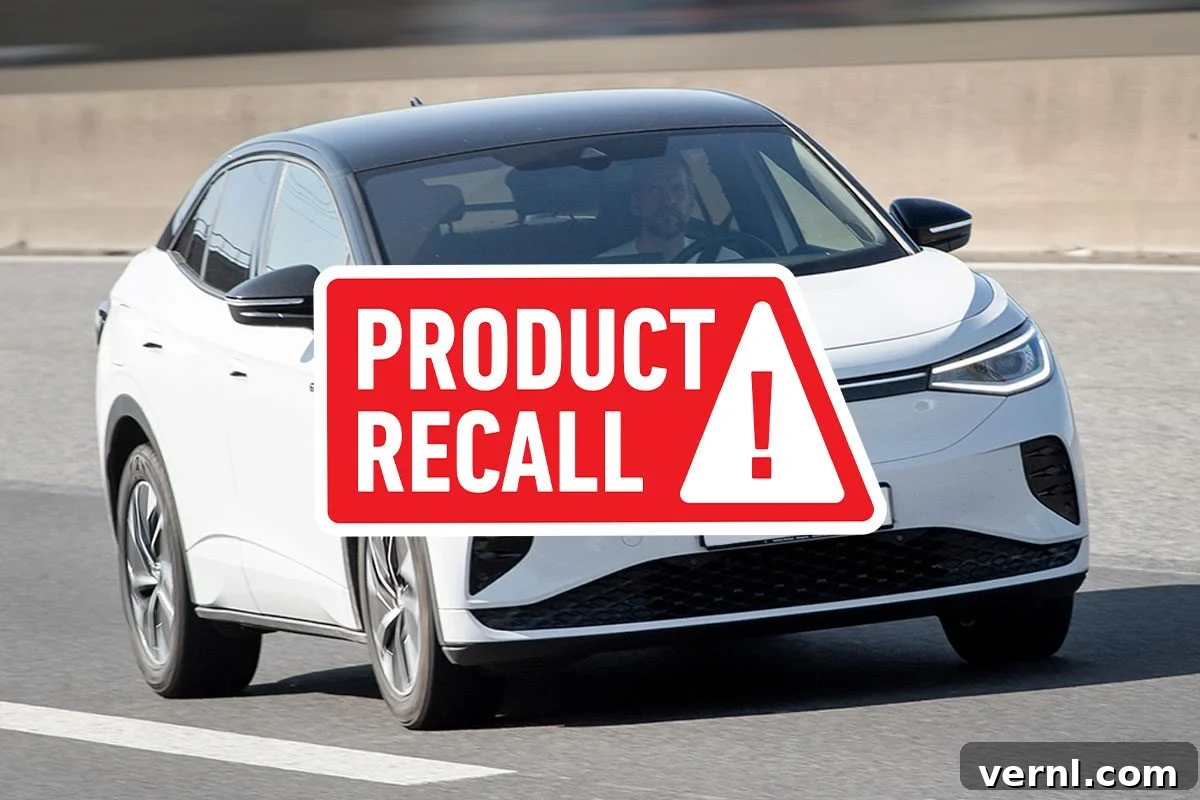
Volkswagen ID.4 Battery Recall: Understanding the Fire Risk and What to Do
A recent announcement from the National Highway Traffic Safety Administration (NHTSA) has raised concerns for Volkswagen ID.4 owners. Tens of thousands of vehicles are being recalled due to a potential issue with their high-voltage batteries, which could lead to overheating and a significant fire risk. This news follows similar recalls from other automotive manufacturers in recent years, highlighting the ongoing challenges in ensuring battery safety in electric vehicles. If you own a VW ID.4, it’s crucial to understand the potential risks and take the necessary precautions to protect yourself and your vehicle.
Why a Battery Overheat is a Serious Concern
The core issue lies in the possibility of the high-voltage battery overheating. While an overheating battery might initially seem like a minor inconvenience, the NHTSA emphasizes the serious danger it poses. An overheating battery can lead to a thermal runaway, a chain reaction that can cause the battery to ignite and potentially result in a vehicle fire. Such fires can be difficult to extinguish and pose a significant safety hazard to occupants and surrounding individuals.
Given the potential for a fire, it’s vital to minimize the use of your Volkswagen ID.4 until you can confirm whether your specific vehicle is affected by the recall. Prioritizing your safety and the safety of your passengers is paramount. If possible, consider using an alternative vehicle or exploring other transportation options until you’ve determined that your car is safe to drive. This proactive approach can significantly reduce the risk of encountering a dangerous situation due to a faulty battery.
Which Volkswagen ID.4 Models are Affected by the Recall?
According to the NHTSA’s official recall notice, the following Volkswagen ID.4 models are included in the current recall:
- 2023 ID.4
- 2024 ID.4
- 2025 ID.4
If you own one of these models, it’s imperative that you take immediate action to determine if your vehicle is impacted. Volkswagen will be sending out official notification letters to affected owners starting in late March 2026, outlining the issue and detailing the steps required to resolve it. However, if you prefer to obtain confirmation sooner, you can utilize the NHTSA’s online VIN lookup tool.
To check your vehicle’s status, simply enter your Vehicle Identification Number (VIN) on the NHTSA website. The list of impacted VINs was made available as of January 23, 2026, allowing you to quickly and easily verify whether your ID.4 is part of the recall. This simple check can provide you with peace of mind or prompt you to schedule a repair as soon as possible.
Volkswagen’s Plan to Address the Battery Issue
Volkswagen has announced a plan to address the faulty battery issue, aiming to rectify the problem and ensure the safety of its customers. According to the automotive company, the repair process will involve:
- High-Voltage Battery Software Update: Dealers will update the high-voltage battery management software. This update aims to improve the battery’s thermal management and prevent overheating.
- High-Voltage Battery Replacement (If Necessary): In some cases, the high-voltage battery itself may need to be replaced. This will be determined by the dealer during the inspection process.
Importantly, Volkswagen has confirmed that these repairs will be performed free of charge to affected owners. This commitment demonstrates the company’s responsibility in addressing the issue and ensuring customer safety. It also eliminates the financial burden associated with the repair, making it easier for owners to take the necessary steps to protect themselves.
It is highly recommended to schedule your repair appointment as soon as it becomes available. Battery fires are a serious safety hazard, and delaying the repair could put you and your vehicle at risk. The free repair offered by Volkswagen removes any financial barriers and allows you to address the issue promptly and effectively.
Additional Resources and Contact Information
If you have any further questions or concerns regarding the Volkswagen ID.4 battery recall, several resources are available to provide you with the information you need. You can contact Volkswagen customer service directly at 1-800-893-5298 to speak with a representative who can answer your questions and provide guidance.
In addition, Volkswagen has assigned the recall number 93EA to this specific issue, while the NHTSA has assigned the recall number 26V030000. These numbers can be helpful when communicating with Volkswagen or the NHTSA about the recall.
For a comprehensive overview of the recall and related information, you can also consult the NHTSA recall brief. This document provides detailed technical information about the recall, including the potential causes of the battery issue and the steps involved in the repair process.
Staying Informed and Prioritizing Safety
The Volkswagen ID.4 battery recall serves as a reminder of the importance of staying informed about potential safety issues affecting your vehicle. By actively monitoring recall announcements and taking prompt action when necessary, you can significantly reduce the risk of accidents and injuries.
If you own a 2023, 2024, or 2025 Volkswagen ID.4, take the time to check your VIN on the NHTSA website and schedule a repair if your vehicle is affected. Prioritizing safety is crucial, and by addressing this issue promptly, you can ensure the well-being of yourself, your passengers, and other drivers on the road.
The Future of Electric Vehicle Battery Safety
This recall also highlights the ongoing need for advancements in electric vehicle battery technology and safety standards. As electric vehicles become increasingly prevalent, ensuring the reliability and safety of their battery systems is paramount. Automakers, battery manufacturers, and regulatory agencies must continue to collaborate to develop and implement robust safety measures that minimize the risk of battery fires and other potential hazards.
Further research and development in areas such as battery thermal management, cell chemistry, and safety monitoring systems are essential to enhance the overall safety of electric vehicles. By investing in these advancements, the automotive industry can build consumer confidence in electric vehicle technology and accelerate the transition towards a more sustainable transportation future.
Ultimately, proactive measures, rigorous testing, and continuous improvement are crucial to preventing future battery-related incidents and ensuring the safety of electric vehicles for years to come. This recall underscores the importance of ongoing vigilance and collaboration within the automotive industry to address potential safety concerns and protect the public.
Source
High-Voltage Battery May Overheat and Cause Fire, National Highway Traffic Safety Administration, 2026