
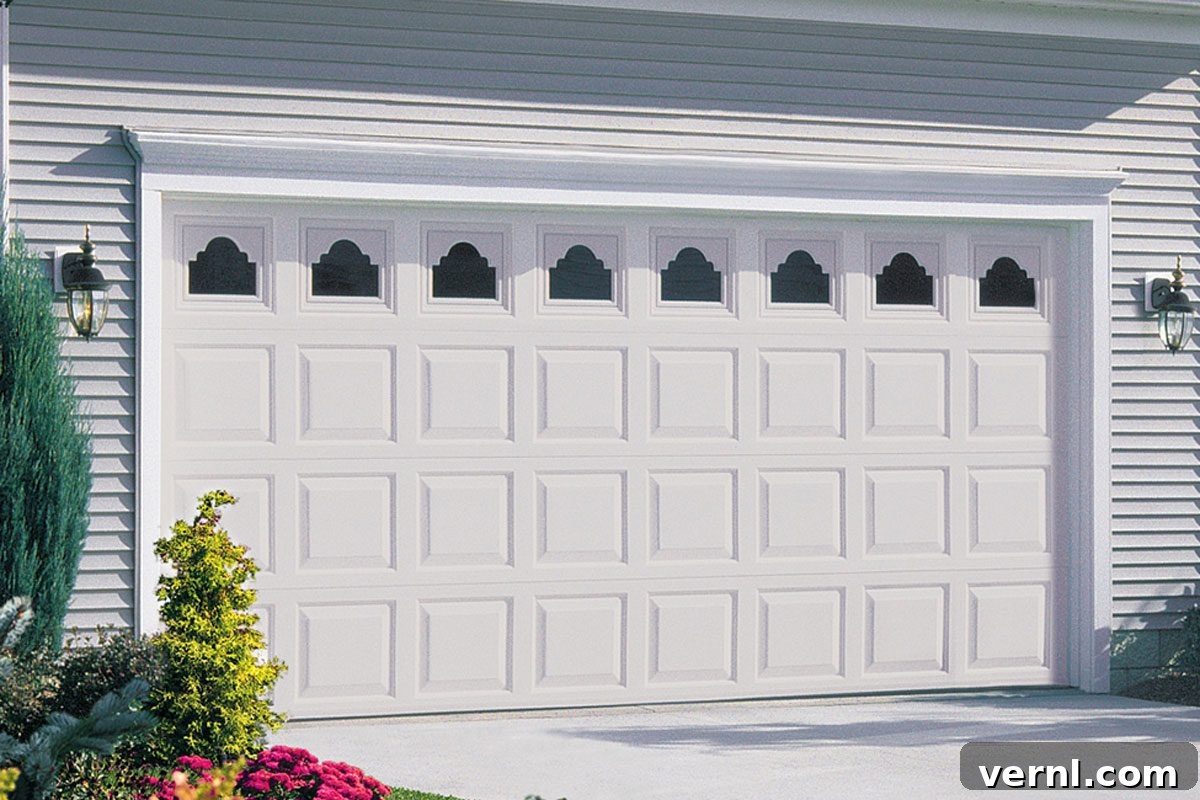
Discover the Enduring Durability and Low Maintenance of Vinyl Garage Doors
When the term “vinyl” comes to mind, many might immediately think of classic records spinning on a turntable. While vinyl records certainly hold a special place, for those in the building trades and homeowners seeking resilient solutions, “vinyl” evokes a different set of images: robust construction materials designed for longevity and performance. From water and drainage pipes to faux-wood decking, interior flooring, window frames, and various door components, vinyl, specifically its rigid form, has become an indispensable material in modern construction. Its remarkable properties make it an increasingly popular choice for a key architectural feature: the garage door.
For residents in regions like coastal British Columbia, where the elements can be unforgiving, vinyl garage doors are a common sight. Their inherent lightness, coupled with exceptional resistance to mold and rot, makes them an ideal solution for areas prone to moisture and fluctuating temperatures. Unlike traditional materials that might succumb to the harsh realities of constant exposure, vinyl stands firm, requiring minimal intervention. My experience renting a property in Victoria, for instance, involved a simple annual power wash for the garage door – a testament to its low-maintenance nature. This effortless upkeep frees homeowners from the burdensome tasks of frequent painting or complex repairs, allowing them more time to enjoy their homes.
While a vinyl garage door may not mimic the rustic charm of natural wood, it possesses a sleek, contemporary aesthetic that often aligns more closely with the clean lines of aluminum or steel. Its distinct advantages extend beyond mere appearance; vinyl rarely dents and never demands painting, characteristics that immediately set it apart from many other materials. These doors are typically constructed on a sturdy steel frame, with the space between the front and back panels thoughtfully designed to accommodate foam insulation. This crucial feature transforms the garage into a more temperature-controlled environment, offering a welcome respite from the biting cold of Canadian winters or the scorching heat of summer, thereby contributing to overall home energy efficiency.
What Exactly is Vinyl (PVC)? A Closer Look at the Material
At its core, vinyl is a synthetic plastic material derived from petroleum, with ethylene extracted from oil serving as a primary component. This versatile material can manifest in various forms, but for the robust demands of construction, polyvinyl chloride, widely known as PVC, is the undisputed champion. The manufacturing process of PVC involves combining ethylene with chlorine and then subjecting this mixture to extremely high temperatures, resulting in a durable and rigid polymer. This rigidity is precisely what makes PVC so invaluable for building applications.
While you might encounter vinyl in a myriad of everyday items – from protective food wraps and safety glass films to paints, adhesives, and even shower curtains – it is the unique stiffness of PVC that makes it suitable for creating structural building materials. This distinction is so significant that in the construction industry, the terms “vinyl” and “PVC” are often used interchangeably, signifying the same robust and reliable material. And, for those curious about the original “vinyl” connotation, it’s worth noting that classic records are indeed also crafted from PVC. So, while “spinning the vinyl” sounds far more poetic, scientifically, one could accurately say “spinning the PVC” – though perhaps with less nostalgic appeal.
The Evolution of Garage Door Materials: Where Vinyl Stands
The journey of garage door materials has seen significant advancements over the decades, moving from rudimentary wooden structures to sophisticated modern composites. Initially, wood was the primary choice, offering natural aesthetics but demanding considerable maintenance and being susceptible to rot, warping, and insect damage. The advent of steel and aluminum provided more durable, lighter, and lower-maintenance alternatives, though they could be prone to dents and rust, especially if not properly maintained or coated. Fiberglass emerged as another option, offering durability and various finishes, but often at a higher cost and sometimes lacking in insulation properties.
Vinyl, or PVC, represents a further evolution in this material landscape. It combines many desirable attributes into one package, offering a compelling balance of durability, low maintenance, and cost-effectiveness that positions it favorably against its predecessors and contemporaries. By addressing common pain points associated with other materials, vinyl has carved out a significant niche, appealing to homeowners who prioritize long-term performance and minimal upkeep without breaking the bank. It stands as a testament to innovation, providing a modern solution that meets the practical demands of contemporary living.
Exploring the Diverse Types of Vinyl Garage Doors
When considering vinyl garage doors for your home, understanding the various types available is crucial to making an informed decision that aligns with your property’s aesthetics and your functional needs. Each style offers distinct operational mechanisms and visual characteristics.
Tilt-Up (Overhead) Doors: The Common Standard
By far the most prevalent type of garage door on the market, regardless of material, is the tilt-up door. Also frequently referred to as an overhead door, this design consists of a single, solid panel that operates by swinging outward and then upward as it opens. Once fully open, the entire panel rests parallel to the ceiling, effectively becoming an “overhead” component. This design is favored for its simplicity and the expansive opening it provides. Manufacturers like Wayne Dalton offer their popular 8700 model vinyl door in various classic patterns, such as Colonial and Sonoma, providing homeowners with a choice of traditional aesthetics. These doors are often a cost-effective and reliable option for many homes.
Sectional Garage Doors: Customization and Efficiency
Sectional doors offer a different operational approach. Unlike the single panel of a tilt-up door, sectional doors are composed of multiple horizontal panels that are hinged together. As the door opens, these sections articulate and roll up into tracks, allowing them to stack neatly against the ceiling. This design is particularly advantageous as it doesn’t require any outward swing space, making it ideal for driveways that lead directly onto busy streets or have limited clearance. While less common for vinyl, San Jose-based Precision Garage Door notes that sectional doors made from vinyl are indeed available, though they typically require custom ordering due to the specific manufacturing processes involved in creating hinged vinyl sections robust enough for this mechanism.
Carriage-Style (Swing-Out) Doors: A Touch of Traditional Charm
For homeowners desiring a more classic, rustic, or carriage house aesthetic, swing-out doors present an elegant alternative. These doors typically consist of two distinct panels that open outward from the center, much like traditional barn doors or entryway doors. While often associated with wood, some manufacturers, such as Door Boy in New Jersey, craft stunning carriage-style doors using vinyl planks. This innovation allows homeowners to enjoy the timeless appeal of carriage doors combined with the unmatched durability and low maintenance of vinyl. Their installation procedure, being similar to any standard swinging door, can sometimes make them a more approachable DIY project, especially given the lighter weight of vinyl panels compared to their wooden counterparts.
Unpacking the Pros and Cons of Vinyl Garage Doors
Choosing a garage door involves weighing numerous factors, and vinyl, like any material, comes with its own set of advantages and disadvantages. Understanding these can help homeowners determine if vinyl is the optimal choice for their specific needs and values.
The Undeniable Advantages (Pros)
- Exceptional Durability and Longevity: Vinyl boasts an impressive resilience. Unlike steel, it never rusts, and unlike wood, it won’t warp, rot, or attract pests. Its inherent flexibility makes it highly resistant to dents, and scratches are remarkably inconspicuous because the color is baked into the material, extending throughout its entire thickness. This means minor scuffs don’t reveal a different colored substrate, preserving the door’s aesthetic appeal for decades.
- Minimal Maintenance Requirements: The phrase “set it and forget it” comes close to describing vinyl garage doors. Beyond ensuring the tracks and door opener are functioning correctly, a vinyl door demands very little attention. Its smooth, non-porous surface is incredibly easy to clean, often requiring just a simple spray with a garden hose or a gentle power wash to remove dirt and grime, without the need for harsh chemicals or frequent scrubbing.
- Cost-Effective Investment: While vinyl doors might be slightly more expensive upfront than their steel or aluminum counterparts, they generally represent a more economical choice than premium wood or fiberglass options. More importantly, the long-term savings are significant. The virtual absence of maintenance costs – no painting, staining, or extensive repairs – means vinyl offers superior value over its extended lifespan.
- Superior Warranty Coverage: A powerful indicator of vinyl’s durability is the warranty often offered by manufacturers. While doors made from other materials typically come with 10- to 20-year warranties, vinyl garage doors frequently feature a lifetime warranty. This extended coverage provides homeowners with exceptional peace of mind, underscoring the material’s proven resilience and the manufacturer’s confidence in its longevity.
- Resilience Against the Elements: Beyond resisting rust and rot, vinyl is impervious to moisture, mold, and mildew. This makes it an outstanding choice for humid climates or homes where the garage is often exposed to rain and dampness, ensuring the door maintains its structural integrity and aesthetic quality over time.
Important Considerations (Cons)
- Aesthetic Limitations and Design Choices: While vinyl offers various patterns and colors, it inherently struggles to replicate the rich, natural grain and warmth of real wood with perfect authenticity. Darker color options are often limited or come with specific caveats due to their tendency to absorb sunlight, which can lead to premature fading or even damage the vinyl over time. This can restrict design flexibility for homeowners seeking a very specific or high-end aesthetic that only natural materials can provide.
- Environmental Footprint: Perhaps the most significant drawback of PVC is its environmental impact. The production and disposal of PVC release toxic chlorine-based chemicals, leading organizations like Greenpeace to identify it as the most environmentally damaging plastic. While advancements are being made in recycling and greener manufacturing, this remains a crucial concern for environmentally conscious consumers and communities near production facilities.
- Insulation Performance (Without Enhancements): By itself, vinyl is not an exceptional insulator and does little to prevent heat transfer. In regions with extreme temperatures, whether very cold or very hot, vinyl doors require additional insulation to achieve optimal thermal performance. Homeowners must account for this when considering energy efficiency and comfort within the garage space.
- Non-Customizable Appearance: One of vinyl’s strengths – its baked-in color – is also a potential limitation. Once installed, vinyl doesn’t easily lend itself to cosmetic modifications. Barring color fading (which can occur if the door lacks a UV-protective coating), the door you install today will likely look the same two decades down the line. If you undertake a major home renovation and the existing garage door no longer complements the new design, replacement may be your only option.
Key Factors to Consider Before Investing in a Vinyl Garage Door
Before committing to a vinyl garage door, a thoughtful evaluation of several key factors can ensure your choice aligns perfectly with your home’s needs and your personal preferences. Taking these into account will lead to a more satisfactory and lasting investment.
- Climate Considerations: Your local climate plays a significant role. Vinyl’s resistance to moisture, rot, and rust makes it ideal for humid, rainy, or coastal environments. However, if you live in an area with extreme hot or cold temperatures, remember to prioritize models with ample insulation to ensure energy efficiency and comfort within your garage.
- Aesthetic Goals and Architectural Style: Consider your home’s overall architectural style. While vinyl offers various designs, it might not replicate the exact look and feel of natural wood. Evaluate if the clean, modern aesthetic of vinyl complements your home, or if you require a more traditional or bespoke appearance that might be better achieved with other materials.
- Budget and Long-Term Value: While initial costs are comparable to or slightly higher than steel, vinyl’s low maintenance and exceptional longevity translate into substantial long-term savings. Factor in the cost of potential repairs, repainting, or early replacement associated with other materials when comparing overall value.
- Maintenance Preferences: If you seek a truly “hands-off” exterior component for your home, vinyl is an excellent choice. If you enjoy periodic painting or customization projects, however, vinyl’s limited adaptability might be a drawback.
- Insulation Needs: If your garage is attached to your home, serves as a workshop, or you aim to reduce energy bills, assess the R-value of the vinyl door and ensure it includes sufficient foam insulation to meet your specific requirements.
Vinyl Garage Door Installation: DIY or Professional?
The prospect of installing a garage door might tempt the enthusiastic DIYer, but for most homeowners, particularly when dealing with overhead or sectional models, professional installation is not just recommended, it’s often essential for safety and optimal performance.
Why Professional Installation is Recommended for Most
Garage door installation, especially for overhead and sectional types, is a complex and potentially hazardous undertaking. Accurately setting the tracks, ensuring they are securely anchored, and, most critically, adjusting the torsion springs are tasks that demand specialized knowledge, specific tools, and a great deal of precision. Torsion springs are under immense tension and, if mishandled, can cause severe injury or even fatality. Professionals have the experience to safely manage these components, calibrate the springs for smooth and balanced door operation, and ensure all safety mechanisms are correctly installed and tested. Attempting this without proper training and equipment can lead to a malfunctioning door, voided warranties, and significant safety risks.
When DIY Might Be an Option
Carriage-style, swing-out doors present a different installation scenario. Since their operation is more akin to traditional swinging entry doors, the installation procedure is less intricate and does not involve the dangerous tension springs associated with overhead doors. For skilled and confident DIYers, installing a carriage-style vinyl door might be a feasible project. In this context, vinyl’s lighter weight offers a distinct advantage, making it easier to lift and position the door panels onto their hinges, potentially reducing the physical strain compared to heavier wooden alternatives.
Understanding the Cost of Professional Vinyl Garage Door Installation
The investment in professional garage door installation can vary significantly, typically ranging from $650 to $2,300, with homeowners often finding the average cost around $1,200. Several factors influence this price range, reflecting the complexity and scale of the project.
- Size of the Door: Larger garage doors naturally require more material, more labor, and potentially more robust lifting equipment, leading to higher installation costs.
- Style of the Door: The type of vinyl garage door chosen plays a major role. Sectional and overhead doors, with their intricate track systems, spring mechanisms, and the need for precise alignment, generally involve more work and therefore higher installation fees than simpler swing-out carriage-style doors.
- Regional Labor Costs: Installation costs can fluctuate based on your geographic location. Labor rates in urban or high cost-of-living areas tend to be higher than in rural regions.
- Removal of Old Door: If you’re replacing an existing garage door, the cost may include the removal and disposal of the old unit, adding to the overall expense.
- Additional Features and Opener Integration: Integrating a new garage door opener, or adding features like enhanced insulation or specialized hardware, can also contribute to the total installation cost.
It’s always advisable to obtain multiple quotes from reputable local installers to compare services and pricing, ensuring you get the best value for your investment.
Can You Paint a Vinyl Garage Door? What You Need to Know
While one of vinyl’s primary benefits is its color-fastness and lack of need for painting, circumstances might arise where a homeowner wishes to change its appearance. The good news is, yes, you can paint a vinyl garage door, but it requires careful consideration and adherence to specific guidelines to ensure success and longevity.
- Color Choice is Crucial: It is generally best to stick to lighter shades when painting vinyl. Dark colors absorb significantly more heat from sunlight, which can cause the vinyl to warp, crack, or fade prematurely. If a darker color is desired, you must select a vinyl-safe paint that contains reflective materials. These specialized paints are formulated to reflect solar energy, minimizing heat absorption and protecting the vinyl substrate.
- Paint Type Matters: Manufacturers typically recommend using high-quality latex-based paint rather than oil-based varieties. Latex paints are more flexible, allowing them to expand and contract with the vinyl without cracking or peeling, which is essential for outdoor surfaces exposed to temperature fluctuations.
- Surface Preparation: Proper preparation is key to a lasting paint job. The door must be thoroughly cleaned to remove all dirt, grime, mildew, and loose particles. A mild detergent and water, followed by a good rinse, is usually sufficient. Allow the door to dry completely before applying any paint. Sanding is generally not recommended as it can damage the vinyl’s surface and protective layers.
- Long-Term Maintenance Implications: A crucial piece of advice: painting a vinyl door will likely increase your future maintenance workload. Vinyl doors are designed for minimal upkeep, with their factory tint extending through the material, making scratches invisible and allowing for easy power washing without concern for chipping. Once you apply a coat of paint, you introduce the possibility of chipping, cracking, and peeling. To maintain the door’s appearance and protect the underlying vinyl, you will typically need to repaint it every five years or so, effectively negating one of vinyl’s major low-maintenance advantages.
Making the Right Choice for Your Home
Vinyl garage doors offer a compelling blend of durability, aesthetic versatility, and impressive longevity, making them an excellent choice for many homeowners. Their low maintenance requirements and resistance to common forms of wear and tear, coupled with often generous warranties, present a value proposition that is hard to ignore. However, understanding their limitations, such as potential aesthetic constraints and environmental considerations, is equally important. By carefully weighing the pros and cons against your specific needs, budget, and home’s architectural style, you can determine if a vinyl garage door is the perfect, enduring solution for your property.