
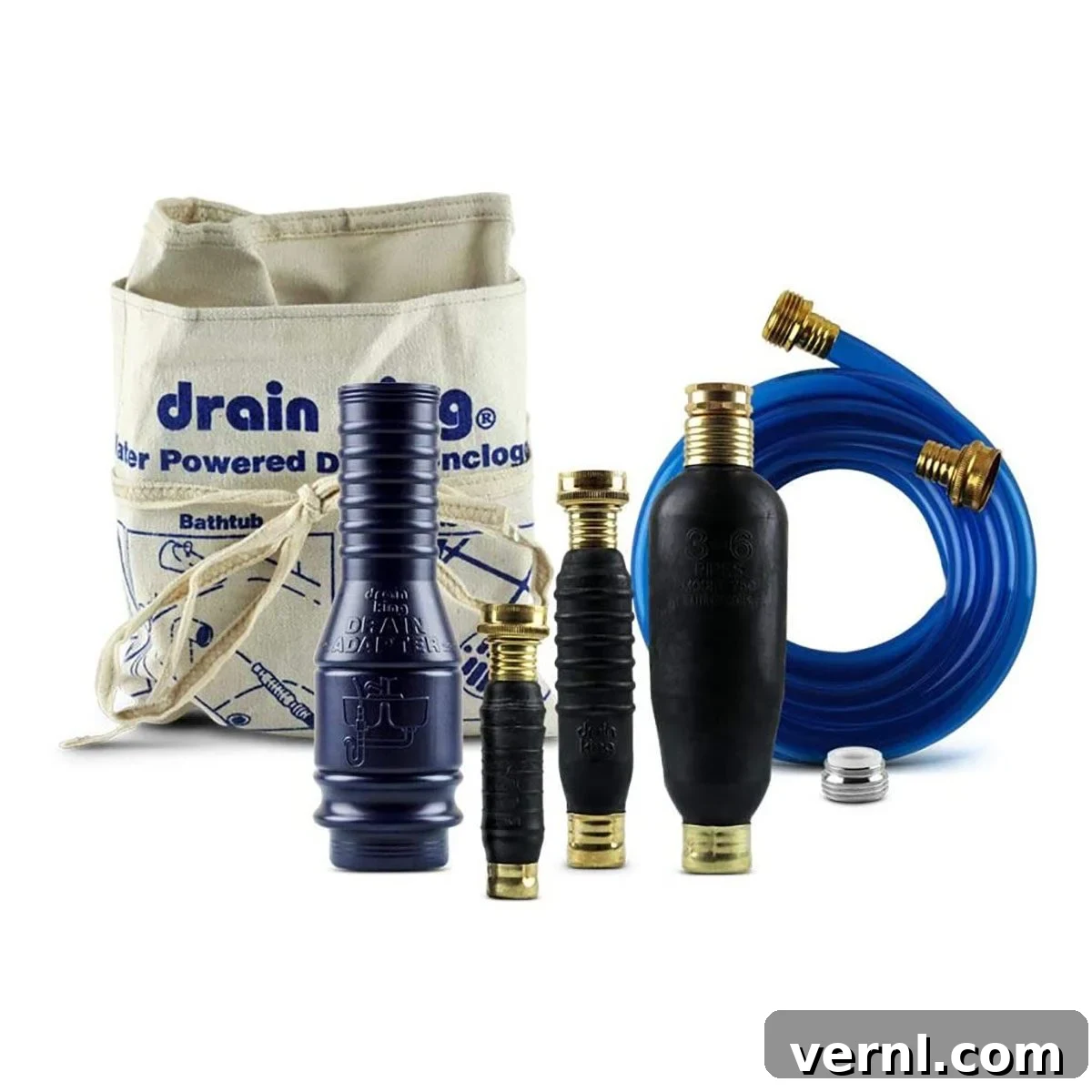
Every homeowner dreads the moment: a slow drain that eventually becomes a stubborn, immovable clog. The frustration builds as you try everything from chemical drain cleaners to plungers, only to find the water still refusing to budge. Before you throw in the towel and call a professional plumber, there’s an unsung hero in the world of DIY plumbing that deserves your attention: the drain bladder. Often overlooked, this ingenious tool offers a powerful, cost-effective, and surprisingly simple solution to some of the toughest drain obstructions. It’s an essential addition to any DIY enthusiast’s toolkit, capable of clearing blockages that traditional methods simply can’t tackle.
If you’re tired of recurring clogs and costly plumber visits, understanding the power and proper application of a drain bladder could revolutionize your approach to home plumbing maintenance. This comprehensive guide will delve into what a drain bladders are, how they work, their incredible versatility, crucial safety considerations, and a step-by-step guide to using them effectively. Prepare to discover why this humble device is often the ultimate answer to your most persistent drain problems.
What Is a Drain Bladder and How Does It Work?
At its core, a drain bladder is a heavy-duty, expandable rubber balloon designed specifically for clearing clogged pipes. Imagine a robust water balloon, but engineered with a nozzle that attaches directly to your standard garden hose or another water source. The other end, the “bladder” itself, is then inserted into the clogged drain opening. Once connected and positioned, the magic begins.
The operational principle is elegantly simple yet incredibly effective. As water from the hose is slowly turned on, it flows into the rubber bladder. The bladder, constrained by the pipe walls, begins to expand rapidly. This expansion serves two crucial purposes: first, it creates a watertight seal against the interior of the drain pipe, ensuring that all the water pressure is directed forward; second, as it expands, it builds up significant hydraulic pressure. Once fully expanded and sealed, the pressurized water is forcibly jetted through a series of small holes or a single opening at the bladder’s tip, directly into the obstruction. This powerful blast of water works to dislodge, break apart, and push the clog down the drain line, restoring proper flow.
Unrivaled Effectiveness Against Stubborn Clogs
The primary appeal of drain bladders lies in their sheer power. Unlike chemical drain openers that rely on corrosive reactions (which can also damage pipes over time) or drain snakes that physically pull or push at a clog (sometimes only compacting it further), a drain bladder utilizes direct, high-pressure water. This makes it exceptionally effective against a wide array of stubborn clogs that often defeat other methods:
- Grease Buildup: Common in kitchen sinks, solidified grease can be incredibly difficult to remove. The high-pressure water from a bladder can blast through and emulsify these greasy blockages.
- Hair and Soap Scum: Frequently found in bathroom sinks, showers, and tubs, matted hair combined with soap scum forms dense, resilient clogs. The hydraulic force can break these apart.
- Compacted Toilet Paper and Foreign Objects: For toilet clogs not easily cleared by a plunger, a drain bladder can often push through compacted paper or small, soft foreign objects.
- Silt and Sediment: Over time, mineral deposits and sediment can accumulate, especially in older pipes. A drain bladder can help flush these out.
Furthermore, drain bladders are generally less messy than traditional drain snakes. While a snake pulls out grime and sludge, often scattering it around your bathroom or kitchen, a bladder works by pushing the clog *down* the pipe. Any residual material on the bladder after use is usually minimal and contained, making cleanup much simpler.
Important Safety and Usage Considerations
While remarkably effective, drain bladders are powerful tools and must be used with caution. Understanding their limitations and potential risks is paramount to preventing damage to your plumbing system.
- Pipe Condition is Key: Drain bladders can be safely used in various pipe materials, including modern PVC, steel, and cast-iron. However, their Achilles’ heel is old, brittle, or already damaged piping. Pipes with existing cracks, significant corrosion, or those that are simply old and weakened are highly susceptible to rupturing under the intense water pressure generated by the bladder. A burst pipe can lead to far more extensive and costly damage than the original clog. Always assess the age and condition of your plumbing system before using a drain bladder, especially if you suspect degradation.
- Avoid Direct Sink Drain Insertion (with caveats): It is generally not recommended to insert a drain bladder directly into a sink drain opening without careful consideration. The P-trap, the U-shaped pipe under your sink, is often made of thinner material or has weaker joints, and the concentrated water pressure could potentially damage it. Additionally, the force of the expanding bladder and the water jet could damage delicate sink fixtures or loosen connections. However, many professionals successfully use bladders to clear P-trap clogs by ensuring the bladder is fully inserted well past the P-trap’s initial curve and by closely monitoring for any signs of stress on the fixture or trap while the device is in operation. If attempting this, proceed with extreme caution and be prepared to shut off the water immediately.
- Navigating Tees and Elbows: Drain bladders operate on the principle that water takes the path of least resistance. This means they perform best in straight sections of pipe or where the clog is located downstream from any major branching points (tees) or sharp turns (elbows). If a drain bladder is used upstream from a tee, especially with a heavy clog, the pressurized water might divert through the easiest opening, which could be another branch of the pipe or even back up through a vent pipe. A common example is a bathroom sink drain, which often splits off into a main waste line and an upward-leading roof vent. If a bladder is used on a severely clogged sink drain where the clog is upstream of this split, water could be forced up the roof vent, potentially causing issues. To circumvent this, always strive to insert the drain bladder past any known tees or elbows that could allow water diversion, ensuring the full force is directed at the blockage.
Buying the Right Drain Bladder
Drain bladders are available in a range of sizes, each designed to fit specific pipe diameters. Choosing the correct size is crucial for effective and safe operation. Using a bladder that is too small won’t create an adequate seal, allowing water to escape around it, while one that is too large won’t fit into the pipe at all.
- Small Drain Bladders: Typically designed for one-inch to two-inch diameter drain pipes. These are ideal for smaller household drains such as those in bathroom sinks, kitchen sinks (if they have a smaller diameter), and some laundry sinks.
- Medium Drain Bladders: Suited for 1-1/2-inch to three-inch pipes. This size is often the most versatile for general household use, effectively clearing clogs in standard shower drains, bathtubs, and many utility sinks. Given that 1-1/2-inch and two-inch drains are among the most common sizes to clog in residential settings, a medium bladder is an excellent general-purpose option for most homeowners.
- Large Drain Bladders: Engineered for three-inch to six-inch diameter drains. These heavy-duty bladders are essential for clearing blockages in larger pipes, such as main sewer lines, septic tank lines, or downspouts. If you’re experiencing widespread drainage issues across your home, a large bladder might be the answer for a main line clog.
You can purchase drain bladders individually, which is a good option if you know the exact size you need for a specific, recurring problem. However, many homeowners find value in purchasing a combo pack that includes various sizes, or a comprehensive drain bladder kit that often comes with different bladder sizes and useful accessories. These kits ensure you’re prepared for almost any residential drain clog, saving you the hassle of a last-minute trip to the hardware store when a new clog inevitably strikes. Individual bladders typically range from $10 to $20, while a multi-size kit can range from $40 to $100, offering significant savings compared to repeated plumber call-outs.
When selecting a drain bladder, look for durable rubber construction and reliable hose connections. Reputable brands often provide clear sizing guidelines and usage instructions, which can be invaluable for first-time users. Consider bladders with reinforced seams or robust internal structures for longevity.
Tips for Using a Drain Bladder Effectively
Using a drain bladder is straightforward, but adhering to proper steps ensures both effectiveness and safety. Once you’ve acquired the appropriately sized drain bladder for your clogged pipe, follow these detailed steps to blast away the obstruction:
-
Preparation and Connection:
Before you begin, ensure you have a standard garden hose that can reach your water source (faucet) and the clogged drain. Connect the drain bladder securely to one end of your garden hose. Then, connect the other end of the garden hose to a water faucet. Make sure all connections are tight to prevent leaks under pressure. Consider placing towels or a bucket nearby to catch any initial drips or overflow.
-
Strategic Insertion:
Carefully insert the drain bladder into the clogged pipe. It is crucial to insert the bladder at least six inches past the drain opening, or ideally, past any immediate P-traps, tees, or elbows, if possible. This depth ensures that the bladder can expand fully and create a proper seal, directing the water pressure efficiently towards the clog rather than allowing it to backflow or divert into other pipe branches. For toilets, you might need to insert it deep into the toilet bowl opening.
-
Slow and Controlled Water Activation:
With the bladder in place, slowly turn on the water at the faucet. Do not turn it on at full blast immediately. Allowing the water to flow gradually into the bladder permits it to expand at a controlled pace, forming a tight seal within the pipe. You should be able to feel the hose stiffen as the pressure builds. This gradual increase in pressure is safer and more effective, preventing sudden surges that could damage the pipe or cause the bladder to eject prematurely.
-
Pressure Application and Clog Clearing:
Maintain the water flow for approximately one to two minutes, or until you clearly observe that the drain has cleared and water begins to flow freely. You might hear gurgling sounds or feel vibrations in the hose as the clog dislodges. The continuous, high-pressure water jet will work to break apart and push the obstruction through the pipe system.
-
Inspection and Repetition:
After the initial clearing attempt, turn off the water and run clear water down the drain to inspect for proper drainage. If the clog persists or the flow is still sluggish, repeat steps one through four. Sometimes, particularly stubborn or extensive clogs require multiple attempts to fully clear. Be patient and systematic.
-
Deflation and Removal:
Once the drain is cleared to your satisfaction, turn off the water completely and wait a moment for the drain bladder to fully deflate. This usually takes only a few seconds. Do not attempt to pull the bladder out while it is still inflated, as this can be difficult and potentially damage the bladder or the pipe. Once deflated, carefully remove the bladder from the drain and disconnect it from the water hose. Clean any residual debris from the bladder before storing it.
If, after several diligent attempts, the drain fails to clear, it may indicate a more severe issue, such as a collapsed pipe, tree root intrusion, or a blockage beyond the reach of your drain bladder. In such cases, it is always wise to cease DIY efforts and consider contacting a professional plumber. They possess specialized equipment like drain cameras and powerful hydro-jetters that can diagnose and resolve complex plumbing problems without risking damage to your home’s infrastructure.
Conclusion: Empowering Your DIY Plumbing
The drain bladder is undeniably an indispensable tool for any homeowner facing the challenge of a clogged drain. Its unique ability to harness the power of pressurized water makes it incredibly effective against blockages that often laugh in the face of chemical cleaners, plungers, and even many drain snakes. It offers a cleaner, more environmentally friendly alternative to harsh chemicals and can save you significant time and money compared to calling a professional for every stubborn slowdown.
By understanding how a drain bladder works, selecting the appropriate size for your needs, and following the proper usage guidelines and safety precautions, you can confidently tackle most common household clogs. While it’s a powerful solution, always remember to exercise caution, particularly with older plumbing, and recognize when it’s time to enlist the expertise of a licensed plumber for more complex issues. Add a drain bladder to your home maintenance arsenal, and you’ll be well-equipped to keep your drains flowing freely and your plumbing nightmares at bay.