
Elevate Your Home: Creative & Affordable Textured Wall Ideas Without Remodeling
Designing your home is a deeply personal and exciting journey, transforming a mere structure into a sanctuary that reflects your unique style and offers immense comfort. Every decision, from the grandest furniture pieces to the smallest decorative accents, contributes to the overall ambiance and functionality of your living space. While many elements like luxurious furniture, strategic lighting, captivating artwork, and soft textiles often grab the spotlight, one crucial component frequently goes overlooked: your walls. Far from being just a backdrop, walls offer an incredible canvas for injecting personality, depth, and a bespoke feel into any room.
The myriad choices for wall treatments can sometimes feel overwhelming. Should you opt for a vibrant new paint color, intricate wallpaper patterns, or perhaps the classic charm of woodwork like shiplap, elegant molding, or timeless wainscoting? These decisions are often dictated by aesthetic preferences, but budget frequently plays an equally significant role. Traditional methods for adding texture can quickly escalate costs, leading to sticker shock for many homeowners with ambitious design visions.
However, what if you could achieve that coveted high-end textured wall look without the hefty price tag or the commitment of a full-scale renovation? Interior designers are masters of illusion and clever solutions, and they employ specific tricks to create stunning textured walls on a budget. This guide will explore expert insights and practical, affordable strategies to introduce captivating texture to your walls, transforming your space into a luxurious, multi-dimensional haven.
Understanding Textured Walls: Adding Depth and Character to Your Space
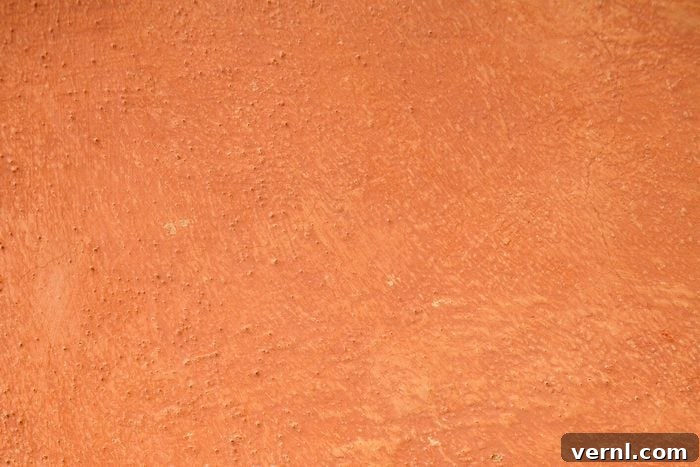
From an interior design perspective, texture is more than just a surface finish; it’s a vital component that introduces an intriguing type of dimension, visual depth, and palpable interest to what would otherwise be a flat, unremarkable surface. Imagine a room with plain, smooth walls—it might feel sterile or lacking in character. Textured walls, on the other hand, invite the eye to linger and the hand to touch, creating an immersive sensory experience.
Erin Greene, an esteemed Interior Designer and Founder of Erin Greene Designs, a San Francisco-based residential design-build firm, champions the use of earth tones. She highlights how texture within these grounded palettes can profoundly enliven a space. “Earth tones are incredibly popular right now because people are craving homes that feel like a cozy, lived-in sanctuary rather than a stark, sterile showroom,” Greene explains. “Adding physical depth to your walls creates warmth and movement that flat paint simply can’t achieve, making a home feel more inviting and comfortable.”
Lauren Vallario, CEO and Principal Designer at Lauren Vallario Designs, Inc., concurs that textured walls are experiencing a significant resurgence in popularity. She notes that this sought-after aesthetic can be achieved through a variety of sophisticated applications. These include soft, tonal finishes such as traditional plaster and the increasingly popular limewash. Beyond these decorative paints, structural elements like shiplap, paneling, beadboard, and V-groove also contribute significant tactile and visual texture.
Vallario elaborates on the current trend: “Homeowners are increasingly gravitating toward finishes that feel organic, authentic, and embrace a certain level of imperfection. Limewash, in particular, has surged in popularity because it beautifully mimics the layered, mottled appearance of traditional plaster, but at a far more accessible price point. Its versatility is also a major draw, allowing homeowners to control the intensity of the application, whether they desire a barely-there subtle wash or a more dramatic, high-contrast textural effect.” This ability to customize the look makes limewash an attractive option for those seeking bespoke elegance without the premium cost.
Why the Cost Can Climb: Understanding Expensive Textured Walls
While the allure of textured walls is undeniable, transforming your vision into reality can quickly become a significant financial undertaking, especially when traditional methods and materials like genuine plaster are involved. Lauren Vallario sheds light on the primary reasons behind these higher costs, emphasizing that the expense is largely a reflection of the intricate demands of the craft.
“True plaster finishes are not a simple, single-coat application,” Vallario explains. “They are typically applied in multiple, delicate layers, often meticulously by hand. This process demands a high degree of specialized expertise, patience, and artistic skill to achieve the perfect balance, consistency, and desired aesthetic depth. Any misstep can compromise the entire finish, requiring rework and adding to labor time.” Beyond plaster, even seemingly straightforward applications like detailed panel molding can become labor-intensive, particularly when a high level of customization in design, measurements, and installation is required. Precision cutting, seamless jointing, and meticulous finishing all contribute to the professional time and skill invested, ultimately affecting the overall cost.
The specialized materials themselves can also add to the expense. Authentic lime-based plasters, for instance, are often imported or require specific blends, differing significantly from standard wall paints. Furthermore, the longevity and inherent beauty of expertly applied texture, whether through plaster or intricate millwork, represents a long-term investment in the home’s aesthetic and potential value, which is naturally reflected in the price.
Before You Dive In: Key Considerations for Textured Walls
Opting for textured walls offers a major design advantage: an instant, impactful upgrade to any space. According to Lauren Vallario, texture effortlessly makes any home feel more layered, personalized, and thoughtfully “designed,” moving beyond the generic. It tells a story, adds character, and can dramatically alter the perception of a room’s scale and light. However, before embarking on this design trend, it’s prudent to consider a few critical factors to ensure the results align with your expectations and lifestyle.
Maintenance and Durability
One practical consideration highlighted by Vallario is the challenge of touch-ups for certain decorative finishes. “Finishes like limewash or other specialized decorative paints can be notoriously difficult to touch up seamlessly,” she advises. “In high-traffic areas, or homes bustling with young children and pets, minor damage or scuffs may necessitate repainting an entire wall section, or even the whole wall, rather than just a localized spot repair. This can be time-consuming and frustrating, potentially adding to long-term maintenance efforts.”
The True Cost: DIY vs. Professional
While textured walls look incredibly appealing, pursuing this design trend without proper planning can easily derail your budget. Unlike a simple DIY paint project, where gathering supplies and rolling up your sleeves is often enough, adding professional-grade texture is rarely as straightforward. Evelina Juzėnaitė, Principal Interior Designer at Planner 5D, stresses that achieving a high-quality, professional look for many textured finishes typically requires the expertise of a seasoned professional. The specialized tools, techniques, and experience needed to create flawless results are often beyond the scope of a beginner DIYer, making the cost of labor a significant factor.
Potential for Dust Accumulation
Another often-overlooked drawback, as noted by Juzėnaitė, is the potential for dust accumulation. If the chosen texture is highly ribbed, deeply grooved, or features intricate patterns, these crevices can act as miniature dust collectors. This means textured walls, particularly in high-traffic or dust-prone areas, may require more frequent or specialized cleaning to maintain their pristine appearance. Considerations for cleaning methods and accessibility should be part of the decision-making process, especially for busy households.
Achieving Textured Walls Without Remodeling: Smart & Savvy Solutions
The good news is that you don’t need to undertake an expensive, messy renovation to infuse your walls with stunning texture. Interior design experts have ingenious methods to achieve luxurious, multi-dimensional wall finishes that are both budget-friendly and less permanent. Here are five clever strategies to get the look you desire without a full remodel:
1. Embrace the Power of Textured Wallpaper
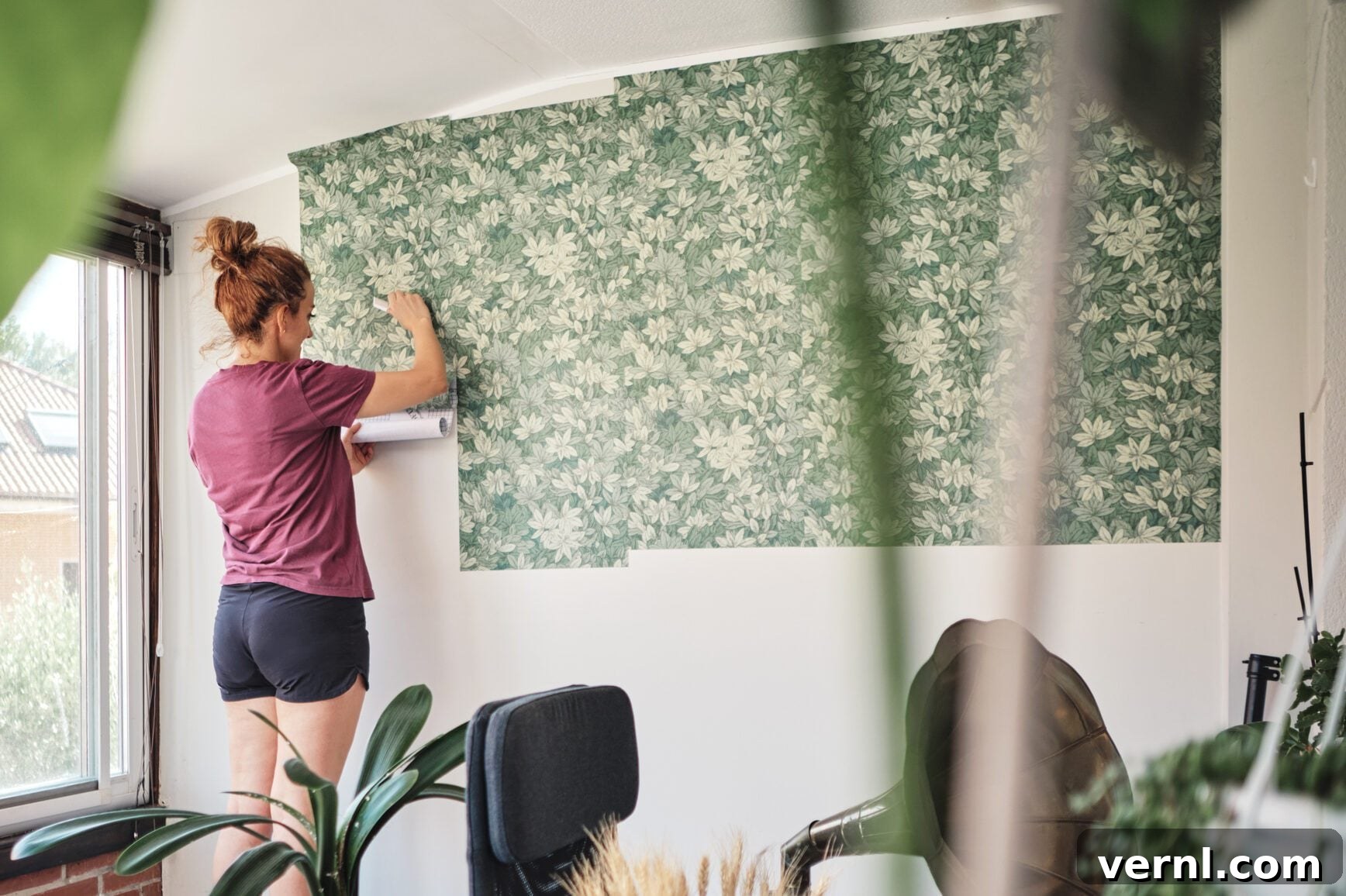
When seeking to achieve textured walls without the commitment or cost of traditional remodeling, consulting an interior designer for their best tips and tricks is always a wise first step. Experts universally agree that removable textured wallpaper is an unparalleled decor hack. This versatile solution allows you to experiment with various styles, from subtle to dramatic, without the long-term commitment. Two highly recommended brands for their exceptional quality and stunning designs, particularly for textured options, are Cailini Coastal and Serena & Lily, as endorsed by Erin Greene.
“Serena & Lily is my absolute go-to for sourcing gorgeous grasscloth wallpapers,” Greene shares. “These selections add incredible natural depth and organic texture to a space, instantly elevating its aesthetic. The best part is their removable nature, allowing for easy updates or changes down the line without damaging the underlying wall.”
The beauty of peel-and-stick wallpaper extends beyond its aesthetic appeal. It is remarkably renter-friendly, budget-conscious, and, most importantly, non-permanent. Lauren Vallario notes the significant advancements in this product category: “Peel-and-stick wallpaper technology has improved dramatically over recent years, now offering both intricate patterns and convincing textures without the long-term commitment of traditional wallpaper. While it may not fully replicate the deep, inherent texture of true plaster or custom wood paneling, it can still create a truly meaningful visual impact and transform a room when installed carefully and thoughtfully.”
To ensure a professional and seamless finish when using peel-and-stick textured wallpaper, it’s crucial to prepare your wall surface properly. Ensure the wall is level, clean, and smooth. Take your time during application, carefully aligning seams to maintain consistency and prevent any noticeable gaps or overlaps. With a little patience and precision, textured wallpaper can deliver a high-impact, low-effort transformation.
2. Create Elegant Panel Molding with Standard Picture Frames
Achieving the classic, sophisticated look of panel molding doesn’t require custom millwork or advanced carpentry skills. This ingenious trick, utilizing standard picture frames, offers a fun, incredibly budget-conscious, and satisfying DIY project that anyone can tackle. It’s a fantastic way to introduce architectural detail and visual texture to an otherwise plain wall.
Lauren Vallario enthusiastically describes the process: “By simply removing the glass and backing from standard picture frames and then mounting the empty frames directly to your wall in a uniform, pre-planned layout, you can astonishingly achieve the elegant look of custom millwork in just a few hours. This method adds instant character and a touch of traditional charm, mimicking the intricate detailing found in high-end homes.”
The beauty of this method lies in its simplicity and accessibility. You can find affordable picture frames at craft stores, discount retailers, or even thrift shops. Before mounting, plan your layout carefully using painter’s tape to visualize the spacing and symmetry. Once the frames are securely attached – typically with adhesive caulk or small finishing nails – you can paint them the same color as your wall for a cohesive, built-in appearance, or choose a contrasting color for a more dramatic effect. Countless tutorials on Instagram and YouTube offer step-by-step guidance to help you get started, ensuring a smooth and successful project.
3. Add Captivating Dimension Through Wall Art
A little creativity can go a long way in transforming a flat wall into a textural masterpiece. While hanging classic framed prints is a timeless approach, Erin Greene encourages homeowners and renters alike to think innovatively and consider unconventional ways to add dimension through wall art. Moving beyond two-dimensional imagery, incorporating three-dimensional objects can instantly introduce depth, shadow, and tactile interest.
Imagine mounting cherished physical objects as unique wall art pieces: perhaps a collection of beautiful seashells gathered from a memorable beach vacation, an arrangement of wine corks from special occasions, or a delicate display of carefully dried flowers. These personal items not only add texture but also infuse your space with personal stories and memories. “Textured wood art, like this example from Aleksandra Zee, can instantly transform a flat wall into a rich, textural experience without the significant cost or disruption of a full structural remodel,” Greene suggests. Sculptural wall hangings made from various materials—metal, fabric, woven fibers, or ceramic—also excel at breaking up flat surfaces, creating dynamic shadows and light play that add immense depth.
Consider creating a multi-dimensional gallery wall by mixing traditional framed art with objects of varying depths. Incorporate woven baskets, decorative plates, small mirrors with ornate frames, or even abstract sculptural pieces. The key is to play with different materials, forms, and projections from the wall to create a visually rich and engaging display that draws the eye and makes the wall feel more substantial and intentionally designed.
4. Incorporate Applied Paneling or Molding Kits
For those who desire the architectural elegance of built-in wall treatments without the custom carpentry price tag, readily available prefabricated or easy-to-install paneling systems are a game-changer. The market has expanded significantly, with major retailers like Home Depot, Etsy, and Walmart now offering a wide array of options designed for DIY enthusiasts and budget-conscious homeowners. These kits provide a streamlined way to achieve looks like wainscoting, board and batten, or picture frame molding with relative ease.
For example, Wayfair offers a highly affordable Pre-Cut Molding Kit that includes a six-frame PS wainscoting panel set, perfect for creating an accent wall, at an incredibly attractive price point of around $60. They also carry a Primed Board And Batten Wainscoting Kit for about $105, offering another popular textured style. These kits typically come with pre-cut pieces, simplifying the installation process significantly and minimizing the need for specialized tools.
With a little attention to the finishing touches—such as meticulously filling any seams, sanding smoothly, and applying a consistent coat of paint—you can achieve that coveted high-end, bespoke textured look for a fraction of the cost of custom millwork. Vallario highlights another significant benefit: “These applied surfaces are also notably durable and exceptionally easy to maintain, especially when you finish them with a higher-sheen paint. The slight gloss provides a protective layer, making them resistant to scuffs and simple to wipe clean, ensuring your textured walls remain beautiful for years to come.”
5. Choose a Minimal, Harmonious Texture
When curating the perfect texture for your living space, the most effective and sophisticated choice is often one that is harmonious, subtle, and appears effortlessly natural, rather than vibrant or overtly artificial. The goal is to create visual interest and depth that enhances the room’s overall aesthetic without overwhelming it or drawing undue attention to the wall itself as a separate entity.
Evelina Juzėnaitė offers a pertinent piece of advice: “Budget-friendly textural options can be cleverly concealed or enhanced with good lighting and strategic decor, effectively shifting the focus of the room to other beautiful areas, rather than making the walls the sole point of attention. The trick is to ensure the texture complements the space.” She emphasizes that “the more natural and calm the textural effect, the more refined and sophisticated it will ultimately be perceived.”
This principle suggests opting for textures that are understated—think of a limewash with a gentle, breathable effect, a grasscloth wallpaper with a natural weave, or a subtle faux plaster finish. These textures add depth without bold patterns or harsh lines, allowing them to integrate seamlessly into various design styles, from modern minimalist to rustic chic. Proper lighting plays a crucial role here; strategically placed sconces, uplights, or even natural light can highlight the subtle undulations and nuances of the texture, bringing it to life without making it appear artificial. By choosing a texture that whispers rather than shouts, you create an environment that feels inherently luxurious, thoughtfully designed, and enduringly stylish.
About the Experts
Our gratitude to the leading design professionals who shared their invaluable insights:
- Erin Greene is an acclaimed Interior Designer and the visionary Founder of Erin Greene Designs. Based in the vibrant city of San Francisco, California, her residential design-build firm is renowned for its architectural planning prowess and for masterfully bringing unique design concepts to life. With nearly a decade of experience, Greene expertly guides clients through the intricate and exciting remodeling process, transforming their homes into personalized havens.
- Lauren Vallario serves as the CEO and Principal Designer at Lauren Vallario Designs, Inc., an esteemed firm operating out of Westchester County, New York. Her impressive qualifications include a degree in Kitchen and Bathroom Design from the Art Institute of Pittsburgh. With over ten years of dedicated experience, Vallario is committed to helping clients craft spaces that are not only highly functional but also genuinely cherished and frequently enjoyed.
- Evelina Juzėnaitė is the distinguished Principal Interior Designer at Planner 5D. In her pivotal role, she leads the company’s dynamic Interior Design team, concurrently spearheading innovative initiatives such as the popular Design School and engaging weekly Design Battles, fostering creativity and excellence within the design community.