
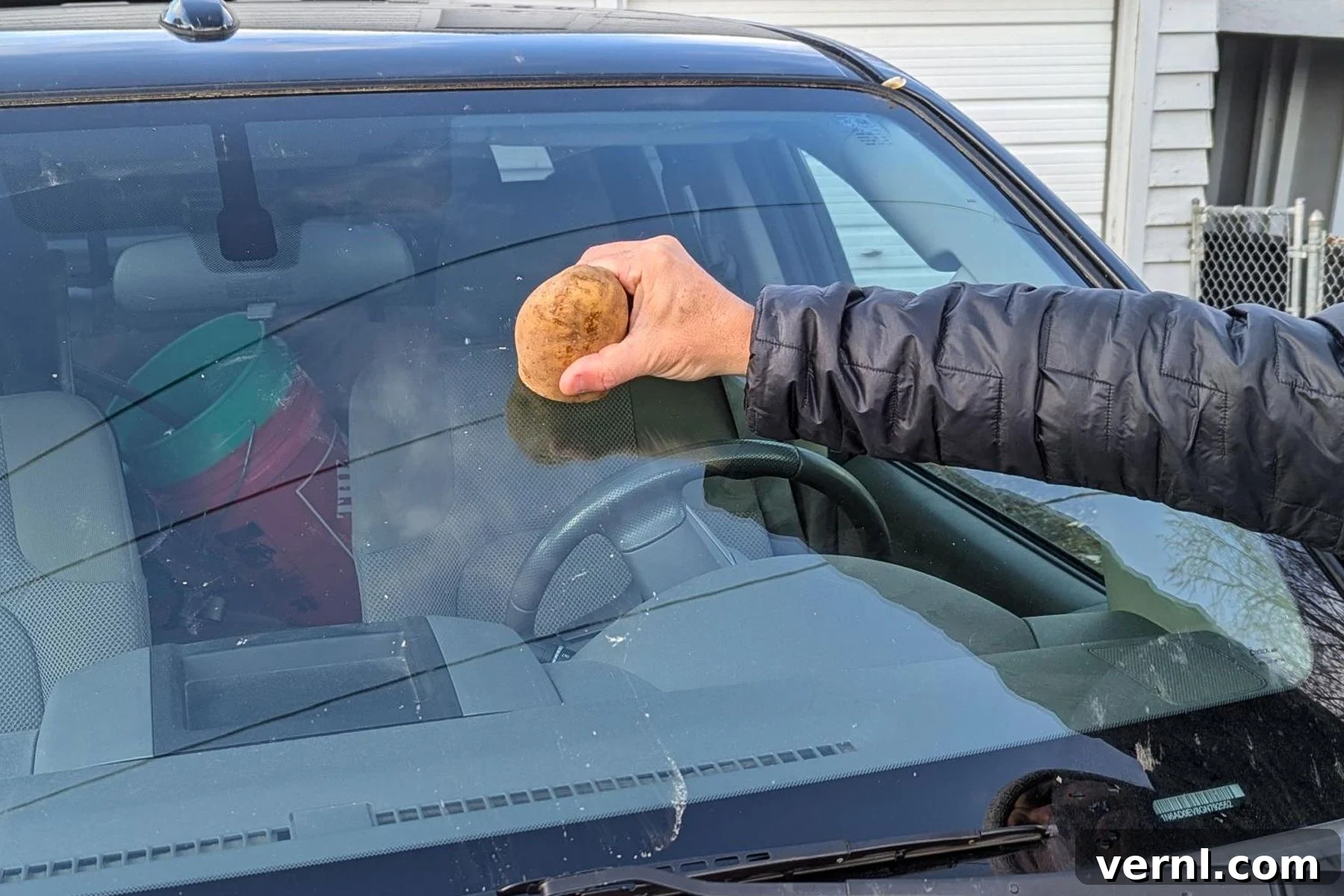
As the chill of winter truly settles in, the familiar routine of scraping ice from the car windshield becomes an unwelcome, time-consuming ritual each morning. For many, this daily struggle adds precious minutes to an already tight schedule, prompting a search for any hack that promises relief. One particular rumor has been circulating for years, capturing the imagination of frost-weary drivers: the potato windshield hack. It suggests that a simple rub of a raw potato on your car’s glass the night before can magically prevent ice from forming overnight. Sounds almost too good to be true, doesn’t it?
Driven by curiosity and armed with a couple of potatoes destined for the compost pile – and facing mornings that consistently hovered around a frigid 20 degrees Fahrenheit – I decided to put this intriguing claim to the test. Could this humble root vegetable be the secret weapon against winter’s icy grip? While embarking on my own practical experiment, I also reached out to a panel of automotive and glass care experts to get their professional insights into the validity of this widespread hack. What did they say, and more importantly, what did my real-world trial reveal?
Join us as we peel back the layers of this popular winter car hack, exploring its theoretical basis, examining expert opinions, and sharing the results of a firsthand experiment. Discover whether the potato trick lives up to its frosty reputation or if you should stick to more traditional methods for crystal-clear vision on those icy mornings. We’ll also delve into a range of proven alternatives that can genuinely save you time and effort when winter weather strikes.
The Potato Windshield Ice Prevention Hack: Fact or Fiction?
Every winter, a wave of inventive “life hacks” surfaces, promising to simplify our lives and save us from the cold, harsh realities of the season. Among these, the potato windshield hack stands out as one of the most persistent and widely discussed. The central claim is straightforward: by rubbing a freshly sliced raw potato across your car’s windshield in the evening, you can effectively prevent ice from adhering or forming overnight. This seemingly simple, natural solution has garnered attention across various platforms, from prominent news outlets like USA Today to long-standing guides like the Farmers’ Almanac. The latter enthusiastically declares, “In the morning, you won’t have to scrape! Simply rinse and use your wipers to clear the windshield when you hit the road.” The allure is undeniable – imagine waking up to an ice-free windshield with minimal effort. But does this widely touted tip truly hold up under scrutiny?
The appeal of such a hack lies in its perceived simplicity and cost-effectiveness. Who doesn’t have a potato lying around, and wouldn’t prefer a natural remedy over chemical de-icers or time-consuming scraping? This hack taps into a universal desire for an easy fix to a common winter nuisance. However, as with many such remedies, it’s crucial to examine the underlying principles and compare them against real-world performance.
How Does the Potato Windshield Hack Claim to Work?
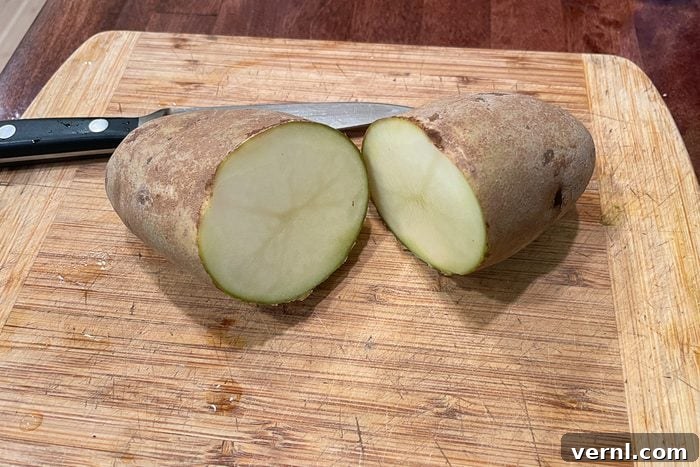
The proposed mechanism behind the potato hack is rooted in basic chemistry. When you rub a sliced raw potato onto glass, the natural juices contained within the potato are transferred to the surface. These juices are rich in starch and, more importantly, sugars. The theory suggests that these sugars create a thin, transparent layer or barrier on the windshield. This sugar-based film is believed to possess properties that make it more difficult for ice crystals to form and bond strongly to the glass overnight. Essentially, it acts as a very mild, temporary hydrophobic coating, or perhaps alters the freezing point on the immediate surface, preventing a solid, unyielding layer of ice from developing.
The hope is that this sugary layer either prevents ice formation altogether or, at the very least, makes any ice that does form much easier to remove. Instead of a tenacious, hard-frozen sheet, the ice should theoretically be brittle, loosely attached, or even slush-like, allowing for effortless clearing with wipers or a quick rinse. This scientific explanation, while plausible in theory, begs the question of its practical effectiveness and consistency across varying winter conditions.
Do Potatoes Really Prevent Ice on Your Windshield? Expert Opinions Weigh In
To move beyond mere speculation, I consulted with leading experts in automotive care and glass maintenance to gather their professional perspectives on the potato de-icing hack. Both Thomas Patterson, Director of New Product Development and Technical Training at Glass Doctor, and Chris “Moose” Pyle, a highly experienced automotive expert at JustAnswer.com, acknowledged the theoretical basis of the hack. “Yes, in theory,” they both agreed, the potato could offer some benefit. Pyle elaborated, stating, “A potato will help to keep ice buildup on your glass and mirrors. It does work but, also leaves a residue, and it has to be done every day.”
Their expert consensus suggests that the hack isn’t entirely baseless. The sugars and starches in the potato juice do indeed create a film on the glass that can interfere with ice formation or adhesion. However, Pyle’s important caveats – the potential for residue and the necessity of daily application – highlight practical challenges that might diminish its appeal as a convenient, long-term solution. A film that leaves a sugary residue could attract dust or create streaks when wipers are used, potentially impairing visibility in other ways. Moreover, the effort of preparing and applying a potato every single night might negate the perceived time-saving benefits of avoiding scraping.
Putting the Potato to the Test: A Firsthand Experiment
Curiosity, combined with a healthy dose of skepticism, led me to conduct my own experiment right on my car windshield. Given the experts’ nuanced opinions, I decided against treating the entire windshield. Instead, I opted to apply the potato juice to just a portion of the glass, specifically the lower left (passenger side). This allowed for a direct, side-by-side comparison between the potato-treated section and the untreated areas, providing a clear visual representation of any potential differences.
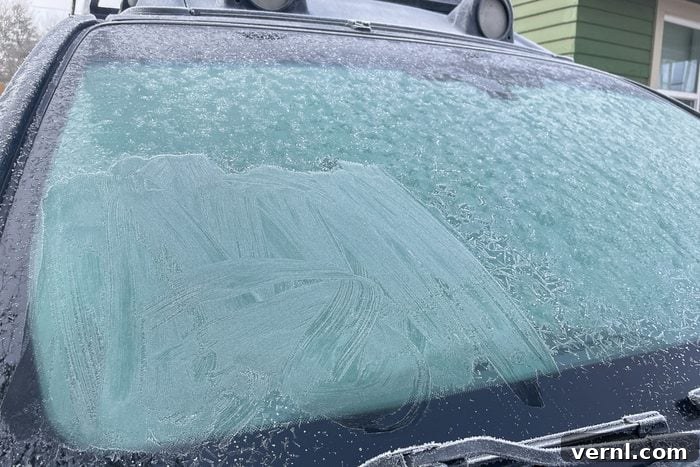
Over several cold mornings, my observations revealed interesting, though not miraculous, results. In my specific case, the potato treatment did not entirely prevent frost from forming. There was still a layer of ice on the treated section. However, a noticeable difference emerged in the ice’s crystal structure. The ice on the potato-treated area appeared less durable, more brittle, and less firmly bonded to the glass compared to the untreated sections. Ultimately, this characteristic did aid in the defrosting process, allowing the potato-treated section to clear slightly more quickly than the rest of the windshield.
Despite this marginal improvement, I concluded that the effort involved – chopping up a fresh potato and carefully rubbing it across the windshield every night – wasn’t sufficiently justified by the minimal time saved. It simply wasn’t a game-changer for my morning routine. It’s important to acknowledge that my experiment was not a rigorous scientific study. The effectiveness of the potato hack could be highly variable, influenced by numerous environmental factors such as the overall thickness of the frost, the rate of temperature change overnight, ambient relative humidity, and even the specific variety of potato used.
My findings were echoed by Ellen Flowers, Travel Editor at The Perennial Style, who also experimented with this hack. She first encountered the tip while traveling in Finland, a country certainly no stranger to severe winter conditions, and decided to give it a try. Her experience mirrored mine: “It worked a little, but not as well as she had hoped,” she shared. Despite the less-than-stellar results, Ellen found a valuable takeaway from her experiment. “Still, it taught me an important lesson about winter survival; it’s not always about finding the perfect fix, but about being resourceful and making the best of what you have,” she says. “Whether it’s a potato, a windshield cover or a good ice scraper, the real secret is learning to embrace the cold with a bit of creativity and practicality.” Her sentiment perfectly encapsulates the spirit of winter preparation: adaptability and a willingness to explore various solutions, even if some prove more effective than others.
Deeper Dive: The Science Behind Ice Formation and Effective Prevention
Understanding why ice forms on your windshield is key to truly preventing it. Ice crystals typically form when the surface temperature of the glass drops below freezing (32°F or 0°C) and comes into contact with moisture from the air, whether it’s humidity, condensation, or light precipitation. The water molecules then crystallize directly onto the cold surface. Methods to prevent this typically involve one of three strategies: lowering the freezing point of the water on the surface, creating a barrier that prevents ice from bonding strongly, or physically covering the surface to prevent moisture contact. The potato hack, with its sugar content, theoretically attempts the first two by creating a sugary film that might slightly lower the freezing point on the immediate glass surface and act as a temporary, weak barrier.
While the potato offers a rudimentary approach, modern solutions leverage more advanced scientific principles. Hydrophobic coatings, for instance, create a super-slick surface that water struggles to adhere to, causing it to bead up and roll off, making it less likely to freeze in place. De-icing sprays often contain alcohol or salt-based solutions that actively lower the freezing point of water, melting existing ice and preventing refreezing for a period. Physical covers simply block the moisture from reaching the glass altogether.
Beyond Potatoes: Exploring More Effective Alternatives for Ice-Free Windshields
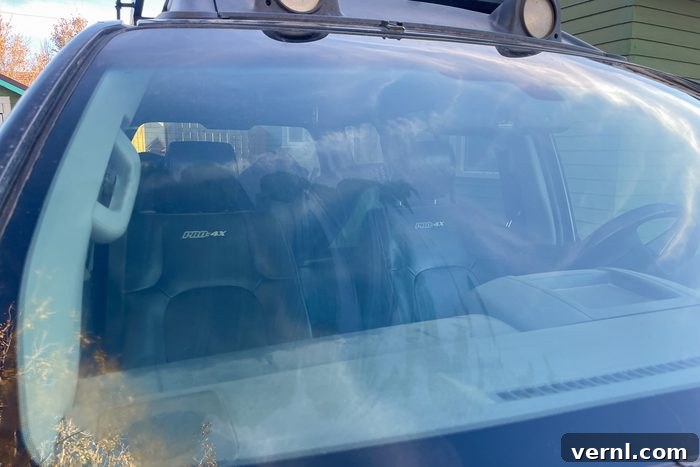
While the potato hack offers a fleeting glimpse of relief, experts agree that there are far more reliable and efficient alternatives available for preventing ice buildup on your windshield. “Although the sugars in the potato will create a barrier that does, in fact, prevent ice buildup and fogging of the glass, there are much better solutions,” asserts Thomas Patterson from Glass Doctor. He strongly advocates for modern hydrophobic coatings designed specifically for automotive glass. These specialized treatments create an ultra-smooth, water-repellent surface that makes it exceedingly difficult for water, and subsequently ice, to adhere. A significant advantage of these coatings is their compatibility with newer automotive safety system technologies, such as optical cameras, ensuring that your vehicle’s advanced features remain fully operational and your visibility is uncompromised.
Chris “Moose” Pyle, our automotive expert, offers several practical and budget-friendly suggestions that drivers can implement immediately:
- Cardboard Box Cover: A surprisingly effective and eco-conscious solution is to cover your windshield overnight with an unfolded cardboard box. “You can pull it off in the morning and store it in the car until the next evening,” Pyle advises. This simple physical barrier prevents moisture from reaching the glass surface, thus preventing ice formation. When the box eventually wears out, he quips, “buy something you want from Amazon and get a new box: win-win.” This method is particularly appealing for its zero cost and ease of use.
- Rain-X or Similar Water Repellent Treatments: Products like Rain-X create a durable, super-hydrophobic layer on the glass. This coating causes water to bead up and quickly run off the windshield, rather than sitting on the surface and freezing. While not a complete ice prevention solution, it significantly reduces the likelihood and severity of ice buildup and makes any existing ice much easier to scrape or melt. These treatments are long-lasting, often requiring only quarterly application.
- Waterproof Fabric Windshield Covers: For around $20, you can invest in a dedicated waterproof fabric windshield cover. These covers typically attach with magnets or straps that tuck into your car doors, ensuring a snug fit. They offer complete protection from snow, ice, and frost, eliminating the need for any scraping. In the morning, simply remove the cover, shake off any accumulated snow or ice, and store it until the next evening. They are durable, reusable, and provide a hassle-free solution.
- Spray De-icers: For those mornings when ice has already formed, a spray de-icer is an invaluable tool. These commercially available sprays typically contain alcohol or other chemicals that rapidly dissolve ice and frost upon contact, making them easy to wipe away. Many also include ingredients that help prevent re-accumulation for a short period, giving you a clear head start. Keep a bottle in your car for emergencies.
DIY De-icing Solutions: Homemade Alternatives
For those who prefer a do-it-yourself approach or find themselves without a store-bought de-icer, Brandon Hartman, founder of RV Heating Warehouse, suggests whipping up a homemade batch. These DIY solutions can be quite effective:
- Vinegar and Water Solution: Mix white vinegar and water in a spray bottle, typically at a 1:2 or 1:3 ratio (one part vinegar to two or three parts water). Spray this solution generously onto your icy windshield. The acetic acid in the vinegar helps to lower the freezing point of water, effectively melting the ice. While generally safe, some experts caution against prolonged, concentrated use of vinegar on certain rubber or chrome car parts.
- Rubbing Alcohol and Water Solution: A more potent DIY option involves mixing rubbing alcohol (isopropyl alcohol) with water. A common ratio is 2:1 (two parts rubbing alcohol to one part water). Rubbing alcohol has a much lower freezing point than water, making this solution highly effective at melting ice quickly. Like commercial de-icers, it works by actively lowering the freezing point of the ice on your windshield. Ensure good ventilation when using and avoid contact with painted surfaces if possible, although it’s generally safe for short-term contact.
Always remember to never use hot water on an icy windshield, as the rapid temperature change can cause the glass to crack or shatter.
Choosing the Best Method for Your Winter Routine
The “best” method for keeping your windshield ice-free ultimately depends on your specific needs, budget, and the severity of your local winter conditions. If you’re looking for a completely passive solution, a good quality windshield cover or an advanced hydrophobic coating might be ideal. For those who prefer a quick morning fix, a spray de-icer (commercial or DIY) is invaluable. And if you’re truly embracing resourcefulness, the cardboard box method is a testament to simple, effective problem-solving.
For optimal results in particularly harsh winters, a multi-pronged approach often works best. Perhaps a hydrophobic coating for daily driving, coupled with a fabric cover on nights when heavy frost is expected, and a DIY de-icer for unexpected icy surprises. The key is to find a routine that fits your lifestyle and keeps your visibility clear and safe, without unnecessary stress or effort.
Meet Our Automotive and Travel Experts
The insights shared in this article come from a distinguished panel of professionals with deep expertise in automotive care, glass technology, and travel. Their combined knowledge provides a comprehensive perspective on managing winter’s challenges.
- Chris “Moose” Pyle is a master-certified technician boasting over 20 years of extensive automotive experience. His wealth of knowledge has been shared with countless individuals as an expert for JustAnswer.com since 2006.
- Thomas Patterson serves as the Director of New Product Development and Technical Training at Glass Doctor. With an impressive 45 years in the glass business, having worked on thousands of vehicles, he brings unparalleled expertise. Glass Doctor is a prominent Neighborly Company, operating with more than 300 retail locations across the nation.
- Ellen Flowers is the dynamic Travel Editor of The Perennial Style, a vibrant online publication dedicated to travel, fashion, and beauty. Curated by a team of passionate sisters, their mission is to inspire wanderlust and share stylish adventures with their audience.
- Brandon Hartman is the visionary founder of RV Heating Warehouse, an eCommerce company specializing in providing high-quality heating systems and essential replacement parts for recreational vehicles.
In conclusion, while the potato windshield hack might offer a minor, theoretical benefit by subtly altering ice formation, our experiment and expert opinions suggest it’s far from a miraculous cure. It’s a testament to human ingenuity in the face of winter’s inconveniences, but ultimately, more reliable and efficient alternatives exist. Embracing a bit of creativity, combined with practical and proven solutions, will ensure your car is ready for whatever winter throws its way, keeping you safe and on schedule.