
By now many people have seen images of the Lincoln Memorial Reflecting Pool colored a soupy green. The algae bloom appeared just days after a more than $14 million restoration was completed. Ironically, the renovation began after President Trump directed the pool’s bottom be painted an “American flag blue” to transform what he described as “filthy” into a visually striking site for the nation’s 250th anniversary events.
It remains uncertain whether the slime will clear up before the Fourth of July, but the incident does offer useful lessons for anyone who maintains a pond, fountain or pool at home. Algae can proliferate quickly under summer conditions, and that doesn’t always mean the entire system is broken—often the water environment simply shifted in a way that favored algae growth.
Here are practical takeaways from the Lincoln Memorial Reflecting Pool episode: what likely went wrong, why algae becomes such a problem in warm months, and straightforward steps homeowners can take to keep their water features clear and healthy.
What Went Wrong With the Reflecting Pool Renovation?
An Interior Department spokesperson said the bloom likely came from residual algae in supply lines that had been dormant for weeks. Many experts, however, note the situation is probably more complex. Possible contributing factors include the source of refill water, the removal of beneficial bacteria and biofilm during renovation, a stretch of hot weather, and the darker paint used on the pool bottom, which absorbs more sunlight and heat.

Causes of Algae in Water Features
Algae thrives where sunlight, warm temperatures and nutrients are abundant. Shallow water that receives direct sun is especially vulnerable in summer. Poor circulation and nutrient inputs from fertilizer runoff, bird droppings, decomposing pollen, leaves and grass clippings help fuel blooms. Even small changes—like dormant water in pipes or removal of beneficial microbes—can tip the balance in algae’s favor.
Is Algae Dangerous?
Algae can be more than an aesthetic problem. Some types produce toxins that are harmful to people, pets and wildlife. More commonly for homeowners, algae can clog filters, damage pumps, and create slippery surfaces. In systems treated with chlorine, dense algae can deplete disinfectant levels, allowing other microbes such as E. coli or Legionella to grow. Algal overgrowth also reduces dissolved oxygen in the water, which can lead to fish kills and broader ecological damage.
How to Keep a Home Water Feature Clean
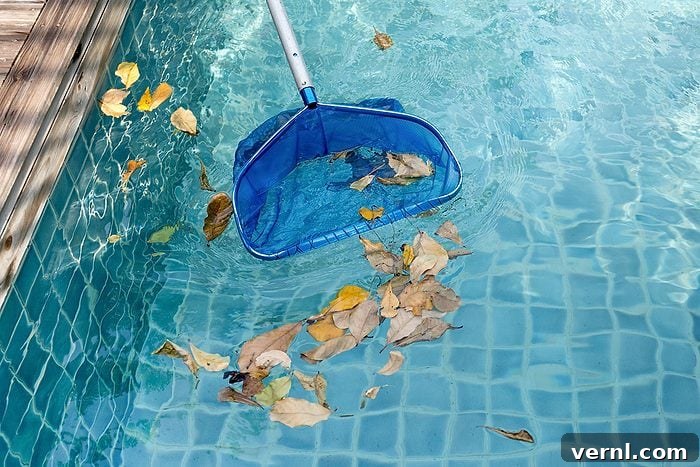
Algae is a natural organism, so the practical goal is balance rather than total elimination. A healthy, well-managed water feature resists takeover because conditions aren’t ideal for sustained algal growth. Key maintenance habits will prevent most problems:
- Skim leaves and debris before they break down and release nutrients into the water.
- Clean filters and pump baskets at least weekly to keep mechanical systems efficient.
- Maintain proper water levels so pumps are not strained and circulation remains strong.
- Brush or clean surfaces on a regular schedule to stop slime from forming and spreading.
- Reduce sunlight exposure with shade sails or floating plants such as lily pads; these also absorb nutrients.
- Optimize circulation so all areas of the feature are filtered and stirred, eliminating stagnant pockets.
- Remove sludge and decaying organic matter from the bottom to deny algae food sources.
Monitoring water chemistry and using algicides can help in severe cases, but circulation and debris management are the most important controls. Chemical treatments can harm fish, pets and local ecosystems if used improperly. Treating algae purely as a chemistry problem is a common mistake—addressing warm, still, nutrient-rich conditions is the long-term solution.
What Homeowners Can Learn From the Lincoln Memorial Reflecting Pool
The reflecting pool demonstrates that even large, expensive engineering projects can be undone by basic biological processes. Paint or design alone cannot prevent nature from responding to light, heat and nutrients. Homeowners should respect water features as living systems that require ongoing attention. Regular, simple maintenance tasks are far more effective at preventing blooms than occasional heavy-handed interventions.
In short: stay proactive. Small, frequent tasks—skimming, cleaning, maintaining circulation and shading—keep water features balanced and reduce the chance of an unpleasant, and sometimes hazardous, algal bloom.
About the Experts
- William Boynton is the founder of HomeScore, a homeowner intelligence platform that analyzes home systems and maintenance trends.
- Justin Miller is co-founder and CEO of General Galactic Systems Inc., a company that develops water monitoring products for pools and spas.
- Mike Otranto is the owner of Wake County Home Buyers in North Carolina and has worked in real estate for many years, helping with purchases, repairs and renovations.