
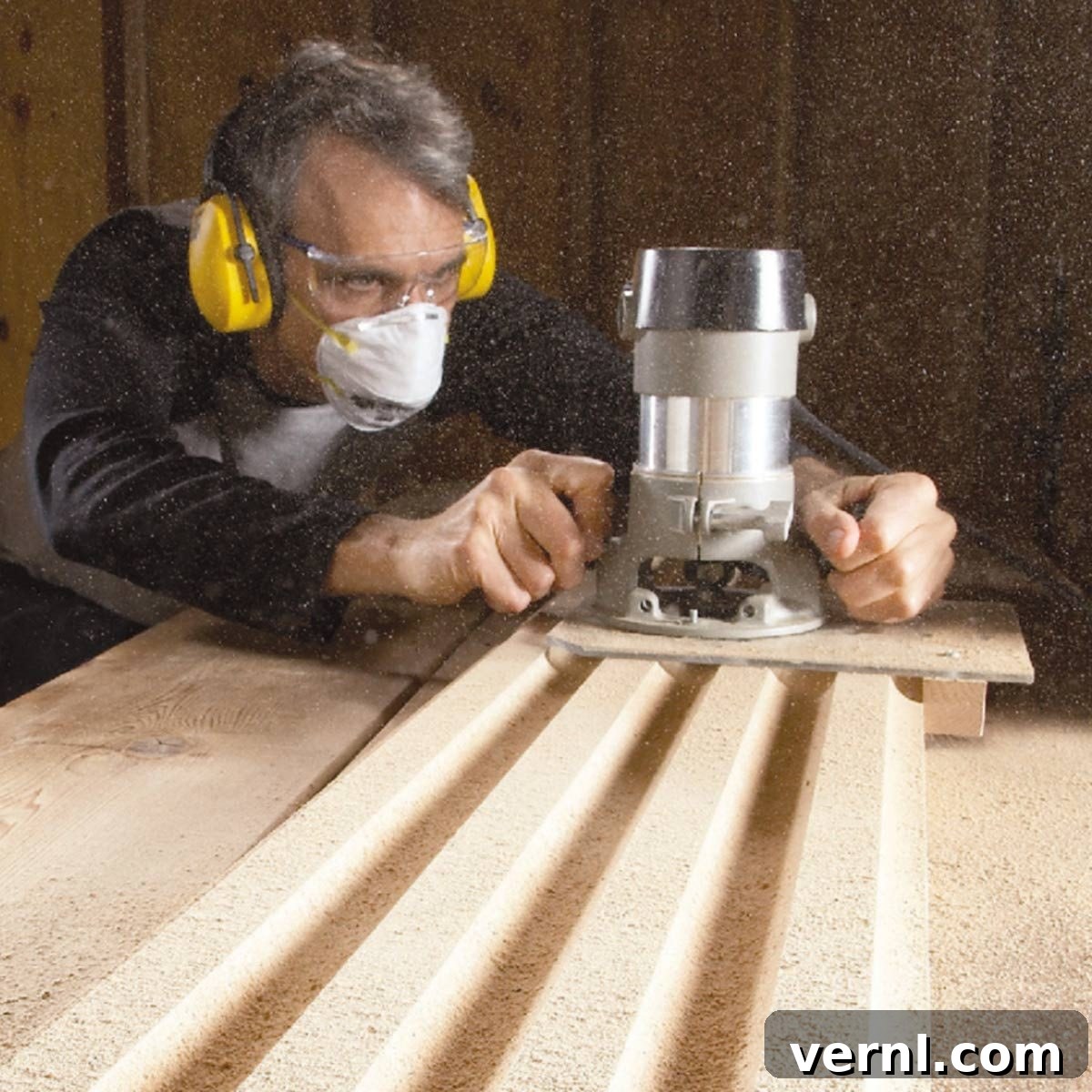
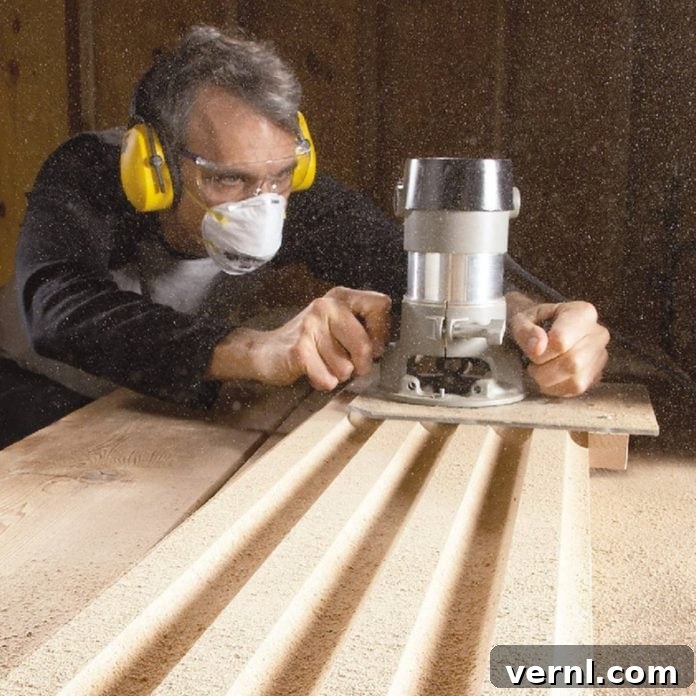
Mastering DIY Safety: Your Comprehensive Guide to Choosing the Right Breathing Protection
Engaging in do-it-yourself (DIY) projects brings immense satisfaction, whether you’re revamping a room, building custom furniture, or tackling essential home repairs. However, many common DIY tasks inherently generate airborne hazards – from fine dust particles released during sanding and demolition to noxious fumes emanating from paints, finishes, and solvents. While these dangers might seem invisible or insignificant in the short term, their cumulative impact on your respiratory health can be severe and long-lasting. Protecting your lungs isn’t just a recommendation; it’s a non-negotiable aspect of responsible DIY work. There is no safe level of dust or chemical vapor for your lungs, and every unprotected exposure contributes to potential damage over time. This comprehensive guide will equip you with the knowledge to select the appropriate breathing protection, ensuring your well-being as you transform your living spaces with confidence and safety.
Why Lung Protection is Paramount in DIY Projects
Your respiratory system is an intricate and vital network responsible for delivering oxygen to your body. Inhaling dust, chemicals, and other airborne contaminants can lead to immediate irritation, coughing, and shortness of breath. More critically, long-term or repeated exposure can cause chronic and irreversible conditions such as occupational asthma, chronic bronchitis, silicosis (from crystalline silica dust found in concrete or stone), chemical sensitivity, and even certain types of cancer. These health issues don’t always manifest immediately; often, they develop silently over years of repeated exposure to seemingly minor irritants. Recognizing these hidden dangers and taking proactive steps to safeguard your lungs is the smartest investment you can make in your long-term health and ability to continue enjoying your DIY passions.
Understanding Common Respiratory Hazards in DIY Environments
DIY environments present a diverse range of airborne threats, each requiring specific protective measures:
- Fine Particulate Dust: Generated from activities like sanding wood, drywall, plaster, concrete, masonry, and insulation. These microscopic particles can bypass your body’s natural defenses and penetrate deep into lung tissue, leading to irritation, inflammation, and scarring.
- Chemical Vapors and Fumes: Released by common products such as paints (especially oil-based), varnishes, stains, lacquers, strippers, adhesives, cleaning agents, and various solvents. These Volatile Organic Compounds (VOCs) can irritate airways, cause headaches, nausea, and have systemic effects on the nervous system and other organs.
- Mold Spores: Often disturbed during renovation or demolition in damp areas like bathrooms, basements, or attics. Inhaling mold spores can trigger allergic reactions, asthma attacks, and other respiratory problems in sensitive individuals.
- Lead Dust: A significant hazard during the removal of old paint, particularly in homes built before 1978. Lead dust is highly toxic, especially to children, and can cause severe developmental and neurological problems.
- Asbestos Fibers: Found in older building materials such as insulation, floor tiles, roofing, and pipe wrap. Disturbing asbestos-containing materials releases microscopic fibers that, when inhaled, can lead to severe and fatal lung diseases like asbestosis, lung cancer, and mesothelioma. Due to the extreme risks, disturbing asbestos almost always requires specialized professional handling.
Decoding Certified Filter Ratings: Your Essential Guide to Effective Protection
When selecting a mask or respirator, its certification rating is the most important indicator of its filtering efficiency and protective capability. In the United States, respirators are rigorously tested and certified by the National Institute for Occupational Safety and Health (NIOSH). These certifications are crucial for understanding what a mask can and, more importantly, cannot protect you against.
The NIOSH Classification System: N, R, P Ratings Explained
NIOSH categorizes particulate filters into three series based on their resistance to oil aerosols. This distinction is critical because oil-based particles, often found in paints, solvents, lubricants, and some cleaning agents, can degrade the electrostatic charge of a filter, significantly reducing its effectiveness over time.
- N = Not Resistant to Oil: These filters are designed for environments free of oil aerosols. They are highly effective against airborne particulate matter like dust, mists (non-oil-based), and fumes that do not contain oil. An N-rated mask should never be used where oil-based contaminants are present, as its filtration efficiency will rapidly decline.
- R = Resistant to Oil: These filters offer a moderate level of resistance to oil aerosols. They can be used in environments containing oil-based particulates, but their use is typically limited to a single shift or 8 hours, whichever comes first, before disposal, as oil can still degrade their performance over time.
- P = Oil Proof: These are the most robust particulate filters, providing strong, long-lasting protection against both oil and non-oil-based aerosols. P-rated filters are effective for extended periods in environments with oil-based particulates, and they are typically reusable for longer durations, provided they are cleaned and maintained according to manufacturer guidelines and replaced when breathing resistance increases.
Understanding Filtration Efficiency: The Number Ratings (95, 99, 100)
Following the letter rating (N, R, or P), a number indicates the minimum percentage of airborne particles the mask is capable of filtering out under worst-case testing conditions. This percentage refers to non-oil-based particles for N-rated masks, and both oil and non-oil-based particles for R and P-rated masks.
- 95: Filters at least 95 percent of airborne particles. An N95 mask, for example, is highly effective against common dust, pollen, and non-oil-based mists, but offers no protection against oil-based vapors or chemical fumes. It’s a good baseline for general dust protection.
- 99: Filters at least 99 percent of airborne particles. An N99 or P99 mask offers superior filtration compared to a 95-rated mask, providing an extra layer of protection against finer particulates or in environments with higher concentrations of dust.
- 100: Filters at least 99.97 percent (often rounded up to “100%”) of airborne particles. A P100 mask is considered the highest level of particulate filtration, offering maximum protection against virtually all types of particulate matter, including very fine dust, aerosols, and even oil mists, for extended periods. These are often recommended for the most hazardous tasks like lead paint removal, asbestos abatement (by professionals), and working with highly toxic dusts.
The Critical Importance of a Proper Seal and Fit for Respirator Effectiveness
Even the most highly rated mask is rendered ineffective if it doesn’t form a tight, uncompromised seal against your face. Air will simply bypass the filter through any gaps, allowing contaminants to reach your lungs. This is why proper fit is as crucial as the filter rating itself. Most masks come in different sizes (small, medium, large), and it’s important to select one that fits your unique face shape and size snugly and comfortably.
A critical note of caution: Facial hair, especially beards, stubble, or even significant sideburns, can severely compromise the seal of almost any tight-fitting respirator. If you have a beard, no mask designed to seal directly against the face will perform as advertised or provide its certified level of protection. In such cases, options like powered air-purifying respirators (PAPRs) or being clean-shaven are necessary for adequate protection against hazardous airborne contaminants.
Before each use of a tight-fitting respirator, perform a quick seal check to ensure it’s functioning correctly:
- Positive Pressure Seal Check: Place your palms over the exhalation valve (if present) and/or the filter cartridges. Exhale gently. If the mask slightly bulges and no air leaks around the edges of the facepiece, you have a good seal.
- Negative Pressure Seal Check: Place your palms over the filter cartridges (or block the inhalation ports). Inhale sharply. If the mask collapses slightly against your face and no air leaks around the edges, the seal is good.
Bargain Masks: A False Economy for Your Health
Never compromise on your long-term health by opting for unrated or low-rated masks. Masks with ratings lower than N95, or those that display no NIOSH certification at all, are essentially worthless for protecting against microscopic airborne particles and chemical fumes. While they might prevent you from inhaling larger debris like insects, wood chips, or paint flakes, they offer no defense against the fine dust and invisible vapors that pose serious, cumulative health risks. Always look for the clear NIOSH certification mark and the specific N, R, or P rating followed by the percentage (e.g., N95, P100) prominently displayed on the mask and its packaging. Your health is worth investing in proper protection.
Choosing the Right Mask for Your DIY Project: A Practical Guide
The “right” mask depends entirely on the specific hazards of your project. Consider the type of contaminants you’ll encounter (dust, vapors, gases), their concentration, the duration of your work, and your personal comfort needs.
1. Standard Disposable Particulate Respirators (N95)
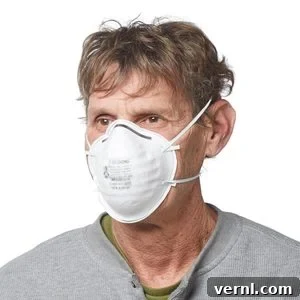
Ideal for Everyday Dusty Work
If your project primarily involves generating non-oil-based dust, such as light sanding wood, drywall repairs, general cleaning, or light demolition work in a well-ventilated area, a disposable N95 mask is an excellent and cost-effective choice. These masks are widely available and typically cost around $1-$3 each, making them suitable for single-use applications. Ensure the ones you purchase are clearly marked with an N95 rating and NIOSH certification. While convenient, remember they offer no protection against chemical fumes, vapors, or oil-based particulates. Always dispose of them after a single use or when breathing becomes difficult.
2. Disposable Particulate Respirators with Exhalation Valve (N95)
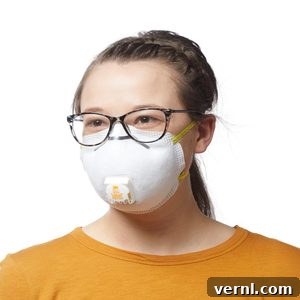
Enhanced Comfort for Extended or Strenuous Use
For dusty tasks similar to those mentioned above, but where you anticipate wearing the mask for extended periods or engaging in physically demanding work (e.g., overhead sanding, prolonged demolition), upgrading to an N95 mask with an exhalation valve is highly recommended. While slightly more expensive (around $3-$5 each), the valve significantly improves comfort by reducing heat and moisture buildup inside the mask, making breathing much easier. This can reduce fatigue and increase compliance with wearing the mask for the entire duration of your project. Just like standard N95s, these are only for particulates and not for chemical vapors or oil-based mists. You can often find a reliable mask with an exhalation valve from reputable brands.
3. Reusable Fabric Masks with Replaceable Particulate Filters (e.g., N99 Rated)
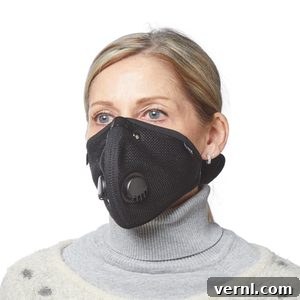
Comfort and Sustainability for Frequent Dust Exposure
If you regularly undertake DIY projects that generate significant dust, investing in a reusable half-face fabric mask with replaceable particulate filters can be a wise and environmentally conscious choice. These masks, often made of more comfortable fabric or silicone materials, can offer a better, more customized fit and seal than many disposable options. They are more economical in the long run as only the filters need replacing, and they generate less waste. Models like the RZ M2 mask with an N99 rating (around $35) provide superior particulate filtration (99%) and enhanced comfort for prolonged use. Remember to replace filters according to manufacturer recommendations or when breathing resistance increases or the filter appears visibly soiled.
4. Reusable Cartridge Filter Respirators (P100, Organic Vapor, Multi-Gas)
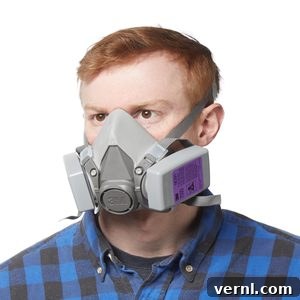
The Ultimate Versatility for Chemical and High-Hazard Protection
These are the most versatile and robust breathing protection devices available to the serious DIYer, offering a comprehensive solution for a wide range of hazardous materials. Reusable cartridge filter masks consist of a durable and comfortable facepiece (often made of silicone for a superior seal) and interchangeable cartridges designed to filter specific types of contaminants. This adaptability makes them indispensable for a vast array of demanding tasks.
- Particulate Filters (e.g., P100): For maximum protection against virtually all particulate matter, including oil mists, very fine dust (like from concrete, masonry, or lead paint), and even mold spores. A P100 rating filters an impressive 99.97% of particles and is oil-proof, making it the top choice for the most demanding dust-generating tasks where fine, toxic, or oil-laden particulates are present.
- Organic Vapor (OV) Cartridges: These cartridges contain activated charcoal or other sorbents to absorb gaseous contaminants like VOCs from paints, varnishes, stains, lacquers, adhesives, and solvents. If you’re working with oil-based paints, applying strong finishes, using paint strippers, or dealing with epoxy resins, an OV cartridge is absolutely essential.
- Acid Gas (AG) Cartridges: Used for protection against specific acid gases such as chlorine, hydrogen chloride, or sulfur dioxide. While less common for typical DIY projects, they are important for specific chemical handling scenarios.
- Multi-Gas/Vapor Cartridges: These specialized cartridges offer broader protection against a combination of organic vapors, acid gases, and sometimes ammonia or formaldehyde, making them suitable for complex chemical exposures.
If you’re applying finishes, stripping paint, working with strong adhesives, or dealing with potentially hazardous materials like significant mold remediation or lead paint removal, a mask with replaceable activated charcoal cartridge filters is absolutely critical. A high-quality cartridge filter mask, such as one with a P100 rating and organic vapor cartridges, typically costs around $30-$50 for the facepiece, with cartridges being replaceable as needed. This initial investment provides superior, customizable protection for your most challenging and hazardous projects, ensuring peace of mind and long-term respiratory health.
DIY Project Scenarios and Recommended Respirators: A Quick Reference
To help you quickly identify the best protection for your task, here’s a quick reference guide for common DIY projects:
- Light Sanding (Wood, Drywall), General Cleaning, Minor Demolition: N95 Disposable Mask (consider an exhalation valve for comfort or extended use).
- Heavy Demolition, Concrete Cutting/Grinding, Working with Fiberglass Insulation: N95 or N99 Disposable, or Reusable Fabric N99 Mask for enhanced filtration and comfort.
- Painting (Latex/Water-based, well-ventilated area): N95 for paint spray particles; P100 or OV Cartridge if ventilation is poor or you are sensitive to even mild fumes.
- Painting (Oil-based), Staining, Varnishing, Using Lacquers, Strong Adhesives, Epoxy Resins: Reusable Half-Face Respirator with Organic Vapor (OV) Cartridges. A P100 filter combined with an OV cartridge (often a combined cartridge) offers the best overall protection.
- Working with Solvents, Paint Strippers, Industrial Cleaners: Reusable Half-Face Respirator with Organic Vapor (OV) or Multi-Gas/Vapor Cartridges, combined with P100 particulate filters if dust is also present.
- Mold Remediation (small, contained areas): P100 Disposable Respirator or a Reusable Half-Face Respirator with P100 Particulate Filters.
- Lead Paint Removal (strictly adhere to safety protocols): Reusable Half-Face Respirator with P100 Particulate Filters (absolutely essential due to the high toxicity of lead dust).
- Disinfecting or Cleaning with Strong Chemicals (e.g., bleach solutions in confined spaces): Reusable Half-Face Respirator with OV or Multi-Gas Cartridges (depending on the specific chemical and concentration).
Beyond the Mask: Holistic DIY Safety Practices
While choosing the correct breathing protection is paramount, it’s an integral part of a broader safety strategy for any DIY endeavor. Comprehensive safety measures enhance your well-being and project success:
- Adequate Ventilation: Always work in a well-ventilated area. Open windows and doors, use fans to create cross-ventilation, and consider local exhaust ventilation to remove contaminants at the source whenever possible.
- Eye Protection: Safety glasses or goggles are essential to protect your eyes against dust, chemical splashes, and flying debris that can cause severe injury.
- Hand Protection: Wear appropriate gloves (e.g., nitrile for chemicals, leather for abrasion) to prevent skin contact with chemicals and protect against cuts, scrapes, and splinters.
- Protective Clothing: Long sleeves, long pants, and sturdy footwear can protect your skin from irritants, chemicals, and debris, and guard against minor injuries.
- Proper Clean-up: For dust-generating tasks, use a HEPA-filtered vacuum cleaner to clean up thoroughly, rather than sweeping, which re-suspends fine particles into the air. Damp wiping can also help control dust.
When to Call a Professional: Recognizing Limitations
It’s crucial to recognize that some hazards are simply too dangerous or complex for even the most well-equipped DIYer to handle safely. If you suspect the presence of asbestos, are dealing with extensive mold growth that covers a large area, or need to remove large quantities of lead paint, it is always best to consult or hire certified professionals. They have the specialized training, advanced equipment, personal protective equipment, and containment procedures necessary to safely and effectively handle these highly hazardous materials, ensuring the safety of your home and family.
Conclusion: Prioritizing Your Health with Smart Choices
Your passion for DIY should never come at the expense of your health. By understanding the different types of respiratory hazards you might encounter and the appropriate protection available, you can confidently tackle your projects while safeguarding your lungs for years to come. Invest in quality masks, diligently understand their NIOSH ratings, ensure a proper fit with every use, and replace filters or cartridges regularly as recommended by the manufacturer. Make lung protection a non-negotiable part of your DIY toolkit, and you’ll not only enjoy your projects but also their results with lasting health and peace of mind.
For more detailed information on specific mask types, maintenance, and usage, always refer to the manufacturer’s instructions, NIOSH guidelines, and local safety regulations.
Every product is independently selected by our editors. If you buy something through our links, we may earn an affiliate commission.