
Since the 1970s I’ve owned only station wagons and SUVs, and I generally leave the body styling of my cars alone. That said, I have installed many factory accessories over the years—roof rack crossbars, mud flaps, running boards, wind deflectors and towing packages. These items add weight and change aerodynamics, rolling resistance and how the vehicle handles airflow, which reduces fuel economy. Still, they can give a vehicle a finished, personalized look, and many owners find that tradeoff acceptable.
Accessory and modification spending is large: industry reports show consumers invest billions annually in accessorizing and modifying vehicles. Car owners modify vehicles to reflect personality, to add functionality, or to improve off-road capability and performance. Unfortunately, even original equipment manufacturer (OEM) options and dealer-installed accessories often reduce miles per gallon. Below, experts explain how common add-ons diminish MPG and what to consider when installing them.
How Car Accessories Affect Fuel Economy
Automakers design vehicles so every detail helps achieve the best fuel economy possible. Small exterior details—the angle of the windshield, hood shape, lights, handles and even antennas—are positioned to reduce drag. Anything that interrupts the intended airflow, increases weight, or raises rolling resistance forces the engine to work harder and uses more fuel.
Body kits and rear wings are often marketed as aerodynamic improvements, but if they protrude into airflow they can increase drag. “Anything that sticks out into the airflow increases drag, forcing you to apply more throttle and making the engine work harder just to maintain the same speed,” says auto expert Chris Pyle. Even decorative hood scoops or glued-on accessories can create turbulence that reduces MPG.
Mounted equipment can prevent a smooth, streamlined airflow over the cabin. Items as small as window deflectors or light bars will usually have a small effect individually, but fitting multiple accessories can compound the impact and noticeably lower fuel economy, according to Eliot Vancil of Fuel Logic LLC.
The Impact of Roof Racks
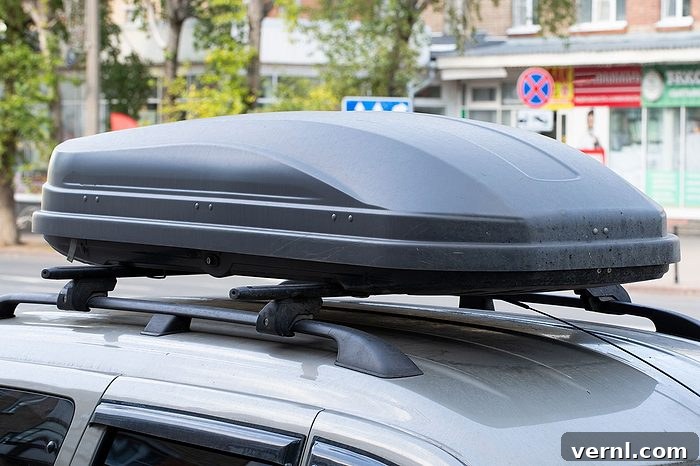
Roof racks sit in the cleanest, highest-pressure airflow above the vehicle, so even when empty they add aerodynamic drag and reduce fuel economy. The increased frontal area and head-on mass create turbulence over the roof, forcing the engine to work harder to maintain speed—especially at highway speeds above about 55 mph. Roof racks can reduce fuel economy by several MPG; removing crossbars when not in use is one simple way to recover some efficiency. Always respect the roof rack’s weight limits and secure cargo properly.
Lift Kits and Vehicle Modifications
Raising a vehicle’s suspension with a lift kit exposes more of the undercarriage to airflow, increasing underbody turbulence and drag. Altered suspension geometry can also increase rolling resistance and rotational mass. Racing cars are low to the ground for a reason: lower ride height reduces airflow under the car, which lowers turbulence and drag while improving high-speed stability.
Even a modest two-inch lift can cost one to three MPG, while aggressive off-road builds with larger tires and extra components can reduce fuel economy by as much as 20 percent. Small changes in ride height or body configuration can have measurable effects on efficiency.
Heavy Aftermarket Accessories
Many aftermarket items add substantial weight—truck bed storage systems, steel bumpers, winches, skid plates, roll bars and cargo organizers can easily add hundreds of pounds. Added weight is particularly costly in stop-and-go city driving because accelerating heavier mass consumes more fuel. A general rule of thumb is that every extra 100 pounds can reduce MPG by roughly one to two percent or more, depending on the vehicle and driving conditions.
Heavy off-road armor and protective components commonly add 200 to 400 pounds before any gear is loaded. That extra mass forces the engine to work harder during acceleration and to maintain speed, reducing overall fuel efficiency.
FAQ
Are larger tires always worse for fuel economy?
Often they are. Heavier wheels and larger tires increase rotational mass and rolling resistance, and aggressive off-road tread patterns make the engine work harder at highway speeds. Wider tires typically require more power to keep moving, which can increase fuel consumption. However, properly selected tires with a larger diameter but low rolling resistance compounds and correct fitment can sometimes maintain or slightly improve highway MPG, though fitment must be calculated carefully so performance and safety are not compromised.
Is a hitch-mounted cargo carrier more efficient than a roof box?
Generally, yes. A hitch-mounted cargo carrier usually sits in the vehicle’s aerodynamic slipstream and creates less drag than a roof box. Expect a roof box to reduce MPG by a noticeable amount—commonly in the range of 10 to 25 percent depending on shape, size and speed—while a hitch carrier typically lowers MPG by a much smaller percentage, often around one to three percent. Because a roof box sits high and presents a blunt surface to oncoming air, it tends to grab wind and create resistance, whereas hitch carriers are more sheltered and produce less turbulence.
About the Experts
Chris “Moose” Pyle is a master-certified technician with more than 20 years of automotive experience and has worked as an expert answering vehicle maintenance and repair questions for many years.
Eliot Vancil is CEO of Fuel Logic LLC, a company focused on comprehensive fuel management solutions. His background includes leadership roles overseeing operations and services in related industries.
Resources
- Industry and technical input from automotive and fuel economy professionals
- Manufacturer and aftermarket product specifications for roof racks, tires and lift kits
- Government fuel economy guidance and vehicle comparison resources