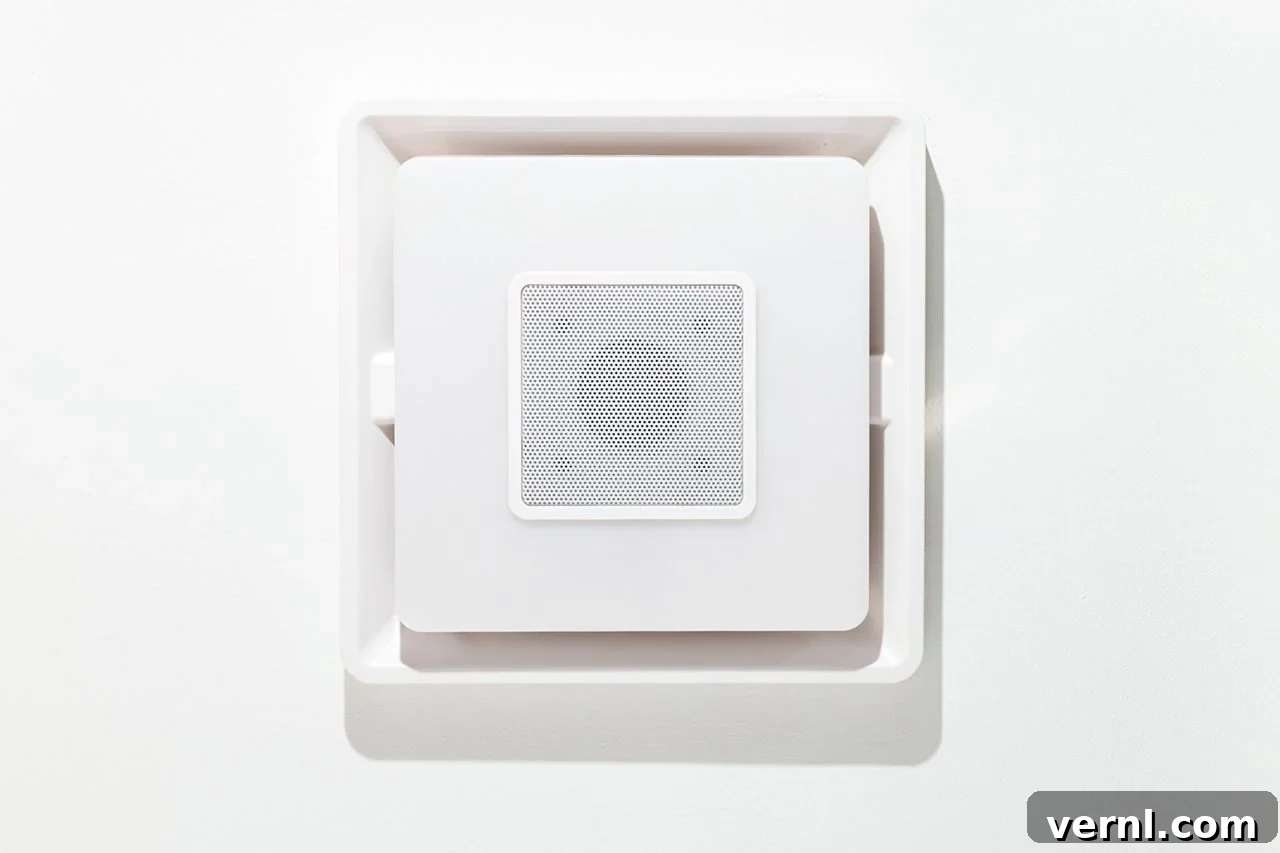
Most people know to switch on the bathroom exhaust fan when they shower. The room fills with steam and it’s hard to forget. But there’s a bit more to it than simply turning the fan on during your shower. Experts recommend running the fan throughout the bath or shower and leaving it on after you finish. That extra run time removes lingering moisture from the air and from surfaces where condensation collects, helping prevent mold growth and protecting fixtures and finishes.
How Long Should a Bathroom Fan Run?
In addition to running the exhaust fan while water is flowing, ENERGY STAR recommends keeping it on for at least 15 minutes after the shower ends to help control moisture. Many professionals advise running the fan even longer when conditions generate more humidity—such as long hot showers, multiple showers in close succession, or when the mirror and walls remain fogged after the shower.
The Environmental Protection Agency (EPA) suggests using a bathroom fan that vents to the outdoors or opening a window (when weather and privacy allow) during and after showering to exhaust excess moisture. If remembering to shut the fan off is a concern, consider installing a timer switch. Humidity-sensing fans or moisture-sensing controls are also smart upgrades: they automatically keep the fan running until the air returns to acceptable humidity levels, so you don’t need to rely on memory.
Why Post-Shower Ventilation Matters
Steam doesn’t disappear the moment you turn off the faucet. Showers add water vapor to indoor air, and that vapor will condense when humid air meets a cooler surface. That’s why mirrors, windows, tile grout, and painted walls can stay damp after you finish bathing. Continued ventilation moves that humid air outdoors instead of letting it settle on surfaces, which reduces the risk of mold, mildew, and moisture-related damage.
The Centers for Disease Control and Prevention (CDC) recommends using exhaust fans in bathrooms and kitchens that vent to the outside. Proper exhaust prevents moist air from being pushed into attics, crawlspaces, or other enclosed areas where it can cause insulation damage, rot, or hidden mold growth.
If the bathroom remains damp even after running the fan for an extended period, the ventilation system may not be working properly. Common issues include an undersized fan, clogged or dirty components, improper ducting, damage to the fan or damper, or simply an aged unit that no longer moves adequate air. These problems reduce effectiveness and can lead to costly repairs if left unaddressed. A professional assessment can determine whether a repair, duct cleaning, or fan replacement is needed.
Practical Tips
- Run the exhaust fan during every bath or shower and for at least 15 minutes afterward; extend that time when showers are steamy or if the room stays fogged.
- Choose a fan that vents directly outdoors rather than into an attic or crawlspace.
- Install a timer switch or a humidity-sensing fan so the unit runs long enough without relying on manual operation.
- Inspect ducting periodically for blockages, damage, or disconnected sections that reduce airflow.
- Maintain the fan by cleaning the grille and motor housing occasionally—dust buildup reduces performance.
Adopting the simple habit of running the bathroom fan for an extra 15 minutes after showering—or using an automatic humidity control—goes a long way toward controlling moisture, preventing mold, and preserving bathroom finishes. Proper ventilation is a small investment in time and equipment that helps avoid larger, more expensive problems down the road.
Sources
- U.S. Centers for Disease Control and Prevention, “Mold”
- U.S. Environmental Protection Agency, “Biological Contaminants and Indoor Air Quality”
- ENERGY STAR, “Low- to No-Cost Tips for Saving Energy at Home”