Embrace the Abundance: A Comprehensive Guide to Maximalist Interior Design
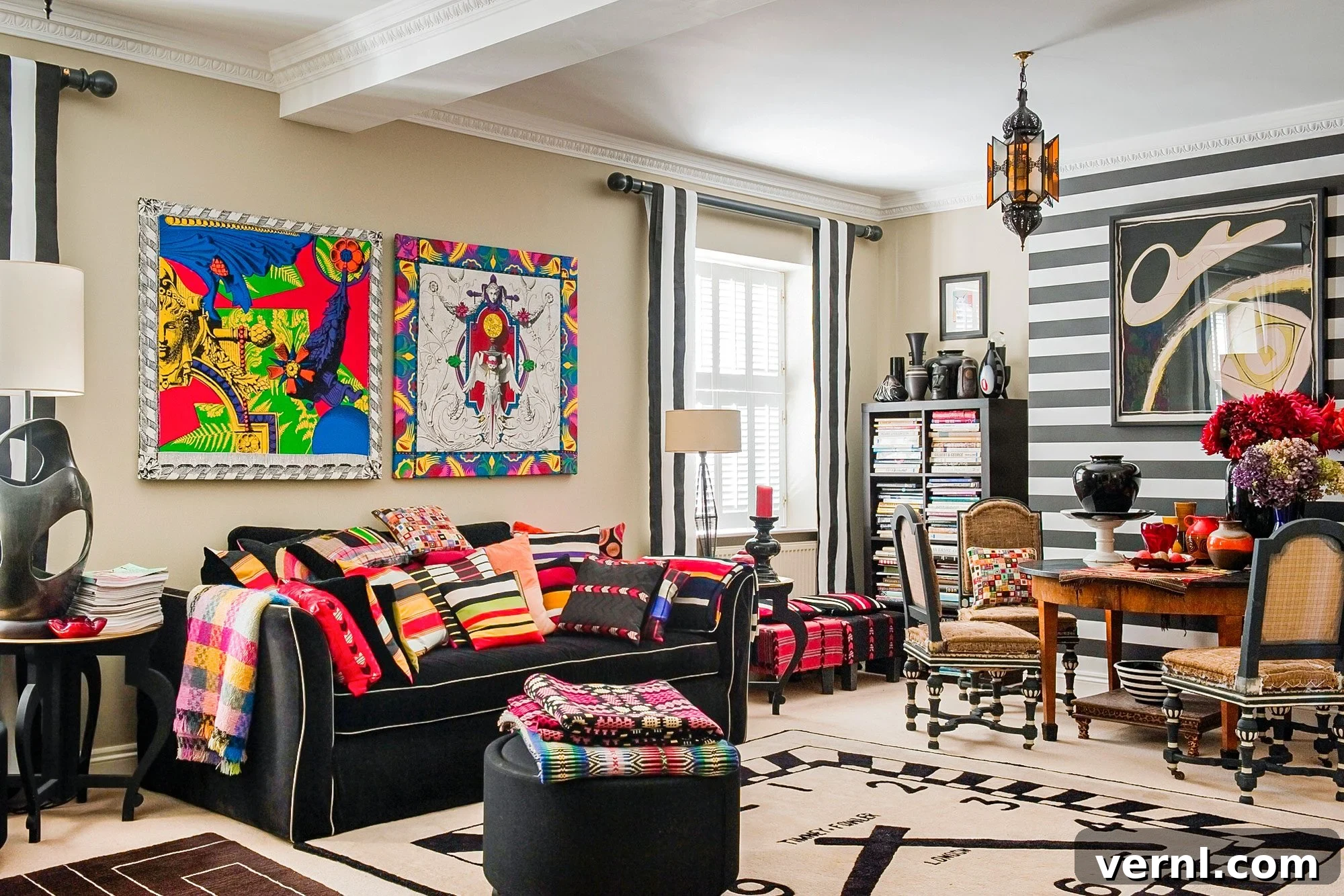
After enduring an era defined by stark minimalism, the design world is joyfully swinging its pendulum back towards a more exuberant and personalized aesthetic: maximalism. For those who believe “more is more” – more color, more pattern, more texture, and more personality – this is truly your moment to shine. Maximalist interior design invites you to shed the constraints of ‘less is more’ and dive into a world of rich expression, where every corner tells a story and every object holds meaning.
This captivating style isn’t merely a fleeting trend; it’s a timeless celebration of visual richness that has graced homes and palaces for centuries. Think of the opulent grandeur of Versailles, the intricate details of Victorian residences, or the legendary New York apartment of Harper’s Bazaar and Vogue editor Diana Vreeland, famously described as a “garden of the mind.” Contemporary design icon Kelly Wearstler has built an entire career on this very principle, demonstrating how abundance, when thoughtfully curated, can be both sophisticated and deeply personal.
“Maximalist design is a vibrant, bold and eclectic style that celebrates abundance and embraces an ‘anything goes’ approach to decor,” explains Ariana Lovato, owner and principal designer of Honeycomb Home Design. This philosophy encourages layering, mixing, and matching elements to create a space that is truly unique and reflective of its inhabitants.
Lindsay Boudreaux, proprietor and creative director of Shotgun Double Interior Design, highlights the liberation found within maximalism, noting that “nothing is really off limits.” However, she quickly adds a crucial caveat: “Ultimately, there is an art to designing in this style, as it could easily swing into hoarder territory. The magic is in the mix, and this style is best executed when everything in the room is above average in quality. There’s also a ‘collected over time’ aspect of this style that tends to resonate with world travelers, readers, art aficionados, et cetera.” This insight underscores the importance of thoughtful curation over random accumulation.
About Our Esteemed Design Experts
Our guide to mastering maximalism is enriched by insights from leading voices in the interior design community:
Lindsay Boudreaux, a distinguished graduate of the University of Louisiana at Lafayette School of Architecture and Design, began her career designing for acclaimed firms like Allan Greenberg Architect and the award-winning studio Adamstein & Demetriou. Through her firm, Shotgun Double Interior Design, she specializes in creating high-end homes across Northern Virginia and the greater Washington D.C. area, known for their sophisticated and artful aesthetic.
Artem Kropovinsky is the visionary founder of New York-based Arsight. As an experienced interior designer, his innovative work has garnered significant recognition, earning him finalist acknowledgements in both the prestigious international SBID Awards and the NYCxDesign Awards. His approach often emphasizes storytelling through design.
Ariana Lovato is the passionate owner and principal designer of California-based Honeycomb Home Design. An active associate designer with the National Kitchen and Bath Association, Lovato is also the founder of Honeycomb Gives Back, a heartwarming nonprofit dedicated to transforming rooms for children with special needs, reflecting her belief in the power of design to improve lives.
What Defines Maximalist Interior Design?
At its core, maximalism is a joyous rebellion against the starkness of its minimalist counterpart. It’s an invitation to embrace richness, depth, and personality in every detail. According to Lovato, this style is characterized by its abundant use of color, intricate patterns, diverse textures, and a wide array of decorative elements, all working in concert to create a visually stimulating environment. Rather than stripping away, maximalism layers on, creating spaces that feel lived-in, loved, and deeply personal.
Lovato breaks down the essence of maximalist design into several key categories:
Bold and Saturated Color Palettes
Forget muted tones and neutral backdrops. Maximalism revels in a spectrum of rich and vibrant hues. “Think jewel tones, bold primaries and saturated colors used together in unexpected combinations,” Lovato advises. This could mean a deep emerald sofa against a vibrant fuchsia wall, or an intense sapphire paired with a brilliant marigold. The goal is to create visual drama and energy, making the space feel alive and dynamic. Don’t shy away from using high-contrast colors or incorporating multiple bright shades within a single room; the key is thoughtful placement to ensure visual harmony rather than chaos.
Pattern on Pattern: A Symphony of Prints
One of the most recognizable hallmarks of maximalist design is the audacious mixing of patterns. “Multiple patterns coexist harmoniously, from floral prints to geometric shapes, stripes and animal prints,” Lovato states. Imagine a floral wallpaper complemented by a geometric rug, striped cushions, and an exotic animal print throw. The secret to success lies in varying the scale of the patterns, perhaps pairing a large-scale botanical print with a smaller, intricate damask, or a bold stripe with a delicate polka dot. Mixing patterns extends beyond fabrics to walls, upholstery, rugs, curtains, and even artwork, creating layers of visual interest that are both engaging and cohesive.
Eclectic Furnishings: A Dialogue Between Eras
In a maximalist home, furniture is never confined to a single style or era. “Antique, vintage and modern furniture might all find a place in a maximalist room,” Lovato explains. The beauty lies in the unexpected pairings – a sleek mid-century modern credenza beside a baroque armchair, or a rustic farm table surrounded by contemporary dining chairs. This curated eclecticism tells a story of journeys taken, treasures found, and personal taste. Boudreaux emphasizes that while mixing and matching is encouraged, proper scaling is paramount. “Making sure your pieces are properly scaled for your room or design is key to making it look artful,” she advises, ensuring each piece contributes to a balanced, aesthetically pleasing composition rather than overwhelming the space.
Curated Collections and Striking Displays
Maximalism provides the perfect stage for showcasing your passions. This style champions the display of personal collections – whether it’s an extensive library of beloved books, a gallery of cherished artwork, an array of travel souvenirs, or unique decorative items. “These displays add depth and personality to the room,” Lovato notes. Think floor-to-ceiling bookshelves brimming with volumes, walls adorned with a diverse collection of framed art, or curio cabinets filled with intriguing objets d’art. Each item is a conversation starter, reflecting your life’s journey and interests, turning your home into a living museum of your personal story.
A Rich Tapestry of Textures
Tactile richness is fundamental to maximalist design. “Maximalism thrives on an abundance of textures that add depth and tactile richness to the space,” Lovato articulates. This involves layering luxurious fabrics like plush velvet, soft linen, cozy chenille, indulgent cashmere, and chunky wool. Beyond fabrics, consider the interplay of smooth polished metals, rough-hewn wood, shimmering glass, intricate embroidery, and detailed tapestry work. These varied textures invite touch and create a sensory experience that makes a space feel incredibly opulent and inviting. The contrast between different surfaces adds another dimension of visual interest, preventing the abundance from feeling flat or overwhelming.
Amped-Up Accessories and Ornate Details
In maximalism, accessories are far from afterthoughts; they are central characters in the design narrative. Lovato suggests considering grand, statement-making accessories such as oversized lamps with elaborate bases, dramatic chandeliers that command attention, or ornate, gilded mirrors that reflect light and expand the perception of space. Every accessory, from intricately carved picture frames to whimsical sculptures, is chosen for its ability to contribute to the overall grandeur and personal charm of the room. These elements often feature intricate details, unique craftsmanship, and a touch of extravagance.
Cross-Cultural Influences: A Global Perspective
Maximalist design often acts as a passport, embracing and incorporating elements from diverse cultures and historical design movements. “Maximalist design embraces a global influence,” Lovato explains. This could involve integrating vibrant Moroccan rugs, intricate Asian screens, African tribal art, or classic European sculptures. The beauty lies in the harmonious blend of disparate origins, creating a rich tapestry that speaks to a global sensibility and an appreciation for diverse aesthetics. These elements, collected from travels or inspired by global artistry, add layers of narrative and visual intrigue.
Whimsical and Dramatic Flair
Finally, maximalist spaces often possess a distinct sense of theatricality and whimsy. “Maximalist spaces often have a theatrical or whimsical feel,” Lovato observes. This style encourages designers and homeowners alike to “make a statement or provoke a reaction.” Whether it’s through an unexpected color combination, an oversized piece of art, a quirky sculptural element, or a bold furniture choice, maximalism dares you to be daring. It’s about injecting personality and a sense of playful drama into your home, creating an environment that sparks joy and conversation.
Bringing Maximalist Interior Design into Your Home
While the concept of maximalism might conjure images of delightful chaos, there is indeed a method to the madness. “While maximalism might seem chaotic, there’s often a method to the madness, and the key is to create a visually engaging and harmonious space despite the eclectic mix of elements,” Lovato clarifies. “It’s about embracing abundance and creating a space that feels alive and vibrant.” The goal is not to fill every inch with random objects, but to curate a collection that tells your story and evokes emotion.
Artem Kropovinsky, founder and interior designer of Arsight, beautifully captures the essence of maximalism’s appeal: no two spaces ever look alike. “Maximalism supports personal feelings and often tells a tale through lots of textures, colors and things,” Kropovinsky says. “It got famous for its fun, personal way and doesn’t have any particular types, but it changes a lot based on what people like individually.” This individualistic approach ensures that every maximalist home is a unique reflection of its owner’s personality and passions.
Ready to embark on your maximalist journey? Here are a few accessible ways to infuse your interiors with this vibrant design philosophy:
1. Unleash the Power of Color
Paint remains one of the most transformative and budget-friendly tools for interior design. In maximalism, it’s an opportunity to be bold. Kropovinsky urges embracing adventurous color combinations. “Maximalism likes strong, sometimes surprising color mixes,” he advises. “Think of dark blue and bright orange colors together, or deep purple with a very colorful green.” Don’t stop at the walls; consider painting ceilings, trim, or even old furniture in unexpected, vibrant hues to create dramatic focal points and infuse the entire room with energy. A monochromatic room in a deep, rich jewel tone can also be incredibly maximalist, creating a luxurious, enveloping feel.
2. Design an Engaging Gallery Wall
Transform a plain wall into a dynamic storytelling canvas by creating a standout gallery wall. Boudreaux suggests mixing and matching frames – some vintage and ornate, others clean and modern – to add depth and intrigue. “Perhaps play with mat colors or hanging techniques,” she adds. Consider unique approaches like hanging art with ribbon from a picture rail, art-gallery style, or mounting an empty, ornate frame around a small wall sculpture or even a mirror. Include a variety of mediums: paintings, prints, photographs, textiles, and even small mirrors to create a rich and layered display that continually draws the eye.
3. Play with Scale and Proportion
A crucial element in creating harmonious maximalist spaces is the thoughtful manipulation of scale. Lovato recommends incorporating different patterns in both small and large scales within a single room. For instance, a sofa upholstered in a large-scale botanical print could be adorned with throw pillows featuring a small-scale geometric design and a medium-scale stripe. This principle also extends to furnishings and decorative objects. Mix oversized lamps with delicate figurines, or a grand armoire with petite side tables. Varying scale prevents monotony and ensures that each element contributes to a dynamic and visually interesting composition, guiding the eye across the room.
4. Cultivate Meaningful Collections
Maximalism celebrates personal narrative, and collections are a powerful way to tell your story. “It can be any kind,” Boudreaux says, “as long as it’s something meaningful to you.” This could be antique globes, vintage cameras, porcelain figurines, unique pottery, or even a collection of interesting rocks from your travels. The beauty is in the personal connection. Arrange your collections artfully on shelves, in display cabinets, or grouped on tabletops, ensuring they are well-lit and easily visible. The act of collecting, curating, and displaying these treasures imbues your home with unparalleled character and soul.
5. Master the Art of Textile Mixing
Textiles are your secret weapon for quickly adding warmth, color, pattern, and texture to any maximalist space. “Add many throw pillows, blankets and rugs with different patterns or textures for a quick, fancy look,” Kropovinsky suggests. Don’t be afraid to combine a velvet pillow with a faux fur throw, a chunky knit blanket, and patterned silk cushions. Lovato particularly notes that animal print is a fantastic pattern to experiment with, adding a touch of exoticism and glamour. Layer rugs to define zones and add softness, or drape patterned throws over furniture to introduce an instant pop of color and visual interest.
6. Incorporate Lush Greenery
Bringing the outdoors in is another excellent way to enhance a maximalist aesthetic. Lush houseplants, from towering fiddle-leaf figs to cascading Pothos, add organic texture, vibrant color, and a refreshing sense of life to a space. Place plants in interesting planters – think ornate ceramic pots, antique brass containers, or vibrant hand-painted vessels – that complement your existing decor. A diverse collection of plants at varying heights and sizes contributes to the layered, abundant feel that is central to maximalism, making your home feel more vibrant and alive.
Maximalist interior design is more than just a style; it’s a philosophy that encourages self-expression, celebrates individuality, and embraces the richness of life. By thoughtfully layering colors, patterns, textures, and personal treasures, you can create a home that is not only visually stunning but also deeply comforting, inspiring, and uniquely yours. Let go of inhibitions, trust your instincts, and allow your home to become a true reflection of your magnificent self.