If you’ve ever found yourself holding your breath while washing dishes, trying to avoid the unmistakably foul odor emanating from your kitchen sponge, you’re not alone. This unpleasant smell is a tell-tale sign of a deeper, more concerning issue: a thriving colony of bacteria. While tossing out the offending sponge provides immediate relief, it’s merely a temporary solution to a persistent problem. Kitchen sponges, by their very nature, are designed to absorb and clean, but this also makes them ideal breeding grounds for countless microorganisms that can pose health risks and certainly contribute to an unhygienic kitchen environment. The search for a more sustainable, hygienic alternative has led many homeowners to explore different options, with the silicone sponge emerging as a popular contender. But does this modern alternative truly live up to its promises, or are there hidden drawbacks?
Before diving into the world of silicone sponges, it’s crucial to understand why traditional cellulose sponges become such notorious germ factories. Their porous structure, combined with constant exposure to food particles, moisture, and warmth, creates a perfect storm for bacterial growth. This microscopic ecosystem can include harmful pathogens like E. coli and Salmonella, making your “cleaning” tool a potential source of cross-contamination in your kitchen. This article will explore the advantages and disadvantages of silicone sponges, offer insights into effective kitchen hygiene practices, and help you make an informed decision about the best tools for your cleaning arsenal.
Understanding the Traditional Kitchen Sponge: A Hotbed for Germs
The conventional kitchen sponge, often made from cellulose or synthetic materials, has long been a staple in households worldwide. Its ability to absorb liquids and create a rich lather makes it highly effective for scrubbing away food residue and grease. However, these very qualities also make it a fertile environment for bacteria. Imagine a miniature jungle within the fibers of your sponge, constantly moist, occasionally warm, and regularly fed with microscopic food scraps. This is the reality of what happens when you use a traditional sponge.
The Anatomy of a Smelly Sponge
The porous nature of traditional sponges is a primary culprit. Each tiny pore, designed to trap dirt and grime, also traps water and food particles. These organic materials provide a constant food source for bacteria. As you use the sponge, you’re not just moving germs around; you’re actively transferring them from surfaces to the sponge and back again. The moisture retention, coupled with the ambient warmth of a kitchen, creates an incubator for bacterial proliferation. Within hours of use, a brand new sponge can begin to harbor millions of bacteria, some of which are harmful to human health.
Common Bacteria Lurking in Your Sponge
Research has consistently shown that kitchen sponges are among the dirtiest items in the average home, often harboring more bacteria than a toilet seat. Studies have identified various bacteria, including E. coli, Salmonella, and Staphylococcus, as common residents. These pathogens can cause food poisoning and other infections. While your immune system usually handles exposure to small amounts of these bacteria, continuous reintroduction from a contaminated sponge can pose a significant risk, especially for individuals with compromised immune systems, young children, or the elderly.
The Science Behind the Odor
That distinctive, unpleasant smell that drives you to replace your sponge isn’t just a nuisance; it’s a direct byproduct of bacterial activity. As bacteria metabolize the organic matter trapped in the sponge, they release volatile organic compounds (VOCs) and other metabolic waste products. These compounds are what you perceive as the foul odor. A smelly sponge is not merely a sign that it’s “dirty”; it’s a clear indication that it’s teeming with active bacterial colonies, signaling a severe hygiene concern that should prompt immediate action.
Silicone Sponges: A Modern Take on Kitchen Cleaning
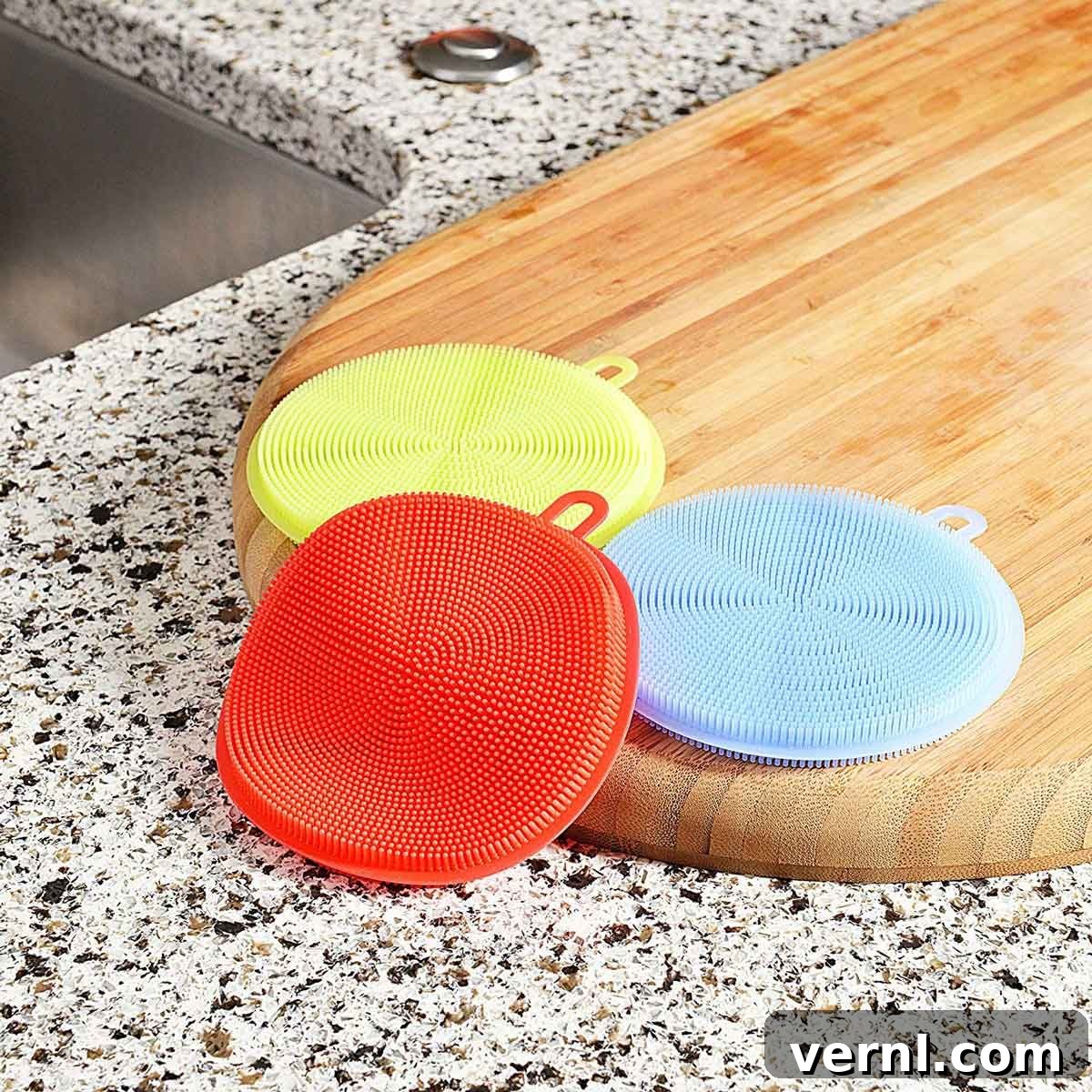
In response to the perennial problem of smelly, bacteria-laden traditional sponges, the silicone sponge has emerged as a promising alternative. Made from food-grade silicone, these sponges boast a different set of properties that aim to address the hygiene concerns associated with their cellulose counterparts. Their design often features flexible silicone bristles or nubs, intended to provide scrubbing power without the absorbency of traditional sponges.
How Silicone Sponges Differ from Traditional Sponges
The fundamental difference lies in their material composition and structure. Unlike the open-cell, porous nature of cellulose or synthetic sponges, silicone sponges are non-porous. This means they don’t absorb water or food particles into their material, significantly reducing the places where bacteria can take root and thrive. The smooth, flexible surface of silicone makes it inherently more resistant to bacterial colonization, as there are fewer nooks and crannies for microorganisms to hide and multiply. This non-absorbent quality is central to their claim of being a more hygienic cleaning tool.
Do Silicone Sponges Really Clean Dishes Effectively?
This is where opinions often diverge. While silicone sponges excel at resisting bacteria, their cleaning efficacy for dishes can be a point of contention for some users. Traditional sponges rely on their absorbency and coarse texture to lift and wipe away grime, and their ability to hold a lather is a key part of their cleaning action. Silicone sponges, lacking absorbency, don’t create or retain suds in the same way. This can lead to a different scrubbing experience; some users find them less effective at tackling heavily crusted food or thick grease, requiring more elbow grease or a pre-scrape of dishes. However, for everyday dishwashing and lighter grime, many find them perfectly adequate, appreciating the ease with which they can rinse clean.
The Advantages of Opting for a Silicone Sponge
Despite some perceived limitations in scrubbing power, silicone sponges offer several compelling benefits that make them an attractive option for the modern kitchen:
Durability and Longevity: A Sustainable Choice
Perhaps one of the most significant advantages of silicone sponges is their exceptional durability. Cellulose sponges typically last only a week or two before they need to be replaced due to odor and hygiene concerns. Silicone sponges, on the other hand, can last for months, even years, with proper care. This longevity translates into less waste, making them a more environmentally friendly option compared to the constant consumption and disposal of traditional sponges. Their robust material stands up well to repeated use and harsh cleaning conditions, offering a sustainable alternative that reduces your household’s ecological footprint.
Superior Hygiene: Keeping Bacteria at Bay
As discussed, the non-porous nature of silicone is a game-changer for kitchen hygiene. Without the internal structure to trap moisture and food particles, bacteria have fewer places to grow. This significantly reduces the likelihood of that dreaded smelly sponge scenario. Furthermore, silicone sponges are incredibly easy to sanitize. They can be safely run through a dishwasher, boiled, or even microwaved without damage, ensuring that any surface bacteria are effectively eliminated after each use. This ease of cleaning contributes directly to a healthier and more sanitary kitchen environment.
Gentle Yet Effective: Protecting Your Cookware
Another notable benefit is that silicone sponges are non-abrasive. Unlike some traditional scourers or sponges with rough scrubbing pads, silicone is gentle on delicate surfaces. This makes them ideal for cleaning non-stick pots and pans, glass, ceramic, and other surfaces that can easily scratch. You can confidently scrub away food residues without worrying about damaging the protective coatings or finishes of your valuable cookware, helping to extend their lifespan.
Beyond Dishes: Surprising Uses for Silicone Sponges
While primarily designed for dishwashing, the unique properties of silicone sponges make them surprisingly versatile for other household tasks. Their non-stick, slightly grippy texture makes them excellent for picking up lint, pet hair, and crumbs from various surfaces, including upholstery, carpets, and clothing. They can also be used to clean produce, scrub sinks, or even as a heat-resistant trivet in a pinch. For pet owners, their ability to gather stray hairs can be a welcome bonus, complementing other pet hair removal tricks.
Potential Drawbacks of Silicone Sponges You Should Know
While the advantages are clear, it’s also important to acknowledge the limitations of silicone sponges to manage expectations and determine if they’re the right fit for your cleaning needs.
The Absorbency Challenge: Managing Dish Soap
The non-porous nature that makes silicone sponges so hygienic also means they lack absorbency. This is the primary reason they don’t hold dish soap as effectively as traditional sponges. You might find yourself needing to reapply dishwashing liquid more frequently during a dishwashing session, potentially leading to increased soap consumption. While this isn’t a deal-breaker for everyone, it can be an adjustment for those accustomed to a rich, long-lasting lather from a cellulose sponge. Some users compensate by applying soap directly to dishes or using a dish soap dispenser that allows for easier reapplication.
Limitations in Versatility: Not an All-Purpose Cleaner
While silicone sponges have surprising alternative uses, they aren’t true all-rounders for kitchen cleaning. Their lack of absorbency means they aren’t effective for wiping down counters, stovetops, or other surfaces that require soaking up spills or residue. For these tasks, you’ll still need a traditional cloth or paper towel. Reviews and user experiences often highlight that while they excel at dishes, they fall short when it comes to general surface wiping and cleaning, where a conventional sponge or cloth’s absorbency is crucial.
Maintaining Kitchen Hygiene: Best Practices for All Sponges
Regardless of whether you choose a traditional or silicone sponge, establishing good hygiene practices is paramount to keeping your kitchen clean and preventing the spread of germs.
When to Say Goodbye: Replacing Your Kitchen Sponge
For traditional sponges, the basic rule of thumb is to replace them weekly. However, this is a minimum guideline. If your sponge starts to smell, looks visibly dirty, or begins to break down, it’s time to discard it immediately, regardless of how long you’ve had it. Silicone sponges, being more durable and sanitizable, don’t require such frequent replacement. Instead, focus on sanitizing them regularly, and replace them only when they show signs of significant wear or tear, such as rips or stiffness. You can learn more about how often to replace your sponge and why it’s so important to follow these guidelines, especially with cellulose-based options. Understanding the full scope of sponge replacement can significantly improve your kitchen’s cleanliness.
Extending Sponge Life: Effective Cleaning Methods
While silicone sponges are easy to clean, traditional sponges also benefit from regular sanitization to extend their useful life and reduce bacterial load between replacements. Incorporating these cleaning methods into your routine can make a big difference. For detailed instructions on various methods, consult guides on how to effectively clean a kitchen sponge:
Dishwasher Sanitization
For both traditional (if suitable) and silicone sponges, running them through a dishwasher on a hot cycle with a heated dry setting can effectively kill most bacteria. Place them in the utensil basket or on the top rack.
Microwave Sterilization
A damp, traditional sponge can be microwaved on high for one to two minutes (ensure it’s wet to prevent fire hazards). This method uses steam to sterilize the sponge, killing up to 99% of bacteria. This is effective for cellulose sponges but not generally needed for silicone ones, which can be cleaned more simply.
Boiling Water Method
Submerging your sponge in boiling water for five minutes is another simple and effective way to kill germs. This method works well for both types of sponges.
Bleach or Vinegar Soak
Soaking a traditional sponge in a solution of 1/4 cup bleach per gallon of water for five minutes, or in undiluted white vinegar for an hour, can also sanitize it. Always rinse thoroughly afterward. Avoid mixing bleach and vinegar, as it creates toxic fumes.
Other Kitchen Cleaning Tools and Alternatives
It’s also wise to diversify your cleaning tools. Consider using dishcloths, which can be washed and dried daily, or dedicated dish brushes for scrubbing. Swedish dishcloths offer a hybrid solution, combining the absorbency of a cloth with the durability of a sponge, and are often more hygienic than traditional sponges. Having a variety of tools allows you to pick the best option for each specific cleaning task, further enhancing overall kitchen hygiene.
The Startling Truth: Your Kitchen Sponge is Dirtier Than You Think
The notion that a kitchen sponge could be dirtier than a toilet seat often comes as a shock, but it’s a scientifically supported fact that underscores the importance of proper sponge care and replacement. This surprising comparison highlights the unique challenges of maintaining hygiene in areas constantly exposed to food and moisture.
Comparing Germ Hotspots: Sponge vs. Toilet Seat
While a toilet seat might seem like the ultimate symbol of grime, it’s typically a dry, smooth surface that is regularly cleaned and doesn’t offer a hospitable environment for bacteria to multiply rapidly. Conversely, a kitchen sponge is constantly damp, porous, and frequently comes into contact with raw food particles – the perfect cocktail for bacterial growth. Research indicates that sponges can harbor millions of bacteria per square inch, vastly outnumbering the bacterial count found on an average toilet seat. Discovering why your sponge is surprisingly dirtier than a toilet seat, along with other everyday items that surpass the toilet in germ count, provides a fascinating, if unsettling, look at household hygiene.
Understanding the Risks: Why This Matters
This revelation isn’t meant to cause alarm but to emphasize the critical need for vigilance in kitchen hygiene. Unlike toilet seat germs, which are often limited in their spread, kitchen sponge bacteria can easily transfer to hands, dishes, countertops, and ultimately, food, posing a direct risk of foodborne illness. By understanding the true bacterial load of your cleaning tools, you are empowered to make smarter choices about cleaning methods, replacement schedules, and alternative tools, thereby safeguarding your family’s health.
Choosing the Right Cleaning Tool for Your Home
Ultimately, the choice between a traditional cellulose sponge and a modern silicone sponge, or indeed other cleaning tools, depends on your priorities and cleaning habits. If superior hygiene, environmental sustainability, and long-term durability are at the top of your list, a silicone sponge is a compelling option, provided you’re willing to adjust to its lower absorbency. For those who prioritize powerful scrubbing and soap retention for heavily soiled dishes, a traditional sponge might still be preferred, but with a strict commitment to weekly replacement and regular sanitization.
A balanced approach often works best: use silicone sponges for daily dishwashing and general cleaning, keep a dedicated scrub brush for tougher tasks, and perhaps a stack of washable dishcloths for wiping down surfaces. By combining the strengths of different tools and adhering to rigorous cleaning and replacement schedules, you can ensure your kitchen remains a clean, hygienic, and safe environment for preparing and enjoying meals.
Essential Cleaning Products and Resources
For those ready to embrace the benefits of silicone sponges, there are many options available. Investing in a quality set can be a great step towards a more hygienic and sustainable kitchen.
Consider this highly-rated seven-pack of food-grade silicone dish scrubbers on Amazon.
Learn essential techniques for effectively cleaning and maintaining your granite countertops in the comprehensive video above, ensuring their beauty and longevity.