I remember hearing our house creak and snap during a minor earthquake, and without those groaning noises in the walls and rafters I might never have realized anything was happening. That slight shaking proved to be a small precursor to the catastrophic Loma Prieta earthquake of 1989, which months later demolished freeways, leveled buildings and ruined nearly every chimney in the county. It was a stark reminder of how vulnerable structures are to ground movement.
If you hear your house cracking during the summer, it usually does not mean an earthquake is underway. Often the sounds come from temperature-driven movement in building materials or from shifting ground for other reasons. Most of the time these noises are harmless. But when you begin to see cracks in addition to hearing snapping sounds, it’s time to investigate. Visible damage can signal a real risk to your home.
How Heat Impacts Building Materials
All building materials—wood, steel, masonry and glass—expand when they heat up and contract as they cool. Each material reacts at its own rate, described by its coefficient of thermal expansion. During a hot summer day, materials expand; when evening brings cooler temperatures they shrink. Because different components of a house expand and contract at different rates, they push and pull against each other. Those stresses commonly produce groans, pops and cracking noises as joints, fasteners and sheathing adjust.
Why Your Attic May Be the Source
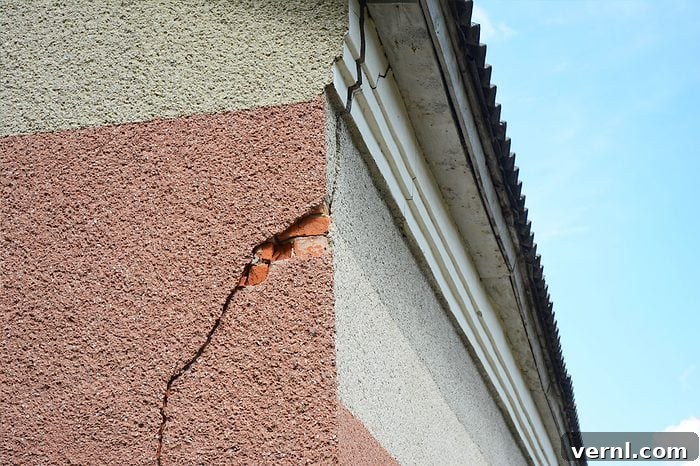
An attic can become extremely hot when the sun is high. If ventilation is inadequate, attic temperatures can climb very high—some sources report temperatures in extreme cases reaching up to 160 degrees. When the sun sets and temperatures fall quickly, materials in the attic contract and thermal “snaps” can be loud and surprising. These sounds are usually nothing to worry about.
Wind is another attic-related source of noise. Strong gusts can slightly lift roof sheathing and shift rafters, causing fasteners and joints to rub, creak or knock. Most of these noises are harmless, but if winds are powerful enough to threaten roof integrity, you should take immediate safety measures such as moving to a safer location.
Soil and Foundation Issues
The ground beneath a house is not perfectly stable. Soil moves slowly over time from drainage, seasonal moisture changes, freeze-thaw cycles and organic activity. Those movements can undermine a foundation, causing the house to settle and producing sudden or recurring cracking sounds. Settling-related noises can originate from floors, walls or the roof and can be surprisingly loud.
When sounds recur or you begin to notice interior cracks in drywall, plaster or in the foundation itself, consult a foundation or soil inspector. Early assessment can help you understand the cause and evaluate repair options before problems worsen.
Shifting Doors and Windows
One of the easiest ways to check whether foundation movement is occurring is to test doors and windows. Doors that swing open or closed by themselves, or windows that become difficult to open, are classic signs that frames have moved out of square due to settling. These symptoms, combined with cracking noises, are a strong indicator that foundation movement is affecting the home.
Pipes and Plumbing
Plumbing can also be the source of cracking or ticking noises. Hot water moving through copper pipes causes the metal to expand and then contract as it cools, producing occasional cracking sounds. Houses with flexible plastic plumbing such as PEX are much less likely to make similar noises because plastic is less rigid and does not transmit sound the same way copper does.
Separate from thermal noise, thumping or banging when faucets or toilets are used is usually water hammer. Remedies include installing water hammer arrestors near problem fixtures, reducing system water pressure, or replacing rigid piping with more flexible materials.
Warning Signs You Should Not Ignore
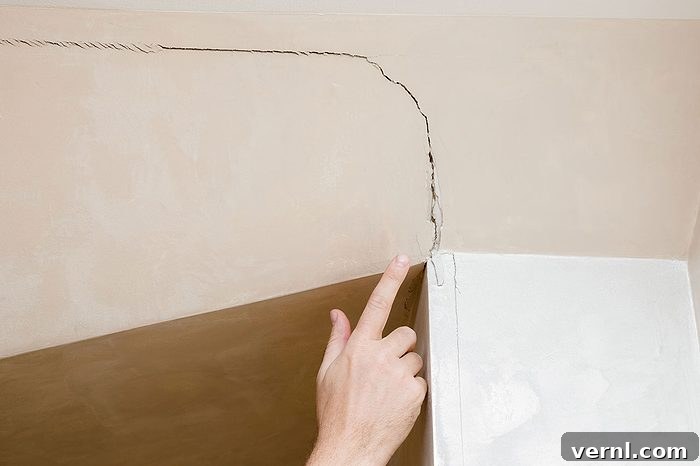
Cracking noises can come from many sources, including electrical faults, which carry greater risk. The clearest sign you should not ignore any cracking sound is the presence of visible or olfactory damage. Electrical arcing can cause crackling accompanied by smoke, scorch marks around fixtures and a sharp burning smell. Leaking pipes may be revealed by damp drywall or water pooling on floors. Structural issues are often accompanied by visible cracks in walls, ceilings or foundation and by doors and windows that stick or no longer operate smoothly.
If you notice smoke, burning smells, wet spots, growing cracks, or sudden, repeated loud noises, address the situation promptly. Call the appropriate professional—an electrician for suspected electrical arcing, a plumber for leaks and banging pipes, or a structural engineer or foundation specialist for suspected settlement or significant structural movement.
FAQ
Should I worry if my walls develop small cracks during the summer?
Small hairline cracks are common and often harmless, typically reflecting slight movement in plaster or drywall joint compounds from thermal expansion and contraction. They become a concern if they widen, spread, or form in distinctive patterns: along drywall seams, at corners where walls meet floors or ceilings, or in step-like, horizontal or diagonal patterns radiating from door and window openings. These patterns can indicate settling, vibration damage, or other structural causes and should be evaluated.
Is there anything I can do to reduce summer house noises?
Yes. To reduce thermal expansion noise and general creaks, seal gaps around windows and doors with weatherstripping or acoustic caulk, add insulation to walls and ceilings to stabilize temperatures, and introduce soft, sound-absorbing elements such as rugs, carpeting, upholstered furniture and heavy curtains. These measures won’t stop all structural movement, but they can markedly reduce the transmission of minor noises.
Sources
- InspectAPedia: Table of Coefficient of Expansion of Building Materials (InspectAPedia)
- The Roofing Bros: Why Is My Attic So Hot? Attic Temperature Chart and Solutions (Roofing Bros)