
Air Duct Cleaning: A Comprehensive Guide for a Healthier Home
Keeping your home clean is a priority for many homeowners, but often overlooked is the hidden world of your air ducts. These unseen pathways transport air throughout your house, and over time, they can accumulate dust, debris, and allergens. This article provides a comprehensive guide to understanding air duct cleaning, its benefits, and how to approach the process for a cleaner and healthier living environment. We’ll delve into the insights shared by Adam Bonine, a professional duct cleaner and owner of Fresh Air Vents, to help you make informed decisions about your home’s air quality.
Do You Really Need to Clean Your Home’s Air Ducts?
The question of whether to clean your air ducts is a common one. According to Adam Bonine, the answer is a resounding “Yes.” As he aptly puts it, “If your house gets dirty, then your ducts get dirty too.” Fresh Air Vents, Bonine’s residential and commercial cleaning company, based in St. Paul, Minnesota, has witnessed firsthand the impact of neglected air ducts. Just as you clean your floors and surfaces, your air ducts require periodic attention to maintain optimal air quality. Over time, these ducts can become breeding grounds for dust, mold spores, pet dander, and other contaminants that can negatively affect your indoor air quality and, consequently, your health.
How Often Should You Schedule Air Duct Cleaning?
Determining the ideal frequency for air duct cleaning depends on several factors. Bonine suggests that it’s largely a matter of personal preference and sensitivity. The National Air Duct Cleaning Association (NADCA) recommends cleaning your ducts every two to four years, but Bonine suggests a slightly more flexible approach, recommending cleaning every three to five years.
However, certain circumstances may warrant more frequent cleaning. If you have a large family living in a relatively small home, or if you share your home with several pets, the likelihood of increased dust and debris accumulation in your ducts is higher. In such cases, cleaning your air ducts more often, such as every two to three years, can be beneficial in maintaining a healthy indoor environment.
Identifying the Signs of Dirty Air Ducts
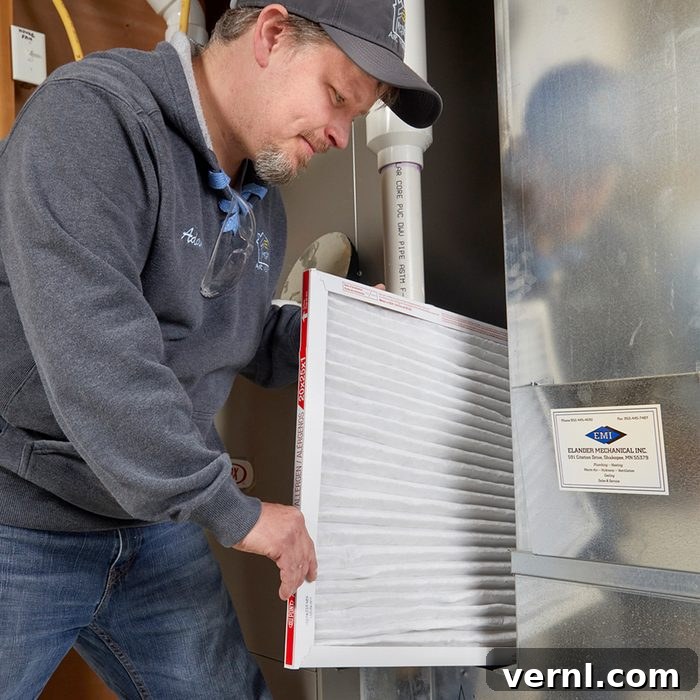
Recognizing the indicators of dirty air ducts is crucial for timely intervention. A key telltale sign, according to Bonine, is how quickly your furnace filter becomes dirty. If you notice that you’re changing your filter more frequently than usual, it’s a strong indication that your ducts may be harboring excessive dust and debris.
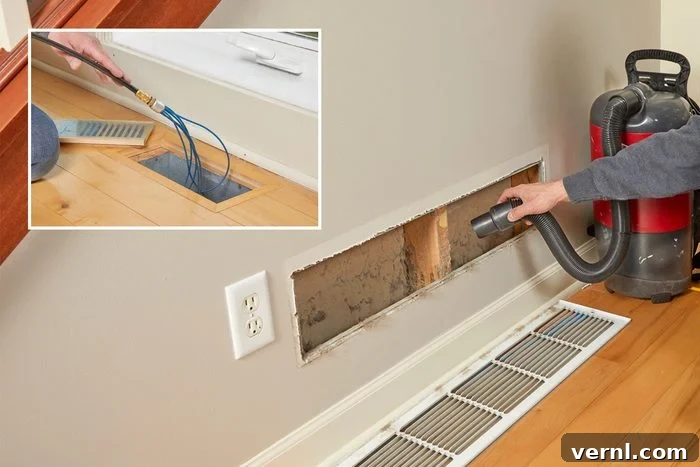
You can also perform a visual inspection. Remove a return vent cover and use the flashlight on your phone to look inside the ductwork. If you see a buildup of dust, dirt, or other debris, it’s time to consider professional cleaning. Unfiltered ducts, in particular, can be significant collectors of dirt and pollutants. Addressing this buildup will help improve air quality and the efficiency of your HVAC system.
The Tools of the Trade: What Does Air Duct Cleaning Involve?
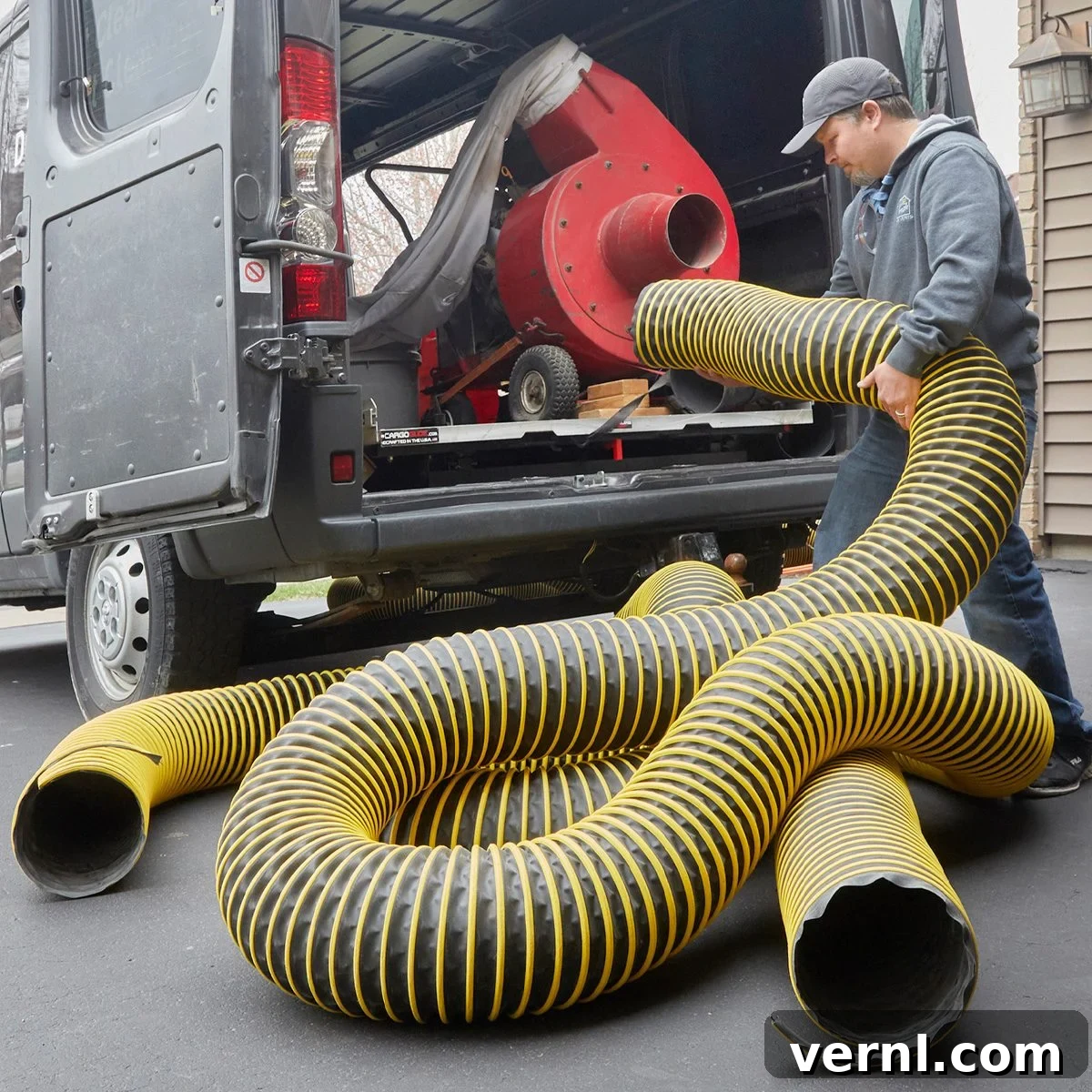
Professional air duct cleaning requires specialized equipment and techniques. As Bonine explains, his primary tool is a “giant vacuum.” This powerful vacuum typically features a high-horsepower engine, such as a 31-horsepower model, that drives a fan to generate substantial suction. This draws dirt and dust from the ductwork into a collection bag outside the home.
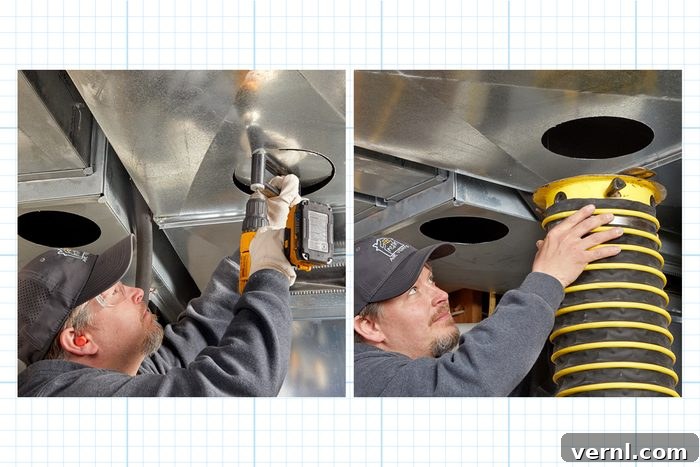
The vacuum’s capacity is impressive, often moving around 7,000 cubic feet per minute (cfm) of air. This creates negative air pressure within your home during the cleaning process, effectively pulling out contaminants. While the vacuum is at work, technicians use specialized tools to agitate and dislodge debris within the ducts. These tools may include brushes, compressed air whips, and rotating devices that loosen dirt and dust.
In addition to the main vacuum, many professionals use a HEPA-filtered backpack vacuum for pre-cleaning and removing any remaining dust particles. The combination of powerful suction and agitation techniques ensures a thorough cleaning of your entire ductwork system.
Learn about the cost of air duct cleaning.
What Are the Benefits of Clean Air Ducts?
Homeowners often wonder what they can expect from a professional air duct cleaning. Bonine assures his customers that the process doesn’t leave the house dirtier. The goal is to make your home cleaner and feel cleaner, with a noticeable reduction in dust accumulation throughout the living spaces.
A clean air duct system contributes to better indoor air quality, reduced allergens, and potentially improved respiratory health. Additionally, removing accumulated debris can help your HVAC system operate more efficiently, potentially leading to lower energy bills and extended equipment lifespan. The elimination of dust and pollutants creates a healthier atmosphere for everyone in your home.
Additional Air Duct Cleaning Tips to Keep in Mind
Beyond the core aspects of air duct cleaning, several other factors contribute to the overall success and effectiveness of the process. Here are some essential tips to keep in mind:
- Improved Furnace Efficiency: Cleaning your air ducts can help your furnace work more efficiently, potentially reducing your energy consumption and lowering your utility bills.
- Comprehensive Cleaning: Partial air duct cleaning is not effective. To achieve optimal results, ensure that the entire ductwork system is cleaned, including all supply and return vents.
- Beware of Chemical Treatments: Exercise caution with services that market chemical biocide treatments. These treatments may not be necessary and can sometimes introduce additional chemicals into your home’s air.
- Choose a Reputable Professional: Always hire a professional air duct cleaner who can explain the cleaning process, the tools they will use, and the potential benefits. Ask questions and ensure they are certified and experienced.
- Cost Considerations: Air duct cleaning costs can vary widely. The typical price range is between $450 and $1,000, but the price can fluctuate based on the size of your home, the complexity of the ductwork system, and the services provided.
- Regular Filter Changes: Change your furnace filter frequently. This simple practice helps prevent dust and debris from accumulating in your ducts in the first place, and it significantly contributes to maintaining a cleaner indoor environment.
By understanding the benefits of air duct cleaning, recognizing the signs of dirty ducts, and choosing a reputable professional, you can significantly improve the air quality in your home and create a healthier living environment for you and your family.