
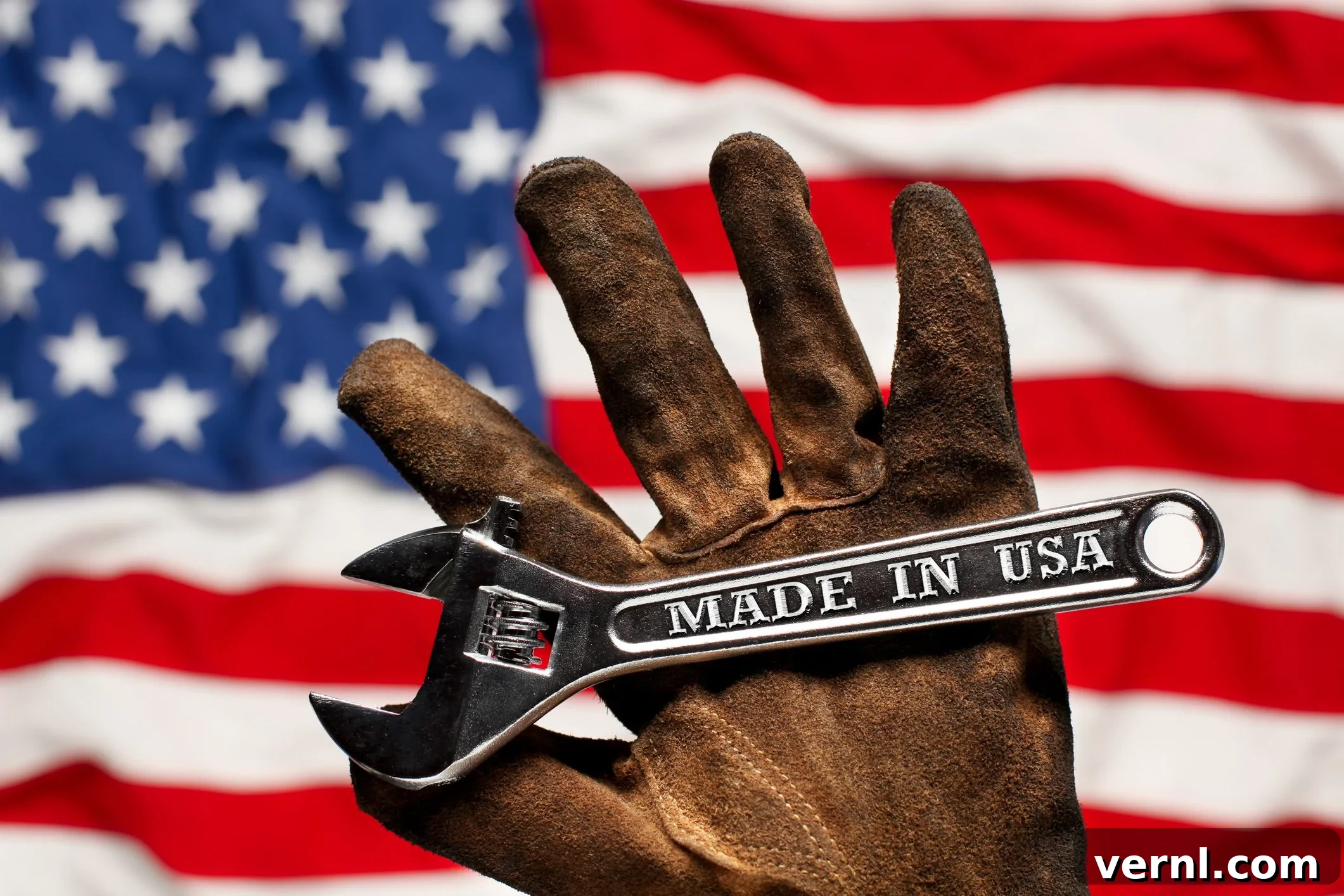
Made in the USA. For generations, these four simple words carried immense weight, signifying quality, reliability, and national pride. Decades ago, this designation was a common sight, gracing virtually every product from household appliances to heavy machinery.
The United States once stood as an undisputed titan in global manufacturing, producing and exporting an astounding array of goods—from intricate tools and essential clothing to robust automobiles and all the components required to build them. Industrial towns, vibrant cities, and entire regions across the nation flourished, their economies intertwined with the rhythm of factory floors. American-made tools, alongside a diverse range of manufactured goods, became synonymous with innovation and durability, fostering prosperity for countless workers and their communities.
However, a quick glance at product labels or browsing online shopping sites today reveals a starkly different reality. The once ubiquitous “Made in the USA” stamp is now a much rarer find. Beginning in the mid-1970s, a profound economic shift occurred: a century of robust trade surpluses transformed into a persistent pattern of year-after-year deficits. This pivot was largely driven by companies seeking to reduce production costs, enhance profit margins, and offer consumers lower prices, leading to a widespread exodus of manufacturing operations to other countries.
The vulnerabilities inherent in this globalized supply chain model were dramatically exposed during the COVID-19 pandemic. The sudden disruptions underscored the fragility of relying heavily on distant production facilities, prompting a critical reevaluation of where essential goods are made. Concurrently, escalating trade tensions between the U.S. and China further spurred companies to reconsider their manufacturing strategies and explore the feasibility of domestic production. This renewed focus has fueled “reshoring” initiatives—a concerted effort to bring manufacturing back home. Driven by consumers and influential trade groups concerned about job losses, environmental impacts, and human rights issues associated with offshoring, businesses are now striving to demonstrate that they can be a vital part of a sustainable, domestically-focused solution.
The Craftsman Wrench Factory in Texas: A Tale of Reshoring Challenges
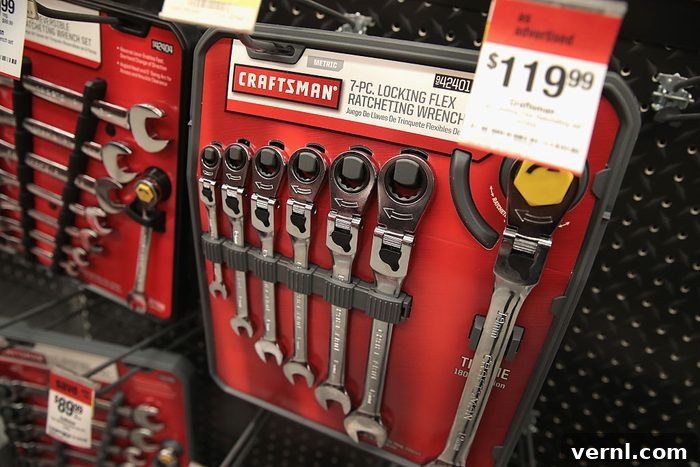
The story of the Craftsman wrench factory in Fort Worth, Texas, serves as a poignant illustration of the complexities and aspirations surrounding the reshoring movement. In 2019, Stanley Black & Decker, Inc., the esteemed owner of the Craftsman brand of tools, proudly announced plans to establish a cutting-edge facility dedicated to manufacturing hand tools. This venture was met with considerable optimism, embodying a promise to revive American manufacturing prowess.
The facility, designed to be heavily automated, was projected to create 500 skilled manufacturing jobs in the Fort Worth area—a significant boost to the local economy and a beacon of hope for domestic production. At the time, company leadership emphasized their commitment to innovation, stating they would “leverage some of the most advanced manufacturing technologies available to optimize productivity and sustainability.” This facility was envisioned as a testament to how modern manufacturing could thrive in the U.S., combining advanced technology with American craftsmanship.
However, the initial promise encountered unexpected turbulence. Recently, Stanley Black & Decker made the difficult decision to close the Fort Worth plant, impacting approximately 175 workers through layoffs or transfers. This closure, as detailed in a company statement, is part of a broader corporate strategy to streamline and consolidate its manufacturing and logistics network. The announcement coincided with news of another plant closure and extensive operational adjustments across the company’s vast enterprise.
The question naturally arises: what factors led to the unforeseen closure of the Fort Worth facility? According to company executives, the plant faced a confluence of challenges, some within their control and others stemming from external forces. Lindsay Fennell, Stanley Black & Decker’s senior manager of public relations, articulated these difficulties: “We endeavored to make Craftsman mechanics tools in a new and innovative way. The events of COVID and supply chain challenges, coupled with technology that did not meet our expectations, resulted in the discontinuation of operations.” This candid explanation underscores the formidable hurdles that even well-intentioned reshoring efforts can encounter in today’s complex global economic landscape.
Here’s Why It’s Hard To Make Affordable Tools in the U.S.
While the closure of a single plant does not define an entire industry, it certainly highlights the persistent challenges facing domestic tool manufacturing. The market share for U.S.-manufactured hand tools experienced a notable decline of 7.6% in 2022. Despite this, it’s important to note that domestic manufacturing, overall, has shown signs of resurgence since the Great Recession and the initial impact of the pandemic. Many companies, including Stanley Black & Decker itself, continue to operate numerous plants stateside, with the company employing 19,000 individuals across 40 U.S. manufacturing facilities. However, significantly increasing the number of tool plants—and the associated jobs—in the U.S. will necessitate a comprehensive, multi-faceted strategy involving the active participation of government, businesses, and consumers alike. The path to robust reshoring is fraught with distinct obstacles:
- Higher Labor Costs and Global Wage Disparities: One of the primary motivations for companies to offshore production was to capitalize on lower labor costs in other countries. Consequently, the challenge of paying higher American wages without commensurately increasing consumer prices presents a substantial hurdle. U.S. labor, while often highly skilled and productive, commands a significantly higher wage compared to many global manufacturing hubs. To remain competitive, American manufacturers must either absorb these higher costs, innovate through automation to reduce the overall labor component, or convince consumers to pay a premium for domestically produced goods. This delicate balance is central to the profitability of any reshoring initiative.
- Rebuilding Intricate Supply Chains: The Industrial Commons Revisited: Modern manufacturing, especially for complex products like tools, relies on highly specialized and interconnected supply chains. Over decades, as producers moved overseas, their suppliers often followed suit, creating robust ecosystems of materials, components, and specialized services abroad. To reshore manufacturing effectively, these elaborate supply chains must be meticulously reestablished domestically. This requires significant investment in what economists refer to as an “industrial commons”—a shared pool of knowledge, advanced materials, and manufacturing capabilities that can be accessed quickly and efficiently within national borders. Rebuilding this infrastructure is a monumental undertaking, demanding coordination across multiple industries and substantial capital.
- The Relentless Pressure of Cost Competitiveness: Contemporary consumers have grown accustomed to readily available and often inexpensive goods, largely driven by the efficiency of global supply chains and the competitive pricing models of online retailers and large big-box stores. This entrenched expectation for low prices places immense pressure on manufacturers attempting to produce goods domestically, where costs are inherently higher. American companies must find innovative ways to achieve cost efficiencies—through advanced automation, process optimization, or premium product differentiation—to remain competitive against imports without alienating price-sensitive consumers. The balancing act between affordability and domestic production is a constant challenge.
- Bridging the Skills Gap: Addressing Labor Shortages: Decades of manufacturing job migration overseas have created significant gaps in the readily available expertise within the American workforce. Many experienced workers retired without passing on their specialized skills, and fewer young people pursued careers in manufacturing as the industry declined. While initiatives are underway, the need for skilled tradespeople—toolmakers, machinists, automation specialists—remains pressing. The continued decline in membership in labor unions, which historically played a crucial role in training highly-skilled workers, further exacerbates this issue. The emergence of organizations like the Reshoring Initiative, which actively operates a Skilled Workforce Development Program, vividly demonstrates the ongoing, critical need to promote, educate, and train a new generation of American manufacturing workers.
- Regulatory Frameworks: Balancing Oversight and Growth: The impact of government regulations on manufacturing is a subject of ongoing debate. Depending on one’s perspective, regulations can be seen as either essential for environmental protection and worker safety or as burdensome hindrances to company growth and profitability. The complexity and cost of complying with U.S. federal, state, and local regulations—ranging from environmental standards to labor laws—can be substantial. If regulations are perceived to disproportionately favor overseas production due to lower compliance costs elsewhere, it can make it significantly more challenging and less attractive for companies to establish or expand manufacturing plants within the United States. A balanced and predictable regulatory environment is crucial for fostering domestic investment.
- The Indispensable Role of Political Will: The decline of U.S. manufacturing was not an instantaneous event but a gradual process spanning many decades, influenced by various economic, trade, and political decisions. Consequently, reversing this trend and successfully bringing tools and manufacturing jobs back to America demands a comprehensive and sustained political strategy. Governments possess a range of powerful tools to influence manufacturing and import/export decisions, including executive orders, targeted subsidies, protective tariffs, and strategic tax incentives. A long-term vision, consistent policy implementation, and broad bipartisan support are essential to create an environment where domestic manufacturing can not only survive but truly thrive and expand. Without a strong, unified political commitment, reshoring efforts risk becoming isolated initiatives rather than a systemic resurgence.
In conclusion, the journey to revitalize American manufacturing, particularly in the tools sector, is a complex one, laden with both immense potential and significant challenges. It necessitates a harmonious blend of technological innovation, strategic government policies, robust workforce development, and a renewed consumer appreciation for the value of domestically produced goods. While the path is arduous, the economic resilience, national security, and job creation benefits of a thriving “Made in the USA” sector make it a goal worthy of collective pursuit.