
Effective Strategies to Keep Ants Out of Your Hummingbird Feeder
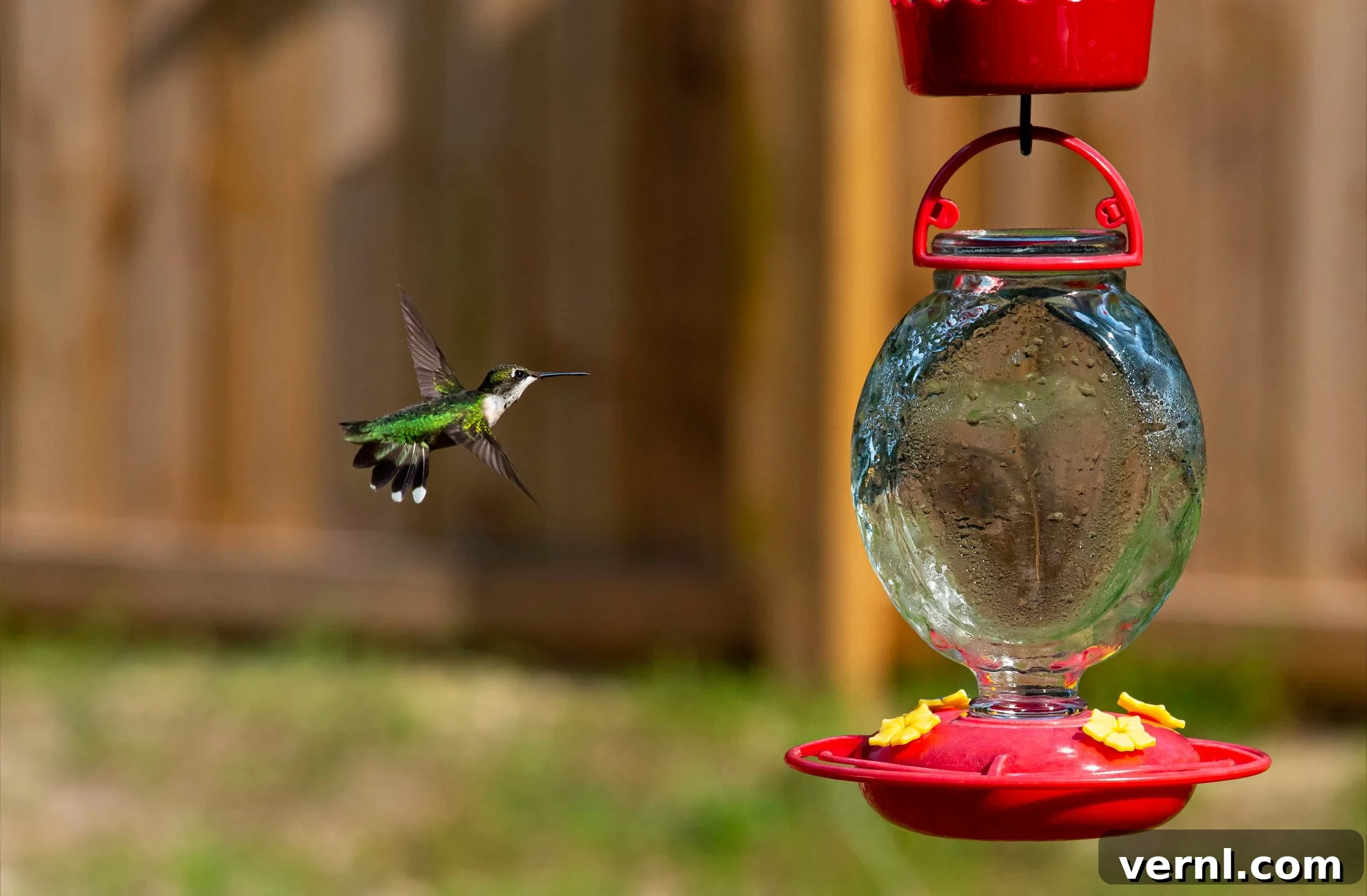
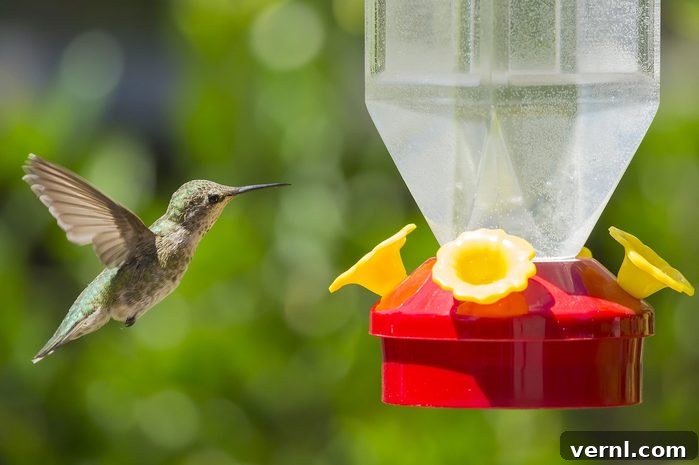
Hummingbirds bring unparalleled joy and vibrant beauty to any backyard. These tiny, iridescent jewels of the avian world are a delight to observe, flitting gracefully from flower to feeder. Setting up a hummingbird feeder is an excellent way to invite these magnificent creatures closer, offering them a vital energy source. However, the sweet nectar that attracts hummingbirds also proves irresistible to another, less welcome visitor: ants.
It’s almost inevitable that small insects will discover your hummingbird feeders. But once ants locate that readily available sugary treat, they can swiftly transform into a significant nuisance, forming persistent trails to the sweet buffet. While ants are generally not directly harmful to hummingbirds, their presence can deter these delicate birds, making your feeder less appealing and potentially contaminating the nectar. This comprehensive guide will equip you with proven methods to effectively keep ants out of your hummingbird feeders, ensuring a pristine and welcoming environment for your feathered friends.
Understanding Why Ants Are Attracted to Your Hummingbird Feeder
To effectively deter ants, it’s crucial to understand their motivations and behaviors. Ants are drawn to hummingbird feeders for the exact same reason hummingbirds are: the high sugar content provides an essential and readily available source of calories. Sugar is a fundamental energy source for many ant species, crucial for their colony’s growth and survival. A hummingbird feeder represents an incredibly concentrated and easily accessible food source that they simply can’t ignore.
The Irresistible Lure of Sugar and Accessible Nectar
Ants possess an extraordinary sense of smell and sophisticated foraging strategies. Once a scout ant discovers a rich food source like hummingbird nectar, it returns to its colony, laying down a pheromone trail that guides its nestmates directly to the prize. This leads to the characteristic “ant highway” often seen leading to feeders. Any spillage or overflow of this sweet sugar water makes it even more likely to catch their attention, turning a small leak into a major infestation.
“If you have a bottle-type feeder, these are often more prone to leaking,” advises Jamie Simo, manager at Front Range Birding Company in Boulder, Colorado. Leaks are particularly common during hot weather or when the feeder is excessively full, she explains. The reason? Hot air expands, pushing the nectar out of feeding ports and other tiny gaps, creating an inviting drip for ants.
Common Feeder Issues That Attract Pests
Beyond simple spills, several factors contribute to a feeder becoming an ant magnet:
- Poor Seal: Old or damaged feeders can develop leaks from worn seals or cracks, creating a constant drip.
- Overfilling: Filling a feeder to the brim, especially in warm climates, increases the likelihood of expansion-induced leaks.
- Dirty Feeders: Residue from old nectar, particularly around feeding ports, can act as an initial attractant, even before ants discover the main reservoir.
- Proximity to Ant Trails: If your feeder is hung near trees, fences, or structures that ants regularly use as pathways, it’s only a matter of time until they find it.
Comprehensive Solutions: How to Ant-Proof Your Hummingbird Feeder
Preventing ants from reaching your hummingbird feeder requires a multi-faceted approach, focusing on cleanliness, physical barriers, and strategic placement. The key is to create an environment that is appealing to hummingbirds but inaccessible to ants.
Prioritize Impeccable Feeder Hygiene
A clean feeder is the first line of defense against ants and, more importantly, essential for the health of hummingbirds. Spilled nectar and sticky residue are undeniable ant attractants. “While ants at the feeder are an annoyance, focus on prevention and physical barriers to deter them,” states David Mizejewski, a naturalist with the National Wildlife Federation.
Regular Cleaning and Nectar Replacement
For the safety of hummingbirds, it is vital to replace the nectar and thoroughly clean your feeder every few days. In extremely hot weather, this should be done daily or every other day. This prevents mold growth, fermentation, and spoilage, which can be lethal to hummingbirds. “It cannot be stressed enough: moldy sugar water can kill hummingbirds,” emphasizes Simo.
To clean effectively, use hot water and a bottle brush. A mild solution of white vinegar and water (rinse thoroughly afterwards) or a diluted bleach solution (1 part bleach to 9 parts water, followed by multiple rinses) can also be used periodically for deep cleaning to sanitize and remove stubborn residue. Ensure all traces of cleaning agents are gone before refilling with fresh nectar.
Preventing Leaks and Drips
Address any leaks in your feeder promptly. Check for cracks, loose parts, or worn seals. When hanging the feeder, be careful not to let sugar water drip out, as even a small trail can guide ants to the source. Consider investing in feeders designed with tighter seals or inverted bottle designs that are less prone to leaks.
The Right Nectar Recipe
Always use a simple solution of one part refined white granulated sugar to four parts water. Bring the water to a boil, then remove from heat and stir in the sugar until fully dissolved. Allow it to cool completely before filling the feeder. This purity is crucial for hummingbird health and avoids unnecessary additives that could attract other pests or be harmful.
Harness the Power of Ant Moats
Ant moats are arguably the most effective physical barrier against ants, leveraging their inability to swim. These ingenious devices create a water-filled trench that ants cannot cross.
How Ant Moats Work
An ant moat is a small cup or reservoir filled with water that hangs above your hummingbird feeder. When ants attempt to reach the feeder, they encounter this water barrier. Unable to swim across, they are effectively stopped in their tracks. This simple yet highly effective method provides a pesticide-free solution to your ant problem.
Types of Ant Moats
Many modern hummingbird feeders come with built-in ant moats, integrated directly into the feeder’s design. If your current feeder lacks this feature, you can easily purchase standalone ant moats. These can either hang above the feeder from your shepherd’s hook or mount to the pole below, depending on your feeder’s setup. Some are designed as decorative elements, adding to your garden’s aesthetic while performing a vital function.
DIY Ant Moat Solutions
If you prefer a DIY approach, you can create a simple ant moat using a small, shallow dish or container. Drill a hole in the bottom large enough for your feeder’s hanging wire to pass through. Seal the hole around the wire to prevent leaks, then fill the dish with water and hang your feeder beneath it. You can also try hanging your feeder directly over a natural water source, such as a pond or bird bath, which can offer a similar deterrent effect, though less controlled.
Maintaining Your Ant Moat
For an ant moat to remain effective, it must always contain water. Check it daily, especially in hot or windy weather when evaporation is rapid, and refill as needed. Regularly clean the moat to prevent stagnant water, algae growth, or mosquito breeding. A quick rinse with fresh water usually suffices.
Strategic Feeder Placement for Ant Deterrence
The location of your feeder plays a significant role in preventing ant infestations.
Identifying Ant Trails
Observe your yard for existing ant trails. If your feeders are consistently swarmed by ants, relocating them might be the simplest solution, advises Emma Grace Crumbley, an entomologist with Mosquito Squad. “Hummingbirds are remarkably adept at finding food sources and will still discover and visit your feeders, even if you move them to a new spot.”
Optimal Locations
Move feeders away from trees, shrubs, fences, or your house, as these structures often serve as natural highways for ants. An open, airy location, potentially in a partially shaded area to prevent nectar spoilage, is often ideal. Aim for a spot where the feeder hangs freely, making it harder for ants to bridge the gap from a nearby surface.
Hanging Considerations
If hanging from a pole, ensure the pole is smooth and offers no easy grip for climbing ants. You can also place the pole in a bucket of water or apply a non-toxic barrier (like petroleum jelly, but exercise extreme caution as discussed in the “Don’ts” section) near the base of the pole if direct moats aren’t feasible for pole mounts, although a pole-mounted ant moat is always preferable.
Choosing the Right Feeder Design
Some feeder designs are inherently more ant-resistant. Inverted bottle feeders, for example, often have fewer exposed parts and tighter seals, reducing the chance of leaks. Feeders with integrated ant moats are also an excellent choice, simplifying the setup process.
Crucial Don’ts: What to Absolutely Avoid When Dealing with Ants
While deterring ants is important, it is paramount to prioritize the safety and well-being of hummingbirds. Some common pest control methods are highly dangerous for these delicate birds and other wildlife.
Never Use Harmful Chemicals or Pesticides
The most critical rule: never use pesticides or insecticides to kill ants at or near a hummingbird feeder. Pesticides can harm hummingbirds directly through ingestion or contact. They can also cause indirect harm by killing non-target insects that hummingbirds rely on for protein, and by contaminating the nectar that they feed to their young. David Mizejewski strongly advises against this practice due to the severe risks involved.
Steer Clear of Sticky or Oily Substances
Do not apply oils, grease, petroleum jelly, or any other sticky substances near the feeder or on the pole to deter ants. While these might prevent ants from crossing, they pose a grave danger to hummingbirds. These substances can damage their delicate feathers, impairing their ability to fly, insulate themselves, or preen properly. Additionally, if ingested, these substances can be toxic and even fatal. Jamie Simo warns that such materials could also harm squirrels or other wildlife, affecting their thermoregulation or causing illness if ingested.
Avoid Red Dyes and Improper Sugar Types
To protect hummingbirds, never use red dyes in your sugar water. Red dye is unnecessary to attract hummingbirds, and there is no scientific evidence to support its safety. Stick to the simple, clear sugar solution. When making your own nectar, always use refined, white granulated sugar. Simo explains, “Natural sugar has too much iron for hummingbirds and can harm them.” Brown sugar, organic sugar, or artificial sweeteners should also be avoided as they are either harmful or lack the necessary nutrients.
Be Mindful of Feeder Coloration
While red attracts hummingbirds, Simo also recommends avoiding feeders with significant yellow flowers or accents if wasps and bees are frequent visitors to your yard. Yellow colors tend to attract wasps and bees, which can become aggressive competitors for the nectar, potentially deterring hummingbirds and creating a nuisance for you.
Hummingbirds and Ants: Dispelling Common Myths
Do Ants Harm Hummingbirds Directly?
Not directly, but their presence is far from benign. Ants drowning in the sugar water will make the feeder unappealing and potentially unsanitary for hummingbirds. Simo notes that ants can also clog feeder ports, making nectar inaccessible, and can accelerate the growth of mold and bacteria in the sugar water, especially in hot weather. This indirect harm can be significant to a hummingbird’s health.
What Else Do Hummingbirds Eat Besides Nectar?
While hummingbirds get most of their energy from sugar in flower nectar and feeders, they require protein and other vital nutrients for survival, especially during nesting season when feeding their young. “Believe it or not, hummingbirds feed on ants and other small bugs like aphids, gnats, and mosquitoes,” says Crumbley. These tiny insects provide essential proteins, fats, and minerals that nectar alone cannot supply. So, while ants are a part of their natural diet, consuming them from a feeder contaminated with drowned ants or rapidly spoiling nectar is not ideal.
Maintaining a Healthy and Ant-Free Hummingbird Haven
Creating an ant-free zone around your hummingbird feeders is a continuous process that yields immense rewards. By diligently maintaining cleanliness, employing physical barriers like ant moats, and strategically placing your feeders, you can ensure your backyard remains a safe and attractive sanctuary for these remarkable birds. Observing hummingbirds feed, play, and interact is a truly magical experience, and by taking these preventative measures, you contribute significantly to their health and well-being, allowing both you and them to enjoy the sweet rewards of your efforts.
Frequently Asked Questions About Hummingbird Feeder Ants
Will ants in my hummingbird feeder hurt the hummingbirds?
While ants do not directly harm hummingbirds through toxins, their presence poses several indirect threats. Ants that drown in the nectar make the feeder less attractive and potentially unsanitary. They can clog feeding ports, making it difficult for hummingbirds to access the nectar. More critically, ants can introduce bacteria and accelerate the spoilage and mold growth in the sugar water, especially in warm conditions, which can be highly detrimental, even fatal, to hummingbirds. Therefore, preventing ants is essential for maintaining a healthy feeding station.
What do hummingbirds eat?
Hummingbirds primarily rely on nectar for their energy needs, sourcing it from flowers and artificial feeders. Nectar is rich in sugars, providing the fuel for their incredibly high metabolism. However, nectar lacks essential proteins, fats, and other nutrients. To supplement their diet, hummingbirds actively hunt and consume a variety of small insects, including aphids, gnats, mosquitoes, fruit flies, and yes, even small ants and spiders. These insects are crucial for providing the necessary protein, particularly for growing nestlings and for adult birds during breeding season.
Meet Our Avian Experts
- David Mizejewski is a renowned naturalist with the National Wildlife Federation and the esteemed author of Attracting Birds, Butterflies and Other Backyard Wildlife. He dedicates his life to exploring and observing the intricate wonders of the natural world and passionately advocating for wildlife-friendly gardening practices.
- Jamie Simo serves as the accomplished manager and an experienced trip leader at the Front Range Birding Company in Boulder, Colorado. Holding a B.A. in environmental science and certified as a Denver Audubon Master Birder, her dedication lies in educating others on responsible stewardship of natural resources and fostering a love for avian life.
- Emma Grace Crumbley is an expert entomologist at Mosquito Squad. A self-proclaimed “bug nerd,” Emma harnesses her profound expertise to enlighten and engage the public about the fascinating and often misunderstood world of insects, transforming fear into fascination.
Our Trusted Sources
Insights and information for this article were also contributed by Bill Freimuth, Vice President of Sales at Centurion Brands.