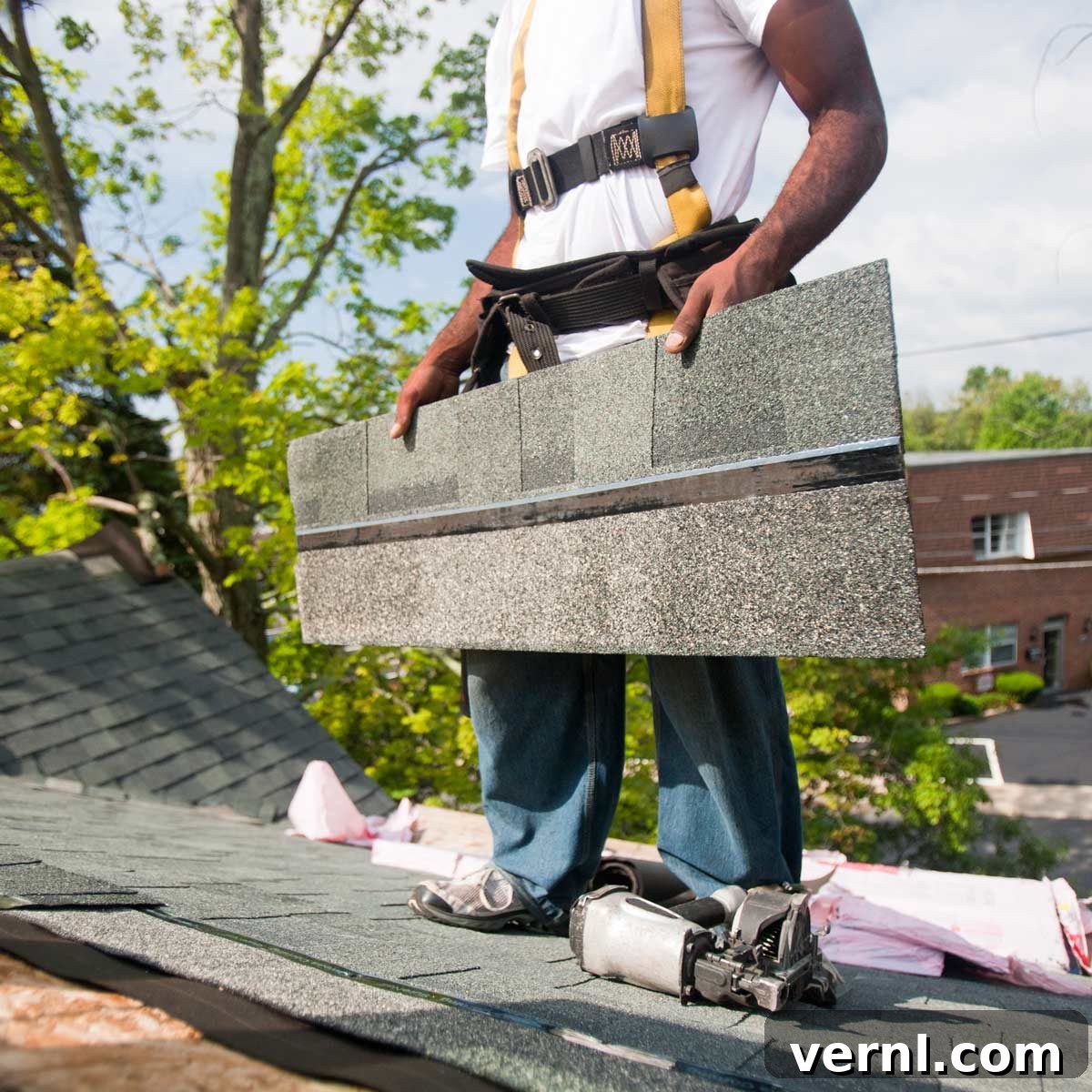
Choosing Roof Shingles: Dark vs. Light and Their Impact on Your Home
Selecting the right roof shingles for your home is a critical decision that goes beyond mere aesthetics. While the color of your roof significantly contributes to your home’s curb appeal, it also plays a vital role in energy efficiency, the longevity of your roofing system, and even the comfort of your indoor living spaces. Among the myriad choices, one of the most common dilemmas homeowners face is whether to opt for dark or light-colored shingles. This comprehensive guide delves into the nuances of this choice, exploring the advantages, disadvantages, and various factors that should influence your decision.
The debate between dark and light shingles often boils down to a balance between visual appeal and practical performance. Lighter-colored shingles are renowned for their superior reflective properties. They bounce back a greater percentage of the sun’s harsh rays, effectively preventing much of the solar energy from being absorbed into your roof structure. This reflection translates directly into cooler roof surface temperatures, which subsequently keeps your attic cooler. A cooler attic is not just a comfort factor; it’s a significant energy-saving mechanism, as it reduces the workload on your air conditioning system, potentially leading to noticeable reductions in your monthly electricity bills. For homes in warmer climates, or those exposed to intense sunlight for extended periods, lighter shingles can be a strategic choice for maximizing cooling efficiency.
Conversely, dark shingles absorb more solar radiation, leading to higher roof surface temperatures. While this might be perceived as a drawback in hot climates, it could offer a slight advantage in colder regions by assisting with snow melt and potentially reducing heating costs during winter months by passively transferring some heat into the attic space. However, this benefit is often marginal compared to the cooling advantages of lighter shingles in year-round temperate or hot climates.
The question of whether shingle color influences its lifespan is complex and often debated among manufacturers and researchers. Some assert that the increased heat absorption by dark shingles accelerates material degradation due to constant thermal expansion and contraction, as well as heightened molecular activity within the asphalt. This theory suggests that light shingles, by staying cooler, might inherently face less thermal stress and therefore last longer. However, this perspective doesn’t account for all variables. A properly designed and installed roofing system with adequate ventilation can significantly mitigate the effects of heat absorption, regardless of shingle color. It’s crucial to understand that a damaged or compromised shingle, regardless of its color, is not just an aesthetic flaw but a potential precursor to serious water damage. Knowing how to replace damaged shingles promptly is essential for maintaining your roof’s integrity and preventing costly leaks.
Be Aware! Here are Some Silent Signs Your Roof Might Be Failing:
Before diving deeper into color choices, it’s vital to recognize that your roof’s health is paramount. Ignoring subtle indicators of wear and tear can lead to significant problems down the line. Keep an eye out for these silent signs that your roof might be failing:
- Curling or Cupping Shingles: Edges of shingles turning upwards or developing a concave appearance can indicate age, excessive heat, or moisture absorption.
- Cracked Shingles: Cracks, especially those running perpendicular to the roof line, are a clear sign of degradation and can lead to leaks.
- Missing Granules: Granules protect the asphalt from UV rays. If you notice a significant amount of granules in your gutters or on the ground, it means your shingles are losing their protective layer. Bald spots indicate severe wear.
- Missing Shingles: Obvious gaps where shingles have blown off expose the underlayment and make your home vulnerable to water intrusion.
- Dark Streaks or Stains: Often caused by algae, moss, or mildew. While some stains are cosmetic, extensive growth can hold moisture against the roof surface, leading to premature decay.
- Water Stains on Interior Ceilings or Walls: This is a definitive sign of a leak, often originating from the roof.
- Sagging Roof Deck: A noticeable sag or curve in your roofline can indicate structural issues, often caused by water damage or heavy snow loads.
- High Energy Bills: A sudden unexplained spike in heating or cooling costs might point to inadequate insulation or poor roof ventilation, contributing to faster shingle degradation.
- Older Roof Age: Asphalt shingle roofs typically last between 15-30 years depending on the type and maintenance. If your roof is nearing or past its expected lifespan, it’s wise to consider an inspection.
Testing the Difference of Roof Shingle Colors: Lifespan and Performance
The question of whether shingle color fundamentally impacts its longevity remains a subject of ongoing debate within the roofing industry. Many homeowners are naturally concerned that choosing a darker shingle might mean a shorter roof life due to increased heat absorption. However, the science behind shingle degradation is multifaceted, involving more than just surface temperature.
One major shingle manufacturer, whose testing protocols are rigorously designed, reported that their comprehensive studies showed no significant difference in the lifespan of dark versus light shingles. Their position is grounded in the belief that a properly designed and executed attic ventilation system is the ultimate equalizer. According to this view, an efficient ventilation system — comprising sufficient intake (soffit) and exhaust (ridge or static) vents — provides enough continuous airflow to dissipate the heat that accumulates in the attic space, effectively offsetting any increased heat retention by darker shingles. This internal cooling mechanism ensures that the underside of the shingles and the roof deck do not reach excessively high temperatures, thereby protecting the overall roofing system from accelerated aging. This perspective strongly emphasizes the critical role of ventilation over shingle color in determining roof longevity.
However, this view is not universally accepted, as some independent studies present a contrasting argument. These studies often highlight the fundamental principle that heat always increases molecular activity. They contend that since dark shingles consistently run hotter on the surface due to greater solar absorption, this amplified thermal stress alone dictates a shorter life span for dark-colored materials. The constant cycles of extreme heating and cooling, known as thermal expansion and contraction, can cause the asphalt material to become brittle, leading to cracking, splitting, and ultimately, faster degradation of the shingle’s integrity. These researchers suggest that even with adequate attic ventilation, the direct surface temperature difference can still impact the shingle material itself.
Adding another layer of complexity to this discussion, yet another body of research suggests that the sun’s ultraviolet (UV) rays play a much more dominant role in shingle degradation than heat alone. UV radiation is a powerful destroyer of organic materials, including the asphalt used in shingles. It breaks down the chemical bonds within the asphalt, causing it to dry out, become brittle, and lose its flexibility and waterproofing capabilities. The ceramic granules embedded on the shingle surface are primarily designed to protect the asphalt from these harmful UV rays. From this perspective, as long as the granules remain intact, the shingle is protected, regardless of its color or surface temperature. Therefore, the rate at which granules are lost or worn away by environmental factors (like hail, wind, or foot traffic) might be a more significant determinant of shingle lifespan than the color-induced heat difference. This highlights the importance of granule adhesion and density in overall shingle durability.
When considering roof replacement, it’s important to look beyond just the color. There are many things to consider before replacing your roof, from structural integrity to local building codes, and the choice of materials that best suit your home’s architecture and climate.
Our Shingle Advice: Balancing Aesthetics, Efficiency, and Longevity
Given the various perspectives and conflicting research, making an informed decision about shingle color can seem daunting. However, a consensus emerges regarding one absolutely critical factor that almost all experts agree on: the paramount importance of proper attic ventilation for maximizing shingle life and overall roof performance.
Proper attic ventilation serves multiple crucial functions. It allows hot, moist air to escape the attic, preventing heat buildup in summer and moisture condensation in winter. Excess heat can cook shingles from the underside, accelerating their degradation. Excess moisture can lead to mold and mildew growth, rot the roof deck and rafters, and compromise insulation effectiveness. By ensuring continuous airflow, ventilation helps maintain a stable temperature and humidity level in the attic, protecting the entire roofing system. Therefore, our primary advice for homeowners is to prioritize and ensure you have an abundance of well-placed roof and soffit vents, creating a balanced and effective airflow system. This foundational element will contribute more significantly to your roof’s longevity than the color of your shingles.
Once you are confident in your attic’s ventilation system, the choice of shingle color becomes much more flexible and personal. You can then confidently pick whatever color you like, knowing that the integrity and lifespan of your roof are primarily protected by adequate airflow rather than solely by surface reflectivity. This allows you to choose a color that best complements your home’s architectural style, landscaping, and personal aesthetic preferences, enhancing its curb appeal and potentially its market value.
However, there’s a significant caveat to this advice: if saving money on cooling costs is a top priority for your household, then you absolutely should lean towards choosing a lighter shingle color. Even with excellent attic ventilation, lighter shingles will always reflect more solar radiation from the exterior, inherently keeping the roof surface and consequently the attic space cooler. This direct reduction in heat gain will translate into less work for your air conditioning unit, leading to measurable savings on your energy bills, especially during peak summer months or in regions with consistently hot climates. For environmentally conscious homeowners or those living in sunny locales, the energy efficiency benefits of lighter shingles can be a compelling reason to choose them.
Key Considerations for Your Shingle Choice:
- Climate: Hot climates benefit most from lighter, more reflective shingles for energy savings. Colder climates might not see as significant an energy impact, allowing more flexibility in color choice.
- Energy Efficiency Goals: If reducing AC costs is paramount, lighter colors are the clear winner.
- Curb Appeal: Consider how the shingle color will harmonize with your home’s exterior paint, brick, stone, and surrounding landscape. Darker shingles can create a dramatic, sophisticated look, while lighter shades can make a home feel more expansive and inviting.
- Homeowners Association (HOA) Rules: Some communities have strict guidelines on permissible roof colors and materials, so always check local regulations.
- Regional Style: Certain regions or architectural styles may traditionally favor specific roof colors.
- Material Quality: Regardless of color, invest in high-quality shingles from reputable manufacturers that come with good warranties. Architectural shingles, for example, often offer better durability and a more aesthetic profile than traditional 3-tab shingles.
Final Thoughts: A Balanced Approach to Roofing
Ultimately, the decision between dark and light roof shingles is a nuanced one, with no single right answer for every home. While the aesthetic impact on your home’s curb appeal is undeniable, the practical implications for energy efficiency and potential roof longevity must also be weighed carefully. The scientific community offers differing perspectives on the direct impact of color on shingle lifespan, with some prioritizing heat absorption and others emphasizing UV degradation or the overriding influence of ventilation.
What remains consistently clear across all expert opinions is the unparalleled importance of a robust and well-maintained attic ventilation system. This is the cornerstone of any healthy and long-lasting roof, regardless of shingle color. By effectively managing heat and moisture within the attic, you protect your entire roofing system, enhance indoor comfort, and safeguard your energy efficiency.
Therefore, as you embark on the journey of selecting new shingles, we recommend a balanced approach. First and foremost, ensure that your roof’s underlying structure and ventilation system are optimal. Consult with a qualified roofing professional to assess your current attic ventilation and make any necessary improvements. Once this critical foundation is established, you are empowered to make a color choice that aligns with your personal preferences, your home’s architectural style, and your energy-saving objectives. If minimizing cooling costs is a priority, a lighter-colored shingle will offer distinct advantages. Otherwise, feel confident in selecting the shade that truly makes your house feel like home. Making an informed decision today will ensure your roof provides lasting protection, efficiency, and beauty for years to come.