
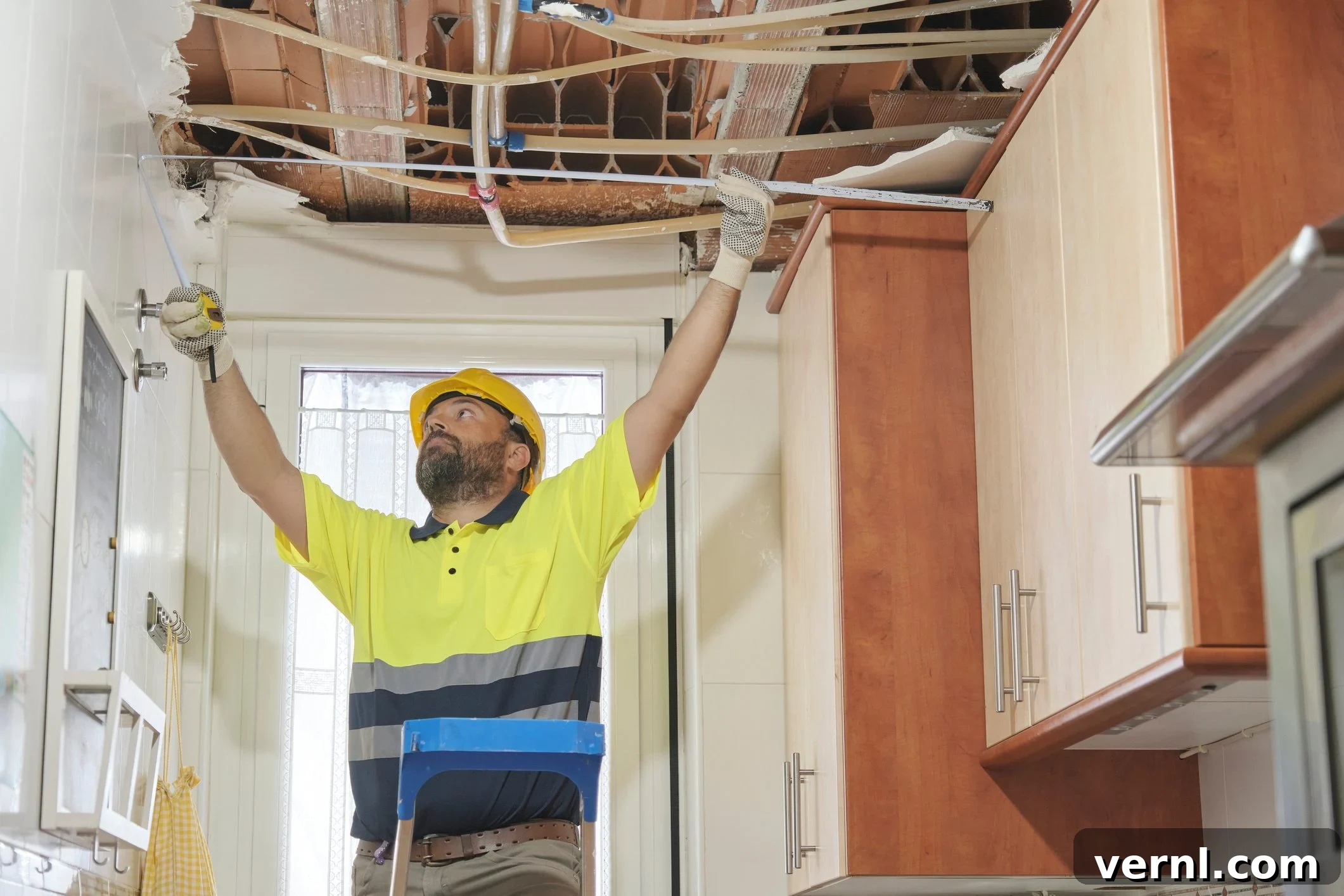
Home Repair Scams: How to Protect Yourself from Fraud
Recently, I experienced a frustrating encounter – twice in a month. Contractors showed up at my door, offering seemingly attractive discounts on home repair services, claiming they were “in the neighborhood” working on another project. However, they insisted on an immediate commitment. When I asked for time to consider the offer, both quickly left without providing any contact information. It became clear that these were likely home repair scams, designed to target unsuspecting homeowners.
This article provides essential information to help you identify and avoid these deceptive practices. Learn about common scam tactics and practical steps you can take to safeguard your home and finances. We’ve compiled expert advice from law enforcement and consumer protection professionals to guide you.
Understanding Home Repair Scams
Home repair scams come in various forms, but they all share a common goal: to defraud homeowners. This often involves receiving payment for repairs or services that are either never started, poorly executed, or left incomplete. The intent is clear: to exploit homeowners for financial gain.
“These issues are frustrating for consumers as often money is wasted, or the home can be left in a chaotic state,” explains Layla R. D’Emilia, the Massachusetts Undersecretary of the Office of Consumer Affairs and Business Regulation. Being aware of the tactics used by scammers is the first step toward protecting yourself.
Common Home Repair Scam Tactics
Scammers employ a range of strategies, often starting with unsolicited visits to your doorstep. Here are some of the most prevalent home repair scams you should be aware of:
Fast and Cheap Post-Disaster Repairs
After a natural disaster, be wary of contractors who aggressively offer low-cost, quick repairs. They might promise immediate solutions to damage caused by storms, floods, or other events. Often, these individuals are unlicensed or come from out of state, aiming to collect a down payment and then disappear, leaving you with unfinished work and financial loss.
Door-to-Door “Free” Inspection Scam
This scam begins with an unexpected knock on your door. A contractor offers a free home inspection, often claiming to identify hidden issues. During the inspection, they exaggerate problems and pressure you to authorize immediate, costly repairs. The work is frequently substandard or never completed.
The Bait and Switch
This tactic starts with an attractively low estimate to lure you in. Once hired, the contractor discovers “unexpected issues” during the project, dramatically increasing the final cost. This often leads to a price that exceeds what other reputable contractors originally quoted. Being informed is key to avoiding these scams.
Red Flags: Signs a Contractor Might Be Scamming You
Recognizing the warning signs is crucial. As I discovered firsthand, pressure tactics are a major indicator of a scam. Always be cautious, and remember, a legitimate contractor will give you time to think and provide you with detailed information. Here are other red flags to watch out for:
- High-Pressure Sales: The contractor insists on an immediate decision, pressuring you to sign a contract or make a payment on the spot.
- Upfront Payment Demands: They demand full payment or a substantial down payment before any work has begun.
- Discount for Leftover Materials: They offer a discount because they have “leftover materials” from another job. This is often a way to justify a price that is still inflated.
- Refusal of a Written Contract: They are unwilling to provide a detailed written contract outlining the scope of work, costs, and payment schedule.
- Cash or Online Payment Apps Only: They only accept cash or require payments through online payment apps, making it difficult to trace the transaction.
- Permit Request: They ask you to obtain permits from your municipality, which they should handle as part of their services.
Protecting Yourself: Tips to Avoid Contractor Scams
Taking preventative measures is essential to avoid becoming a victim. Here’s a breakdown of steps you can take, drawing on expert advice from law enforcement and consumer protection professionals:
Jennifer Gundersen, Chief of Police for the town of South Hadley, Massachusetts, recommends getting recommendations from your network. “Ask your neighbors and friends for contractor recommendations to avoid falling victim to home repair scams,” she advises.
- Seek Referrals: Ask friends, family, and neighbors for recommendations. Personal referrals are often the most reliable way to find trustworthy contractors.
- Check References: Request and thoroughly check professional references. Contact previous clients to inquire about their experiences with the contractor.
- Verify Licenses, Bonds, and Insurance: Confirm that the contractor is properly licensed, bonded, and insured in your state and locality. This helps protect you if something goes wrong.
- Require a Detailed Written Estimate: Insist on a comprehensive, written estimate that clearly outlines the scope of work, materials, labor costs, and a payment schedule.
- Avoid Door-to-Door Sales: Be wary of unsolicited contractors who come to your door. Legitimate contractors usually build their business through referrals and established reputations.
- Never Pay Under Pressure: Don’t feel pressured to sign anything or make a payment on the spot. Take your time to review the contract and compare offers.
- Limit Down Payments: Avoid making large down payments before work starts. A reasonable down payment to cover initial material costs is acceptable, but it should be a small percentage of the total project cost.
What to Do If You Suspect a Scam
If you believe you have been targeted by a home repair scam, swift action is crucial. Report it immediately to the authorities.
“If you think you are the victim of a contractor scam, contact your local police department right away,” Gundersen advises. “You should [also] file a complaint against the contractor with your state’s relevant agency, such as consumer affairs or the attorney general,” says D’Emilia.
Here’s a step-by-step approach:
- Contact Law Enforcement: Immediately report the incident to your local police department.
- Gather Evidence: Collect all relevant information, including contracts, receipts, photos of the work, and the contractor’s contact information. Note the license plate of any vehicle, as this information can be vital for the police.
- File a Complaint: File a formal complaint with your state’s consumer affairs agency or attorney general’s office.
- Consider Legal Action: Consult with an attorney to explore your legal options and potentially pursue a civil lawsuit.
Resources for Assistance
Several resources are available to help you navigate these situations. You can find useful information and support from the following:
- Local Police Department: They can investigate the scam and potentially prosecute the perpetrator.
- State Attorney General’s Office: They can provide guidance on legal options and help file a formal complaint.
- State Consumer Protection Agency: They can offer advice, mediation services, and assistance in resolving disputes.
Meet the Experts
The following individuals provided valuable insights and expertise for this article:
- Jennifer Gundersen: Chief of Police for the town of South Hadley, Massachusetts. She has been in this role since 2019 and began her law enforcement career in 1994.
- Layla R. D’Emilia: Undersecretary of the Office of Consumer Affairs and Business Regulation in the state of Massachusetts. Appointed in 2023, she oversees the office and its five affiliated agencies.
Source
- New York State Department of Financial Services “Beware of Home Repair Scams”