
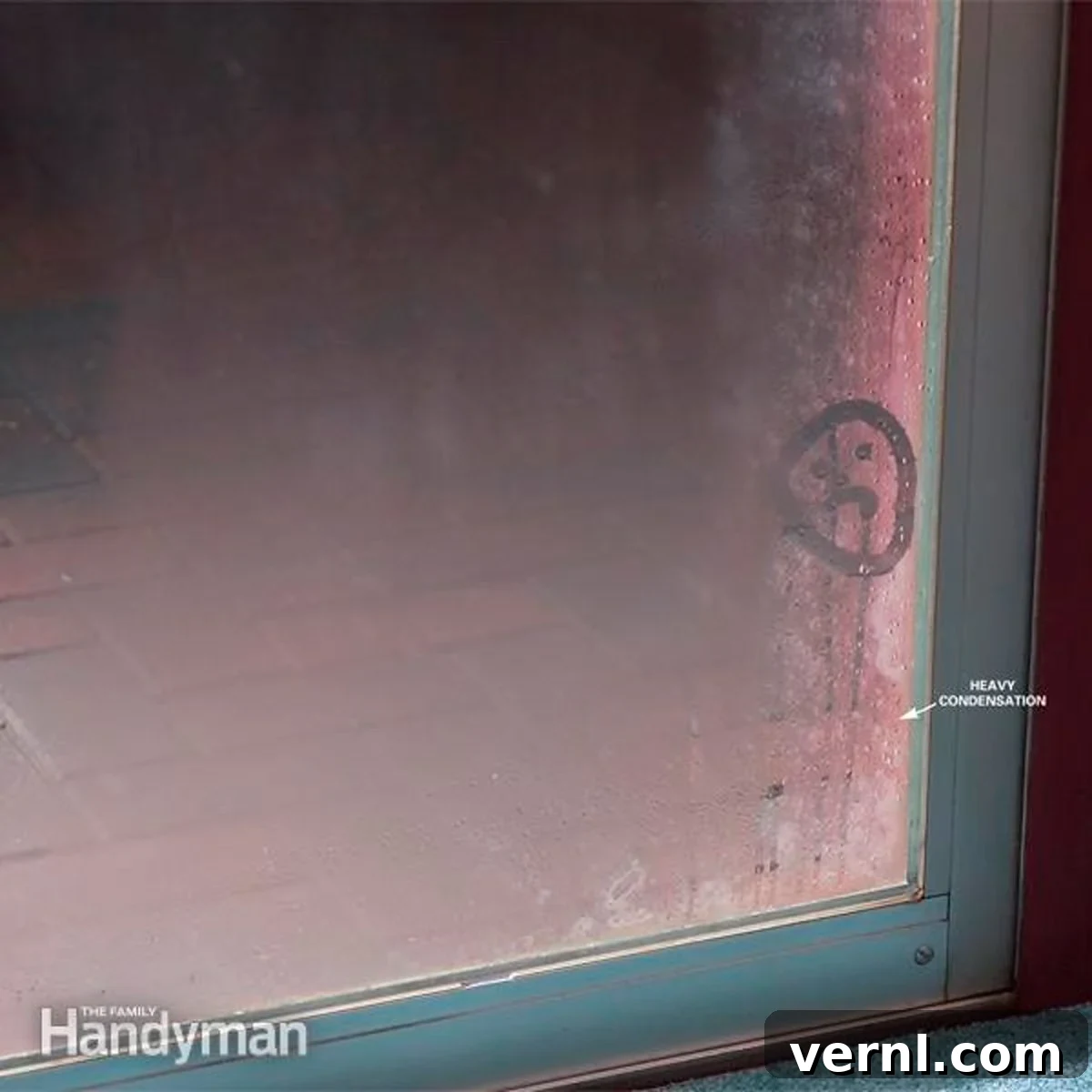
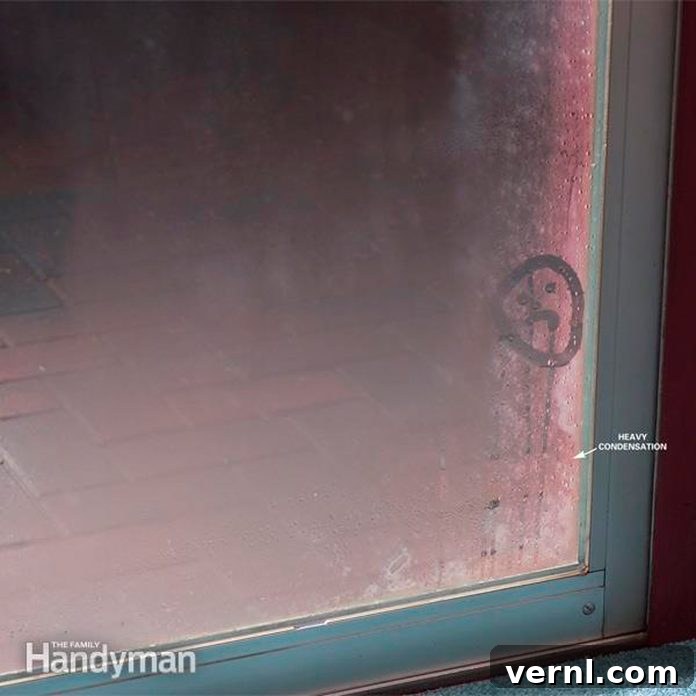
Window condensation, manifesting as foggy panes or delicate frost, is a prevalent issue in many homes, particularly during colder seasons. While it might seem like a mere visual distraction, ignoring persistent moisture on your windows can lead to a cascade of problems. Beyond obscuring your view and making your living spaces feel less inviting, unchecked condensation can inflict significant damage on your windows, their frames, and surrounding wood trim finishes. More critically, it often serves as an early warning sign of deeper, potentially more destructive issues lurking within your home, such as excessive indoor humidity, which can foster mold growth and compromise indoor air quality.
Understanding the Science Behind Window Condensation: What Causes It?
The appearance of fog or frost on your windows is a direct consequence of condensation – a natural physical process. Condensation occurs when the temperature of a surface, such as your window glass, drops to or below the dew point of the air circulating inside your house. The dew point is a critical measurement: it’s the temperature at which air becomes completely saturated with water vapor and can no longer hold additional moisture. At this point, the excess water vapor transforms into liquid water droplets. If the glass temperature falls below freezing, these condensed water droplets will solidify into frost, creating those characteristic icy patterns on your windows.
The dew point itself is intricately linked to relative humidity, which is the amount of water vapor currently in the air compared to the maximum amount it can hold at a given temperature. If the air in your house is exceptionally dry, your window glass would need to be remarkably cold for condensation to form. Conversely, warm air has a greater capacity to hold moisture. This means that warm, highly humid air can reach its dew point and condense even on a relatively warm surface, such as a bathroom mirror after a hot shower, or on inadequately insulated windows. Therefore, two primary factors coalesce to cause window condensation: first, an excessively high relative humidity level within your home, which increases the likelihood of water vapor reaching its dew point on cooler surfaces; and second, poor window insulation that allows your glass to become too cold, making it an ideal surface for moisture to condense.
The Hidden Dangers of Unchecked Window Condensation
While a minor amount of condensation might appear harmless, consistently ignoring moisture on your windows can lead to a host of significant and potentially costly problems for both your home’s integrity and your family’s health.
- Structural Damage to Windows and Frames: Continuous exposure to moisture can cause considerable damage to wooden window frames and sills. Over time, wood can warp, swell, crack, and even rot. Paint and finishes may peel and blister, not only diminishing your home’s aesthetic appeal but also compromising the structural integrity of your windows. This damage can eventually necessitate expensive repairs or even full window replacements.
- Mold and Mildew Growth: The warm, moist environment created by condensation provides an ideal breeding ground for mold and mildew. These fungi often manifest as unsightly black, green, or white spots around your window frames, sills, and even nearby walls or curtains. Beyond the visual deterioration, mold can release spores that trigger allergic reactions, asthma attacks, respiratory problems, and other health issues, particularly in sensitive individuals. Eradicating established mold growth can be a challenging and potentially hazardous task.
- Reduced Energy Efficiency and Increased Bills: Condensation is a strong indicator of inadequate window insulation. When windows are inefficient, they allow precious heat to escape your home more readily during colder months. This forces your heating system to work harder and longer to maintain a comfortable indoor temperature, directly translating into higher energy consumption and inflated utility bills.
- Compromised Indoor Air Quality: High indoor humidity, which is often the underlying cause of condensation, can lead to a stuffy, damp, and uncomfortable living environment. When this is coupled with the proliferation of mold and mildew, it significantly degrades your indoor air quality, potentially contributing to a range of discomforts and health complaints for occupants.
Comprehensive Strategies for Preventing Window Condensation
Effectively preventing window condensation requires a dual approach: diligently managing your indoor humidity levels and enhancing the thermal performance of your windows. Addressing both aspects holistically will provide the most sustainable and lasting solution.
Part 1 – Mastering Indoor Humidity Levels
Controlling the amount of moisture in your home’s air is a crucial first step. While many people in colder climates use humidifiers to make the dry winter air more comfortable, excessive humidification can quickly become counterproductive. If condensation consistently forms on your windows, there’s a strong possibility that moisture is also accumulating unseen within your walls, attics, or crawl spaces, creating environments ripe for mold growth and structural damage.
Beyond humidifiers, numerous common household activities and elements contribute significantly to indoor humidity. These sources include the occupants themselves (through breathing and perspiration), daily showering and bathing, cooking, running dishwashers, clothes dryers with faulty vents, and even houseplants. To effectively reduce indoor humidity and combat fogging or frosting windows, consider implementing the following actionable strategies:
- Adjust Your Humidifier Settings Thoughtfully: If you use a humidifier, it’s imperative to monitor your indoor humidity levels with a hygrometer. During winter months, aim for a relative humidity between 30% and 50%. It’s often advisable to slightly lower this target as outdoor temperatures drop significantly, as colder outside air makes surfaces like windows cooler, increasing the chance of condensation. Learn more about optimal humidifier usage and essential tips.
- Utilize Bathroom Fans Effectively: Always activate your bath fan when showering or bathing, and ensure it runs for at least 15-20 minutes after you’ve finished. This practice is crucial for effectively venting moist air directly outdoors, preventing it from circulating throughout your home and settling on cool surfaces. If your current bathroom fan is noisy or seems ineffective, upgrading to a more powerful and quieter model can make a significant difference. Here’s a comprehensive guide on how to install a quiet bathroom fan.
- Engage Kitchen Exhaust Fans During Cooking: When cooking, particularly when boiling water, simmering soups, or running a dishwasher, activate your kitchen exhaust fan. This draws steam, heat, and moisture directly out of your home. If your kitchen currently lacks an exhaust fan, it is a highly worthwhile investment for improving indoor air quality, reducing humidity, and preventing condensation. Find out how to add a kitchen exhaust fan to your home.
- Inspect and Seal Dryer Vents: A faulty or leaky dryer vent can be a substantial source of humid air being pumped directly into your home. Regularly inspect the vent pipes behind your dryer for any disconnections, cracks, or loose fittings. Repair any loose sections, replace damaged pipes, and seal all seams securely with appropriate duct tape (foil tape is often recommended for dryer vents for its durability and heat resistance). Crucially, ensure the exterior vent flap closes completely when the dryer is not in use to prevent outdoor air from entering and pests from nesting.
- Manage Houseplants and Aquariums: While aesthetically pleasing, houseplants release moisture into the air through a process called transpiration. Grouping them closely can increase localized humidity. Consider reducing watering frequency in winter or placing them in well-ventilated areas. Similarly, open aquariums contribute to indoor humidity; ensure they are properly covered and consider their placement within your home.
- Ensure Proper Air Circulation: Good air circulation is vital for equalizing temperature and humidity levels throughout your home. Run ceiling fans on a low setting (in reverse during winter to gently push warm air downwards), and keep interior doors open to facilitate better air movement between rooms.
- Check for Plumbing Leaks and Moisture Intrusion: Even small, undetected plumbing leaks in basements, crawl spaces, or behind walls can be a significant and continuous source of humidity. Regularly inspect these areas for any signs of moisture, water damage, or musty odors. Ensure proper grading around your home’s foundation to direct rainwater away, preventing basement or crawl space dampness.
Part 2 – Enhancing Window Insulation and Performance
Improving the thermal resistance of your windows is the second critical step in effectively combating condensation. By increasing the temperature of the interior glass surface, you reduce the likelihood of it dropping below the dew point, even when indoor humidity levels are moderate. There are several effective ways to add layers of glazing or improve your windows’ existing insulation:
- Install Storm Windows: Storm windows provide an additional layer of glass or acrylic positioned over your existing single-pane windows, creating an insulating air pocket. This air gap significantly increases the surface temperature of your primary window’s interior pane, making condensation far less likely. Storm windows are a cost-effective and relatively simple alternative to full window replacement, offering enhanced thermal performance. While focused on full replacements, principles of sealing and fit apply to storm window installation.
- Apply Heat-Shrink Plastic Film Kits: These inexpensive, temporary kits involve attaching a clear plastic film to the interior frame of your windows using double-sided tape, then shrinking it taut with a hairdryer. This creates an insulating air space between the film and the window glass, effectively mimicking the benefits of double-pane windows for a fraction of the cost. They are an excellent solution for reducing drafts and significantly improving thermal performance during the winter months. Discover the best way to winterize windows using these films and other methods.
- Upgrade to Double- or Triple-Glazed Windows: For a permanent, highly effective, and long-term solution, consider upgrading to modern energy-efficient windows. Double-glazed (dual-pane) and triple-glazed windows feature multiple panes of glass separated by sealed air or inert gases (such as argon or krypton) and often include low-emissivity (low-E) coatings. These advanced features dramatically improve insulation, minimize heat transfer, and keep the interior glass surface significantly warmer, virtually eliminating condensation issues. While a significant upfront investment, they offer substantial long-term savings on energy bills and greatly enhance home comfort and value.
- Utilize Heavy Curtains and Blinds: While not a primary insulation method, heavy, insulated curtains or blinds can add a layer of thermal resistance. When drawn, they can help trap a pocket of air between the window and the room, slightly raising the glass temperature and acting as a barrier against cold drafts. However, exercise caution: if not managed properly, they can also trap moisture against the cold glass, potentially exacerbating condensation. It’s best to open them during the day to allow sunlight to warm the glass and ensure proper air circulation.
- Seal Air Leaks Around Windows: Drafts around windows introduce cold outdoor air into your home, further chilling the glass surfaces and contributing directly to condensation. Use high-quality caulk to seal any stationary gaps around window frames and weatherstripping for the moving parts of windows (sashes). This relatively simple and inexpensive step can make a noticeable difference in both reducing condensation and improving overall energy efficiency.
Achieving the Right Balance: A Holistic Approach
Successfully avoiding window condensation, particularly during the challenging winter months, requires a thoughtful combination of both proactive indoor humidity management and enhanced window insulation. There isn’t a universal one-size-fits-all solution; rather, you’ll need to observe your home’s unique conditions and determine the optimal balance. This might involve incrementally lowering your humidifier setting while simultaneously sealing drafts or adding temporary window films. Monitoring your indoor humidity with a reliable hygrometer is a critical tool in this process, helping you make informed adjustments based on real-time data.
For instance, imagine it’s a brisk 25 degrees Fahrenheit (around -4 degrees Celsius) outdoors, and your home is equipped with single-glazed windows. The interior surface temperature of that glass would likely hover just above freezing. At such a low temperature, even relatively dry air could easily reach its dew point and condense on the glass. However, if you were to add an exterior storm window, the insulating air gap created would significantly increase the interior temperature of your original window’s glass. This warmer surface would make condensation far less likely to occur, allowing you to maintain a more comfortable, slightly higher indoor humidity level without the dreaded frosty windows. The ultimate goal is to create an indoor environment where the window surface temperature consistently remains above the dew point of your indoor air.
When to Seek Professional Assistance
If you’ve diligently implemented various strategies to control humidity and improve insulation but still struggle with persistent or severe window condensation, or if you discover extensive mold growth that you cannot safely manage, it might be time to consult a professional. Home inspectors, HVAC technicians, or energy auditors possess the expertise and tools to help diagnose underlying issues such as structural air leaks, inadequate whole-house ventilation systems, compromised building envelopes, or hidden moisture problems. Addressing these deeper structural or systemic problems can provide long-term relief from condensation and protect your home’s integrity and your family’s health.
Conclusion
Window condensation is far more than a minor annoyance; it is a clear indicator of a delicate balance between your indoor environment and the exterior climate. By proactively managing indoor humidity levels and enhancing your windows’ thermal performance, you can safeguard your home from potential damage, significantly improve indoor air quality, reduce energy consumption, and enjoy clear, unobstructed views throughout the year. Taking these crucial steps ensures a healthier, more comfortable, and energy-efficient living space for you and your family.
For additional expert insights, explore comprehensive window insulation strategies to keep your home warm and dry.
Beyond condensation, homeowners should be vigilant about several maintenance tasks. Here are 12 essential things homeowners should keep an eye on in winter to ensure a safe and efficient home.