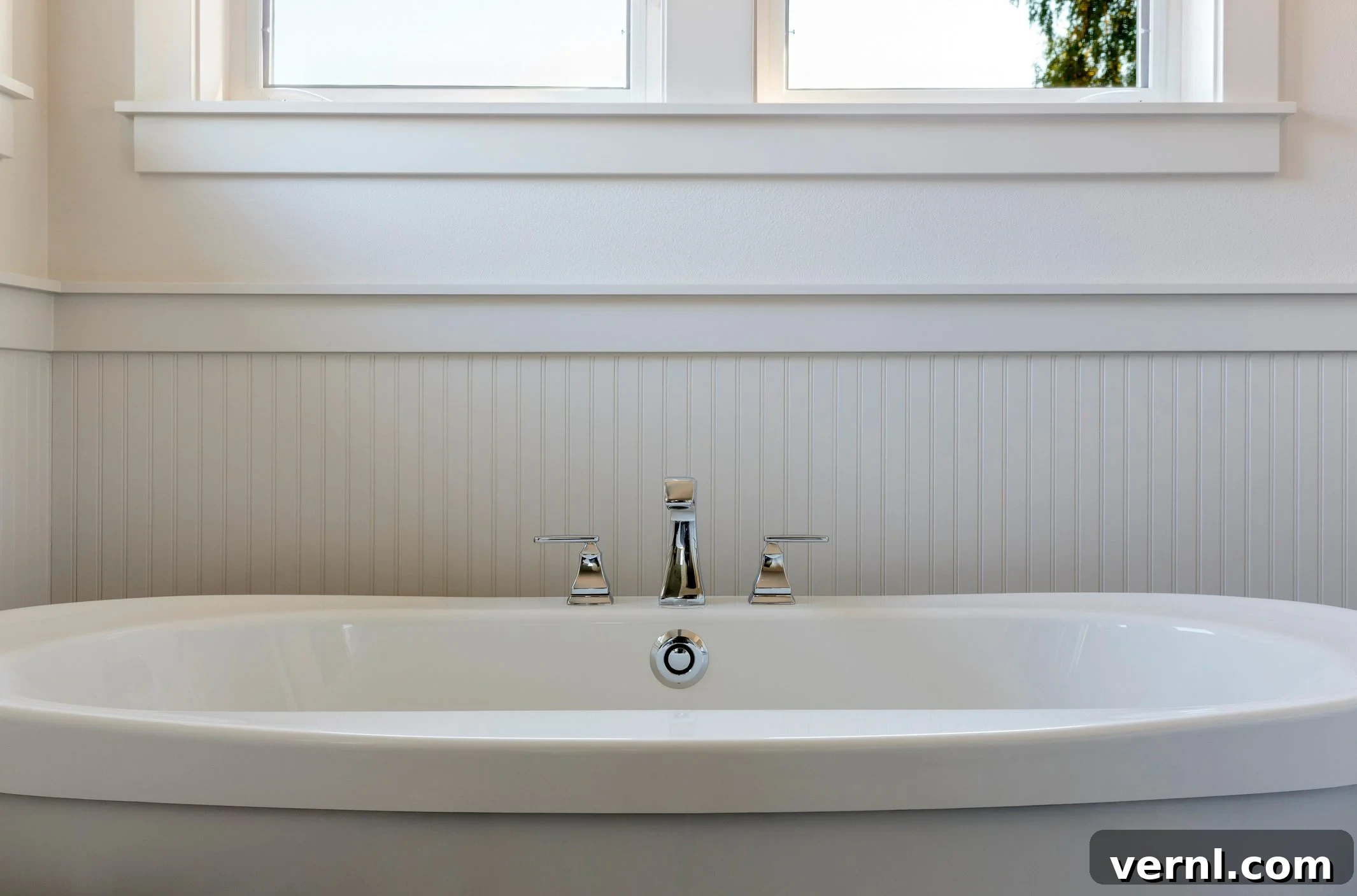
Beadboard in the Bathroom: A Comprehensive Guide to Choosing the Right Wall Paneling
Beadboard has long been revered as an undeniable classic in the realm of wall coverings, admired for its ability to infuse spaces with warmth, character, and a touch of timeless charm. Its distinctive vertical grooves, known as “beads,” create a visually appealing texture that has graced homes for generations, particularly popular in cottage, farmhouse, and traditional design aesthetics. This versatile paneling adds an instant sense of architectural interest and coziness to any room, often serving as a charming alternative to plain painted walls or wallpaper. But when it comes to the unique challenges of a bathroom environment – a space notorious for its fluctuating humidity and potential for water splashes – a common question arises: Is this beloved wall paneling truly suitable?
To shed light on its practical application, we turned to seasoned DIY enthusiast, Karee Blunt, for her firsthand experience. She shares, “When we bought our house nine years ago, it needed a major overhaul, including all three bathrooms. We chose to use beadboard in all of them, adhering to a classic rule of thirds and accenting with paint above the boarding. It was easy to install ourselves, and not only does it look fantastic, it has held up beautifully!” Karee’s successful installation highlights the potential for beadboard to be a fantastic and aesthetically pleasing choice, provided the right materials and installation techniques are employed. The “rule of thirds” she mentions is a classic design principle where the wall is divided into three sections, with the beadboard typically covering the bottom third, creating a wainscoting effect that adds visual balance and dimension.
For those new to this classic interior design element, beadboard is a specific type of wall paneling easily recognized by its series of milled vertical grooves, or “beads,” separated by flat panels. This intricate design adds significant depth and texture to a wall, transforming a plain surface into a focal point. The resulting aesthetic is often described as cozy, inviting, and inherently classic, making it a favorite for enhancing various rooms, and potentially, even your bathroom.
Beyond Traditional: Is All Beadboard Made of Wood? Understanding Modern Materials
The answer, emphatically, is no!
While the concept of beadboard certainly originated from solid wood or wood-based products, the market has evolved considerably to offer a wider array of materials. This innovation has significantly broadened the applicability of beadboard, particularly for environments prone to moisture and humidity, such as bathrooms. Understanding the different material options is crucial for making an informed decision about your bathroom renovation.
Traditional Wood and MDF Beadboard: Classic Appeal, Modern Challenges
- Authentic Aesthetics: For purists and those aiming for a genuine farmhouse, cottage, or traditional look, nothing quite compares to the natural grain and feel of authentic wood beadboard. Commonly crafted from species like pine, oak, or cedar, wood beadboard offers unmatched character and can be stained to highlight its natural beauty or painted to match any decor. The tactile warmth of real wood adds a unique depth to interiors.
- MDF Options: Medium-density fiberboard (MDF) beadboard is an engineered wood product made from wood fibers, resin, and wax, pressed into dense panels. It offers a smoother, more uniform finish than natural wood, making it ideal for painting. MDF is also generally more stable than solid wood, less prone to warping or cracking under normal conditions, and typically more affordable.
- Moisture Vulnerabilities: Despite their aesthetic appeal, both solid wood and standard MDF share a critical vulnerability: their inherent susceptibility to moisture. When exposed to damp conditions, wood can swell, warp, rot, and become a breeding ground for mold and mildew. MDF, in particular, can rapidly absorb water and expand, leading to irreversible damage such, as delamination and structural failure. This makes them less than ideal for high-humidity areas without significant protective measures and a rigorous maintenance schedule.
Modern Moisture-Resistant Alternatives: PVC and Vinyl Beadboard
For bathrooms, where moisture is an unavoidable factor, modern alternatives offer a robust solution:
- PVC Beadboard: Polyvinyl chloride (PVC) beadboard has emerged as a game-changer for moisture-prone areas. This synthetic material is inherently waterproof, meaning it will not absorb water, swell, warp, or rot, even in consistently damp environments. PVC beadboard is also highly resistant to mold, mildew, and common household chemicals, making it an excellent choice for bathrooms, basements, and laundry rooms. It’s lightweight, easy to cut and install, often comes pre-finished (eliminating the need for painting), and is exceptionally easy to clean with just soap and water. Its uniform finish provides a crisp, clean look perfect for painted applications.
- Vinyl Beadboard: Similar to PVC, vinyl beadboard offers exceptional water resistance and durability. It’s a versatile and robust material that stands up well to humidity and temperature fluctuations common in bathrooms. Vinyl options are often available in a wide range of colors and finishes, some even mimicking the look and texture of natural wood or painted beadboard, providing both aesthetic appeal and practical performance. Like PVC, it’s low maintenance, highly resistant to impact, and easy to install, making it a favored alternative for those seeking the beadboard aesthetic without the concerns associated with wood in wet areas. Vinyl beadboard is also usually very stable, resisting expansion and contraction.
The development of PVC and vinyl beadboard has revolutionized the use of this classic wall treatment, making it a viable and often superior option for the demanding conditions of a bathroom, ensuring longevity and ease of care without sacrificing style.
Can Beadboard Be Used in the Bathroom? Navigating Moisture Zones for Optimal Performance
The suitability of beadboard for your bathroom truly “depends” on several crucial factors: the specific material you choose, the actual moisture levels present in your bathroom, and your commitment to proper installation and ongoing maintenance. Understanding the different “zones” within a bathroom – from high-splash areas to relatively dry zones – is key to making an informed decision that balances aesthetics with functionality and durability.
Traditional Wood Beadboard: When and Where It Might Work (With Caveats)
While rich in character and offering an unparalleled authentic feel, traditional wood or standard MDF beadboard isn’t generally the ideal choice for full bathrooms with showers or bathtubs due to its inherent susceptibility to moisture damage. Exposure to steam, direct splashes, and high humidity can lead to a host of problems:
- Warping and Swelling: Wood fibers absorb moisture, causing panels to buckle, twist, and pull away from the wall, ruining the visual appeal and structural integrity.
- Rot and Deterioration: Prolonged dampness provides the perfect environment for wood rot, which can compromise the structural integrity of the paneling and potentially the wall behind it.
- Mold and Mildew Growth: Wood provides an organic food source for mold and mildew, which can thrive in humid bathroom environments, leading to unsightly black stains, musty odors, and potential health issues.
- Peeling Paint: Moisture can cause paint to lose adhesion, leading to bubbling, cracking, and peeling, requiring frequent touch-ups and repainting.
However, if your bathroom is a powder room or a half-bath (meaning it has a toilet and sink but no shower or tub), and therefore experiences significantly less moisture and steam, wood beadboard can be a beautiful and appropriate addition. Even in these less-humid spaces, it’s critical to:
- Seal the Wood Thoroughly: Apply a high-quality, moisture-resistant primer, followed by several coats of a durable, semi-gloss or satin finish paint specifically designed for bathrooms. Ensure all edges, seams, and cut ends are meticulously sealed to prevent any moisture ingress.
- Ensure Adequate Ventilation: A good exhaust fan is vital, even in powder rooms, to remove residual humidity generated by handwashing or general ambient moisture. Proper ventilation is the first line of defense against moisture-related issues.
- Commit to Regular Maintenance: Promptly wipe away any splashes, monitor for signs of moisture infiltration, and be prepared for periodic repainting or re-sealing every few years to maintain its protective barrier.
Even with these rigorous precautions, traditional wood beadboard is not a foolproof solution for any area that consistently gets wet or experiences high humidity for extended periods.
PVC and Vinyl Beadboard: The Optimal, Worry-Free Choice for Bathrooms
On the other hand, PVC and vinyl beadboard are unequivocally excellent choices for most bathroom applications, offering a worry-free solution. These materials are inherently resistant to moisture, making them exceptionally well-suited for wet environments. Their advantages in a bathroom setting are numerous:
- Waterproof Properties: They do not absorb water, which completely prevents swelling, warping, and rot, even when subjected to splashes or high humidity.
- Mold and Mildew Resistance: As synthetic, non-organic materials, they do not provide a food source for mold or mildew. This makes them highly hygienic and ideal for maintaining a clean, healthy bathroom environment.
- Durability and Longevity: PVC and vinyl are robust materials that can withstand the fluctuating temperatures and humidity levels of a bathroom, maintaining their appearance and structural integrity for many years with minimal maintenance. They are also resistant to impact, scratches, and fading.
- Ease of Cleaning: Their smooth, non-porous surfaces are exceptionally easy to wipe clean with a damp cloth and mild cleanser, making bathroom upkeep simple and efficient.
Despite their superior moisture resistance, it’s important to note that even these materials might not be the absolute best choice for a fully wet room, such as a walk-in shower where surfaces are subjected to constant, direct water spray for prolonged periods. While they are waterproof, the long-term integrity of the installation (e.g., adhesives, caulking at seams, and fasteners) in such extreme, constantly saturated conditions could eventually degrade. For true wet rooms or areas inside a shower enclosure, materials like solid surface panels, specific types of tiling, or specialized waterproof membranes designed for continuous water immersion are often preferred for maximum protection.
Expert Insights on Beadboard in Bathrooms: The Professional Perspective
Anthony Picazzo of Picazzo Painting Corp. shares valuable insights from his extensive professional experience: “Beadboards are versatile and are definitely great options for bathrooms. In fact, we’ve installed quite a lot of beadboards in bathrooms over the years. This is because beadboards are really affordable, but can be an elegant way to upgrade a bathroom’s look.” His perspective underscores the dual benefits of beadboard – its cost-effectiveness combined with its ability to dramatically enhance a bathroom’s aesthetic appeal.
Picazzo continues to emphasize a critical point regarding material selection: “Remember that in the tub/shower area of a bathroom, nothing short of materials that are impervious to moisture should be used. No matter how advanced today’s protective coatings technology is, dampness has never been a friend of paint and wood. If you plan on using beadboard in a damp area in your bathroom, you’ll need to use a moisture-resistant variety, such as PVC. PVC beadboards are inherently waterproof.” His advice reinforces the importance of using truly waterproof materials for high-splash zones, distinguishing between areas that experience occasional dampness and those that are consistently wet. For walls adjacent to but outside the direct shower spray, or in lower splash zones, PVC or vinyl beadboard offers an excellent combination of aesthetics, durability, and moisture resistance.
Installation and Maintenance Considerations for Longevity
Regardless of the beadboard material chosen, proper installation is paramount for its longevity and performance in a bathroom. Key steps include:
- Thorough Surface Preparation: Walls must be meticulously clean, dry, smooth, and free of any imperfections before installation. Any existing moisture issues should be resolved beforehand.
- Appropriate Adhesives and Fasteners: Use construction adhesives and fasteners specifically rated for high-moisture environments. For PVC/vinyl, solvent-based adhesives are often recommended.
- Sealing All Gaps: Carefully caulk all seams, edges, and joints (where the beadboard meets the floor, ceiling, trim, or other walls) with a high-quality, mildew-resistant silicone caulk. This creates a critical barrier against any water penetration.
- Effective Ventilation: Ensure your bathroom has an efficient and properly sized exhaust fan that is regularly used to extract steam and reduce overall humidity levels. This is crucial for *any* bathroom wall covering, but especially important for traditional wood options.
For ongoing maintenance, regular cleaning with mild, non-abrasive cleaners is usually sufficient for PVC and vinyl beadboard. For painted wood beadboard, occasional touch-ups of paint and caulk might be necessary, and constant vigilance against moisture infiltration is key to preserving its condition.
Beyond the Beadboard: Exploring Excellent Alternatives for Bathroom Walls
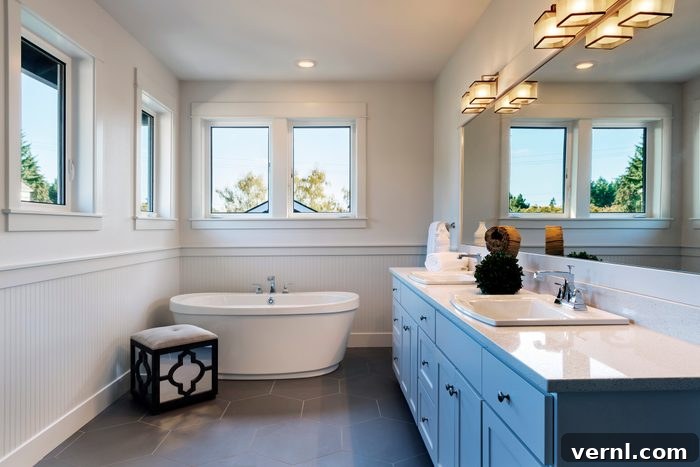
If your heart was initially set on the charming look of traditional wood beadboard but you’re now reconsidering due to its challenges with moisture, or if you’re simply exploring all your options for bathroom wall coverings, rest assured there are numerous excellent alternatives. These options can offer similar aesthetics or superior performance in wet conditions, ensuring your bathroom is both beautiful and functional for years to come.
1. Ceramic and Porcelain Tile with Beadboard Patterns
For a truly water-impervious solution that can beautifully mimic the beadboard look, consider ceramic or porcelain tile. These materials are inherently water-resistant, incredibly durable, and exceptionally easy to clean, making them ideal for any bathroom, including shower enclosures and full wet rooms. Modern manufacturing techniques allow for tiles that can be installed to create a vertical paneling effect, simulating the distinctive lines of beadboard. You can even find elongated subway tiles or specially designed relief tiles that directly replicate the beaded profile, adding texture and depth. The vast variety of colors, textures, and finishes in different types of tiles means you can achieve almost any desired aesthetic, from classic to contemporary, while enjoying superior moisture protection and a long lifespan.
- Pros: Extremely water-resistant and waterproof, highly durable, low maintenance, vast design options, long lifespan, excellent for high-splash areas.
- Cons: Can be more expensive and labor-intensive to install than paneling, grout lines require sealing and regular cleaning to prevent mildew.
2. Fiberglass and Acrylic Wall Panels
Fiberglass and acrylic wall panels are practical and highly effective alternatives, particularly for shower and tub surrounds. These seamless or near-seamless panels are specifically designed to withstand constant water exposure, offering excellent moisture resistance and preventing mold and mildew growth without grout lines. Many manufacturers offer these panels in designs that cleverly mimic the look of traditional beadboard or other wainscoting styles, giving you the aesthetic without the moisture concerns. They are typically easier and quicker to install than tile, and their smooth, non-porous surfaces are a breeze to clean, requiring minimal effort to maintain their pristine appearance.
Learning how to install bathroom wall panels can be a rewarding DIY project, offering a significant upgrade in both function and style for your bathroom space.
- Pros: Excellent water resistance, easy to clean, quick installation, often mimic beadboard look convincingly, highly durable for wet zones.
- Cons: Less customizable than tile in terms of patterns, can sometimes feel less “high-end” depending on the specific product and finish.
3. Vinyl Wall Panels (Beyond Beadboard Style)
Similar to PVC and vinyl beadboard, general vinyl wall panels offer outstanding moisture resistance and durability, making them another strong contender for bathroom applications. These versatile panels are available in a vast array of styles, including many that replicate the beadboard aesthetic with remarkable fidelity, as well as wood grains, stone textures, and abstract patterns. Vinyl panels are lightweight, easy to cut and install, and require minimal maintenance, making them ideal for DIY enthusiasts. They are a cost-effective solution that doesn’t compromise on performance in damp environments, offering a warm and inviting look without the worries associated with wood. Before you make a final decision, it’s worth checking out these inspiring half-wall paneling ideas for various materials, including how they can be used to define space and add character.
- Pros: High moisture resistance, affordable, easy to install and clean, many diverse design options including beadboard mimics, good impact resistance.
- Cons: Can be less rigid than other paneling materials, some lower-quality options may look less premium, can be susceptible to scratches or dents if not careful.
4. Paint with Moisture-Resistant Additives and Faux Paneling
While not a physical paneling, modern paint technology offers robust solutions for bathroom walls, especially if you love the idea of a half-wall design or wainscoting without installing physical panels. High-quality paints designed specifically for bathrooms contain mildewcides and offer superior moisture resistance, creating a durable, washable surface. You can use simple wood trim and molding strips to create a faux beadboard or wainscoting effect directly on your drywall, painting the lower section with a durable, semi-gloss or satin finish bathroom paint. This allows for complete customization of color and a simpler application process for a truly budget-friendly approach, offering significant design flexibility and ease of updating.
- Pros: Most affordable, unlimited color options, easy to repair and repaint, can create faux paneling with trim, allows for quick design changes.
- Cons: Not as durable as solid panels, requires more frequent cleaning and touch-ups, actual “beadboard” texture is absent without additional trim work.
Conclusion: Making an Informed Choice for Your Bathroom Beadboard or Wall Paneling
Beadboard, with its timeless charm and versatile appeal, certainly has a well-deserved place in modern bathroom design. The critical takeaway, however, lies unequivocally in the material selection. While traditional wood beadboard can be a beautiful choice for low-moisture areas like powder rooms or half-baths, it demands significant care, vigilant maintenance, and excellent ventilation to prevent costly moisture damage. For bathrooms with showers, bathtubs, and inherently higher humidity levels, the clear winners are the modern, moisture-resistant alternatives like PVC and vinyl beadboard.
These innovative synthetic options allow homeowners and designers to harness the classic aesthetic of beadboard without compromising on essential durability, hygiene, and ease of maintenance in demanding bathroom environments. Furthermore, excellent alternatives like ceramic tile, fiberglass, acrylic, and general vinyl panels provide even more choices, many of which can convincingly mimic the beloved beadboard look while offering superior waterproof performance. When considering beadboard or any wall covering for your bathroom, always thoroughly assess the specific moisture levels and direct water exposure of the area, carefully weigh the pros and cons of each material against your budget and desired aesthetic, and prioritize proper installation and robust ventilation. By making an informed choice, you can create a bathroom that is not only stunning and reflects your personal style but also stands the test of time and moisture for many years to come, offering both beauty and peace of mind.