Often, the sight of a buzzing insect sends a shiver down our spine, immediately conjuring thoughts of an unpleasant sting. Yet, beneath this initial apprehension lies a fascinating world of flying creatures, each playing a crucial role in our ecosystem. Bees and wasps, though frequently grouped together, are distinctly different insects, vital to the health of our planet in unique ways. Bees are celebrated for their indispensable contribution to global agriculture and biodiversity as primary pollinators. Wasps, often unfairly demonized, are also pivotal, particularly in natural pest control within gardens and agricultural landscapes. Understanding the nuanced differences in their appearance, behavior, and dietary habits is not just a matter of curiosity; it’s key to identifying whether you have a beneficial garden helper or a potentially aggressive visitor, enabling safer coexistence and informed appreciation.
This comprehensive guide aims to demystify the world of bees and wasps, offering clear distinctions to help you identify these busy insects in your backyard. From their physical attributes to their nesting preferences and ecological impact, we’ll explore what makes each group unique and why both deserve our respect and protection.
Distinguishing Features: Body Shape, Wings, and Legs
The most immediate way to tell a bee from a wasp is through their physical characteristics. A careful observation of their body structure, wing placement, and leg morphology can reveal significant clues, helping you confidently identify your buzzing garden visitors.
Body Shape: The Silhouette Speaks Volumes
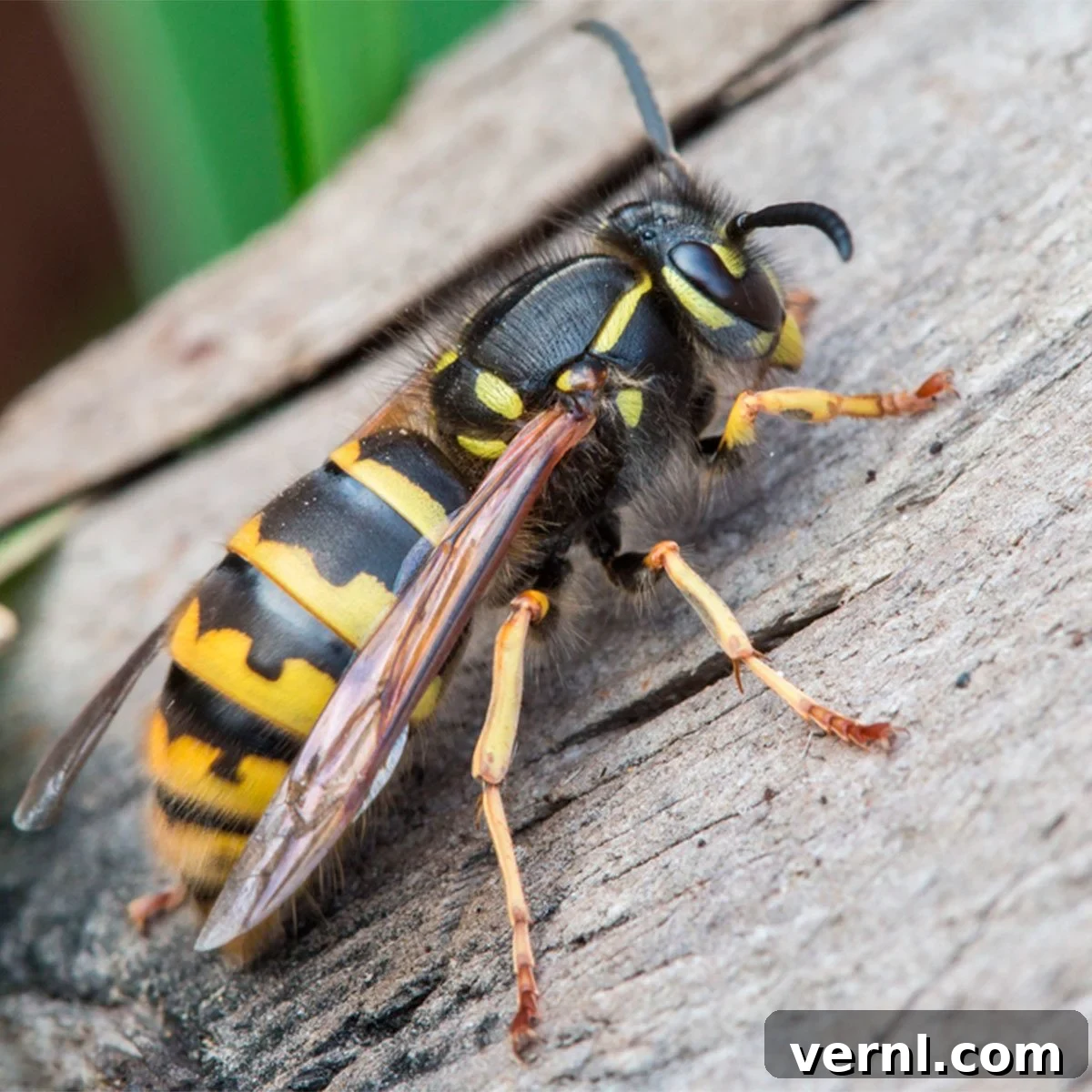
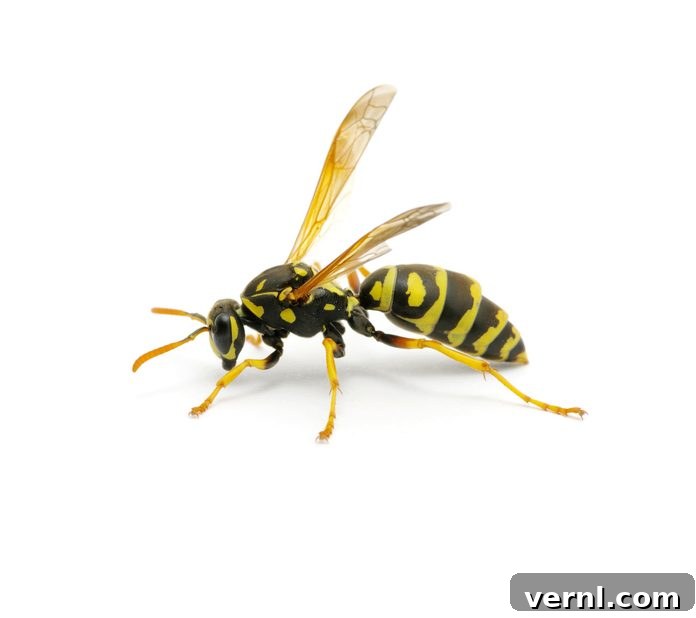
One of the most noticeable differences lies in their overall body shape. Wasps typically boast sleek, streamlined bodies characterized by a distinctly narrow waist, often referred to as a “petiole,” which creates a sharp division between their thorax and abdomen. This slender build allows for remarkable agility and flexibility, aiding them in both predatory pursuits and nest construction. Their bodies are generally smooth, with minimal hair, giving them a shiny, almost metallic appearance in some species.
In contrast, bees generally possess thicker, more robust, and rounded bodies. They often exhibit a fuzzy or hairy texture, particularly on their thorax and abdomen. This hairiness is not merely aesthetic; it’s a critical adaptation for pollen collection, enabling bees to efficiently gather and transport pollen grains between flowers. Many common bee species, such as honey bees and bumblebees, also display distinct stripes, usually in shades of black and yellow or black and orange, contributing to their recognizable, plump silhouette.
Wing Position: A Resting Posture Clue
Observing how these insects hold their wings when at rest provides another reliable identifier. Wasps typically have two sets of wings that, when folded down, run parallel to their abdomen. This arrangement keeps their wings neatly tucked along their body, maintaining their sleek profile.
Bees, on the other hand, also possess two sets of wings, but their resting position differs significantly. When folded, a bee’s wings usually rest flat on top of its thorax, the middle section of its body. In many species, particularly honey bees, these two pairs of wings hook together during flight, functioning as a single, more efficient airfoil. When at rest, they often appear slightly overlapping or stacked, creating a different visual impression than the wasp’s parallel wing fold.
Legs: Tools for Different Trades
Both bees and wasps are insects, meaning they share the fundamental characteristic of having six legs. However, the structure and function of these legs are remarkably adapted to their distinct lifestyles.
Bees typically feature short, bulky, and somewhat flattened legs. These robust limbs are perfectly designed for their primary task: collecting and transporting pollen. Female bees, especially honey bees and bumblebees, possess specialized structures on their hind legs known as “pollen baskets” or corbiculae. These are smooth, concave areas surrounded by stiff hairs, ideal for packing large loads of pollen back to the nest. Their hairy legs also play a role in grooming and manipulating pollen.
Wasps, conversely, are equipped with long, skinny legs that are often adorned with several spines. These legs are not designed for pollen collection. Instead, their spiny, agile limbs are adapted for grasping prey, navigating complex terrain, and assisting in nest construction, such as shaping mud or wood pulp. Their lean leg structure complements their overall slender physique, reflecting their predatory and scavenging tendencies.
Stinging Behavior and Survival
The ability to sting is perhaps the most universally recognized trait of both bees and wasps, yet there are crucial differences in how they sting and the consequences for the insect.
Do Bees Die When They Sting?
The answer to this question depends on the type of bee. The common perception that a bee dies after stinging primarily applies to the honey bee (Apis mellifera). A honey bee’s stinger is barbed, meaning it is designed to lodge firmly in the victim’s skin, especially mammals with thick skin. When the bee attempts to pull away, the stinger, along with part of its digestive tract, muscles, and nerves, is torn from its body, leading to the bee’s inevitable death. This is an evolutionary sacrifice made to defend the colony.
However, it is vital to remember that not all bees share this fate. Other bee species, such as bumblebees and most solitary bees, possess smooth stingers. This design allows them to withdraw their stinger easily and sting multiple times without dying. They typically only sting when severely provoked or if their nest is directly threatened.
Wasps: The Repeat Stinger
In stark contrast to the honey bee, wasps, including species like yellowjackets, hornets, and paper wasps, all have smooth stingers. This anatomical feature enables them to sting repeatedly without harming themselves. Their stinger is primarily a defensive weapon and, for predatory wasps, a tool to paralyze prey. This capability, combined with their sometimes more aggressive territorial behavior, often contributes to the fear and negative reputation wasps endure.
Ecological Roles: Pollination and Pest Control
While often feared, both bees and wasps play incredibly vital and distinct roles in maintaining the health and balance of our natural ecosystems.
Bees: The Indispensable Pollinators
Bees are undoubtedly our planet’s most efficient and important pollinators. As they forage for nectar and pollen, they inadvertently transfer pollen grains from one flower to another, enabling plants to reproduce. This process is critical for the production of fruits, vegetables, and nuts that form the backbone of human agriculture and natural food chains. Honeybees, in particular, are responsible for pollinating a vast array of crops, contributing billions to the global economy. Their hairy bodies and specialized pollen baskets are perfectly adapted for this task.
However, the global populations of honey bees and other wild pollinators are facing a severe and alarming decline. As Joyce Corbett of Classic Courtyards rightly points out, this decline is “a combination of factors that humans have created to cause bee populations to decline.” These factors include the relentless reduction of their natural habitats and crucial food supplies due to urban sprawl and intensive agriculture, the widespread use of chemical pesticides that directly harm bees, and the increasing global temperatures and altered weather patterns associated with climate change. The ramifications of this decline extend far beyond simply having less honey; they threaten food security, biodiversity, and the health of entire ecosystems.
Beyond honey bees, it’s crucial to acknowledge the immense contribution of native and solitary bees, such as mason bees, leafcutter bees, and various species of bumblebees. These bees often specialize in pollinating specific native plants and crops, playing an equally critical, though often less recognized, role in local ecosystems.
Do Wasps Pollinate Plants? An Incidental Role
While not as efficient or specialized as bees, wasps do contribute to pollination, albeit incidentally. Like bees, many wasp species will visit backyard blooms to sip on sweet nectar, which serves as an important energy source for adult wasps. As they move from flower to flower, some pollen grains can inadvertently cling to their bodies and be transferred. However, because wasps lack the dense, specialized hairs and pollen-collecting structures that bees possess, they are significantly less effective at pollen transport. Their primary ecological role lies elsewhere.
Dietary Habits and Foraging Strategies
The differences in what bees and wasps eat fundamentally shape their behavior and their interactions with humans.
Bees: Strict Vegetarians
Bees are strict vegetarians. Their diet consists exclusively of nectar, which provides carbohydrates for energy, and pollen, which supplies essential proteins, vitamins, and minerals for growth and development, especially for their larvae. Bees spend the majority of their lives foraging at flowers, diligently collecting these vital resources. As such, they are generally docile and non-aggressive unless their hive is directly threatened or they feel personally attacked. “If you don’t bother them, they won’t bother you,” is a common and accurate adage regarding bees.
Wasps: Predators and Scavengers
Wasps, by contrast, are far more diverse in their dietary habits. Many wasp species are formidable predators, constantly on the hunt for other insects, spiders, and even caterpillars to feed their developing larvae. This predatory behavior makes them incredibly valuable natural pest controllers in gardens and agricultural settings, helping to keep populations of harmful insects in check.
Beyond predation, many social wasps, such as yellowjackets and hornets, are also opportunistic scavengers. They are attracted to sugary substances, including ripe fruit, spilled sodas, and human food at outdoor gatherings. This scavenging behavior is particularly pronounced in late summer when their natural prey sources begin to dwindle, and their colonies reach peak size, driving them to seek alternative food sources. This is often why wasps get “blamed” for aggressive and annoying tactics at picnics and barbecues – they are simply trying to find their next meal.
Aggression Levels and Defensive Posturing
The perception of bees and wasps as aggressive is often skewed, and understanding their true temperaments is key to avoiding stings.
Bees: Generally Docile Defenders
“Bumblebees and honey bees don’t bother you unless you step on them or sit on them,” explains Joyce Corbett, highlighting their typically docile nature. Bees are generally not aggressive. They sting primarily as a defensive mechanism to protect themselves or their colony from a perceived threat. Unless their nest is disturbed, or they are accidentally squashed, most bees will go about their business without interacting negatively with humans. Their stings are typically a last resort.
Wasps: Fierce Protectors and Persistent Foragers
Wasps, particularly social species like yellowjackets and hornets, tend to be significantly more aggressive, especially when their nests are threatened or when they are actively foraging for food. “Wasps and yellow jackets are brutally aggressive when protecting their nests and can sting multiple times,” notes Corbett. Disturbing a wasp nest, even unintentionally, can provoke a swift and stinging response from multiple individuals. Furthermore, their persistent scavenging behavior around human food sources can lead to conflicts, as they may sting if they feel their meal is being contested or if they become trapped.
Habitat and Nesting Habits: Architects of the Insect World
The way bees and wasps construct their nests and choose their living spaces offers further distinguishing characteristics, revealing their diverse strategies for survival and reproduction.
Bee Nests: From Complex Hives to Solitary Burrows
Bee nesting habits are incredibly varied. Honey bees, the most well-known social bees, live in large, perennial colonies that can house tens of thousands of individuals. They construct intricate nests of hexagonal wax combs within sheltered cavities, such as hollow trees, rock crevices, or man-made hives. These nests serve as nurseries for their young, storage for honey and pollen, and a central hub for the entire colony.
Bumblebees, another social bee, build smaller, annual colonies, often in abandoned rodent burrows underground, in dense grass, or under sheds. Their nests are simpler, consisting of wax pots for honey and pollen, and brood cells for larvae.
The vast majority of bee species, however, are solitary bees. These bees do not live in colonies with queens and workers. Instead, individual females construct their own nests, provision them with pollen and nectar, lay an egg, and then seal the cell. These nests can be found in a variety of places:
- Ground nesters: Many solitary bees excavate tunnels in the soil.
- Cavity nesters: Others utilize pre-existing tunnels in wood, hollow plant stems, or artificial bee hotels. Leafcutter bees, for example, line their tubular nests with neatly cut leaf pieces.
Solitary bees are generally non-aggressive and rarely sting, making them valuable and welcome additions to any garden.
Wasp Nests: Papery Dwellings and Muddy Tubes
Wasp nesting habits are equally diverse, ranging from elaborate social structures to simple, solitary constructions.
Social wasps, like paper wasps, construct umbrella-shaped, open-celled nests made from a papery material derived from chewed wood pulp mixed with saliva. These nests are typically found hanging from eaves, tree branches, or within dense vegetation. The exposed cells allow for easy access and temperature regulation.
Yellowjackets and hornets, also social wasps, build enclosed nests, often in protected cavities. Yellowjackets frequently nest underground in old rodent burrows, but can also be found in wall voids, attics, or hollow logs. Hornets build large, spherical nests, often in trees or shrubs, enclosed in multiple layers of papery material with a single entrance hole.
Solitary wasps exhibit an even wider array of nesting behaviors:
- Mud daubers: These wasps construct distinctive tube-like nests made from mud, often found on walls or under eaves. Each tube contains paralyzed spiders provisioned for a single larva.
- Cicada killers: These large solitary wasps dig extensive burrows in the ground to provision their larvae with paralyzed cicadas.
Like solitary bees, solitary wasps are generally not aggressive towards humans, focusing solely on their hunting and nesting activities.
Lifecycle Differences: Annual Colonies vs. Perennial Societies
While both bees and wasps undergo complete metamorphosis (egg, larva, pupa, adult), their social structures and colony lifecycles present significant differences, especially between social species.
Bee Lifecycles: The Endurance of the Honey Bee
The most striking example of a perennial lifecycle among bees is the honey bee. A honey bee colony is a year-round entity, with a queen continuously laying eggs, and workers maintaining the hive through winter. They store honey as a food source to sustain the colony during colder months, allowing it to survive and thrive for multiple years. This perennial nature requires sophisticated social organization and extensive food storage.
Bumblebee colonies, in contrast, are annual. Only the fertilized queen overwinters, typically hibernating in the soil. In spring, she emerges to establish a new nest, laying eggs and raising the first generation of workers. The colony grows throughout the summer, producing new queens and males in late summer. As winter approaches, the original queen, workers, and males die off, leaving only the newly fertilized queens to begin the cycle anew.
Solitary bees have an even simpler lifecycle. After provisioning her nest cells, the female bee dies, and her offspring develop independently, emerging the following season to continue the cycle.
Wasp Lifecycles: The Annual Renewal
Similar to bumblebees, most social wasp colonies (paper wasps, yellowjackets, hornets) are annual. Only the fertilized queen overwinters, usually in a sheltered location like under bark or in a wall void. In spring, she emerges to build a small starter nest and lay the first eggs. These develop into sterile female workers who then take over the tasks of foraging, nest expansion, and caring for subsequent generations of larvae. The colony grows throughout the summer, reaching its peak size in late summer or early fall. At this point, the queen starts producing new queens and males. As temperatures drop and food becomes scarce, the old queen, workers, and males die off, and the newly fertilized queens seek overwintering sites to restart the cycle the following spring.
Solitary wasps, like solitary bees, have a simple annual lifecycle where the adult female provisions her nest, lays eggs, and then dies, with the offspring developing through the winter to emerge as adults the next year.
FAQ: Common Questions About Bees and Wasps
Why do wasps seem more active in late summer?
Wasp populations reach their peak size in late summer, with large numbers of workers needing to be fed. Simultaneously, their natural food sources, such as caterpillars and other insect larvae, begin to dwindle. This combination drives wasps to seek out alternative food sources, making them more noticeable to humans as they scavenge for sugary foods at outdoor parties, picnics, and around fruit trees. Their increased numbers and intensified foraging efforts contribute to their perceived heightened activity and aggression during this period.
Are wasps useful or just pests?
Wasps are far from “just pests”; they are incredibly useful and play a critical role in maintaining ecological balance. As primary predators of other insects, they help to control populations of unwanted garden pests like aphids, caterpillars, and grubs, reducing the need for chemical pesticides. This natural pest control benefit is invaluable for agriculture and home gardens. Additionally, as noted, many wasps also contribute to incidental pollination when they visit flowers for nectar. Understanding their beneficial roles encourages a more tolerant and appreciative view of these often-maligned insects.
How can I attract beneficial bees to my garden?
Attracting bees and other pollinators to your garden is a rewarding endeavor that supports local ecosystems. You can do this by planting a diverse array of native, nectar- and pollen-rich flowers that bloom throughout the seasons. Provide a shallow water source, like a bird bath with pebbles for landing, and create nesting opportunities such as undisturbed patches of bare soil for ground-nesting bees or bee hotels for cavity-nesting species. Avoid using pesticides, especially broad-spectrum varieties, which can harm beneficial insects.
How can I deter wasps from my outdoor gatherings?
To enjoy outdoor events without unwelcome wasp visitors, cover food and drinks promptly. Avoid leaving sweet beverages or sugary foods exposed. You can also try placing “decoy” wasp nests in visible areas; wasps are territorial and may avoid areas they perceive as already occupied. Traps can be used as a last resort, but they are generally less effective than prevention. Keeping trash cans sealed and cleaning up spills immediately will also help reduce their attraction.
What should I do if I find a bee or wasp nest?
Your approach should depend on the type of insect and the nest’s location. For honey bee swarms or nests, it’s best to contact a local beekeeper or bee removal specialist; they can safely relocate the bees. For bumblebee nests, which are generally docile and temporary, it’s often best to leave them undisturbed if they are not in a high-traffic area. For wasp nests, especially those of aggressive species like yellowjackets near human activity, professional pest control is recommended for safe removal. If the nest is in an isolated area and poses no threat, consider leaving it, as wasps play an important ecological role.
Are all bees and wasps dangerous?
No, not all bees and wasps are dangerous. The vast majority of bee and wasp species, particularly solitary ones, are non-aggressive and will only sting if directly threatened or handled. Many are incredibly beneficial for pollination and pest control and pose no significant risk to humans. It’s typically only social species, like honey bees (when defending their hive) and some social wasps (like yellowjackets and hornets), that are more prone to defensive stinging when their nests are disturbed or they are agitated while foraging.
About the Expert
- Joyce Corbett is the esteemed owner of Classic Courtyards, a prominent landscaping design and installation company based in West Springfield, Massachusetts. With an impressive career spanning over forty years, Joyce brings a wealth of knowledge and practical experience to the field of landscape architecture and garden management, including a deep understanding of garden ecosystems and the creatures that inhabit them.