
Understanding and Managing Brake Dust: A Comprehensive Guide for Vehicle Owners
For decades, asbestos was widely utilized in automotive braking systems. Valued for its exceptional heat resistance and affordability, it served as a primary friction material in brake pads and shoes. However, this seemingly beneficial mineral was later unequivocally identified as a known human carcinogen, capable of causing severe respiratory diseases, including mesothelioma and asbestosis.
By the 1980s, the automotive industry began to acknowledge these grave health risks. Leading vehicle manufacturers phased out the use of asbestos in original equipment brake components. Despite this progress, a significant loophole persists in safety regulations. It remains legal in many regions to import, sell, or install aftermarket brake pads, shoes, and other car parts that still contain asbestos. This regulatory gap means that vehicles, even modern ones, can inadvertently be fitted with hazardous asbestos-containing components, posing ongoing risks to mechanics, vehicle owners, and the environment.
The quest for safer braking materials led to the development of several composite substances that offer effective, asbestos-free friction. While these modern alternatives have largely eliminated the asbestos risk in new vehicles, most still produce a common and often overlooked byproduct: brake dust. This fine particulate matter, while free from asbestos, presents its own set of challenges, ranging from aesthetic concerns to potential damage to vehicle components and even health implications. Understanding its origins, composition, and impact is crucial for proper vehicle maintenance and owner safety.
What Causes Brake Dust? The Mechanics Behind the Mess
Brake dust is an inevitable and normal byproduct of the braking process. It originates from the friction generated when various components of your vehicle’s braking system engage to slow or stop your car. Primarily, this dust is created by the constant wear of brake pads and brake shoes against the metallic surfaces of cast-iron brake rotors (in disc brake systems) or brake drums (in drum brake systems).
When you press the brake pedal, hydraulic pressure forces the brake pads or shoes to clamp down on the rotating rotors or expand against the drums. This action creates immense friction, which converts the kinetic energy of the moving vehicle into heat. Over time, this intense friction and heat cause microscopic fragments of both the friction material (from pads/shoes) and the metal (from rotors/drums) to wear away. These minute particles are then released into the air and accumulate on your wheels, calipers, and surrounding areas as brake dust.
Composition of Brake Dust: A Mix of Materials
The exact composition of brake dust can vary significantly, depending on the type of brake pads and rotors installed on your vehicle. Modern brake pads are typically categorized into a few main types, each utilizing different materials that contribute to the unique characteristics of the dust they produce:
- Metallic and Semi-Metallic Compounds: These pads contain a significant amount of metal fibers, such as iron, steel, copper, or brass, mixed with other fillers and binding resins. The dust from these pads often has a high iron content, giving it a characteristic rusty-reddish color. They are known for excellent stopping power and heat dissipation, but can be noisy and produce a substantial amount of dust.
- Non-Asbestos Organic (NAO) Compounds: These pads are made from a blend of organic materials like glass, rubber, carbon, and Kevlar, bonded with resins. While often quieter and producing less abrasive dust than metallic pads, NAO dust can still contain various compounds, sometimes including heavier metals from the friction process. Their dust tends to be darker, often blackish-gray.
- Ceramic Compounds: Considered a premium option, ceramic pads are composed of ceramic fibers, non-ferrous filler materials, and binding agents. They are engineered to produce very little dust, and what dust they do create is typically light in color, finer, and less adhesive. Ceramic pads are also known for their quiet operation and excellent performance across various temperatures, though they are generally more expensive.
Regardless of the specific materials, the fundamental cause of brake dust remains the same: the continuous friction and wear of components that are essential for bringing your vehicle safely to a halt. This constant abrasive interaction ensures that brake dust will always be a factor in vehicle maintenance.
What Does Brake Dust Look Like? Identifying the Residue
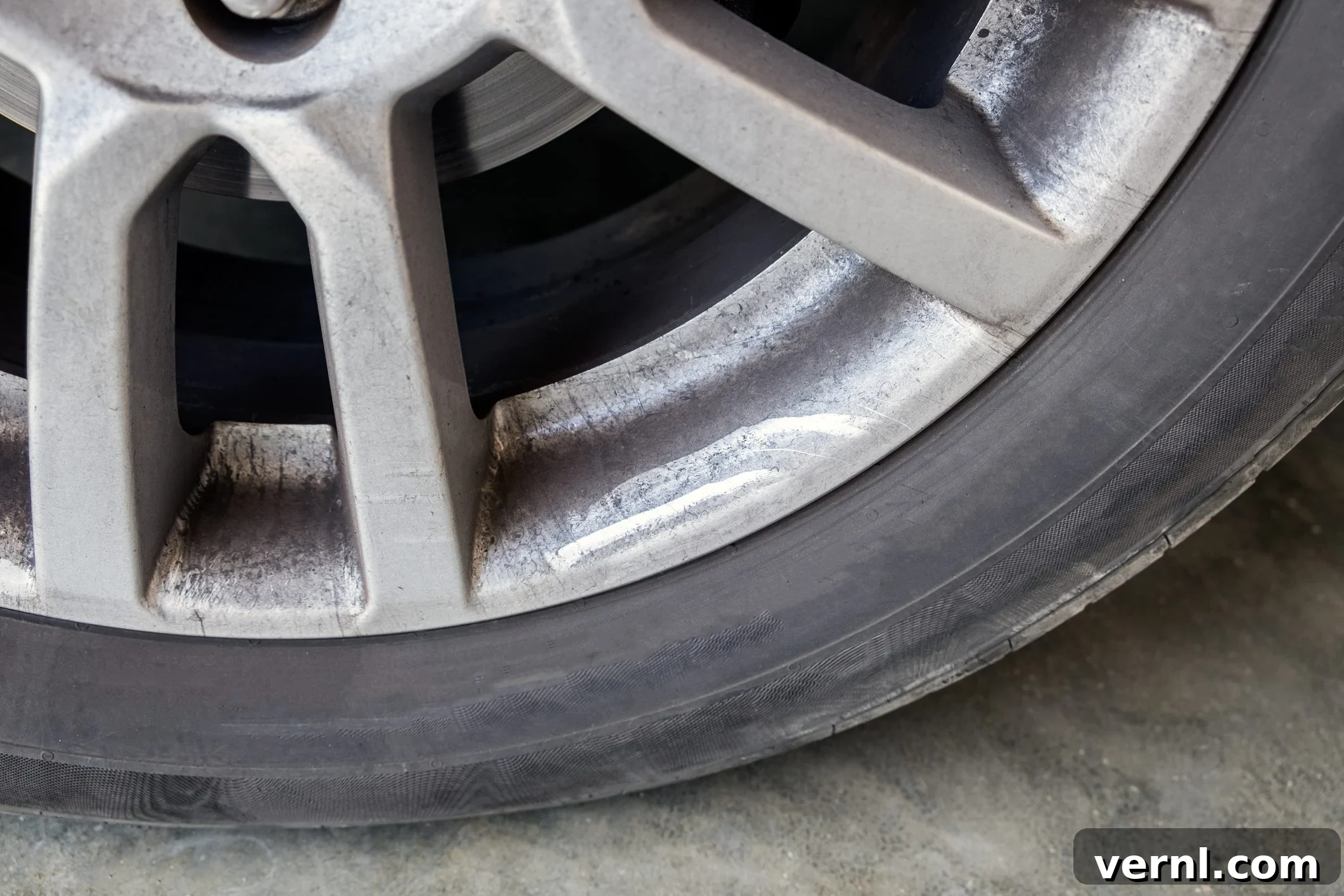
Brake dust is a ubiquitous sight on most vehicles, particularly on the front wheels. Its appearance can offer clues about the type of braking materials used and the extent of wear. Typically, brake dust manifests as a fine, particulate film that adheres to your wheels, calipers, and sometimes even extends to the lower body panels of your car.
Color Variations and Their Meaning
- Blackish-Grayish Dust: This darker coloration is most commonly associated with high-performing, non-metallic Non-Asbestos Organic (NAO) compounds or some ceramic brake pads. The dark hue comes from carbon and other organic materials within the pad. While less abrasive than metallic dust, it can still be stubborn to remove and unsightly.
- Reddish or Rusty-Red Dust: If you notice a reddish or rusty film on your wheels, it’s a strong indicator that your brake pads are metallic or semi-metallic. The iron particles present in these friction materials, when abraded from the pads and rotors, oxidize upon exposure to air and moisture, resulting in a rust-like appearance. This type of dust is particularly corrosive due to its metallic content.
Texture and Consistency
Beyond color, brake dust usually has a very fine, almost talc-like consistency when dry. However, its interaction with moisture and the wheel’s surface can alter this perception. On highly polished, chrome, or clear-coated wheels, brake dust can feel surprisingly slick or almost like a liquid if you attempt to wipe it off with your finger. This deceptive texture is due to the minute particles clinging to the smooth surface. It’s imperative not to attempt wiping it away with a dry finger or cloth. Doing so will inevitably scratch the delicate finish of your wheels, embedding the abrasive particles deeper into the clear coat and causing permanent damage. Instead, always use appropriate cleaning methods as described below to safely remove this persistent grime.
Is Brake Dust Harmful? Understanding the Risks
Absolutely. While often considered merely an aesthetic nuisance, brake dust, regardless of its composition, poses significant risks to human health, vehicle integrity, and the environment. The dangers range from the immediate threat of asbestos exposure to the long-term impact of fine particulate matter and corrosive substances.
The Persistent Threat of Asbestos
Despite being a known health risk factor and a potent carcinogen, asbestos remains not a universally banned substance. This regulatory loophole means that aftermarket brake parts containing asbestos are still legally sold and installed in many parts of the world. There is no safe level of asbestos exposure; even minimal inhalation of its microscopic fibers can lead to severe and often fatal diseases, including asbestosis, lung cancer, and mesothelioma, which can manifest decades after initial exposure.
The World Health Organization (WHO) highlights the global scale of this problem, stating that “about 125 million people in the world are exposed to asbestos at the workplace.” This includes automotive mechanics and individuals who regularly handle or are in close proximity to older braking systems. When asbestos-containing brakes wear, they release invisible fibers into the air, which can be easily inhaled, posing a direct and severe health hazard.
Health Risks of Non-Asbestos Brake Dust
Even brake dust from modern, asbestos-free components is not benign. Studies show that Non-Asbestos Organic (NAO) and metallic-based brake dust, laden with heavy metals (like copper, iron, zinc, and lead) and fine particulate matter, can damage human cells and contribute significantly to air pollution. Inhaling these fine particles can lead to a range of adverse health effects:
- Respiratory Issues: Microscopic brake dust particles, similar to other forms of fine particulate matter (PM2.5), can penetrate deep into the lungs, exacerbating conditions like asthma, bronchitis, and other respiratory illnesses. Long-term exposure can lead to chronic lung inflammation and reduced lung function.
- Cardiovascular Problems: Research increasingly links exposure to airborne particulate matter to cardiovascular issues, including increased risk of heart attacks, strokes, and other heart diseases. The inflammatory response triggered by inhaled particles can affect the entire circulatory system.
- Systemic Inflammation: Heavy metals and other compounds in brake dust can induce oxidative stress and inflammation throughout the body, potentially contributing to a variety of chronic diseases.
Environmental Impact
Beyond human health, brake dust is a significant environmental pollutant. It contributes to:
- Air Pollution: As a component of airborne particulate matter, brake dust degrades air quality, particularly in urban areas with high traffic density. These particles can travel long distances, impacting wider ecosystems.
- Water and Soil Contamination: Rain washes brake dust from roads and vehicle surfaces into storm drains, eventually reaching rivers, lakes, and oceans. The heavy metals in the dust can accumulate in aquatic environments and soil, harming plant and animal life, and entering the food chain.
Given these pervasive risks, managing and minimizing brake dust is not just about keeping your wheels clean; it’s a crucial aspect of protecting public health and the environment.
Brake Dust Cleaning: Protecting Your Wheels and Brakes
Regularly cleaning brake dust from your wheels is not merely about aesthetics; it’s a vital preventative maintenance task that protects your vehicle’s appearance, performance, and longevity. The corrosive nature of brake dust, especially from metallic or semi-metallic pads, means that neglecting it can lead to irreversible damage.
Understanding the Damage Caused by Accumulated Brake Dust
Metallic compounds and other composites within brake dust are highly abrasive and harsh corrosives. If allowed to accumulate, especially when exposed to moisture and road salts, they can cause significant damage:
- Wheel Damage: Brake dust can quickly tarnish and discolor painted, polished, clear-coated, or chrome wheels. Over time, these corrosive particles can permanently etch steel, alloy, aluminum, or composite wheels, creating tiny pits and rough spots that are impossible to remove without professional refinishing. This damage degrades the wheel’s protective layers, making it more susceptible to further corrosion.
- Brake Component Corrosion: The metallic particles in brake dust can also pit brake rotors and cause brake drums and associated hardware to rust prematurely. This corrosion on braking surfaces can lead to reduced braking performance, uneven pad wear, and increased noise such as squeaking or grinding from brake pads or shoes.
- Compromised Wheel Removal: When brake dust mixes with rainwater, road salts, and other road contaminants, it can accelerate the corrosion of wheel stud threads. This corrosion can make it extremely difficult, if not impossible to remove lug nuts when you need to change a flat tire, potentially leaving you stranded.
- Reduced Braking Performance: Accumulation of rust and debris can interfere with the smooth operation of braking components, potentially leading to damaged or warped disc brake rotors. More critically, the metal rust in brake dust can damage sensitive wheel speed sensors. These sensors are critical for proper anti-lock brake system (ABS) operation and traction control, meaning severe accumulation could compromise safety features.
Effective Brake Dust Cleaning Techniques
To safely and effectively clean brake dust, follow these steps:
- Ensure Wheels Are Cool: Always clean your wheels when they are cool to the touch. Hot wheels can cause cleaning products to evaporate too quickly, leaving streaks or even damaging the finish.
- Pre-Rinse Thoroughly: Use a strong stream of clean water to rinse off loose dirt and brake dust. This helps prevent scratching during the washing phase.
- Choose the Right Cleaner: Select an appropriate brake dust cleaner for your specific wheel type and finish. For most wheels, a pH-neutral, acid-free wheel cleaner is the safest option. Avoid harsh, acidic cleaners, which can strip protective coatings and corrode wheel materials, especially on polished aluminum or chrome.
- Apply Cleaner: Spray the wheel cleaner evenly over the entire wheel surface, including the spokes and inside the barrel if accessible. Allow it to dwell for the time recommended by the manufacturer, typically a few minutes, allowing it to penetrate and loosen the dust.
- Agitate Gently: Use dedicated cleaning tools like soft-bristle brushes (for the face of the wheel), wheel woolies (for reaching inside the barrel), and lug nut brushes (for intricate areas) to gently agitate the cleaner and dislodge stubborn brake dust. Always use separate tools for wheels than you use for your car’s paint to prevent cross-contamination.
- Rinse Completely: Rinse the wheels thoroughly with plenty of clean water, ensuring all traces of the cleaner and loosened dust are flushed away. Residue from cleaners can leave spots or damage the finish if not fully rinsed.
- Dry Promptly: Dry the wheels immediately using a clean microfiber towel to prevent water spots. For an extra layer of protection and shine, you can follow up with a wheel sealant or wax.
Consistent and correct cleaning practices are key to preserving the appearance and structural integrity of your wheels and the optimal functionality of your braking system.
How To Prevent Brake Dust: Proactive Strategies for Cleaner Wheels and Safer Brakes
While brakes will always produce some level of dust as a natural consequence of friction and wear, there are several effective strategies you can employ to significantly limit brake dust buildup and mitigate its negative impacts. These methods range from simple protective applications to more advanced braking system upgrades.
1. Apply a DIY Brake Dust Repellent/Sealant
One of the most accessible and cost-effective methods to combat brake dust accumulation is to apply a specialized protective coating to your wheels. Products like a brake dust repellent or wheel sealant create a hydrophobic barrier on the wheel surface. This invisible layer makes the surface slicker, preventing brake dust, dirt, road grime, and other contaminants from sticking and bonding aggressively.
- How it Works: These sealants typically contain polymers or waxes that fill in microscopic pores on the wheel’s surface, creating a smooth, non-porous finish. This repels water and makes it harder for dust particles to adhere, causing them to simply rinse off more easily during washing.
- Benefits: Regular application (typically every few months) prevents corrosion, makes subsequent cleaning significantly easier and faster, and helps maintain the aesthetic appeal of your wheels for longer.
2. Professional Ceramic Coating for Wheels
For a more durable and long-lasting solution, consider having a professional apply an advanced clear, permanent ceramic coating to your wheels. This is a higher-tech, more robust form of protection compared to traditional sealants.
- How it Works: Automotive ceramic coatings are liquid polymers that chemically bond with the factory paint or clear coat on your wheels. Once cured, they form a hard, sacrificial layer that is incredibly resistant to chemicals, UV rays, and etching.
- Benefits: This high-tech finish creates a superior protective barrier that actively repels brake dust, tar, road salts, and other contaminants. Brake dust finds it very difficult to bond to the slick ceramic surface, making wheels dramatically easier to clean—often requiring just a simple rinse and mild soap. Ceramic coatings offer years of protection, reduce the need for harsh wheel cleaners, and maintain a pristine appearance.
3. Install Ceramic Brake Pads
Perhaps the most effective way to address brake dust at its source is by upgrading your brake pads to ceramic compounds. While generally more costly than traditional semi-metallic or organic pads, ceramic brake pads offer significant advantages:
- Reduced Dust Production: Ceramic pads are specifically engineered to produce very little brake dust. The dust they do create is typically lighter in color and finer in texture, making it less noticeable and less adhesive than the dark, corrosive dust from metallic pads.
- Quiet Operation: Ceramic pads are renowned for their quiet performance, virtually eliminating the squealing and grinding noises often associated with metallic pads.
- Excellent Stopping Power: They provide consistent and effective stopping power across a wide range of temperatures, often surpassing other pad types in certain conditions.
- Durability: Ceramic pads tend to last longer than organic pads and can withstand higher temperatures without fade, contributing to their overall value despite the higher initial cost.
- Consideration: Check with your mechanic or dealer to determine if your vehicle’s braking system is compatible with ceramic brake pads and if your driving style would benefit from this type of friction material. While suitable for most daily drivers, some high-performance vehicles designed for aggressive track use might require specific metallic compounds for optimal performance under extreme conditions.
4. Adopt Smoother Driving Habits
While less about specific products, your driving style significantly influences brake wear and, consequently, brake dust production. Aggressive driving, characterized by late and hard braking, generates more heat and friction, leading to faster pad and rotor wear and thus more dust. Adopting smoother driving habits, anticipating stops, and gentle, progressive braking can significantly extend the life of your brake components and reduce the amount of dust generated.
5. Regular Brake System Inspections
Finally, ensuring your entire braking system is in optimal condition can indirectly help manage brake dust. Regularly scheduled professional inspections can identify issues like warped rotors, sticky calipers, or worn-out components that might contribute to abnormal wear and excessive dust production. Addressing these issues promptly not only reduces dust but also ensures your vehicle’s braking safety.
By implementing a combination of these proactive measures, you can dramatically reduce the unsightly and damaging effects of brake dust, preserving the beauty of your wheels, extending the life of your braking components, and contributing to a healthier environment.