Navigating the Labyrinth: Understanding America’s Persistent Housing Affordability Crisis
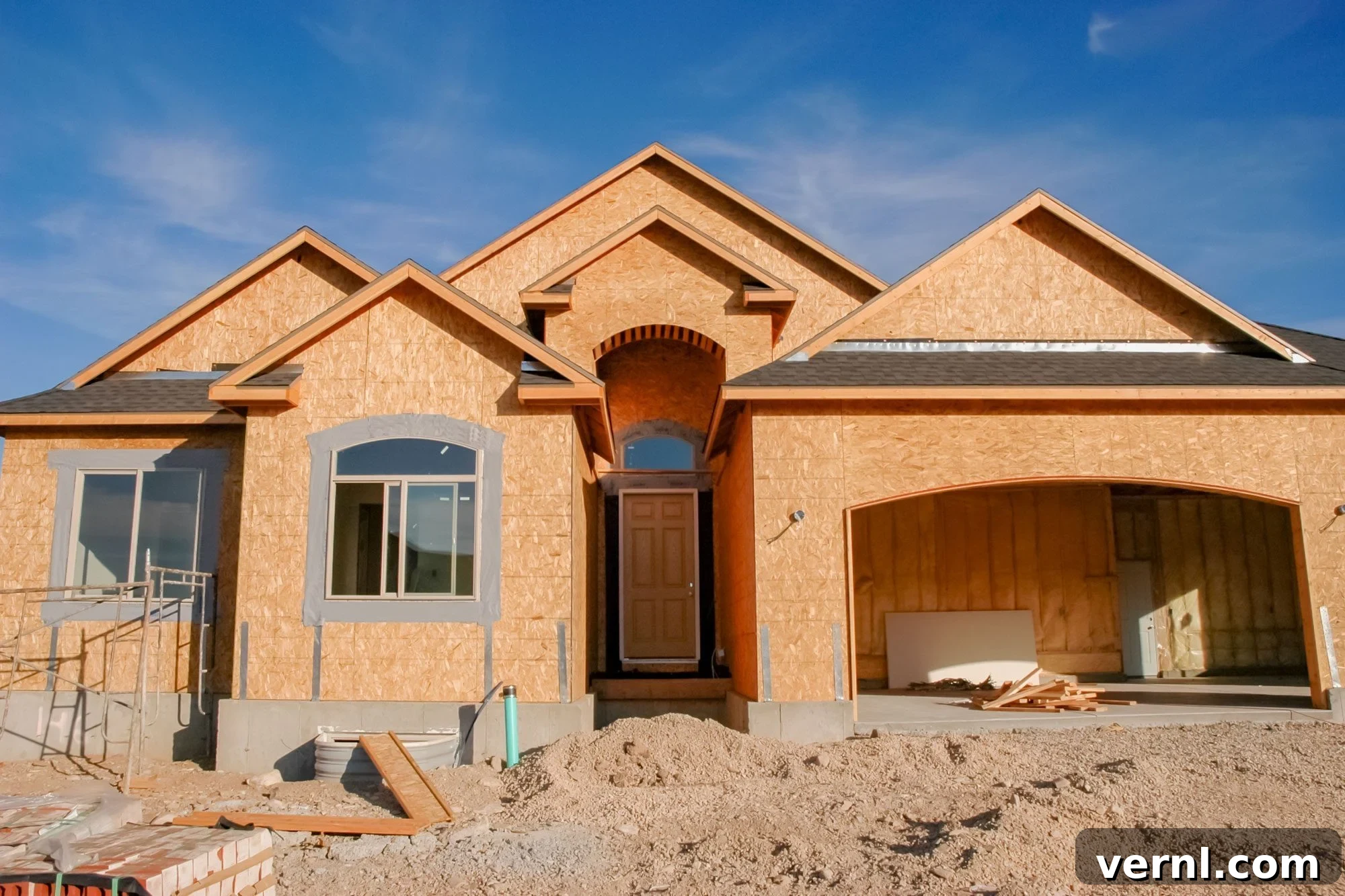
The year 2023 witnessed a remarkable surge in residential construction, marking the most completed homes since 2007’s pre-global financial crisis era. Real estate statistics indicate that nearly 1.5 million new residences entered the market. By conventional economic wisdom, such a significant increase in supply should alleviate pricing pressures, yet the perplexing reality is that housing remains largely unaffordable for a vast segment of the population in 2024. This paradox highlights a deeply entrenched and multifaceted housing affordability crisis that cannot be resolved by simply increasing housing units alone. To truly grasp the gravity of the situation and why solutions seem elusive, it’s essential to dissect the various contributing factors beyond mere supply numbers.
From fluctuating market dynamics to stubborn socioeconomic forces, the current housing landscape is shaped by a confluence of issues. Understanding these intricate layers is the first step toward identifying potential pathways to a more equitable and accessible housing market. This article will explore the core drivers behind the ongoing housing affordability challenges, examining both demand and supply-side constraints, as well as broader economic shifts that continue to impact aspiring homeowners and renters alike.
Deconstructing Housing Demand: More Than Just Numbers
At the heart of any affordability discussion lies the concept of demand. In the housing market, demand isn’t merely a static figure; it’s a dynamic, ever-evolving force influenced by a complex interplay of demographic shifts, economic conditions, and changing lifestyle preferences. Officially, housing demand is determined by comparing the number of available homes with the number of households actively seeking a place to live. However, the “number of families likely to be seeking a home” is akin to a moving target, constantly recalibrated by the prevailing environment.
Over the past few years, several powerful factors have profoundly reshaped housing demand. Robust job markets in certain sectors, coupled with the widespread adoption of remote work, have empowered many individuals to consider relocating, often to historically desirable but increasingly expensive areas. Simultaneously, persistent inflation has eroded purchasing power, while fluctuating interest rates have dramatically altered mortgage affordability, making homeownership a more distant dream for many. These intertwined socioeconomic factors redefine not just how we shop for everyday goods, but especially how we approach monumental life decisions like purchasing a home. Furthermore, demographic shifts, such as millennials entering prime homeownership age and a general trend toward smaller household sizes, mean that more individual units are needed to house the same number of people, intensifying the demand for housing across various price points.
Regardless of the precise metrics used to define it, the overarching trend is undeniable: housing demand continues to accelerate. Each year, a growing number of individuals and families are looking for homes, far outstripping the available inventory. This intensifying competition fuels bidding wars and drives up prices, contributing significantly to the affordability crisis and creating a challenging environment for potential buyers and renters alike.
The Affordability Paradox: Why Boom Production Doesn’t Equal Lower Prices
Despite the much-lauded boom in residential construction throughout 2023, the question remains: why are homes still largely unaffordable in 2024? The fundamental economic principle of supply and demand dictates that an increase in inventory should theoretically lead to a decrease in prices. Yet, the current market defies this expectation. How is it possible that a staggering 1.5 million homes were completed in 2023, and yet we still haven’t seen a significant easing of supply-side pressures or a meaningful improvement in affordability? The answer lies in several intertwined factors that challenge conventional wisdom.
Supply Isn’t Keeping Pace with Exploding Growth
The most critical reason behind the persistent affordability gap is that even record-breaking construction simply isn’t enough to bridge the massive existing deficit and keep up with relentless population and household growth. According to a recent Zillow report, at any given time in 2022, approximately 3.55 million homes were available for sale or rent across the U.S. In stark contrast, over 8 million individuals or families were “likely to be seeking a home” throughout that same year. This created a staggering deficit of 4.5 million homes, an increase of 200,000 from the previous year, highlighting a deepening structural imbalance.
The situation continues to worsen. The 8 million figure represented a significant 1.8 million increase from 2022, showcasing a substantial surge in demand compared to pre-pandemic years. This dramatic expansion in the number of households seeking housing places immense pressure on an already strained market. Considering this formidable existing deficit and the ongoing growth in family formations, the addition of 1.5 million new homes, while an achievement, barely scratches the surface. It may slightly alter the ratio of home shoppers to available units, but it falls far short of offsetting the profound supply shortage that underpins unaffordable prices. The cumulative effect of years of insufficient construction activity, particularly in the decade following the 2008 financial crisis, created a deep hole that even the current robust building pace struggles to fill. Consequently, with demand consistently outstripping supply, housing prices are unlikely to see a significant drop, thereby sustaining and exacerbating affordability challenges.
Moreover, it’s crucial to consider the *type* of housing being built. A significant portion of new construction tends to be in higher-cost segments, such as luxury apartments or larger single-family homes, which do little to address the critical shortage of affordable entry-level housing or mid-range options. Land costs, labor shortages, and complex regulatory frameworks also contribute to the high cost of construction, making it difficult for developers to build truly affordable units without significant subsidies. Therefore, simply counting units doesn’t tell the whole story; the market needs a diverse range of housing types at accessible price points.
Homeowners’ Reluctance to Sell: The “Golden Handcuffs” Effect
Another significant factor exacerbating the housing affordability issue stems from a phenomenon often dubbed the “golden handcuffs.” Many existing homeowners today, particularly those who purchased or refinanced during periods of historically low interest rates (e.g., 2-4%), are deeply reluctant to sell their homes, even if their properties have appreciated considerably, often doubling or tripling in value. The reason is simple: interest rates.
At the time of writing, current mortgage rates typically hover between 7% and 8%. If a homeowner with a sub-4% mortgage were to sell their current home, they would almost certainly need to secure a new mortgage at a significantly higher rate for their next property. This means their monthly housing costs would skyrocket, even if they pocketed a substantial profit from their sale and made a large down payment on a new home. The type of home they could afford with the new, higher-rate mortgage would likely be very similar, or even inferior, to the one they sold, effectively erasing any financial gain from the transaction. This creates a powerful disincentive to move, leading to a stagnation of existing inventory on the market.
What about renting as an alternative? While it might seem like a viable option, it’s often not an attractive one. As of May 2024, national average rents have seen a staggering increase of approximately 30.4% between 2019 and 2023. Skyrocketing rental costs, combined with a lack of available and affordable rental units in many areas, make renting an expensive and often unstable proposition. Consequently, with a large segment of homeowners effectively “locked in” by low mortgage rates and with the rental market offering little respite, the limited number of homes that do enter the market face intense demand, allowing sellers to command premium prices and further compounding the housing affordability crisis.
Geographical Disparities: Some Areas Are Worse Than Others
While housing affordability is undeniably a nationwide challenge, its impact is far from uniform. Certain regions bear the brunt of the crisis more severely than others, creating formidable “affordability mountains” for residents to climb. Coastal markets and major metropolitan hubs frequently top the list of least affordable areas. Cities such as Boston, Sacramento, Portland, San Diego, San Francisco, San Jose, Seattle, Minneapolis, Los Angeles, and Austin are consistently cited as having the most acute affordability issues.
These areas share common characteristics that drive up demand and, consequently, prices. They are typically desirable centers for younger professionals and families, offering exceptional job opportunities—often in high-paying tech and innovation sectors—as well as top-tier educational institutions, robust healthcare systems, and vibrant cultural amenities. This concentration of desirable attributes creates intense competition for housing. Paradoxically, two of these cities, Austin and Seattle, have also experienced some of the largest increases in housing supply in recent years. This phenomenon powerfully illustrates that even a significant boost in construction alone cannot solve the affordability problem when faced with overwhelming demand, geographical constraints (like coastlines or mountains limiting outward expansion), and restrictive zoning laws that often prioritize single-family homes over higher-density, more affordable housing options. The interplay of high demand, limited buildable land, and regulatory hurdles creates a perfect storm, pushing housing costs to astronomical levels in these economic powerhouses.
Charting a Course Forward: Potential Solutions to the Housing Crisis
Given the multifaceted nature of the housing affordability crisis, there’s no single “silver bullet” solution that can instantaneously reverse the trend. Instead, experts widely agree that a comprehensive, multi-pronged approach involving various stakeholders—from local communities to federal agencies—is essential. While each strategy alone may not be sufficient, their combined implementation offers the most promising path toward a more equitable and affordable housing future.
- Enhanced Policy Support and Funding for Affordable Housing Development: This involves more than just building houses; it means targeted investments. Policies could include increased federal and state funding for affordable housing projects, tax incentives for developers who commit to building affordable units, and land banking programs that acquire land for future affordable development. Direct subsidies for low-income housing and expanding rental assistance programs are also crucial components of this strategy.
- Rezoning Single-Family Home Districts for Multi-Family Construction: Many American cities are dominated by single-family zoning, which restricts density and diverse housing types. Reforming these zoning laws to allow for the construction of duplexes, townhomes, small apartment buildings, and mixed-use developments can significantly increase housing supply within existing neighborhoods. This approach can lead to “gentle density” that preserves neighborhood character while expanding housing options and reducing urban sprawl.
- Streamlining the Building Permit Approval Process: The bureaucratic hurdles and protracted timelines associated with obtaining building permits can add substantial costs and delays to construction projects. Simplifying and accelerating the approval process—without compromising safety or environmental standards—can reduce developer holding costs, encourage more construction, and potentially lower the final price of homes. Embracing digital platforms for applications and reviews can also play a pivotal role.
- Establishing or Expanding Affordable Housing Trust Funds: These dedicated funds provide a stable and flexible source of financing for affordable housing initiatives. Often funded through specific revenue streams, such as a percentage of property taxes, real estate transfer fees, or impact fees on market-rate developments, trust funds can be used to subsidize the construction, rehabilitation, or preservation of affordable housing, bridge financing gaps, and support innovative housing solutions.
- Promoting Innovative Construction Methods: Exploring and incentivizing modern construction techniques, such as modular construction, prefabrication, and 3D printing, can reduce building times and material waste, potentially leading to lower overall construction costs. These methods can also help address labor shortages by moving more construction work into controlled factory environments.
While none of these strategies offers a standalone panacea, each represents a vital step in the right direction. As household formations continue to outpace housing completions, a concerted effort across multiple fronts will be necessary to mitigate the challenges of housing affordability, both in the immediate future and for generations to come. Addressing this crisis is not merely an economic imperative but a social one, crucial for ensuring equitable access to stable housing and fostering thriving communities.
Sources
- Business Insider, Why America’s Housing Shortage Is Getting Worse (2024)
- Zillow, Housing Shortage Worsened Despite Pandemic Construction Boom (2024)
- Fast Markets, US Housing Market Analysis: Are we in the midst of an affordability crisis? (2024)