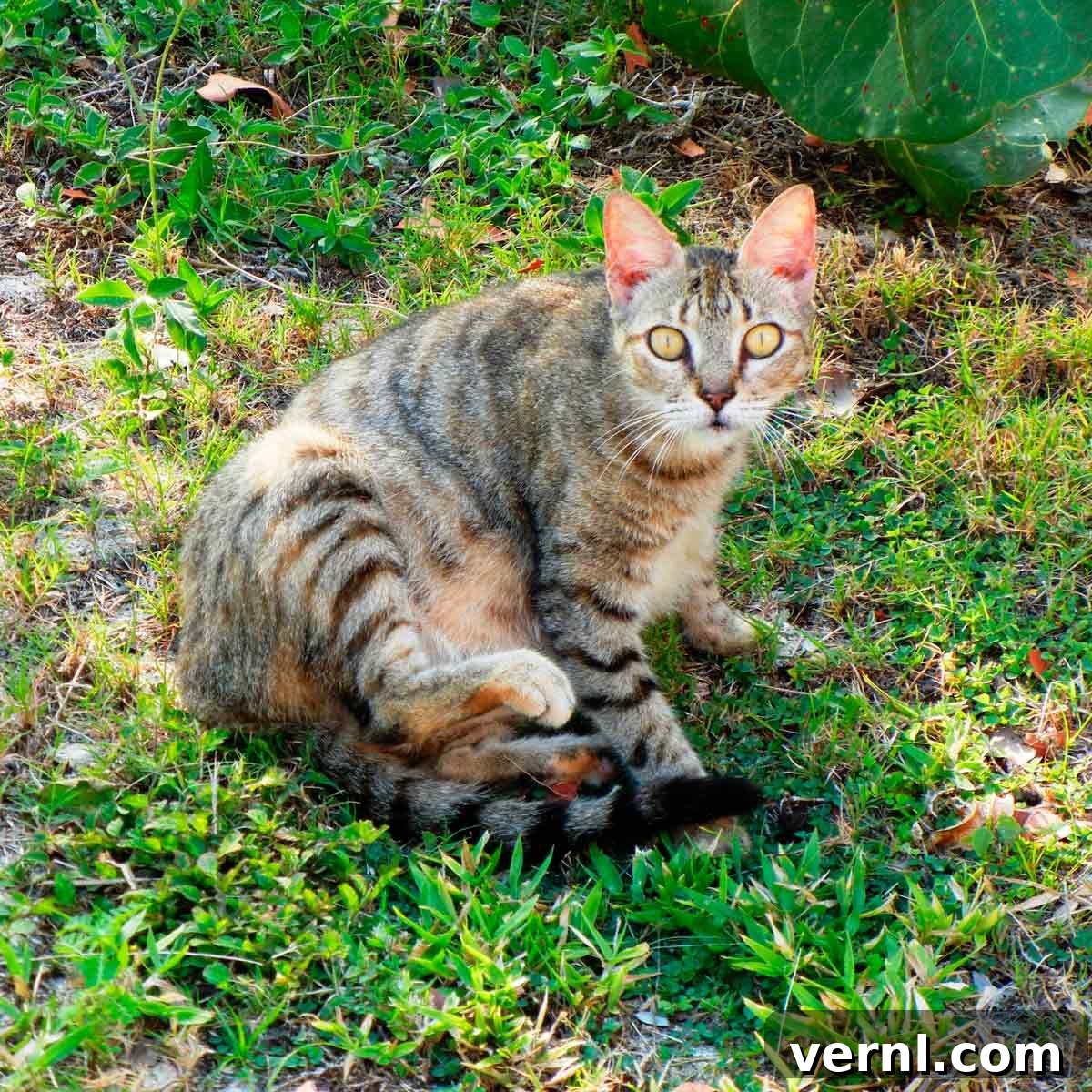
Effective and Humane Strategies: Keeping Stray Cats Out of Your Yard

While many of us adore our feline friends, the presence of stray or feral cats in your yard can quickly become a significant nuisance, posing problems far beyond mere annoyance. They may use your meticulously maintained garden beds, children’s sandbox, or even planters as their personal litter box, creating an unsanitary and foul-smelling environment. Beyond the unpleasant odors and unsightly messes, cat feces can carry dangerous parasites such as Toxoplasma gondii, which can lead to toxoplasmosis. This parasitic infection is potentially dangerous to humans, especially those with compromised immune systems and pregnant women, for whom it can be deadly. If you’re tired of finding unwanted feline deposits in your flower beds or dealing with the persistent presence of strays, it’s time to implement effective and humane strategies to keep them out of your yard for good. This comprehensive guide will equip you with a variety of methods, from creating deterrent environments to utilizing physical barriers and community-based solutions, ensuring your outdoor space remains a clean, safe, and cat-free zone.
Create an Unpleasant Environment to Deter Feline Visitors
Cats are naturally drawn to soft, loose soil for digging and burying their waste, making your garden beds and freshly tilled soil irresistible targets. To discourage them from turning your yard into their private restroom, you can strategically alter the environment to make it less appealing.
Leverage the Power of Strong-Smelling Plants
Cats possess a highly sensitive sense of smell, and certain aromas they find delightful, others they vehemently despise. You can use this to your advantage by companion planting strong-smelling herbs and flowers among your existing garden plants. Cats are particularly put off by pungent scents. Excellent choices include rue, lavender, and the minty aroma of pennyroyal. Other effective plants are rosemary, lemon thyme, Coleus canina (often marketed as the ‘Scaredy Cat’ plant), and citronella grass. Plant these herbs and flowers densely along the perimeters of your garden beds or directly among vulnerable plants. Not only will this strategy act as a natural cat repellent, but many of these herbs also have the added benefit of deterring various insect pests, enhancing the overall health and vitality of your garden. Ensure these plants are well-established to maximize their scent output.
Utilize Citrus Scents
Another smell that cats find highly objectionable is citrus. The bright, zesty aroma of oranges, lemons, grapefruit, and limes is a powerful deterrent for many felines. You can easily create a cat-repelling citrus spray by mixing some orange oil concentrate with water and spraying it around the perimeter of flower beds, garden patches, porches, or any crawl spaces where cats tend to congregate. For a DIY option, you can simmer citrus peels in water, let it cool, and then strain the liquid into a spray bottle. Regular reapplication, especially after rain, is key to maintaining its effectiveness. Alternatively, you can place fresh citrus peels directly in problem areas. The strong, natural oils released by the peels will create an invisible barrier that cats prefer to avoid. Be cautious if using undiluted essential oils, as some can be harmful to cats if ingested, so always opt for diluted sprays or natural peels.
Modify Soil Texture to Discourage Digging
Cats love to dig in soft, pliable soil. By making the soil less inviting for their paws, you can effectively deter them from using your garden as a litter box. Mulching with materials that are uncomfortable for cats to walk on or dig through is a highly effective strategy. Consider using pieces of bark, twigs, pine cones, or other prickly plant matter such as holly leaves. Sharp-edged gravel, lava rock, or even crushed eggshells can also be spread over the soil surface. These textures irritate a cat’s sensitive paw pads without causing any harm, prompting them to seek out more comfortable digging spots elsewhere. For a more targeted solution, consider using cat scat mats. These plastic mats feature blunt, poky teeth that are harmless but highly irritating to a cat’s paws, making digging an unpleasant experience. Simply lay them in areas where cats frequently dig. You can also lay chicken wire or plastic netting flat on the soil, cutting holes for your plants. This creates a barrier that prevents digging while allowing plants to grow through.
Implement Physical Barriers to Restrict Access
If you prefer a more direct approach to keeping stray cats out, physical barriers can be incredibly effective. These solutions literally block access to your yard or specific areas within it, preventing unwanted intruders from ever setting foot on your property.
Reinforce Your Existing Fences
Even a tall fence may not be enough to deter an agile cat. If you have a fence but strays still manage to scale it, consider adding a specialized cat containment system. The Oscillot cat containment system, for instance, consists of rotating paddles installed along the top of your existing fence. Designed primarily to keep pet cats safely *within* their own yard, these clever rolling bars are equally effective at preventing stray cats from jumping over and entering your property. The rotating motion makes it impossible for cats to get a grip, causing them to fall back down without injury. Similar to the Oscillot system are fence spikes. These polypropylene strips come in various colors and can be cut to fit any fence line. Adhering them to the top of your existing fence creates an uncomfortable and unstable landing surface, discouraging cats and other small animals from attempting to climb over. Ensure that any spikes used are designed to deter without causing harm. For ground-level access, secure any gaps or holes in your fence line, and consider extending the fence a few inches underground to prevent digging beneath it.
Protect Vulnerable Areas with Netting and Enclosures
For specific areas like vegetable gardens, sandboxes, or raised beds that are particularly susceptible to cat visits, temporary or semi-permanent enclosures can provide robust protection. Simple garden netting, chicken wire, or hardware cloth can be used to create an enclosed space around delicate plants or to cover sandboxes when not in use. This prevents cats from accessing the soil directly. You can construct a simple frame over your garden beds and drape netting over it, securing the edges to prevent cats from slipping underneath. For sandboxes, a fitted cover is essential to keep them hygienic and free from feline waste.
Utilize Harmless Deterrents for a Non-Contact Approach
For those who prefer to keep cats at a distance without direct physical barriers, a range of harmless deterrent devices can effectively scare them away using sensory stimulation that cats find unpleasant but not harmful.
Employ Ultrasonic Animal Repellers
Similar to ultrasonic pest control devices used to deter mice and insects, specialized ultrasonic animal repellers are designed to keep larger animals like cats out of your yard. These devices work by emitting high-frequency sound waves that are generally inaudible to humans but extremely irritating to cats and other animals. Many models also incorporate flashing strobe lights, which add another layer of deterrence, especially at night. These devices typically have a range of up to 40 feet in diameter, effectively creating a “no-go” zone for felines. For optimal effectiveness, strategic placement is key, ensuring the device covers the main entry points or problem areas in your yard. Look for solar-powered models for convenience and consider units with adjustable frequency settings to prevent cats from becoming accustomed to the sound.
Install Motion-Activated Sprinklers
It’s a well-known fact that most cats despise water. This natural aversion can be harnessed to your advantage with a motion-activated sprinkler system. This ingenious device features an infrared sensor that detects movement within its range. When a cat or other animal enters the detection zone, it triggers a sudden, strong burst of water, startling the animal and sending it scurrying away. These sprinklers can typically project water up to 70 feet in diameter, providing a wide area of coverage. Not only are they highly effective at scaring away pesky cats and other wildlife, but many models also offer a continuous spray setting, allowing them to do double-duty as a regular lawn sprinkler when you need to water your plants. Place them near garden beds, pathways, or any area where cats frequently trespass. They are a humane and environmentally friendly way to deter unwanted visitors.
If All Else Fails: Community Solutions and Attractant Removal
Sometimes, individual efforts aren’t enough, especially when dealing with a larger population of feral or stray cats. In such cases, a broader approach, combined with eliminating attractants, becomes necessary.
Engage in the TNR (Trap-Neuter-Release) Method
If your neighborhood is plagued with a significant number of feral cats, the most humane and effective long-term solution is the TNR method, which stands for Trap, Neuter, and Release. This process involves humanely trapping feral cats, taking them to a veterinarian to be spayed or neutered, vaccinated, and eartipped (a universal sign that a cat has been sterilized and vaccinated), and then releasing them back into their original territory. TNR stabilizes feral cat populations by preventing further reproduction, which over time leads to a gradual decline in numbers. It also significantly reduces nuisance behaviors like fighting, yowling, spraying, and the spread of disease, as sterilized cats are less driven by mating instincts. If you believe your area would benefit from a TNR program, check with your local Humane Society, animal shelter, or cat rescue organizations. Many offer affordable or free TNR services and can provide guidance on how to get involved, organize community efforts, and safely carry out the trapping process.
Eliminate Potential Attractants in Your Yard
Cats are often drawn to yards because they offer something desirable – whether it’s food, water, or shelter. By eliminating these attractants, you can make your property far less appealing to strays. Always secure your trash cans with tight-fitting lids to prevent cats (and other critters) from scavenging for food. Avoid leaving pet food bowls outdoors, especially overnight. If you feed your own pets outside, ensure you bring in their bowls immediately after they finish eating. Promptly clean up any outdoor food spills, such as barbecue remnants or dropped birdseed. Furthermore, seal off any potential shelter spots like crawl spaces, gaps under sheds or decks, and unused pet houses. Clearing dense brush piles can also reduce hiding spots. Address any sources of standing water, such as bird baths or leaky spigots, which could serve as a water source for thirsty felines.
Communicate with Neighbors
If the stray cat problem is primarily due to a neighbor’s outdoor cat, a polite and friendly conversation can often resolve the issue. Explain your concerns about the cat’s waste and the potential health risks. You can share some of the humane deterrence tips from this article, or even offer to help them find solutions to keep their own cat within their yard. Many cat owners are unaware of the problems their outdoor pets might be causing and are often willing to cooperate once informed. Community collaboration, whether through TNR programs or simply by sharing information, can lead to more harmonious and cat-free outdoor spaces for everyone.
By implementing a combination of these strategies, you can create a yard that is consistently uninviting to stray cats, ensuring your garden remains pristine, your family stays safe, and your outdoor living space is enjoyable for everyone – except perhaps the neighborhood felines. Persistence and a multi-pronged approach are often the keys to long-term success.