
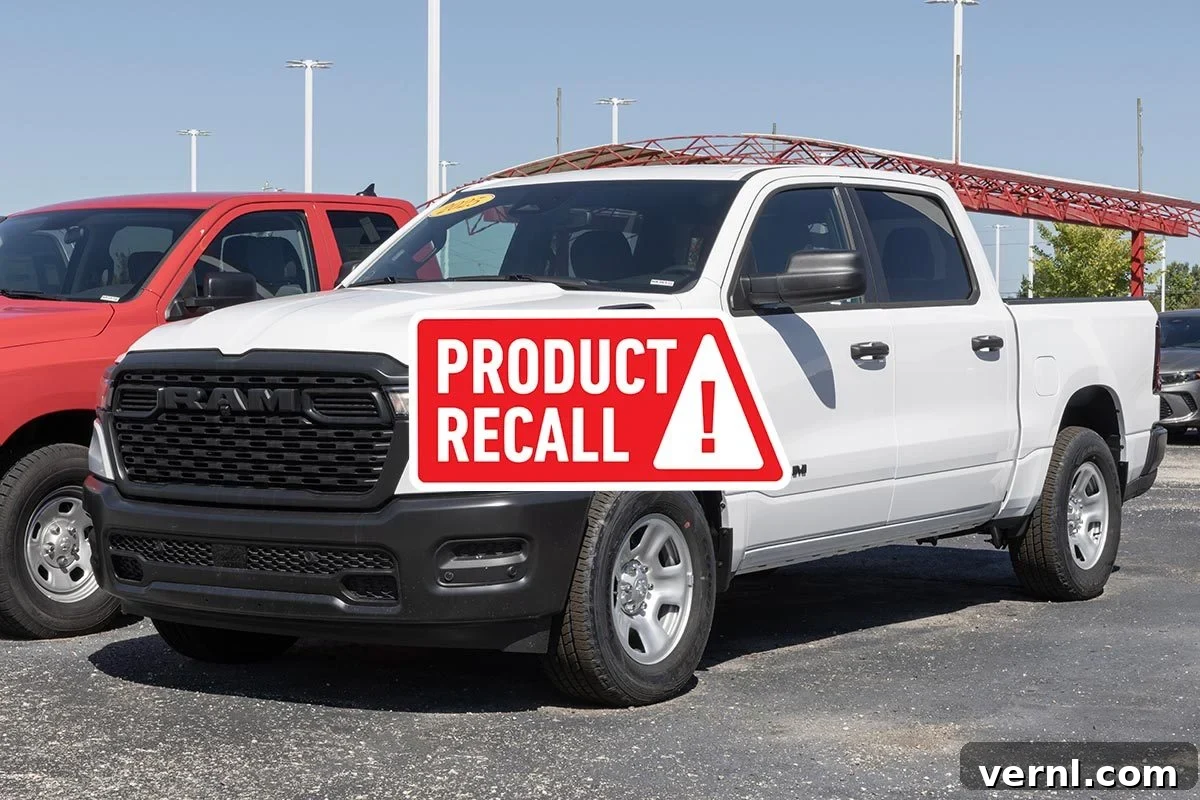
In the vast landscape of automotive safety, few components are as critical yet as frequently overlooked as tire pressure. While modern vehicles come equipped with sophisticated Tire Pressure Monitoring Systems (TPMS) designed to alert drivers to under-inflated tires, what happens when the system itself is compromised? This unsettling scenario is precisely what a recent announcement from Chrysler (FCA US, LLC) addresses. The automaker has initiated a substantial recall impacting over 10,000 vehicles, citing a software glitch that could lead to erroneous tire pressure displays. This issue isn’t just an inconvenience; it represents a tangible safety risk that drivers need to be aware of. The National Highway Traffic Safety Administration (NHTSA) has officially documented this recall, underscoring its gravity. For owners of affected vehicles, understanding the implications and the necessary steps to take is paramount. This comprehensive guide will walk you through the details of the recall, explain why accurate tire pressure is non-negotiable, and provide crucial advice on how to safeguard your driving experience.
Which Vehicles Are Impacted by the Chrysler Recall?
The current recall primarily targets a significant number of 2025 Ram 1500 vehicles. Specifically, Chrysler is recalling more than 10,000 units of this popular truck model, including various trims and configurations such as the Ram 1500 Quad Cab. This is not a minor inconvenience; it’s a critical safety measure for a substantial portion of the latest Ram 1500 lineup, which is renowned for its capability and widespread use across North America. Owners of these powerful trucks should remain vigilant and proactively seek information regarding their vehicle’s status. The manufacturer has committed to notifying affected owners directly. Expect to receive official owner letters via mail in early May 2025. These letters will contain specific instructions and details pertinent to your vehicle’s identification number (VIN), which you can use to confirm if your specific truck is part of this recall.
Until you receive definitive confirmation or can verify your vehicle’s recall status using its VIN on the NHTSA website or a Chrysler recall portal, it is absolutely essential to adopt a proactive approach to tire maintenance. Do not rely solely on your vehicle’s onboard tire pressure gauge or any warning messages displayed on the instrument panel. These systems may be providing inaccurate information due to the identified software error. Instead, make it a habit to manually check your tire pressure using a reliable, external tire pressure gauge. This simple, routine check can be the difference between a safe drive and a potentially hazardous situation, ensuring your tires are inflated to their proper specifications, regardless of what your dashboard might indicate. Your vigilance in this period is key to preventing potential safety incidents.
Understanding the Severity: Why is Chrysler Recalling These Vehicles?
At the heart of this recall is a fundamental software flaw that undermines a crucial safety feature. According to the official NHTSA brief, Chrysler is initiating this recall because “a software error may cause an incorrect tire inflation pressure message to display on the instrument panel.” This seemingly technical detail has profound safety implications. The Tire Pressure Monitoring System (TPMS) is designed to be your vehicle’s first line of defense against improperly inflated tires. When this system reports inaccurate data, drivers are left without reliable information, potentially leading them to make dangerous assumptions about their tire health. The software glitch means that while your tires might be dangerously under- or over-inflated, your dashboard could incorrectly report optimal pressure, or vice-versa, masking a critical safety hazard.
The Critical Importance of Accurate Tire Pressure for Vehicle Safety
Tire pressure is not merely a number; it is a vital parameter influencing nearly every aspect of your vehicle’s performance, safety, and longevity. Ignoring or receiving incorrect information about your tire pressure can have a cascade of negative effects that significantly impact your driving experience and overall road safety:
- Under-inflation Risks:
- Increased Rolling Resistance: This means your engine has to work harder to move the vehicle, leading to significantly reduced fuel efficiency and higher operational costs over time.
- Premature Tire Wear: Under-inflated tires flex excessively, particularly at the shoulders of the tread. This excessive flexing generates friction and heat, leading to uneven and accelerated wear. This not only shortens tire lifespan but also necessitates earlier, costly replacements.
- Reduced Handling and Stability: The tire’s contact patch with the road becomes compromised and uneven, reducing grip and making the vehicle feel sluggish or less responsive. This is particularly dangerous during turns, sudden braking, or evasive maneuvers, where precise control is paramount.
- Excessive Heat Buildup: The increased flexing due to under-inflation generates more heat within the tire’s internal structure. This heat can severely weaken the tire, dramatically increasing the risk of a sudden tire blowout, especially at highway speeds. A blowout can lead to immediate loss of vehicle control, posing a severe accident risk for occupants and other road users.
- Over-inflation Risks:
- Reduced Contact Patch: While seemingly benign, over-inflated tires bulge in the center, reducing the actual surface area of the tire that touches the road. This translates to less grip and diminished braking performance, as less rubber is engaging with the road surface.
- Harsher Ride Quality: Tires act as part of your vehicle’s suspension system, absorbing shocks from the road. Over-inflation makes them rigid and stiff, transmitting more road imperfections into the cabin, leading to an uncomfortable and bumpy ride.
- Premature Tire Wear (Center): Just as under-inflation wears the shoulders, over-inflation causes the center of the tread to bear the brunt of the load, leading to accelerated wear in that specific area. This shortens the overall lifespan of the tire.
- Increased Susceptibility to Road Hazards: An over-inflated tire is less flexible and more rigid, making it more vulnerable to damage from impacts with potholes, curbs, and road debris. This significantly increases the risk of punctures, sidewall damage, or even a sudden blowout.
Both scenarios, whether over- or under-inflation, critically compromise vehicle control, extend braking distances, and drastically heighten the probability of a car accident. If your instrument panel is displaying incorrect pressure readings, you might inadvertently over- or underfill your tires, unknowingly placing yourself and others at severe risk. This recall is therefore a critical step to restore the integrity of a fundamental safety system that drivers depend on for reliable, real-time information.
How Will Chrysler Resolve This Software Issue?
Fortunately, since the root cause of this widespread issue is identified as a software defect within the vehicle’s instrument panel, the solution is relatively straightforward and accessible for affected owners. Chrysler has outlined a clear and efficient remedy: authorized dealerships will perform a necessary update to the instrument panel software. Crucially, this vital service will be provided to all affected customers completely free of charge. There will be no cost passed on to you for this essential safety repair, reinforcing Chrysler’s commitment to customer safety and satisfaction.
Steps for Affected Owners: Ensuring Your Vehicle is Safe
If you own a 2025 Ram 1500, taking prompt action is imperative. Here’s what you need to do:
- Schedule Your Repair Promptly: As soon as you are notified by mail or confirm your vehicle’s involvement in the recall using your VIN on the NHTSA recall website, contact your nearest authorized Chrysler, Dodge, Jeep, or Ram dealership to schedule the software update. Do not delay, as addressing this issue is paramount for your safety, the longevity of your tires, and the overall performance of your truck. Dealerships are prepared to handle these updates efficiently.
- Maintain Manual Tire Pressure Checks: While awaiting your service appointment, continue to regularly check your tire pressure using a reliable manual gauge. This is a non-negotiable interim measure to ensure your safety. Perform these checks when your tires are “cold,” meaning they haven’t been driven for at least three hours or more than a mile. Driving heats tires, which increases internal pressure, leading to inaccurate readings. Cold checks provide the most accurate assessment of actual inflation.
- Consult Your Owner’s Manual for PSI: To determine the precise recommended tire pressure (measured in PSI – Pounds per Square Inch) for your specific 2025 Ram 1500 model, always refer to your vehicle’s owner’s manual. This critical information is also typically found on a sticker located on the driver’s side door jamb or sometimes inside the fuel filler flap. Adhering to these manufacturer specifications is crucial for optimal performance, fuel efficiency, and, most importantly, safety. For additional guidance on understanding your vehicle’s documentation and its importance, you might find resources like this helpful: Why You Should Read Your Car’s Owner’s Manual.
- Understand the Repair Process: The software update itself is generally a quick and efficient procedure. Dealership technicians will connect a specialized diagnostic tool to your vehicle’s onboard computer system. They will then flash the new, corrected software version to the instrument panel, effectively resolving the bug that caused inaccurate readings. This process aims to minimize inconvenience to owners, often taking less than an hour.
Beyond the Recall: Essential General Tire Maintenance Tips
Even after the software update is complete and your TPMS is reporting accurate data, practicing good tire maintenance habits is fundamental to vehicle safety and efficiency. These habits ensure your tires remain in optimal condition, extending their lifespan and maximizing your safety on the road:
- Regular Visual Inspections: Make it a habit to visually inspect your tires periodically. Look for any signs of damage, such as bulges on the sidewall, cuts, cracks, or embedded objects (like nails or screws). Addressing these issues promptly can prevent further damage or a sudden flat.
- Tread Depth Monitoring: Ensure your tire tread depth is adequate. Legally, tires generally require a minimum of 2/32nds of an inch, but more tread is always safer, especially in wet conditions. A simple way to check is the “penny test”: insert a penny into a tread groove with Lincoln’s head upside down and facing you. If you can see the top of his head, your tread is too shallow, and it’s time for new tires.
- Tire Rotation: Follow your vehicle manufacturer’s recommendations for tire rotation intervals, typically every 5,000 to 7,500 miles. Regular rotation ensures even wear across all four tires, which extends their lifespan and maintains balanced handling characteristics.
- Wheel Alignment and Balancing: Periodically have your wheels aligned and balanced by a professional mechanic. Proper alignment prevents uneven tire wear and ensures your vehicle tracks straight, while balancing eliminates vibrations that can lead to premature tire wear and an uncomfortable ride.
Need More Information? Contact Details for the Recall
It’s natural to have questions or require further clarification regarding such a critical recall. Both Chrysler and the National Highway Traffic Safety Administration (NHTSA) have established clear channels for owners to get the information they need efficiently and accurately.
If you have specific inquiries related to your vehicle, its eligibility, or the recall process, you can reach out directly to FCA customer service. When contacting them, it is important to clearly state your reason for calling and refer to the specific recall number to ensure you receive the most accurate and timely assistance:
- FCA Customer Service Phone: 1-800-853-1403
- Recall Number for FCA: 30C
For broader safety concerns, to verify the recall on your VIN, or if you encounter any issues with the dealership process, the NHTSA Vehicle Safety Hotline is an invaluable resource. This hotline provides an independent channel for consumers to report safety concerns and get information about recalls:
- NHTSA Vehicle Safety Hotline: 888-327-4236
- Recall Number for NHTSA: 25V231000
These resources are available to provide peace of mind and ensure every affected owner can take the necessary steps to secure their vehicle’s safety. Do not hesitate to use them to stay informed and ensure your 2025 Ram 1500 is compliant and safe.
Source Documentation
Ensuring the safety and reliability of your vehicle is a shared responsibility between manufacturers and owners. Recalls like this serve as a crucial reminder that vigilance and proactive maintenance are essential components of vehicle ownership. By promptly addressing this software issue, Chrysler aims to restore confidence in its vehicles’ safety systems, ensuring that every drive in a 2025 Ram 1500 is as secure and predictable as possible. Stay informed, take action, and drive safely.