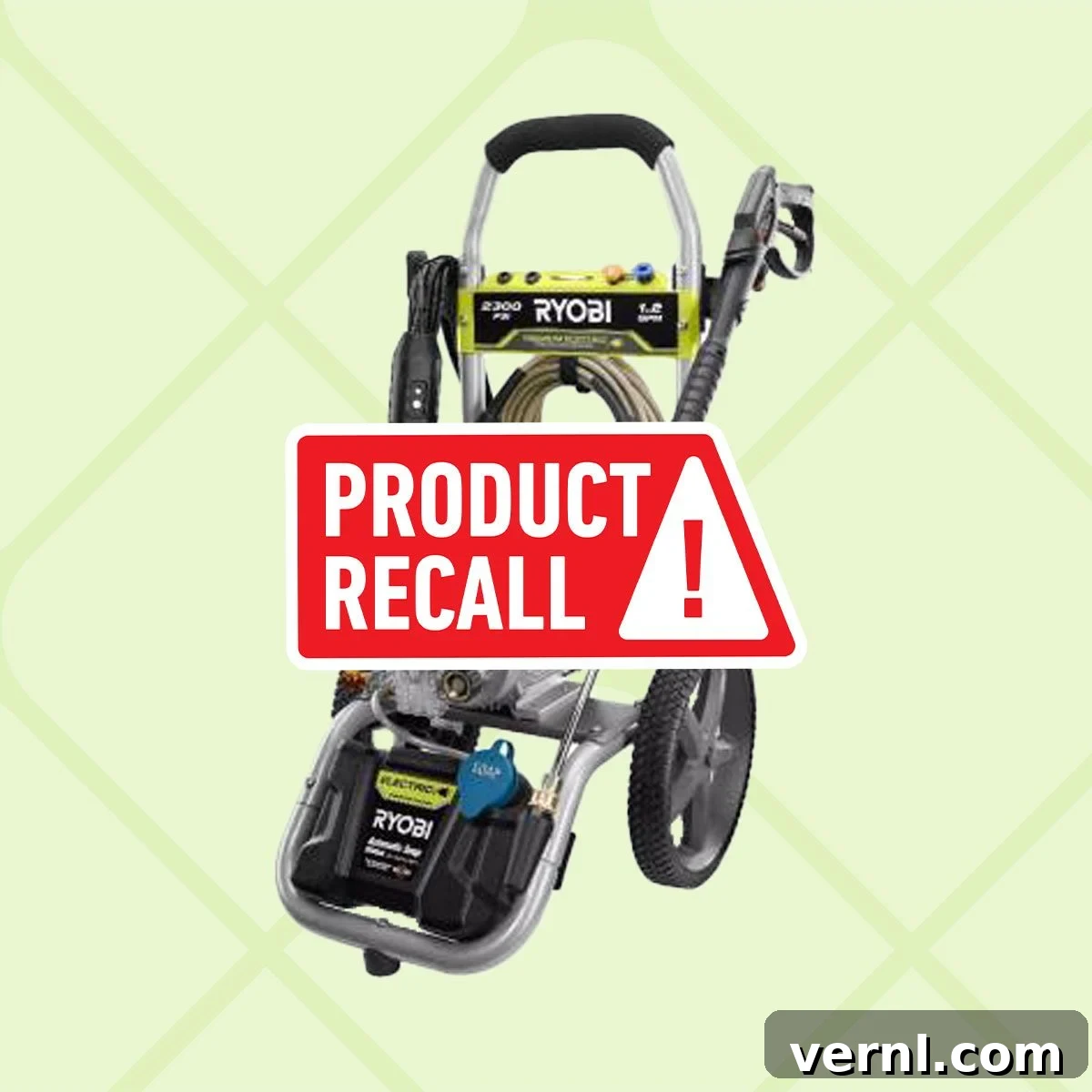
Urgent Safety Alert: Hundreds of Thousands of Ryobi Pressure Washers Recalled Over Explosion Risk
In a critical announcement impacting consumer safety nationwide, the United States Consumer Product Safety Commission (USCPSC) has issued a widespread recall for hundreds of thousands of Ryobi pressure washers. This significant recall addresses a severe safety defect that has already led to numerous reports of explosions and serious injuries. If you are among the many consumers who own one of these powerful cleaning devices, it is imperative that you immediately cease its use and exercise extreme caution. Prompt action is required to mitigate the potential for harm, as the defect poses a direct threat to users and bystanders alike. Understanding the specifics of this recall and acting swiftly to address the issue is paramount for your safety.
The affected products, commonly utilized for various outdoor cleaning tasks, have been identified as posing a significant risk due to a fundamental flaw in their internal components. The USCPSC’s proactive measure underscores the commitment to protecting consumers from potentially dangerous products. This comprehensive guide will delve into the precise reasons behind the recall, identify the specific models involved, outline the documented incidents and injuries, and most importantly, provide clear, actionable steps for owners to follow to ensure their safety and facilitate the necessary repairs. Your awareness and adherence to these guidelines are crucial in preventing further incidents related to these defective Ryobi pressure washers.
Why Are These Ryobi Pressure Washers Being Recalled? Unpacking the Explosion Hazard
The core of this urgent recall lies in a critical manufacturing or design flaw within the Ryobi pressure washers’ internal components. According to the detailed brief released by the USCPSC, the primary issue stems from the device’s capacitor. In the defective units, this vital electronic component, which plays a crucial role in storing and regulating electrical energy, has been found to be prone to severe overheating. This overheating condition can escalate rapidly, leading to a catastrophic failure: the capacitor can burst with considerable force. Such an event is not merely a malfunction; it constitutes a genuine explosion hazard that can have devastating consequences.
When the capacitor overheats and subsequently bursts, the consequences are grave. Internal parts of the pressure washer are forcefully ejected from the unit. These projectiles, traveling at high velocity, pose an immediate and severe risk of serious impact injury. The dangers are not limited to the person operating the device; bystanders in the vicinity are also at significant risk from these flying debris. The force of such an explosion can cause deep lacerations, broken bones, and even more severe, life-altering injuries if they strike vulnerable areas such as the face or eyes. This type of incident transforms a routine cleaning task into a dangerous encounter, highlighting the critical nature of this recall and the urgency for consumers to act.
The severity of this issue is further underscored by the alarming statistics reported by TTI Outdoor Power Equipment, the parent company of Ryobi. As of the recall announcement, there have been a startling “135 reports of capacitors overheating,” indicating a widespread and recurring problem. More concerning still are the “41 reports of explosions” directly linked to these overheating capacitors. These incidents are not abstract; they have tangible, painful consequences. The company has confirmed “32 injuries and/or fractures” to various parts of the body, including fingers, hands, face, and eyes. These figures paint a stark picture of the real-world danger posed by these defective Ryobi pressure washers and emphasize why immediate cessation of use is not just advised, but absolutely necessary to prevent further harm.
Identifying the Affected Ryobi Pressure Washer Models: What You Need to Know
The scope of this recall is substantial, encompassing a significant number of units that have been sold to consumers across the United States. Over 750,000 Ryobi pressure washers have been identified as defective, making it one of the larger consumer product recalls in recent history. The official USCPSC report provides precise details to help consumers identify whether their unit is part of this recall. It specifically states that “this recall involves Ryobi brushless electric pressure washers, models RY142300 and RY142711VNM.” These model numbers are crucial for identification and can typically be found on a label affixed to the pressure washer itself, often near the motor or on the base.
Beyond the model numbers, there are distinct visual characteristics that can help you determine if your pressure washer is affected. The recalled units are predominantly green in color, a common aesthetic for Ryobi power tools, making them easily recognizable to brand enthusiasts. They are equipped with a standard spray nozzle and feature a detergent tank, which is identifiable by its blue cap. Furthermore, these specific models include designated storage areas for accessories, a practical feature for organizing various attachments like different nozzles or wands. These visual cues, when combined with the specific model numbers, provide a comprehensive means of identification for consumers to confirm if their unit is at risk.
To further narrow down the scope, consumers should also consider where and when they purchased their Ryobi pressure washer. If your unit matches the detailed description provided above – specifically models RY142300 or RY142711VNM, displaying the described color scheme and features – and you acquired it from either Home Depot or Direct Tools Factory Outlet, then your unit is almost certainly part of this recall. The period of concern for purchases spans a significant timeframe, from July 2017 through June 2024. This extensive sales window means that a wide range of consumers, who may have bought their pressure washer years ago, could be affected. It is vital to check your unit, regardless of how long you’ve owned it, if it falls within these purchase parameters. Both in-store and online purchases made during this period are included in the recall, emphasizing the need for widespread consumer vigilance.
Is There a Fix Yet? Your Steps to a Free and Safe Resolution
For owners who discover they possess one of the defective Ryobi pressure washers, the immediate priority is to cease all usage. The USCPSC’s directive is unequivocal: “should immediately stop using the recalled pressure washers.” This is not a recommendation but a critical safety instruction to prevent any further incidents that could result in serious injury or damage. Once you have confirmed that your pressure washer matches the recalled models, the next crucial step is to initiate the repair process. Fortunately, Ryobi, in cooperation with the USCPSC, has established a straightforward and accessible solution for affected consumers.
The primary avenue for resolution is Ryobi’s dedicated recall website, which can be found at Ryobi’s official recall website. This online portal is designed to guide consumers through the verification and repair process efficiently. Upon visiting the site, you will be able to confirm if your specific unit is indeed part of the recall by entering the necessary information, such as the model number. The website provides clear, step-by-step instructions to facilitate this process, ensuring that even non-tech-savvy users can navigate it with ease. It is essential to follow these steps carefully to ensure accurate identification and to proceed correctly with your repair request, safeguarding both yourself and others.
Once your unit’s eligibility is confirmed through the website, you will be able to request and receive a free repair kit. This kit is a comprehensive solution, including not only the necessary replacement part—specifically a new capacitor designed to address the defect—but also detailed shipping and installation instructions. The repair kit is specifically engineered to replace the faulty capacitor, thereby eliminating the overheating and explosion hazard. The instructions provided are intended to be user-friendly, allowing many consumers to perform the repair themselves safely and effectively without needing professional assistance. This self-service approach streamlines the recall process and minimizes inconvenience, getting your pressure washer back to safe operation as quickly as possible.
A significant benefit for consumers in this recall is Ryobi’s policy regarding proof of purchase. The USCPSC reassures consumers that Ryobi “isn’t requiring any proof of purchase.” This means that even if you have lost your original receipt or any other documentation for the power washer, you are still fully eligible to receive the free repair kit. This policy removes a common barrier to product recalls, ensuring that all affected consumers can access the necessary fix without bureaucratic hurdles. This commitment to consumer safety over administrative detail is a welcome aspect of the recall process, emphasizing the priority placed on getting defective units repaired.
Understanding Product Recalls: Why They Matter for Consumer Safety
Product recalls, such as this one involving Ryobi pressure washers, are a fundamental mechanism for consumer protection in developed economies. They serve as a critical safety net, designed to remove dangerous or defective products from the market before they cause widespread harm. The United States Consumer Product Safety Commission (USCPSC) plays a pivotal role in this process. As an independent agency of the United States government, its mission is to protect the public from unreasonable risks of injury or death associated with consumer products. The USCPSC achieves this through research, setting safety standards, and, crucially, issuing recalls when products are found to be unsafe and pose a significant risk.
The importance of product recalls cannot be overstated. They are not merely an inconvenience but a vital intervention that prevents injuries, saves lives, and upholds public trust in the safety of goods available for purchase. For manufacturers, recalls are a serious matter, involving significant financial costs, reputational damage, and potential legal liabilities. However, responsible manufacturers understand that addressing safety defects promptly is paramount to maintaining consumer confidence and fulfilling their ethical obligations. Recalls demonstrate a company’s commitment to safety, even when acknowledging a flaw in their products, which is essential for long-term brand integrity.
Typically, a recall process begins when a pattern of incidents or complaints emerges, or when internal testing reveals a defect that poses a safety hazard. The USCPSC investigates these reports thoroughly, often collaborating closely with the manufacturer to understand the root cause and scope of the problem. If a product is determined to pose an “unreasonable risk” to consumers, a recall may be initiated. This can be a voluntary action by the manufacturer, or it can be mandated by the USCPSC if the manufacturer does not act. Once a recall is announced, the information is widely disseminated through various channels, including government websites, news outlets, and direct communication with retailers and consumers. Retailers like Home Depot and Direct Tools Factory Outlet have a responsibility to cease selling recalled products immediately and to assist in informing customers who have already purchased them, often through in-store notices or customer outreach programs.
Essential Safety Precautions for Pressure Washer Use (Even After Repair)
While addressing the capacitor defect through the recall repair kit is crucial, it’s also an opportune moment to reinforce general safety practices for operating pressure washers. These powerful tools, by their very nature, demand respect and careful handling due to the high-pressure water stream they generate. Even a fully functional and repaired pressure washer can cause significant injury if used improperly. Adhering to these safety guidelines will help ensure a safe and effective cleaning experience for years to come, minimizing risks that go beyond the specific defect of this recall.
Always Wear Proper Protective Gear
- Eye Protection: Always wear safety goggles or glasses to shield your eyes from debris, water spray, and potential chemical splashes. The high pressure can dislodge small particles from surfaces with surprising force, turning them into dangerous projectiles.
- Gloves: Sturdy work gloves can protect your hands from the force of the spray, potential chemical exposure if using detergents, and vibrations that can lead to fatigue.
- Closed-Toe Shoes: Wear sturdy, closed-toe shoes with good grip. Never operate a pressure washer in sandals, flip-flops, or bare feet, as the high-pressure stream can easily cause severe lacerations, punctures, and other serious injury to exposed skin.
- Long Pants and Sleeves: While not always comfortable in warm weather, long clothing can offer additional protection against errant spray, abrasive debris, and chemical splashes, minimizing skin exposure.
Handle with Care and Awareness
- Never Point at People or Animals: The force of a pressure washer stream is strong enough to cause severe lacerations, punctures, and other serious injuries, even at a distance. Treat it like a loaded firearm and always assume it’s capable of causing harm. Ensure no one is in the line of fire.
- Maintain a Safe Distance: Keep your hands and feet away from the nozzle and the spray. When cleaning, maintain a distance appropriate for the surface to avoid damage and minimize kickback, which can be unexpected.
- Start with a Wide Spray Pattern: Begin with a wider nozzle or a lower pressure setting to get a feel for the power, especially on delicate surfaces like wood or painted areas. Gradually adjust to a narrower spray or higher pressure as needed.
- Secure Loose Objects: Before operating, thoroughly clear the area of any loose stones, toys, potted plants, or other debris that could be picked up by the water stream and become dangerous projectiles.
- Avoid Ladders: The sudden kickback from a pressure washer when the spray starts or when hitting a resistant surface can cause you to lose balance and fall. If you need to clean high areas, use extension wands designed for the purpose or hire a professional.
Pre-Operation Checks and Environmental Considerations
- Inspect Equipment: Before each use, thoroughly inspect all components: hoses, connections, and the power cord (for electric models) for any signs of wear, damage, cuts, or leaks. A damaged hose can burst violently under pressure.
- Ensure Proper Ventilation: If using a gas-powered pressure washer, ensure it’s operated exclusively in a well-ventilated outdoor area to prevent the dangerous accumulation of carbon monoxide, an odorless and colorless gas. Even electric models generate heat and should not be confined.
- Read the Manual: Familiarize yourself with your specific model’s operation, safety features, maintenance requirements, and any specific warnings. The owner’s manual is your primary resource for safe usage and understanding your equipment.
- Keep Children and Pets Away: Always ensure children and pets are kept a safe distance from the operating area. The noise, water spray, and potential for flying debris make it an unsuitable environment for them.
By integrating these comprehensive safety precautions into your routine whenever you use a pressure washer, you can significantly reduce the risk of accidents and ensure that these powerful cleaning tools serve their purpose effectively and safely. The Ryobi recall is a stark reminder of the critical importance of product safety, both from the manufacturer’s side and the user’s responsibility to operate equipment safely.
Stay Informed: How to Monitor Future Product Recalls
This Ryobi pressure washer recall highlights the critical importance of staying informed about product safety announcements. While manufacturers and regulatory bodies strive to disseminate recall information widely through various channels, consumers also play a vital role in their own safety by actively seeking out and responding to these alerts. There are several proactive steps you can take to ensure you remain up-to-date on potential safety issues with products you own or intend to purchase, thereby minimizing your risk of encountering dangerous items.
Register Your Products
When you purchase new appliances, tools, or electronics, take a moment to register them with the manufacturer. This is often overlooked but is one of the most direct and effective ways for companies to contact you directly if a safety recall is issued for that specific model you own. Registration forms typically ask for your contact information and the product’s serial number, allowing for targeted communication straight to your email or physical address, ensuring you don’t miss critical updates.
Sign Up for CPSC Alerts
The United States Consumer Product Safety Commission (USCPSC) offers a free service where you can sign up to receive email alerts about new product recalls. This is an invaluable resource for staying informed across a wide range of consumer goods, from household items to outdoor equipment. Visiting their official website, CPSC.gov, will allow you to subscribe to these updates, which are typically issued daily or weekly, summarizing all new recall announcements and providing direct links to detailed reports.
Regularly Check Recall Databases
Beyond email alerts, the CPSC website maintains a comprehensive, searchable database of all current and past recalls. Periodically checking this database, especially for categories of products you frequently buy or have recently purchased, can help you catch any announcements you might have missed through other channels. Many reputable news organizations and consumer advocacy groups also aggregate recall information on their websites, providing another layer of vigilance and a convenient way to stay informed about potential hazards.
Follow Manufacturer News and Social Media
For brands you trust and frequently purchase from, consider following their official news channels, social media accounts, or signing up for their newsletters. While not all manufacturers will push recall information as aggressively through these channels as through direct mail or their recall pages, it can be an additional source of alerts and brand-specific safety news. Many companies also use their social media platforms to quickly disseminate urgent safety information.
By adopting these habits, you empower yourself to react swiftly to safety alerts, protecting yourself and your family from potential harm caused by defective products. The Ryobi pressure washer incident serves as a potent reminder that vigilance is a key component of consumer safety in today’s dynamic marketplace.
Source and Further Information
For those seeking additional details or official documentation regarding this specific recall, the primary source remains the United States Consumer Product Safety Commission. The full report provides comprehensive technical details, incident reports, and the complete scope of the recall directly from the regulatory body. The USCPSC’s reference number for this particular recall is 25-452, which can be useful when navigating their website or communicating with their representatives to ensure you are referencing the correct information.
TTI Outdoor Power Equipment Recalls RYOBI Pressure Washers Due to Projectile Hazard; Risk of Serious Injury, United States Consumer Product Safety Commission, 2025.