
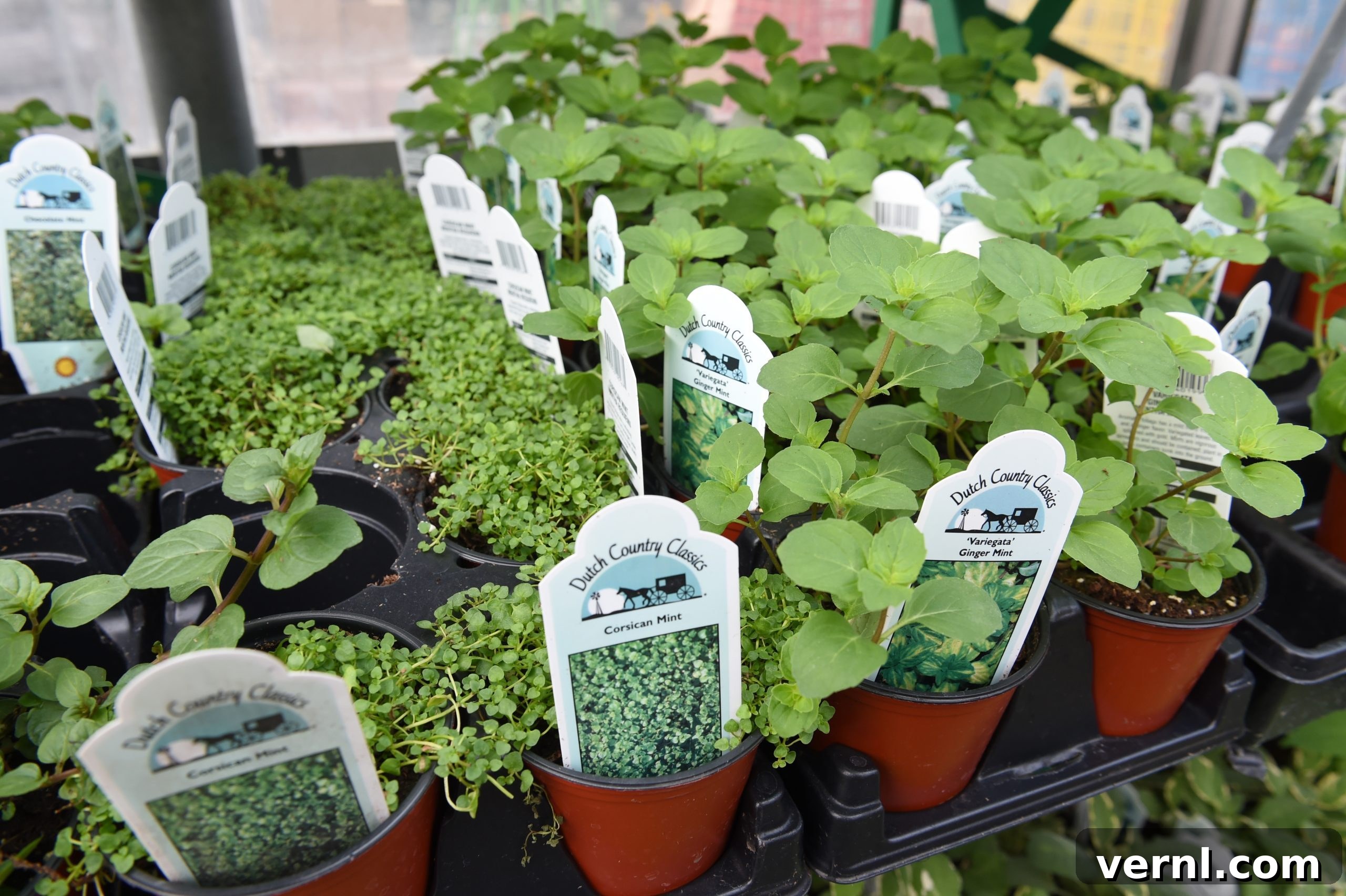
Embarking on a new landscaping project or bringing a fresh plant into your home is an exciting endeavor. Yet, the initial enthusiasm can quickly turn to disappointment if your green companions fail to thrive. As many experienced gardeners can attest, the key to success often lies in understanding the vital information provided by a seemingly small but mighty resource: the plant tag. My own journey began with a valuable, albeit costly, lesson. Faced with a dry, high-altitude climate, I meticulously scanned plant tags for species suited to the challenge. However, I couldn’t resist the allure of a few beloved favorites, despite their tags hinting at their unsuitability for our harsh environment. That choice proved to be a significant misstep; none of those cherished plants survived the winter.
“Plant tags are meticulously designed to furnish you with the fundamental information required to ensure the survival and prosperity of your new plant,” explains Justin Hancock, a seasoned horticulturist at Costa Farms. “Extensive research consistently demonstrates that the plant tag stands as the primary source of information individuals consult when selecting plants. Indeed, some dedicated plant enthusiasts even meticulously collect and preserve these tags in scrapbooks, creating an invaluable reference library for every plant they cultivate.”
While plant tags are intended to pave your path to gardening success, certain elements or omissions can, paradoxically, lead to a plant’s untimely demise. To help you navigate this crucial tool, we’ve consulted with leading plant experts—Hancock, Lisa Eldred Steinkopf, and Susan Bacus Morgan—who share their invaluable insights and best practices for effectively reading, interpreting, and ultimately mastering plant tags.
Why Every Plant Comes with a Tag: The User Manual of Horticulture
Virtually every potted plant, whether destined for an indoor sanctuary or an outdoor landscape, arrives accompanied by a plant tag, sticker, or stake. These unassuming labels are far more than mere identifiers; they are concise user manuals for horticulture. They consolidate essential data regarding a plant’s general needs, encompassing critical factors such as optimal air temperature, specific water requirements, and preferred light conditions. This information is invaluable, empowering you to make informed decisions about whether a particular plant is truly a good fit for your home, garden, and care routine.
“Consider plant tags as the foundational user manual for any horticultural pursuit,” says Bacus Morgan, an ardent gardener and manager at Star Roses and Plants. “In their ideal form, these tags aim to equip the consumer with every piece of knowledge necessary to cultivate a specific plant successfully from day one.” Without these tags, gardeners would be left guessing, leading to increased plant mortality and reduced satisfaction. They bridge the knowledge gap between commercial growers and home enthusiasts, promoting healthier plants and more rewarding gardening experiences.
The information on plant tags helps prevent common pitfalls. For instance, understanding a plant’s mature size can prevent overcrowding, while knowing its hardiness zone ensures it can withstand local winter temperatures. Beyond basic care, some tags even provide insights into a plant’s ecological benefits, such as attracting pollinators, which is increasingly important for sustainable gardening practices.
Deciphering Plant Tag Information: A Comprehensive Guide
The complexity and detail of plant tags can vary significantly. Some offer only the most basic information, while others provide a wealth of data. Generally, the more comprehensive a tag is, the better equipped you will be to care for your new plant. This inconsistency often stems from various factors within the horticultural supply chain.
“There’s a notable lack of standardization when it comes to plant tags across the industry,” Hancock observes. “The origin and content of a tag can depend heavily on the retailer, who might mandate growers to utilize their specific branded tags, or on the grower themselves, who might opt to purchase pre-designed, generic tags instead of investing in custom ones tailored to each plant variety.” Despite these variations, most plant tags consistently feature several key pieces of information crucial for any gardener:
- Plant Names: Common and Botanical (Scientific): Every tag typically lists both the plant’s common name and its botanical (scientific) name. While common names are often easier to remember, they can be highly regional and sometimes refer to multiple different plants, leading to confusion. The botanical name, based on a standardized Latin binomial system, offers precision. It’s universally recognized, allowing for accurate research into specific care requirements, potential issues, and propagation methods, regardless of where you are in the world. Always refer to the botanical name when searching for in-depth care guides.
- Light Requirements: Unveiling the Sun’s Demands: This section specifies the plant’s preferred light conditions, such as “full sun,” “partial shade,” or “full shade.” For outdoor plants, this dictates optimal placement in your garden. For indoor plants, interpreting this can be trickier. “Indoor plants almost invariably benefit from more light than what their tags might suggest,” Hancock advises. Understanding the nuances of light—direct vs. indirect, intensity, and duration—is vital. A “full sun” tag for an outdoor plant implies at least six hours of direct sunlight, whereas for an indoor plant, this typically means a bright, south-facing window with plenty of indirect light, and potentially some direct morning sun.
- Watering Frequency: A Flexible Guideline: Tags often suggest how often to water, e.g., “water weekly” or “keep moist.” However, this is often a general guideline and should not be followed rigidly. “Which I frequently disregard,” confesses Steinkopf, widely known as The Houseplant Guru. “It’s far more effective to regularly check your plant’s moisture levels on a consistent schedule rather than strictly adhering to a watering schedule.” Factors like humidity, temperature, pot size, and even the plant’s growth stage dramatically affect its water needs. The best practice is to feel the soil; water only when the top inch or two feels dry to the touch.
- USDA Plant Hardiness Zone: Withstanding Extremes: This critical piece of information, provided by The USDA Plant Hardiness Zone map, indicates the lowest average winter temperature a plant can endure. It’s essential for outdoor gardeners to select plants that are “hardy” for their specific geographical zone, ensuring they can survive local winter extremes. Planting outside your zone can lead to winter damage or death.
- Mature Size: Planning for the Future: Tags typically provide estimates for a plant’s eventual height and width. This information is invaluable for proper garden planning and spacing, preventing overcrowding and ensuring each plant has adequate room to develop fully. It’s particularly important for trees and shrubs. However, a crucial caveat exists: “For particularly slow-growing species, such as many evergreen shrubs, the tag often only indicates the average size it will attain within a 10-year period, rather than its ultimate mature size,” Hancock clarifies. Always consider the long-term growth potential.
Beyond these fundamental details, more in-depth plant tags often provide a richer array of information, enabling even greater success:
- Illustrative Photo: A clear picture of the plant at its prime (e.g., blooming flowers, mature fruit) serves as an excellent visual reference, helping you envision its appearance in your space.
- Establishment Tips: Practical advice for initial planting, such as recommended hole size, soil amendments, and initial mulching or fertilizing schedules, to help the plant settle into its new environment.
- Maintenance Guidelines: Instructions on ongoing care, which might include pruning techniques, such as deadheading (the removal of spent flowers to encourage new blooms), or seasonal division.
- Key Attributes: Highlights unique characteristics like drought tolerance, resistance to pests (e.g., rabbits, deer), attractiveness to pollinators (bees, butterflies), fragrance, specific flower color, and anticipated bloom season. This helps in creating a desirable garden ecosystem.
- Companion Planting Suggestions: Recommendations for other plants that thrive when planted together, often for aesthetic appeal, pest deterrence, or mutual benefit.
- Specialized Advice for Edibles: For plants grown for consumption, tags may offer crucial details such as preferred soil pH, flavor profiles, and ideal harvesting times. For instance, understanding tomato plant codes can be invaluable.
- Digital Resources: QR Codes and Website Information: Modern tags frequently include QR codes or web addresses that link directly to comprehensive online care instructions, extended photo galleries, and even troubleshooting guides, offering a wealth of information beyond the physical tag’s limits.
Navigating Plant Tag Red Flags: What to Watch Out For
While plant tags are designed to be helpful, not all information is created equal, and some can even be misleading or insufficient. Recognizing these “red flags” is crucial for making informed purchasing decisions and avoiding future disappointment.
“The information presented on a plant tag should ideally offer specific guidelines tailored to the care of that particular plant,” emphasizes Steinkopf. “Regrettably, it is all too common for tags to be either unhelpful due to their brevity or excessively generic, providing broad strokes that apply to an entire category of plants rather than the individual specimen.” If a plant tag merely uses vague descriptors like “houseplant” or “tropical plant,” it’s a strong indicator that the detailed, individualized care instructions you need are likely absent. This generality can be a significant hurdle, as care requirements can vary dramatically even within the same plant family.
Other problematic plant tag scenarios to remain vigilant about include:
- A Picture That Doesn’t Match the Plant: If the image displayed on the tag bears no resemblance to the actual plant in the pot, this is an immediate cause for concern. It typically signifies either a generic tag being used for multiple species or a simple human error where the wrong tag was mistakenly attached. “Even if the picture seems to match, it’s always prudent to cross-reference the plant with a trusted, reputable website or a comprehensive houseplant reference book to confirm the accuracy of the information provided,” Steinkopf advises. “A correct picture does not automatically guarantee correct accompanying information.” Always verify.
- Scarcity of Critical Information: Even tags that appear reasonably detailed might omit vital considerations. These could include whether the plant is poisonous (a key concern for households with children or pets), if it has a tendency to spread aggressively and become invasive in certain climates, or details about its resistance to common pests and diseases. The absence of such crucial data can lead to serious problems down the line, affecting not only your garden but potentially your local ecosystem or even household safety.
- Geographical and Regional Variances: A seemingly straightforward requirement like “full sun” can hold drastically different meanings depending on your geographical location. “Full sun” in the intense heat of southern Florida, where prolonged exposure can scorch delicate leaves, is vastly different from “full sun” in the cooler, often less intense sunlight of northern Minnesota. Similarly, interpretations of the USDA Hardiness Zone can vary. “While a Zone rating might appear to be an absolute, black-and-white figure, I’ve personally observed the same plant cultivar from three distinct growers carrying three different USDA Hardiness Zone ratings,” Hancock points out. “Because these ratings are derived from average minimum temperatures, there’s a considerable degree of interpretive flexibility involved, influenced by microclimates and specific cultivar tolerances.” Always consider your local conditions and consult regional gardening guides in addition to the tag.
Frequently Asked Questions About Plant Tags and Care
How Do I Know How Much Water My Plant Really Needs?
Plant tags serve as an excellent starting point, indicating whether a plant thrives in consistently moist or drier soil conditions. However, they rarely provide precise measurements of water volume. For more specific watering advice, many contemporary tags incorporate scannable QR codes that link to detailed online instructions, often including tailored watering tips. In the absence of such digital aids, independent research on your specific plant variety is highly recommended to ascertain its ideal water requirements for optimal health. A universally reliable method for most plants is the “finger test”: simply insert your finger about an inch or two into the soil. Water thoroughly only when the soil at that depth feels dry. If it’s still damp, wait a day or two and check again. This prevents both under-watering and, more commonly, over-watering, which can lead to root rot.
What If I Lose the Plant Tag? How Can I Find Care Information Later?
Retaining your plant tags is a highly recommended practice. They serve as an invaluable reference for care instructions and as a reliable plant identification tool—it’s remarkably easy to forget what you’ve planted, especially with numerous varieties! If you’re concerned about misplacing them, an excellent habit is to photograph each tag with your smartphone immediately after purchase. This creates a digital record that’s easily accessible and impossible to misplace physically. Should your physical tags and digital backups somehow disappear, fear not! The digital age offers robust solutions. A quick search on Google or utilizing one of the many sophisticated plant identification apps can usually help you identify your plant and subsequently find comprehensive care instructions. Consider also keeping a dedicated plant journal, either physical or digital, where you log plant names, purchase dates, and key care notes.
Meet the Experts Who Help Us Understand Our Green Friends
- Justin Hancock is a distinguished horticulturist at Costa Farms, globally recognized as the largest grower of houseplants. With an impressive career spanning over 25 years in the horticulture industry, his diverse experience includes roles as a garden editor, operator of a retail garden center, and a specialist in plant tag information.
- Lisa Eldred Steinkopf is the visionary founder of The Houseplant Guru, an acclaimed website dedicated to empowering individuals with the knowledge and skills to expertly care for their indoor plants. She is also a prolific writer, engaging lecturer, and the accomplished author of several essential gardening guides, including Houseplants: The Complete Guide, Grow in The Dark, Creative Houseplant Projects, and Bloom.
- Susan Bacus Morgan holds a managerial position at Star Roses and Plants, a prominent plant wholesaler situated in West Grove, Pennsylvania. Her contributions are instrumental in the introduction of innovative plant genetics that offer practical solutions for both young plant growers and dedicated home gardeners alike. When she steps away from her professional duties, Susan can often be found immersed in her garden or diligently tending to the bees within her thriving apiary.