
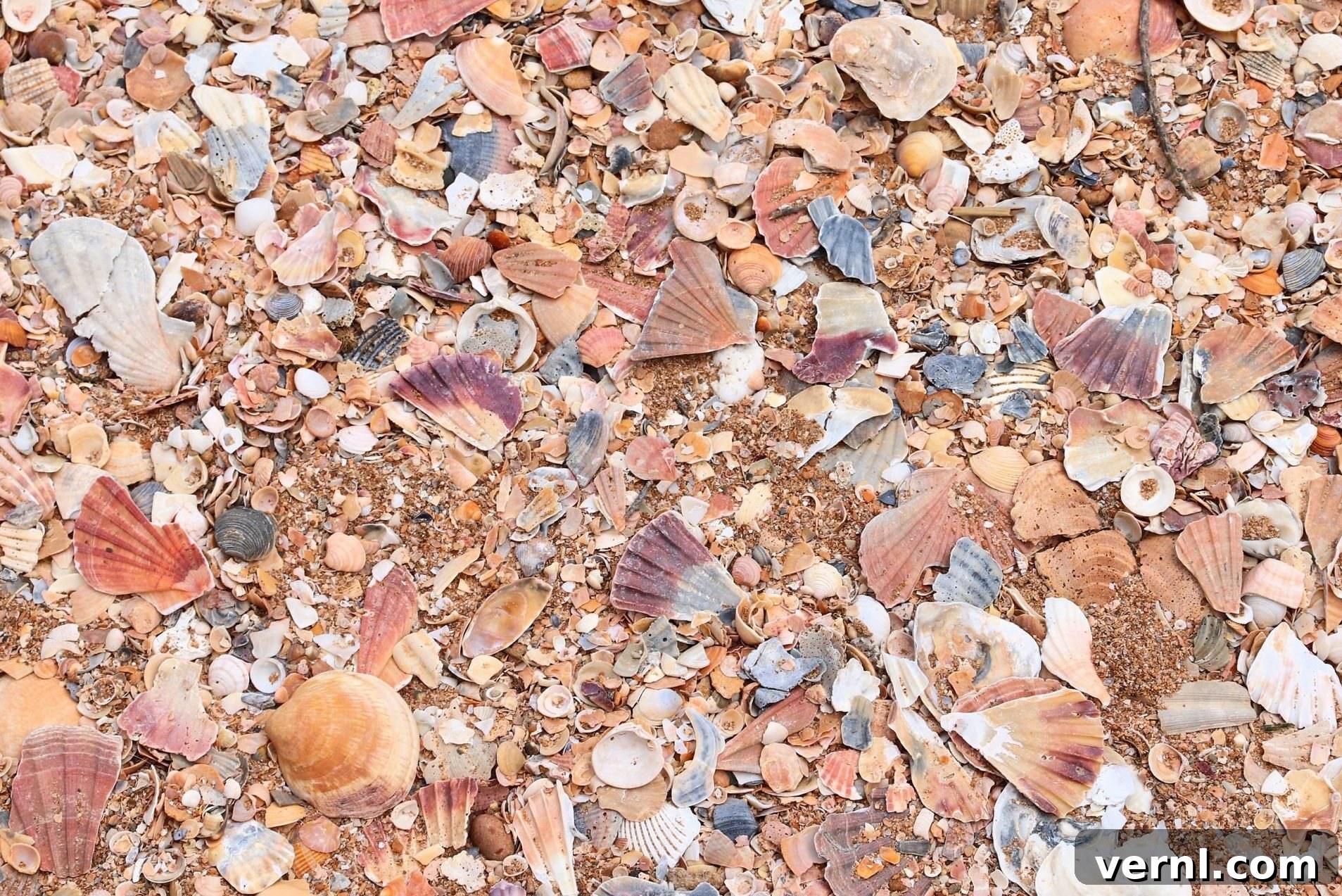
As an avid gardener, the quest for healthier, more vibrant plants is a continuous journey. Recently, a fascinating concept caught my attention: using crushed seashells to enrich garden soil. Having spent my entire life cultivating gardens in the Midwest, this method was entirely new to me. My initial thought was, “Should I be adding crushed seashells to my garden?” This question spurred a deeper investigation into the potential benefits and practicalities of incorporating this unique amendment into gardening practices.
The quick answer, as with many gardening queries, is: it depends. For gardeners like myself, far from coastal regions where seashells are a natural abundance, the logistics and sustainability might make large-scale application impractical. However, if you reside near a bustling coastline or have access to ethically sourced shells, this age-old method could offer a treasure trove of benefits for your soil. Let’s delve into the science and application of crushed seashells as a garden amendment.
The Hidden Power: How Seashells Transform Your Garden Soil
Seashells are far more than just decorative trinkets from the ocean; they are a powerhouse of minerals and organic compounds that can significantly enhance soil quality. Their ability to improve soil health stems from several key properties, making them a multifaceted asset for the discerning gardener.
Enriching Soil with Organic Matter and Essential Nutrients
Beyond their mineral content, certain seashells, particularly those from crustaceans like crabs, lobsters, and shrimp, are rich in chitin. Chitin is a complex carbohydrate that plays a crucial role once introduced into the soil ecosystem. As it is slowly broken down by various beneficial bacteria and fungi, chitin doesn’t just add general organic matter; it acts as a slow-release reservoir of vital nutrients. This decomposition process gradually releases essential elements such as nitrogen, calcium, and magnesium directly into the soil structure. These nutrients become readily available for plant uptake, fostering robust growth, lush foliage, and healthy root development over time. This slow and steady release ensures a consistent supply of nourishment, preventing nutrient shock and supporting long-term soil fertility.
A Sustainable Source of Plant-Available Calcium
Many gardeners are constantly on the lookout for natural ways to address calcium deficiencies in their soil, which can manifest as blossom end rot in tomatoes or stunted growth in other vegetables. Seashells, primarily composed of calcium carbonate, are indeed an excellent natural source of calcium. This vital mineral is indispensable for strong cell wall development in plants, proper nutrient transport, and overall structural integrity. However, it’s crucial to understand that the calcium in seashells is not immediately available. It requires a prolonged period of decomposition within the soil, facilitated by natural acids and microbial activity, before it can be absorbed by plant roots. Therefore, while seashells are a fantastic long-term solution for bolstering soil calcium levels, they are not a quick fix for acute deficiencies. For immediate needs, other amendments might be more suitable, but for a sustainable, gradual calcium enrichment, crushed shells are unparalleled.
Natural Defense Against Root-Knot Nematodes
Root-knot nematodes are microscopic roundworms that can wreak havoc on garden plants, stunting growth and reducing yields by damaging root systems. Interestingly, some gardeners have found success in using seashells as a preventative measure against these pests. According to experts like the Clemson University Cooperative Extension, introducing organic matter or fertilizers containing chitin can significantly boost the population of beneficial soil microorganisms. These microorganisms, in turn, can either predate on nematodes or create an environment less hospitable for their proliferation, effectively aiding in natural nematode control. Christy Wilhelmi, a respected author and gardener from the West Coast, often recommends chitin-rich amendments like shrimp shell meal for treating root-feeding nematodes. However, she also emphasizes the importance of holistic soil health, often preferring to aerate the soil and introduce beneficial nematodes directly as a primary line of defense. This highlights that while chitin from shells is helpful, a multi-pronged approach to pest management is always most effective.
Gradually Raising Soil pH in Acidic Conditions
Soil pH is a critical factor influencing nutrient availability to plants. Highly acidic soils can lock up essential nutrients, making them inaccessible. Seashells, being alkaline in nature due to their calcium carbonate content, can effectively neutralize acidic soils over time, gradually raising the pH. This process, however, is not instantaneous. C.L. Fornari, a renowned garden author and speaker based on the East Coast, provides valuable insight into this mechanism. She notes that crushed shells and coral are frequently used in hydroponic systems to adjust water pH because the constant circulation allows for rapid leaching and even distribution of carbonates. In contrast, soil systems are far less dynamic. Shells break down very slowly in the ground, making it challenging to achieve rapid or uniformly distributed pH changes across a large planting area. Therefore, while shells can contribute to pH adjustment, they serve more as a long-term buffer than an immediate corrective measure, requiring patience and consistent application for noticeable results.
The Golden Rule: Test Your Soil Before Amending
Regardless of whether you’re considering seashells, compost, or any other amendment, the single most important step before altering your garden soil is to conduct a comprehensive soil test. This crucial analysis will reveal the true composition of your soil, including its pH level, organic matter content, and the precise levels of essential macro- and micronutrients. Guessing what your soil needs can lead to unintended consequences, potentially harming your plants or wasting valuable resources.
Your local cooperative extension service is an invaluable resource for soil testing. They can provide detailed instructions on how to collect an accurate soil sample and where to send it for laboratory analysis, usually for a nominal fee. The results you receive will be highly detailed and often include specific recommendations for amendments tailored to your soil’s unique requirements. While DIY soil test kits are available and can offer a basic understanding, they typically do not provide the in-depth, precise information and customized recommendations that a professional lab test offers. Investing in a lab test is a wise decision that lays the foundation for truly informed and effective gardening practices.
Beyond Soil Improvement: Other Ingenious Uses for Seashells in the Garden
The versatility of seashells extends beyond just amending soil; they offer a variety of practical and aesthetic uses throughout the garden and landscape.
Sustainable Pathways and Decorative Elements
C.L. Fornari observes that in her region, crushed clam and oyster shells are more commonly utilized for practical hardscaping applications. They make excellent material for creating durable and attractive driveways, walkways, and parking areas. Their natural drainage properties help prevent puddling, and their unique texture provides a distinctive aesthetic. Beyond utility, shells can also serve as a beautiful, natural alternative to gravel or pebbles in decorative garden features, adding a coastal charm to any landscape.
Effective Mulch and Pest Deterrent
Applying a layer of crushed seashells, approximately two inches thick, around plantings can function as an effective mulch. This shell mulch helps to retain soil moisture, regulate soil temperature, and suppress weed growth, much like traditional organic mulches. Additionally, the sharp edges of crushed shells can act as a natural deterrent for common garden pests such as slugs and snails, which find it difficult and unpleasant to traverse such a coarse surface. For houseplants, a thin layer of crushed shells on top of the soil can help control fungus gnats by creating a physical barrier and disrupting their breeding cycle.
Enhancing Drainage and Aeration
In container gardening or raised beds where drainage is paramount, a base layer of coarser crushed shells can significantly improve aeration and prevent waterlogging. This ensures that plant roots receive adequate oxygen, reducing the risk of root rot and promoting healthier plant development.
Sourcing Seashells Responsibly: Where and How to Acquire
For those eager to incorporate seashells into their gardening repertoire, acquiring them responsibly is key. Several avenues exist, each with its own considerations.
Craft stores and various online merchants sell decorative seashells, though these may be more expensive and not always suitable for bulk garden applications. A more sustainable and often more economical option comes from the seafood industry. Many seafood processing plants divert vast quantities of crab, lobster, and shrimp shells from landfills. These shells are often sent to composting facilities where they are processed into nutrient-rich mulch or soil amendments, effectively transforming waste into a valuable gardening resource.
However, ethical sourcing remains a critical consideration. As C.L. Fornari rightly points out, if you’re planning to use bulk crushed coral or shells, it’s vital to ensure they come from farmed or sustainably managed sources rather than being harvested from wild populations. Our delicate marine ecosystems are already under immense pressure, and mining them for garden supplies would exacerbate these issues. Always inquire about the origin of commercially sold shells to support environmentally conscious practices.
For those living near coastlines, collecting your own shells can be a rewarding activity. However, be mindful of local regulations regarding shell collection, as some areas have restrictions. Always ensure collected shells are thoroughly washed to remove any salt residue, which could be detrimental to garden plants, especially if applied in large quantities. Drying them completely and then crushing them yourself (using appropriate safety gear) allows for complete control over particle size and purity.
Conclusion: A Balanced Approach to Seashells in Your Garden
Using crushed seashells in your garden can be a genuinely beneficial and sustainable practice, offering advantages ranging from enriching soil with vital nutrients and organic matter to adjusting pH and providing natural pest control. However, like any gardening amendment, its effectiveness is highly dependent on your specific geographical location, the existing condition of your soil, and your gardening goals.
Before enthusiastically scattering shells across your beds, remember the importance of soil testing. Understand what your soil truly needs, and then decide if crushed seashells align with those requirements. Embrace the slow, patient approach required for shells to break down and release their treasures. When sourced responsibly and applied thoughtfully, these gifts from the ocean can indeed become a valuable, long-term asset in cultivating a healthier, more vibrant garden ecosystem.